


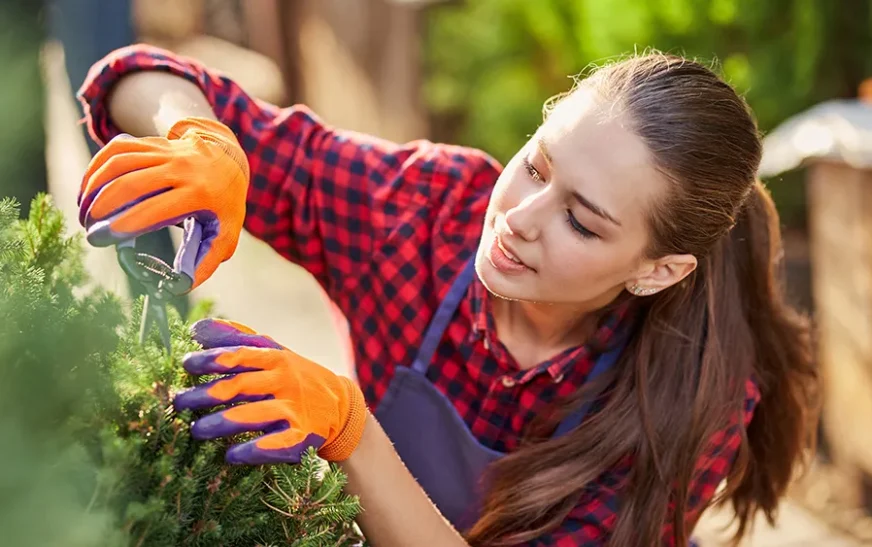
A beautiful garden doesn’t happen by accident. Behind every lush lawn, vibrant flower bed, and thriving vegetable patch is a consistent garden care and maintenance routine that keeps plants healthy, pests at bay, and the soil productive season after season.
Most homeowners notice the difference immediately: a neglected garden battles weeds, suffers from disease, and costs far more to restore than it ever would have to maintain. A well-cared-for garden, on the other hand, rewards you with better plant growth, improved curb appeal, and lower long-term costs.
In this guide, you’ll learn everything you need to know about garden maintenance from essential daily tasks and seasonal upkeep to eco-friendly pest control, tool care, and when it makes sense to call in a professional. Whether you’re a first-time gardener or someone looking to level up their outdoor space, this guide has you covered.
What Is Garden Care & Maintenance?
Garden care and maintenance refers to the ongoing set of practices that keep your outdoor space healthy, productive, and visually appealing. It goes beyond occasional mowing or watering; it’s a proactive system of plant care, soil management, pest monitoring, and seasonal preparation.
What Does Garden Maintenance Include?
A complete garden maintenance routine typically covers:
- Watering delivers the right amount of moisture at the right time
- Pruning, removing dead or overgrown plant material to encourage growth
- Fertilizing replenishes soil nutrients for stronger, healthier plants
- Lawn care mowing, aerating, and patching for a dense, green lawn
- Pest control, monitoring, and managing insects before they cause damage
- Soil management improves structure, pH, and organic matter
- Seasonal upkeep: preparing your garden for each change in climate
Benefits of Regular Garden Maintenance
Consistent garden care pays off in multiple ways:
- Improves plant growth by ensuring nutrients, water, and light are optimized
- Prevents diseases before they spread across your beds
- Reduces weeds through regular removal and preventive mulching
- Improves soil quality over time with compost and organic matter
- Enhances curb appeal and property value
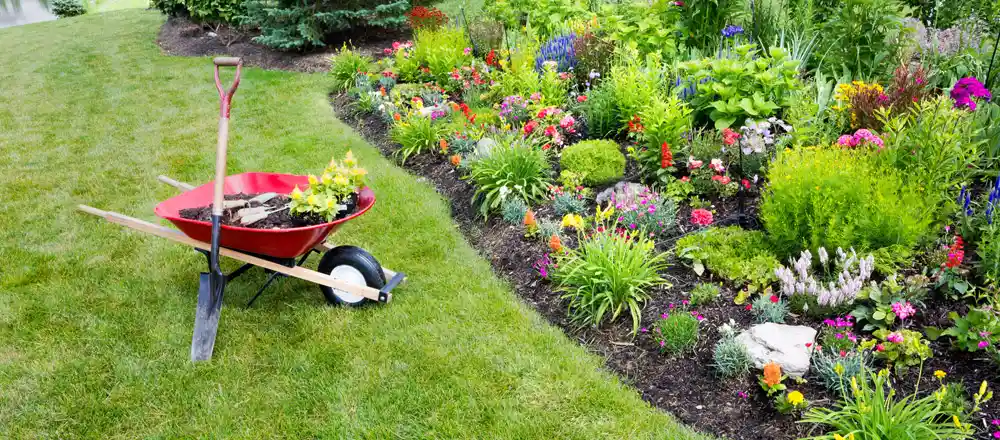
Common Garden Problems Homeowners Face
Without regular care, gardens develop predictable issues:
- Yellow leaves are often caused by overwatering, nutrient deficiency, or pests
- Overwatering the single most common mistake in home garden care
- Weed growth spreads rapidly in neglected soil
- Insects and pests, such as aphids, slugs, and spider mites, thrive without monitoring
- Dry, cracked soil leads to root stress and poor plant performance
- Poor drainage causes root rot and fungal disease
Essential Garden Maintenance Tasks
These are the core practices that form the backbone of any healthy garden care routine.
Proper Watering Techniques
How often should you water your garden? Most garden plants need about 1 inch of water per week, including rainfall. However, frequency depends on soil type, weather, and plant variety.
Best practices for watering your garden:
- Water in the early morning (6–9 AM) to reduce evaporation and prevent fungal growth
- Water at the base of plants, not the leaves, to avoid moisture-related disease
- Check soil moisture 2 inches deep before watering. If it’s moist, skip the session
- Use a drip irrigation system to deliver water directly to roots, saving up to 50% more water than sprinklers
Overwatering is more dangerous than underwatering. Yellow, mushy leaves are a classic sign of overwatering. Always check the soil before reaching for the hose.
Soil Care and Improvement
Healthy soil is the foundation of healthy plants. Without proper soil structure and nutrition, even the most careful watering and fertilizing will underperform.
- Add compost annually to improve drainage, water retention, and microbial activity
- Conduct a basic soil test every 2–3 years to understand your pH and nutrient levels
- Apply 2–3 inches of mulch around plant bases to retain moisture and regulate temperature
- Avoid compacting soil by using designated pathways rather than walking through beds
Weed Control and Prevention
Weeds compete with your plants for water, light, and nutrients. Staying ahead of them is far easier than removing established patches.
- Hand-pull weeds after rain when the soil is soft, and remove the full root to prevent regrowth
- Mulch garden beds with wood chips, straw, or shredded bark to block weed germination
- Use landscape fabric under pathways and decorative areas for long-term weed suppression
- Avoid tilling soil unnecessarily, as it brings buried weed seeds to the surface
Pruning and Trimming Plants
Why does pruning matter? Pruning encourages new growth, removes diseased or dead material, and improves plant shape. Left unpruned, shrubs become overcrowded, airflow decreases, and disease risk rises.
Key pruning tips:
- Remove dead, damaged, or crossing branches first on any plant
- Prune flowering shrubs just after they bloom to avoid cutting off next season’s buds
- Always use clean, sharp shears, dull blades crush stems, and invite disease
- Avoid the “hat rack” mistake. Never remove more than one-third of a plant’s total mass at once
Lawn Care Maintenance
A lush, green lawn requires more than just regular mowing. True lawn health comes from a combination of practices:
- Mow at the correct height. Most grass types do best at 2.5 to 3.5 inches
- Never remove more than one-third of the grass blade in a single mowing
- Aerate your lawn once a year (fall for cool-season grass, spring for warm-season) to relieve compaction
- Patch bare spots with appropriate grass seed matched to your existing turf
- Fertilize 2–4 times per year using a slow-release nitrogen formula
Seasonal Garden Care Guide
One of the most effective approaches to garden maintenance is thinking seasonally. Each time of year brings different needs, risks, and opportunities for your garden.
Spring Garden Maintenance
Spring is the most important season for setting up your garden for success:
- Clear winter debris from garden beds, remove dead leaves, broken stems, and frost-killed annuals
- Turn and amend the soil with compost before planting begins
- Plant cool-season vegetables and annual flowers once frost risk has passed
- Apply a balanced spring fertilizer to lawns and established beds
- Check irrigation systems and hoses for winter damage before turning them on
Summer Garden Care Tips
Summer heat puts stress on plants and increases pest activity. Prioritize:
- Water deeply and less frequently during heatwaves to encourage deep root growth
- Mulch heavily (3–4 inches) to protect soil from extreme heat and retain moisture
- Inspect plants weekly for pests, aphids, spider mites, and whiteflies, which peak in warm weather
- Deadhead spent flowers to encourage continuous blooming
- Avoid fertilizing during extreme heat it can stress already-struggling plants
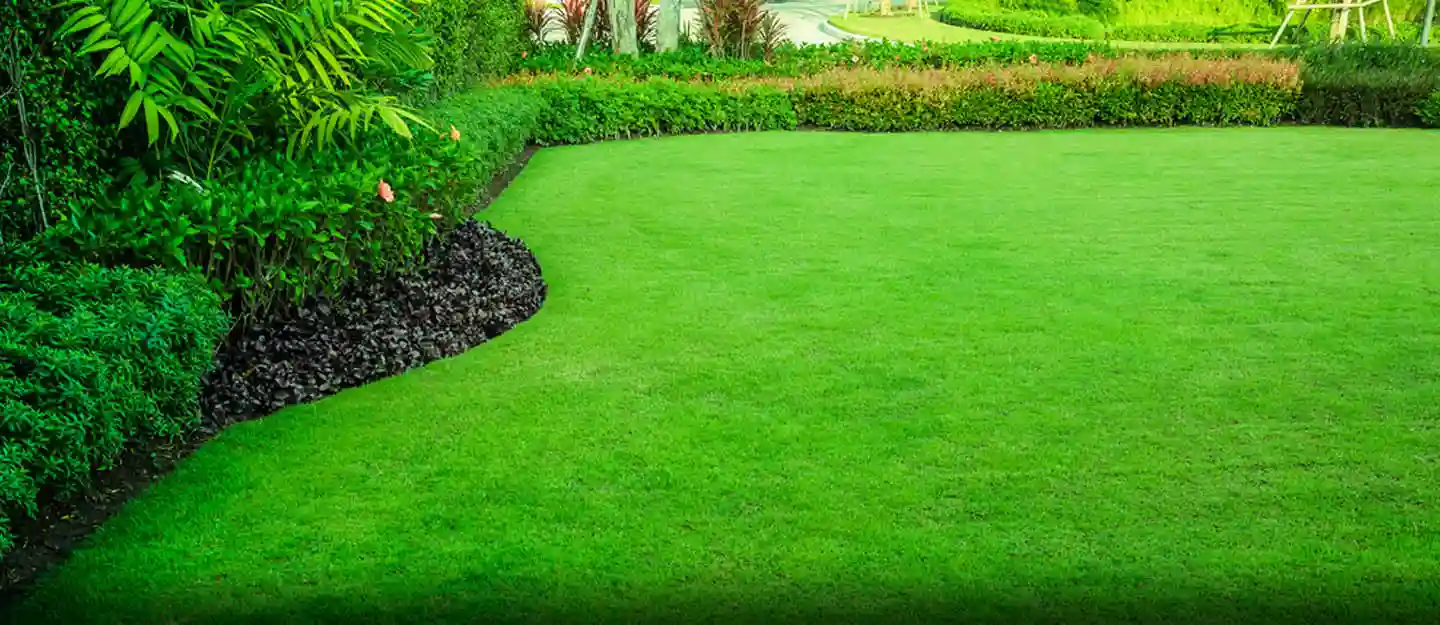
Fall Garden Maintenance
Fall is the cleanup and preparation season:
- Raking and composting fallen leaves don’t leave them smothering the lawn grass
- Cut back perennials after the first frost, but leave ornamental grasses for winter interest
- Plant spring-blooming bulbs (tulips, daffodils) before the ground freezes
- Add a layer of compost to garden beds to break down over winter
- Divide and replant crowded perennials to refresh growth next spring
Winter Garden Protection
Even in winter, your garden needs attention:
- Wrap tender shrubs in burlap to protect from frost and wind desiccation
- Apply winter mulch (4–6 inches) around perennial roots after the first hard freeze
- Clean, sharpen, and store all gardening tools properly to extend their life
- Reduce watering significantly; most dormant plants need very little moisture
- Plan next year’s garden layout during the quiet winter months
Organic and Eco-Friendly Garden Maintenance
More gardeners than ever are shifting to sustainable garden care practices, and for good reason. Organic methods protect beneficial insects, improve long-term soil health, and reduce chemical runoff into local waterways.
Natural Fertilizers for Healthy Plants
Synthetic fertilizers give plants a quick nutrient hit but do little to improve the soil itself. Natural alternatives build soil health over time:
- Compost the gold standard. Balances pH, adds beneficial microbes, and improves drainage
- Aged manure (chicken, cow, horse) is rich in nitrogen and organic matter
- Worm castings gentle, high-nutrient organic fertilizer safe for all plants
- Compost tea is liquid compost brewed in water, applied as a soil drench or foliar spray
- Fish emulsion fast-acting nitrogen source ideal for leafy plants and lawns
Eco-Friendly Pest Control Methods
Before reaching for chemical pesticides, try these proven organic pest control strategies:
- Neem oil disrupts insect reproduction cycles and repels over 200 pest species
- Companion planting marigolds deter aphids; basil repels tomato hornworms; nasturtiums attract aphids away from vegetables
- Beneficial insects release ladybugs and lacewings to naturally control aphid populations
- Homemade sprays a diluted soap and water solution that handles soft-bodied insects like mites and whiteflies
Avoid spraying any pesticide, even organic ones, during the day when bees and pollinators are active. Apply in the early morning or evening instead.
Water-Saving Garden Techniques
Reducing water use doesn’t mean sacrificing plant health. These techniques maximize every drop:
- Install a rainwater harvesting system to collect roof runoff in barrels for garden use
- Use drip irrigation systems that deliver water directly to the root zone, bypassing evaporation
- Mulch all bare soil to reduce moisture loss by up to 70%
- Group plants with similar water needs together in hydrozones
Essential Garden Maintenance Tools
The right tools make garden care faster, safer, and more effective. You don’t need a shed full of equipment, just the right basics, properly maintained.
Basic Hand Tools
- Pruning shears essential for deadheading, trimming, and shaping smaller plants
- Garden rake for leveling soil, clearing debris, and working compost into beds
- Hand trowel for planting, transplanting, and small-scale soil work
- Gardening gloves protect hands from thorns, blisters, and soil-borne bacteria
- A watering can is ideal for targeted watering of seedlings and container plants
Power Tools for Large Gardens
- Lawn mower rotary for general lawns; reel mowers for eco-friendly, low-cut precision
- Hedge trimmer for shaping formal hedges and keeping shrubs tidy
- Leaf blower speeds up fall cleanup considerably
How to Maintain Gardening Tools
Poorly maintained tools don’t just perform badly; they can spread disease between plants:
- Clean soil from all tools after each use to prevent rust and disease transfer
- Sharpen pruning shears, loppers, and spades at least once per season
- Rub metal surfaces lightly with linseed oil to prevent rust during storage
- Hang tools upright or store them off the ground to extend handle life
Common Garden Maintenance Mistakes
Even experienced gardeners make these errors. Knowing them in advance saves your plants and your time.
Overwatering Plants
Overwatering is the number one cause of plant death in home gardens. Waterlogged soil suffocates roots and creates ideal conditions for fungal disease. Always check soil moisture before watering. Your finger is the best tool you own.
Ignoring Soil Health
Plants grown in depleted, compacted, or imbalanced soil will struggle no matter how well you water or fertilize them. Test your soil and amend it with compost annually. Healthy soil is living soil that protects the microbes that make it work.
Using Too Much Fertilizer
“Fertilizer burn” is real. Excess nitrogen causes rapid, weak growth that’s highly attractive to pests. It can also damage roots and lead to leaf scorch. Always follow label directions and lean toward less when in doubt.
Poor Drainage Problems
If water pools in your garden for more than an hour after rain, you likely have a drainage issue. Fix it with raised beds, compost additions to break up clay, or French drains. Chronic waterlogging leads to root rot and fungal problems that are hard to reverse.
Planting Without Sunlight Planning
Before placing any plant, observe how sunlight moves across your garden throughout the day. A plant that needs 6 hours of full sun will never thrive when placed under a tree canopy. Match every plant’s sunlight requirements to your garden’s actual conditions.
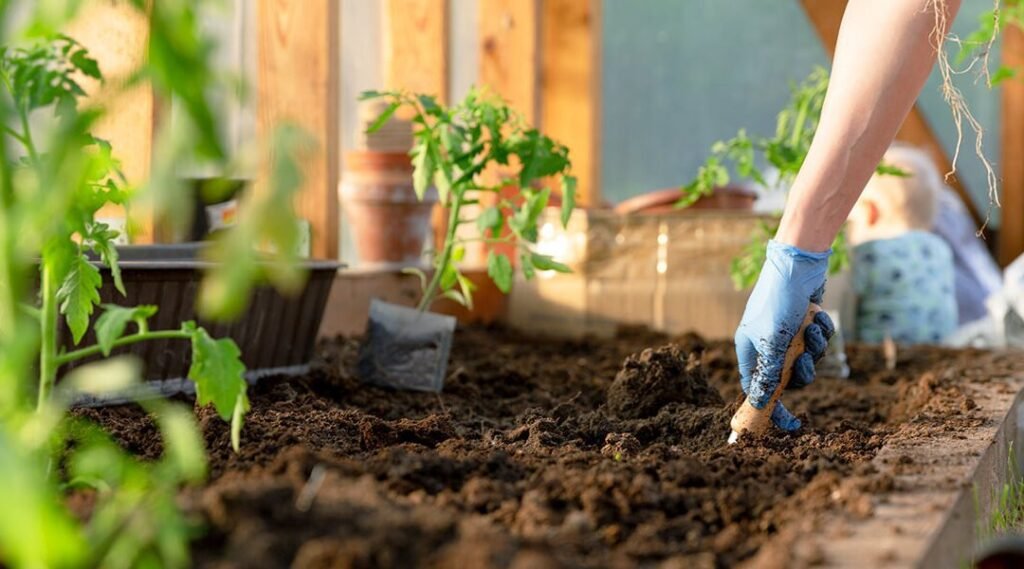
Low-Maintenance Garden Ideas
Want a beautiful garden without constant effort? Smart plant selection and design can dramatically reduce the time you spend on upkeep.
Best Low-Maintenance Plants
- Lavender is drought-tolerant, fragrant, deer-resistant, and pollinator-friendly
- Ornamental grasses have low water needs, architectural interest, and seasonal texture
- Sedum thrives in poor soil and needs almost no water once established
- Black-eyed Susan tough, self-seeding wildflower that blooms all summer
- Hostas are shade-tolerant ground cover that fills space and suppresses weeds naturally
Mulching for Easy Garden Care
A generous 3-inch layer of mulch applied once or twice per year can replace hours of weeding, reduce watering frequency, and improve soil health all at once. It’s one of the highest-return investments in low-maintenance garden care.
Automatic Irrigation Systems
A programmable drip irrigation system eliminates daily watering decisions, delivers water more efficiently than hand watering, and keeps plants consistently hydrated during vacations. Entry-level systems start at a modest cost and pay for themselves in water savings within a season.
Native Plants for Easy Maintenance
Native plants are adapted to your local soil, rainfall, and climate. Once established, they typically need no irrigation, no fertilizing, and minimal pruning. They also support local pollinators and wildlife better than non-native ornamentals.
DIY Garden Maintenance vs. Hiring Professionals
Benefits of DIY Garden Care
- Significant cost savings, especially for routine tasks like mowing, weeding, and watering
- Greater connection to your garden and understanding of its needs
- Flexibility to work at your own pace and on your own schedule
- Physical activity and mental well-being benefits of working outdoors
When to Hire Professional Gardeners
- Large-scale tree pruning or removal requires expertise and safety equipment
- Pest or disease outbreaks that aren’t responding to home treatment
- Landscape redesign or planting of mature trees and large shrubs
- Seasonal deep-cleans if you have limited time or mobility
Cost vs. Time Comparison
A professional garden maintenance service typically charges between $50 and $200 per visit, depending on garden size and services. For most homeowners, a hybrid approach works best: handle routine weekly tasks yourself and bring in professionals for seasonal deep work or specialized jobs.
Garden Maintenance Checklist
Use this checklist to stay on top of your garden care routine throughout the year.
| Daily Tasks | |
| ✓ | Inspect plants for signs of stress, pests, or disease |
| ✓ | Do a quick watering check, feel the soil before adding water? |
| ✓ | Monitor any recently transplanted seedlings |
| ✓ | Remove obvious litter or debris from the garden area |
| Weekly Tasks | |
| ✓ | Mow lawn at the correct height for your grass type |
| ✓ | Remove weeds before they flower and set seed |
| ✓ | Trim and deadhead flowering plants |
| ✓ | Check irrigation systems for leaks or blockages |
| ✓ | Monitor plants for early pest activity |
| Monthly Tasks | |
| ✓ | Apply fertilizer according to plant needs and season |
| ✓ | Inspect soil depth and moisture levels across beds |
| ✓ | Deep-clean garden beds remove dead material and refresh mulch |
| ✓ | Check and clean all gardening tools |
| ✓ | Evaluate plant health and note any concerns for follow-up |
Signs Your Garden Needs Immediate Attention
Knowing how to read your garden is one of the most valuable skills a homeowner can develop. These warning signs mean your garden needs help now.
Yellow or Wilting Leaves
Yellowing leaves can signal several problems: overwatering, underwatering, nutrient deficiencies (especially iron or nitrogen), or pest damage. Check the roots. Soggy, brown roots mean overwatering; dry, brittle roots mean drought stress.
Fungal Growth
White powdery coating on leaves (powdery mildew), gray fuzzy patches (botrytis), or mushrooms near roots all indicate fungal problems. Improve air circulation, reduce overhead watering, and treat with an appropriate organic fungicide if necessary.
Excessive Weed Spread
If weeds are taking over faster than you can pull them, your soil is likely disturbed, your mulch layer is too thin, or you have a bare-soil problem that weeds are filling naturally. Smother them with mulch and plant dense ground covers to reclaim the space.
Dry or Cracked Soil
Soil that cracks and pulls away from plant roots has lost its structure and its capacity to retain moisture. This often happens in summer without mulch. Immediately add a thick layer of compost and mulch, then water deeply and slowly.
Slow Plant Growth
Plants that seem stuck, not dying, but not growing, are often dealing with poor soil nutrition, inadequate sunlight, root-bound container conditions, or a pH imbalance that’s locking out nutrients. Soil testing will quickly identify the cause.
FAQs
What is the easiest garden maintenance task for beginners?
Watering, removing weeds, and adding mulch are the easiest, beginner-friendly garden maintenance tasks that quickly improve plant health.
How often should I water my garden?
Most gardens need about 1 inch of water per week. Water deeply 2–3 times weekly and check soil moisture before watering.
What is the best time to water plants?
Early morning, between 6 and 9 AM, is best because it reduces evaporation and helps prevent fungal diseases.
Why is my garden soil dry and cracked?
Dry, cracked soil usually means low organic matter and a lack of mulch. Adding compost and mulch helps retain moisture.
How can I stop weeds naturally?
Use mulch, remove weeds by hand after rain, and avoid leaving bare soil exposed to sunlight.
When should I prune plants and shrubs?
Most plants should be pruned after flowering or during late winter before new growth begins.
What are the signs of overwatering plants?
Yellow leaves, soggy soil, root rot, and wilting despite wet soil are common signs of overwatering.
What tools are essential for garden maintenance?
Basic tools include pruning shears, a hand trowel, gardening gloves, a rake, and a watering can.
Are organic fertilizers better for gardens?
Organic fertilizers improve soil health over time and support beneficial microbes without harsh chemicals.
How do I make my garden low maintenance?
Choose native plants, apply mulch, install drip irrigation, and use drought-tolerant plants to make upkeep easier.
Conclusion
Consistent garden care and maintenance is the single most impactful thing you can do for the long-term health and beauty of your outdoor space. It doesn’t require perfection; it requires attention, routine, and a willingness to learn what your garden is telling you.
Start with the basics: water correctly, feed your soil, control weeds early, and prune regularly. Layer in seasonal upkeep, eco-friendly pest management, and the right tools, and you’ll have a garden that thrives year after year with less and less effort over time.
Whether you go fully DIY or bring in professional support for seasonal projects, the most important thing is consistency. A little attention every week is worth far more than a major intervention every few months. Your garden will reward the effort in ways that go well beyond aesthetics in food, in habitat, and in the quiet satisfaction of a space that’s truly alive.
Ready to take the next step? Start with our seasonal garden care checklist above and build your routine one task at a time.







3 Comments
[…] a gravel or stepping-stone garden path in an […]
[…] low-growing groundcover like creeping thyme or Irish moss fill the gaps for a soft, cottage-garden […]
[…] Home gardening continues to grow in popularity among American households. […]