


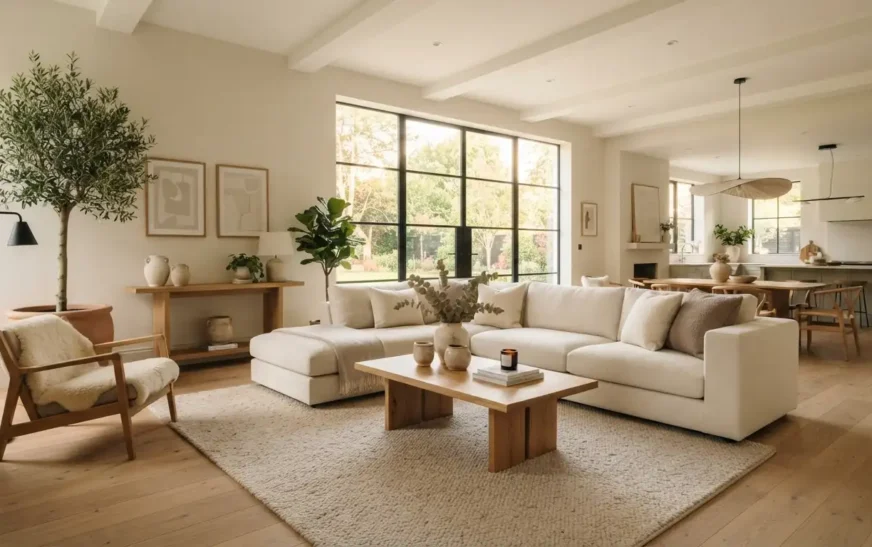
Your living room is more than just a place to sit it’s where life happens. From hosting family movie nights and entertaining guests to enjoying a quiet cup of coffee on Sunday morning, it’s one of the most lived-in spaces in any home.
That’s why finding the right living room decorating ideas can completely change how your home feels without requiring a full renovation.
The good news? You don’t need an unlimited budget or an interior designer to create a stylish, welcoming space. With the right combination of furniture, colors, lighting, textures, and accessories, even the simplest living room can feel warm, modern, and beautifully designed.
In this guide, you’ll discover practical decorating ideas, expert styling tips, and timeless inspiration that work for homes of every sizefrom compact apartments to spacious family houses.
Table of Contents
Modern Living Room Decor Ideas
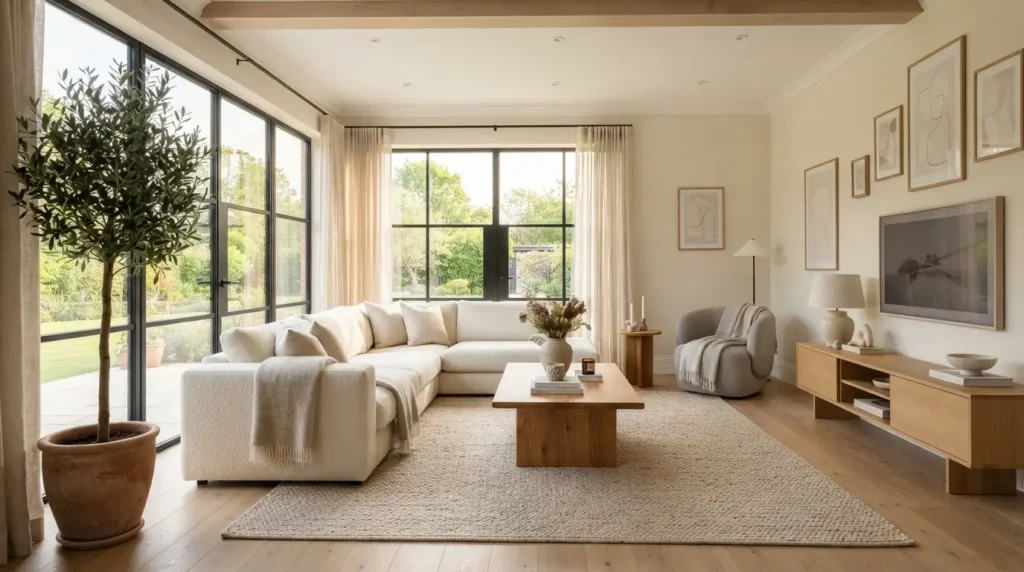
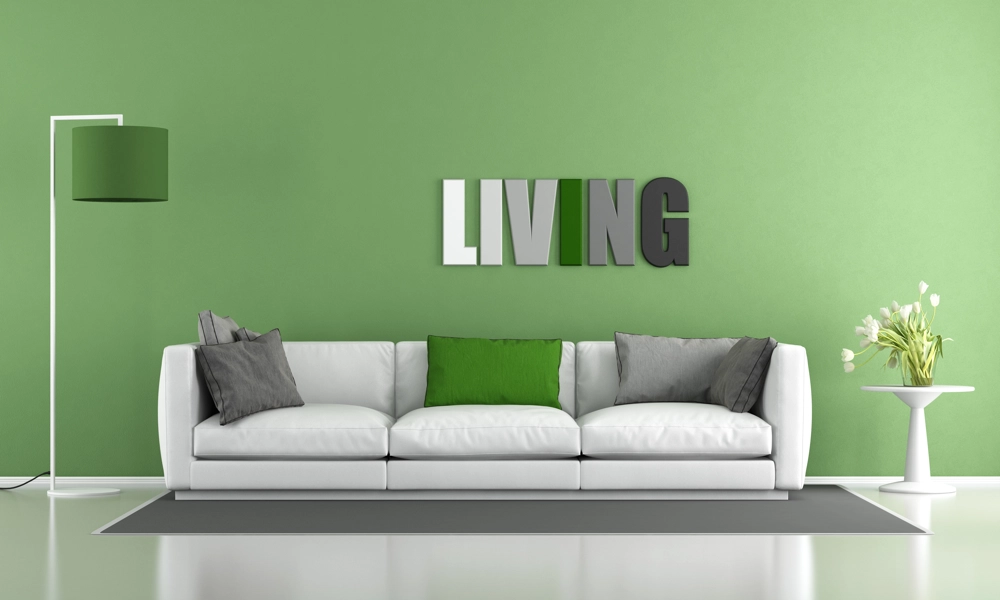
Modern interiors continue to evolve, but one thing remains consistent: simplicity with purpose. A modern living room doesn’t have to be an empty or cold space. Instead, it focuses on clean lines, balanced colours, and furniture that is both beautiful and functional.
Start with a neutral color palette such as white, beige, soft gray, or warm taupe. These colors create a calm foundation that allows decorative pieces to stand out naturally.
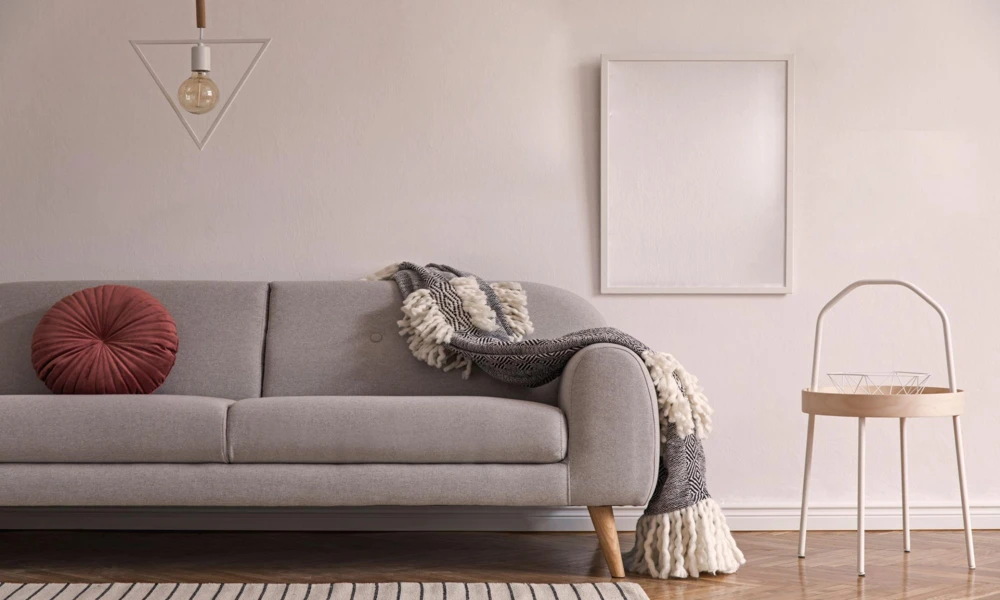
Choose furniture with simple silhouettes rather than bulky designs. A streamlined sofa paired with minimalist coffee tables instantly makes a room feel more spacious.
Layer different textures to avoid a flat appearance. Combine linen cushions, knitted throws, wooden furniture, and woven baskets to create depth without adding clutter.
Natural light also plays a major role in modern living room decor. Replace heavy curtains with sheer panels whenever possible and position mirrors opposite windows to reflect daylight throughout the room.
Modern Decorating Tips
- Keep decorative accessories minimal.
- Choose furniture with exposed legs to create a sense of openness.
- Mix natural materials like wood, stone, and glass.
- Add greenery using indoor plants.
- Use black accents for subtle contrast.
Modern spaces feel best when every piece serves a purpose instead of simply filling space.
Small Living Room Decorating Ideas
A small living room doesn’t have to feel cramped. In fact, thoughtful decorating often makes compact spaces appear larger and more inviting than oversized rooms.
The secret is maximising every square foot.
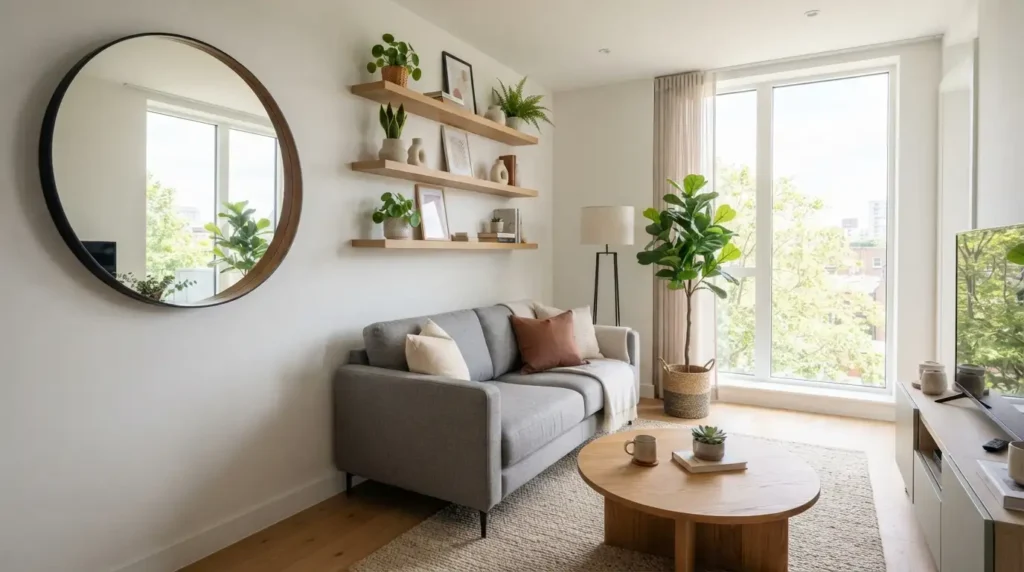
Begin by selecting furniture that’s appropriately scaled for the room. Instead of oversized sectionals, choose a loveseat or compact sofa paired with accent chairs that can easily be moved around.
Wall-mounted shelves free valuable floor space while providing additional storage for books, plants, or decorative accessories.
Mirrors remain one of the oldest and most effective interior design tricks. A large mirror reflects both natural and artificial light, instantly making the room feel more open.
Storage furniture is another game changer. Ottomans with hidden compartments or coffee tables featuring drawers help keep everyday clutter out of sight.
Best Decorating Ideas for Small Living Rooms
- Use light-colored walls.
- Choose multi-functional furniture.
- Add floating shelves.
- Keep walkways open.
- Hang curtains close to the ceiling.
- Use one large rug instead of several smaller ones.
- Avoid overcrowding with too many decorative items.
Remember, space is part of good design. Giving furniture room to breathe creates a cleaner, more comfortable environment.
Cosy Living Room Ideas for Everyday Comfort
A beautiful room should also feel comfortable. Creating a cosy atmosphere isn’t about filling every corner with decorations. It’s about designing a space that encourages people to relax and stay a while.
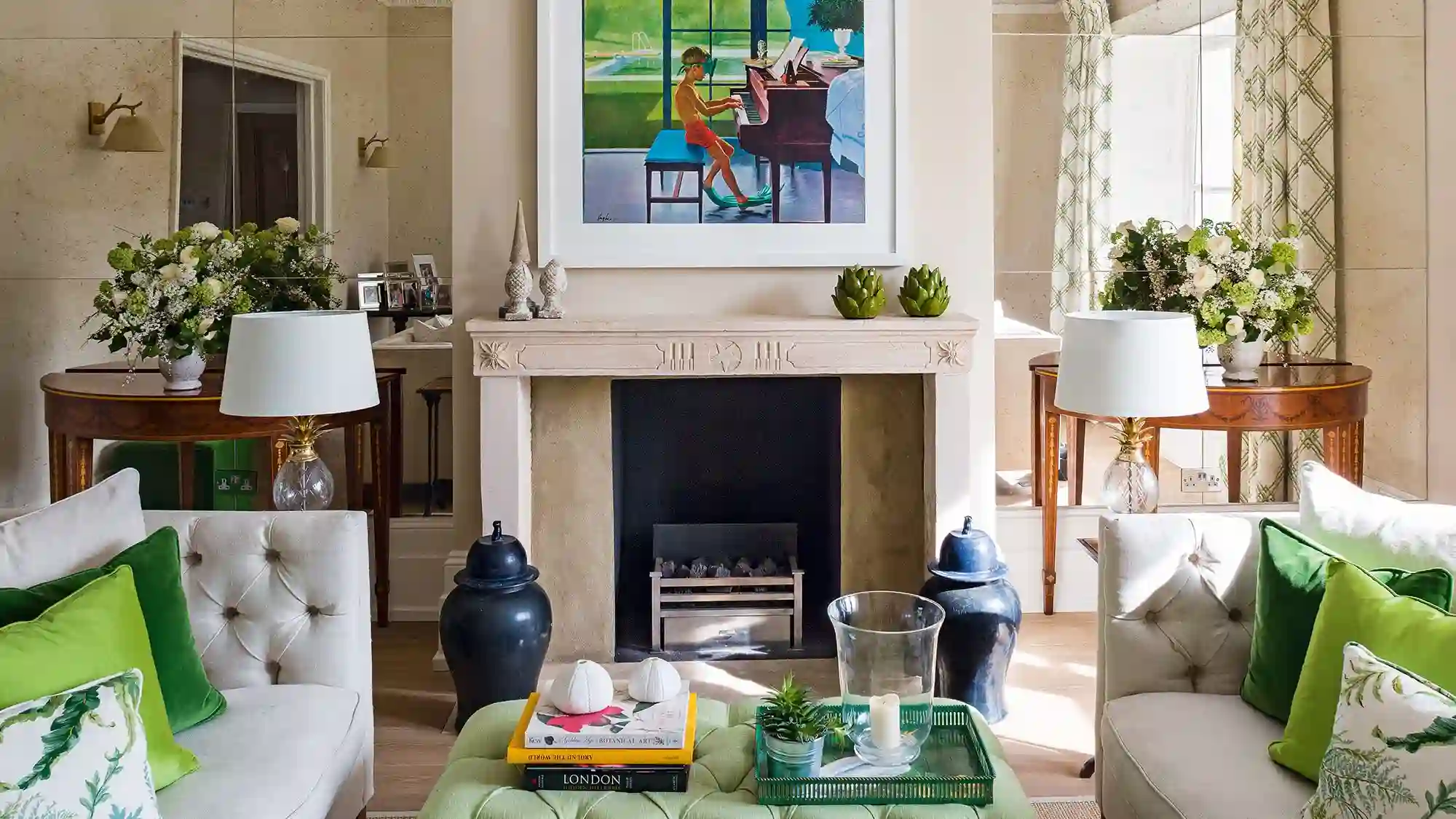
Start with soft textiles. Layer throw blankets over sofas and mix cushions in different sizes and fabrics. Velvet, boucle, linen, and knitted textures all add warmth without overwhelming the space.
Lighting is equally important. Instead of relying solely on one ceiling fixture, combine table lamps, floor lamps, and warm LED bulbs to create softer lighting during evenings.
Natural materials help make a room feel lived-in and welcoming. Wooden furniture, woven baskets, ceramic vases, and indoor plants all contribute to a comfortable atmosphere.
Adding personal touches also makes a significant difference.
Display travel souvenirs, family photos, favourite books, or artwork that reflects your personality. A well-designed living room should feel unique not like a furniture showroom.
Easy Ways to Make Any Living Room Feel Cosier
- Add oversized throw blankets.
- Use warm lighting instead of cool white bulbs.
- Introduce layered textures.
- Decorate with candles and natural scents.
- Include indoor plants for freshness.
- Choose soft area rugs under seating.
Comfort and style should always work together.
Perfect. Let’s write this like a premium SEO article for TheLivingScope.
Living Room Furniture Ideas That Balance Style and Function
Furniture is the foundation of every well-designed living room. Even the most beautiful paint colours or decorative accessories won’t have the desired impact if the furniture doesn’t suit the space.
Before purchasing anything, think about how your living room is actually used. Is it primarily for entertaining guests, spending time with family, watching movies, or simply relaxing after work? The answer should guide every furniture choice you make.
A comfortable sofa is usually the centrepiece of the room. Choose one that complements your available space rather than selecting the biggest option in the showroom. In larger rooms, a sectional sofa can help define the seating area, while compact apartments often benefit from a sleek three-seater or loveseat.
A coffee table should be both practical and visually balanced. Round tables work well in smaller spaces because they improve movement, while rectangular tables pair nicely with larger seating arrangements.
Accent chairs are another excellent way to add personality. Rather than matching everything perfectly, mix materials and textures for a more curated appearance.
Storage furniture can also serve multiple purposes. Media consoles, bookshelves, storage benches, and ottomans help reduce clutter while adding style.
Smart Living Room Furniture Tips
- Choose furniture that matches your room size.
- Leave enough walking space between furniture pieces.
- Mix wood, fabric, and metal finishes for depth.
- Invest in one high-quality statement piece instead of several inexpensive items.
- Prioritise comfort as much as appearance.
Good furniture doesn’t simply fill a room it improves how the room functions every day.
Living Room Wall Decor Ideas
Walls often become the most overlooked part of a living room. Decorating them thoughtfully can completely transform the atmosphere without changing any furniture.
One of the easiest ways to create visual interest is by designing a gallery wall. Combine framed artwork, family photographs, prints, or travel memories while maintaining a consistent color palette for a cohesive look.
Large statement artwork also works beautifully, especially in modern interiors. Instead of hanging several small frames, one oversized piece can become the room’s focal point.
Floating shelves offer both decoration and storage. Style them with books, ceramic vases, candles, small plants, and meaningful objects. The key is leaving enough empty space so the shelves don’t appear cluttered.
Mirrors remain one of the most versatile decorating tools. Besides reflecting light, they create the illusion of a larger room, making them especially valuable in apartments or compact homes.
If you want additional texture, consider decorative wall panels, wooden slats, wallpaper, or textured paint finishes. These subtle details create depth without overwhelming the room.
Popular Living Room Wall Decor Ideas
- Oversized canvas art
- Gallery walls
- Decorative mirrors
- Floating shelves
- Wall sconces
- Wooden wall panels
- Textured wallpaper
- Botanical artwork
Remember that not every wall needs decoration. Strategic empty space helps highlight your favorite pieces.
Contemporary Living Room Design Tips
A contemporary living room differs slightly from modern design. While modern interiors follow a specific design movement, contemporary style evolves with current trends while maintaining timeless appeal.
The focus should remain on simplicity, comfort, and clean aesthetics.
Neutral colours continue to dominate, but contemporary spaces often include bold accent colors through artwork, cushions, rugs, or decorative objects.
Curved furniture has become increasingly popular because it softens the appearance of straight architectural lines.
Lighting deserves special attention. Layering ceiling fixtures, table lamps, floor lamps, and accent lighting creates warmth while making the room feel professionally designed.
Natural materials continue to be an important feature. Stone coffee tables, oak furniture, linen upholstery, woven baskets, and indoor plants introduce texture while keeping the space grounded.
Contemporary Design Principles
- Keep layouts open and uncluttered.
- Mix textures instead of excessive colors.
- Add sculptural lighting fixtures.
- Use organic shapes alongside clean lines.
- Incorporate greenery for freshness.
Rather than chasing every trend, focus on creating a timeless room that can easily evolve over the years.
Budget-Friendly Living Room Makeover Ideas
A stylish living room doesn’t require a large renovation budget. Small improvements often create the biggest visual impact.
Start by rearranging your existing furniture. Simply changing the layout can improve traffic flow and make the room feel completely different.
Painting remains one of the most affordable transformations. Fresh neutral walls instantly brighten older spaces and create a modern foundation for decorating.
Replace outdated cushions with newer fabrics featuring subtle textures or seasonal colors. Layering throws also adds warmth while refreshing older furniture.
Lighting upgrades are another inexpensive improvement. Replacing dated lampshades or adding a stylish floor lamp can dramatically improve the mood of the room.
Decorative accessories such as woven baskets, indoor plants, candles, and books create personality without requiring major investment.
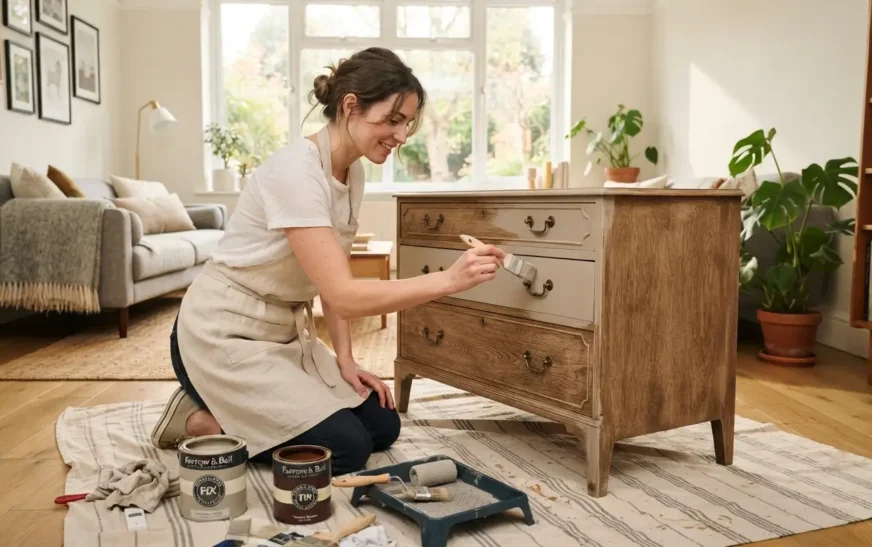
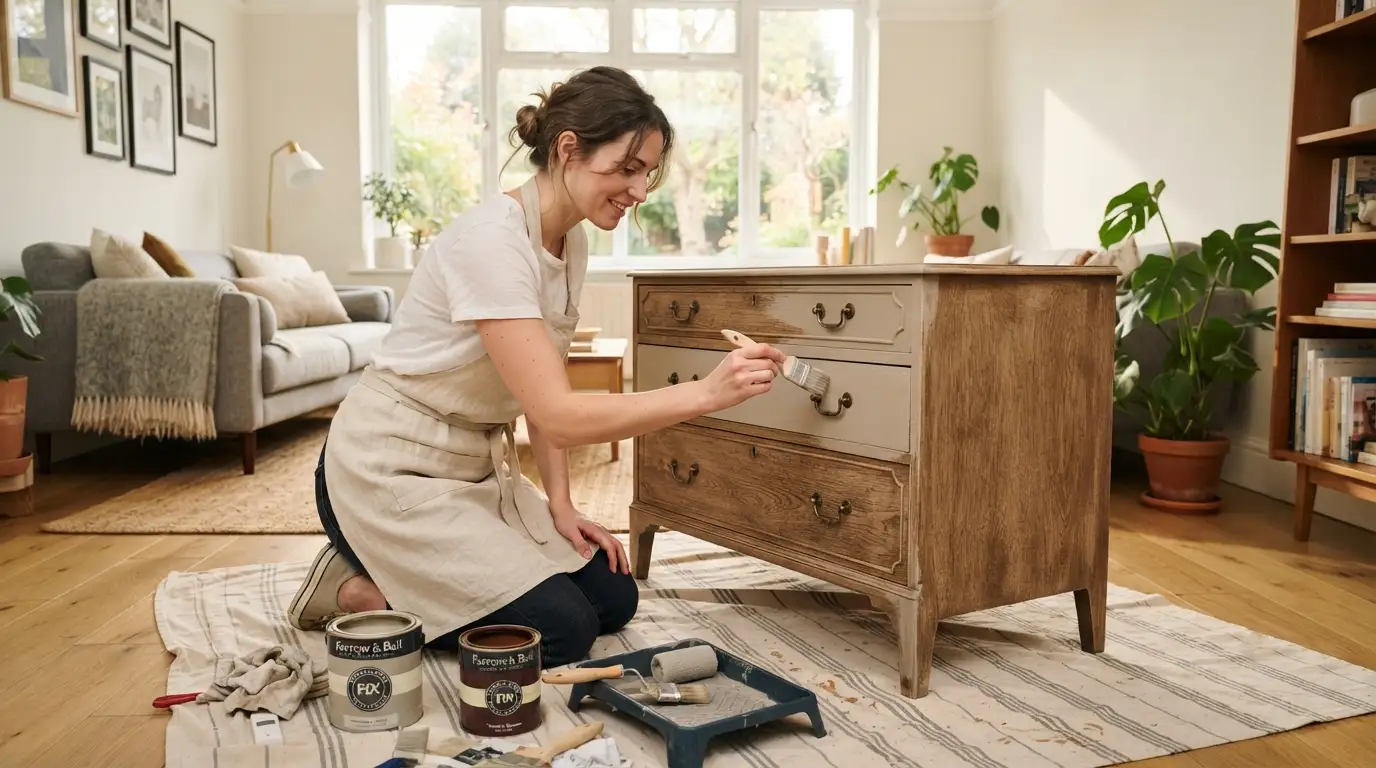
If replacing furniture isn’t possible, consider updating cabinet hardware, painting side tables, or refinishing wooden furniture.
Budget Decorating Checklist
- Rearrange furniture.
- Paint walls.
- Replace throw pillows.
- Add indoor plants.
- Upgrade lighting.
- Introduce new artwork.
- Style bookshelves.
- Use decorative trays.
- Refresh area rugs.
- Declutter every surface.
Sometimes removing unnecessary items creates a bigger improvement than buying new ones.
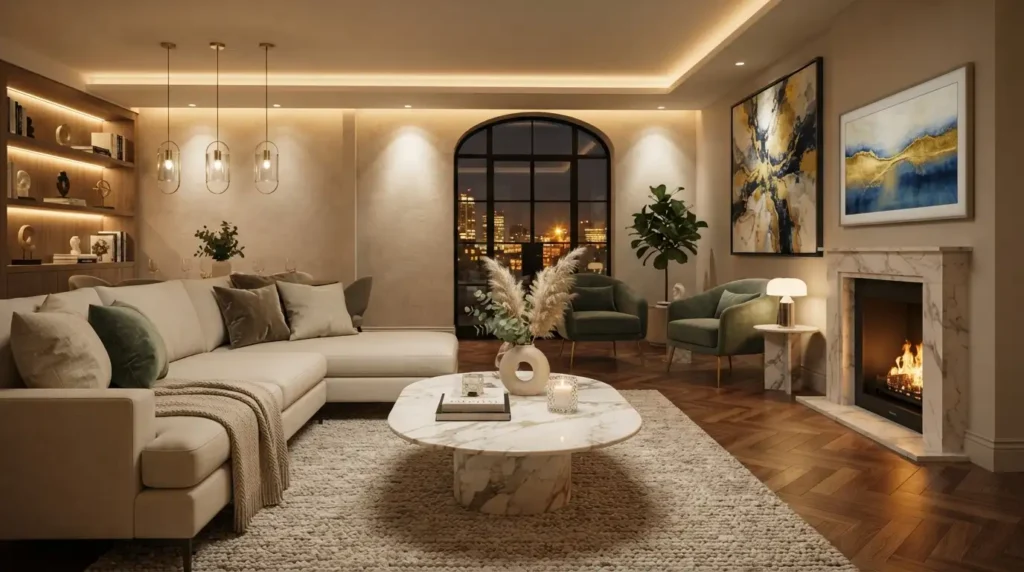
Common Living Room Decorating Mistakes to Avoid
Even beautifully decorated homes can lose their appeal because of a few common design mistakes.
Buying Furniture That’s Too Large
Oversized furniture quickly overwhelms a room and limits movement.
Ignoring Lighting
A single ceiling light rarely creates a welcoming atmosphere. Layer multiple light sources instead.
Pushing Furniture Against Every Wall
Leaving slight gaps often makes the room feel larger and encourages better conversation.
Choosing Everything From One Furniture Collection
Perfectly matching furniture can appear flat and uninspiring. Mixing finishes creates a more natural designer look.
Hanging Artwork Too High
Artwork should generally be displayed at eye level to maintain visual balance.
Decorating Every Surface
Empty space is an important part of good interior design. Avoid filling every shelf and tabletop with decorative objects.
Ignoring Scale
Tiny accessories disappear in large rooms, while oversized decor overwhelms smaller spaces. Balance proportions carefully.
Frequently Asked Questions
What is the best way to decorate a living room?
The best approach is to start with a clear design style, such as modern, contemporary, or traditional. Choose a neutral base, invest in comfortable furniture, layer different textures, and add personal touches like artwork, plants, and decorative accessories. A well-balanced room combines beauty with functionality.
How can I decorate my living room on a budget?
A budget-friendly makeover doesn’t always require new furniture. Painting the walls, rearranging your existing layout, adding new throw pillows, updating lighting, incorporating indoor plants, and styling shelves with books or decorative objects can completely refresh your space at a low cost.
What colors make a living room look bigger?
Light colors such as white, soft gray, cream, beige, and warm neutrals reflect more light, making a room feel larger and brighter. Pair these shades with mirrors and natural lighting to maximize the sense of space.
What is the latest trend in living room decorating?
Current trends focus on warm minimalism, curved furniture, natural materials, layered textures, earthy color palettes, sustainable decor, and multifunctional furniture. Instead of following short-lived trends, homeowners are choosing timeless designs that remain stylish for years.
How do I make my living room feel cozy?
A cozy living room combines comfortable seating, layered textiles, warm lighting, natural materials, and personal decorative elements. Adding soft rugs, throw blankets, indoor plants, and table lamps creates an inviting atmosphere that feels both stylish and relaxing.
What furniture should every living room have?
Most living rooms benefit from these essential pieces:
- Comfortable sofa
- Coffee table
- Accent chair (optional)
- TV unit or media console
- Area rug
- Side tables
- Floor or table lamps
- Storage cabinet or bookshelf
Choose furniture based on your available space rather than trying to fill every corner.
Final Thoughts
The best living room decorating ideas are the ones that suit your lifestyle not just what’s trending. Focus on creating a space where family gathers, conversations happen naturally, and you genuinely enjoy spending time.
Whether you’re decorating a brand-new home, updating an apartment, or simply refreshing your current space, small changes can make a remarkable difference. Thoughtfully selected furniture, layered lighting, meaningful wall decor, and carefully chosen accessories all work together to create a room that feels welcoming every day.






1 Comment
[…] Natural materials: Rattan, boucle, and solid wood furniture continue to dominate modern living room decor because they age well and pair with almost any color […]