



Water is one of the most important elements needed for a healthy life. Every cell, tissue, and organ in the human body depends on water to function properly. Yet many people do not drink enough water throughout the day, often replacing it with sugary drinks or forgetting hydration completely.
Understanding the benefits of drinking water can help you make better daily habits and improve your overall health. Even mild dehydration can reduce concentration, lower energy levels, and affect physical performance. Drinking enough water supports digestion, brain function, body temperature, and many other vital processes.
In this guide, you will discover the science-based health benefits of drinking water, how hydration supports your body, and why maintaining proper water intake is essential for daily life.
Improves Brain Function and Mental Focus
The human brain contains a high percentage of water, which makes hydration essential for mental performance. Even a small drop in hydration levels can affect thinking ability, concentration, and mood.
When the body lacks enough water, the brain has to work harder to perform basic tasks. This often leads to symptoms such as headaches, confusion, and reduced attention span. Students and professionals who stay hydrated usually perform better in tasks that require memory and focus.
Drinking water regularly helps maintain oxygen flow to the brain. This improves alertness and supports better decision-making. Many people notice improved productivity when they increase their daily water intake.
Another important factor is that dehydration can increase feelings of stress and anxiety. Staying hydrated helps maintain emotional balance and supports overall mental health. If you often feel tired while working or studying, drinking water may help improve your concentration and mental clarity.
Boosts Energy Levels and Reduces Fatigue
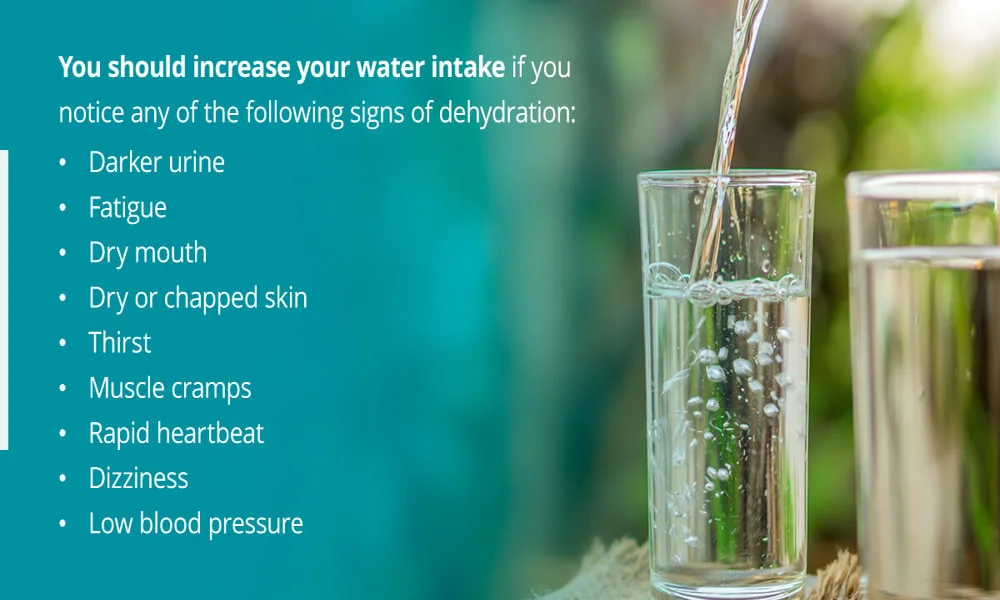
One of the earliest signs of dehydration is fatigue. When the body does not receive enough water, blood volume decreases, making it harder for oxygen and nutrients to reach muscles and organs. This leads to tiredness and weakness.
Drinking enough water helps maintain normal circulation, which allows the body to produce energy efficiently. People who stay hydrated often feel more active and less tired throughout the day.
Water also plays an important role in maintaining stamina. During physical activities such as walking, exercising, or working outdoors, the body loses water through sweat. Replacing this lost fluid prevents exhaustion and keeps energy levels stable.
If you frequently feel low on energy, especially during the afternoon, dehydration might be the cause. Drinking a glass of water instead of sugary drinks can quickly refresh your body and improve performance.
Supports Healthy Digestion
Water is essential for proper digestion and nutrient absorption. It helps break down food so that nutrients can be absorbed into the bloodstream. Without enough water, the digestive system cannot function efficiently.
One of the most common digestive problems caused by dehydration is constipation. When the body lacks water, the intestines absorb extra water from food waste, making stool hard and difficult to pass. Drinking enough water keeps stool soft and supports smooth bowel movements.
Water also helps produce saliva, which begins the digestion process in the mouth. It supports stomach function and helps move food through the digestive tract.
Good hydration improves gut health and supports regular digestion. People who drink enough water daily often experience fewer digestive issues and better overall comfort after meals.
Maintains Body Temperature
Water plays a major role in regulating body temperature. The human body naturally produces heat during daily activities and physical movement. To prevent overheating, the body releases sweat, which cools the skin as it evaporates.
When hydration levels are low, the body struggles to produce enough sweat. This increases the risk of overheating, especially during exercise or hot weather. Drinking water helps maintain a stable internal temperature and protects the body from heat-related problems.
Athletes and people working in warm environments need to pay special attention to hydration. Even moderate dehydration can affect performance and increase fatigue.
Proper hydration is also important during illness, especially when a fever is present. Drinking fluids helps regulate temperature and supports faster recovery.
Helps Remove Waste and Toxins
Water plays a vital role in removing waste products from the body. The kidneys rely on water to filter toxins and produce urine. Without enough water, waste materials remain in the body longer, which can lead to health problems.
Urination is one of the primary ways the body removes toxins. Drinking adequate water supports kidney function and helps prevent harmful substances from building up.
Water also helps remove waste through sweat and bowel movements. These natural processes keep the body clean and balanced.
Proper hydration reduces the risk of kidney stones by diluting minerals that could otherwise form solid crystals. It also supports liver function, which plays an important role in detoxification.
Maintaining hydration ensures that your body can efficiently eliminate waste and stay healthy.

Improves Skin Health and Appearance
Hydration has a noticeable effect on skin health. The skin is the largest organ in the body, and it requires water to maintain elasticity and softness.
When the body is dehydrated, the skin may appear dry, dull, or rough. Drinking enough water helps maintain moisture levels and supports skin repair.
Although water alone does not remove wrinkles, it helps improve skin texture and reduce dryness. Proper hydration also supports the natural barrier of the skin, protecting it from environmental damage.
Many people notice clearer and healthier-looking skin when they increase their daily water intake. Hydrated skin often looks brighter and more refreshed, giving a natural glow.
Maintaining hydration is one of the simplest ways to support healthy skin from the inside.
Supports Weight Loss and Metabolism
Drinking water can support weight management in several ways. One of the main benefits is appetite control. Drinking water before meals can create a feeling of fullness, helping reduce overeating.
Water also replaces high-calorie beverages such as sodas and sweetened juices. Choosing water instead of sugary drinks reduces calorie intake and supports healthier eating habits.
Another important benefit is improved metabolism. Some studies suggest that drinking water may temporarily increase metabolic rate, helping the body burn calories more efficiently.
Hydration also supports fat breakdown during physical activity. Without enough water, the body cannot efficiently process stored fat.
Adding water to your daily routine is a simple and effective way to support weight loss and maintain a healthy lifestyle.
Enhances Physical Performance
Proper hydration is essential for physical performance. During exercise, the body loses water through sweat. If this lost fluid is not replaced, dehydration can occur quickly.
Even mild dehydration can reduce strength, endurance, and coordination. Athletes who stay hydrated perform better and recover faster after workouts.
Water helps maintain muscle function and prevents cramps. It also supports joint lubrication, allowing smoother movement during physical activities.
People who exercise regularly should drink water before, during, and after workouts. This helps maintain stamina and prevents fatigue.
Whether you are an athlete or someone who enjoys light exercise, staying hydrated improves physical performance and supports muscle health.
Strengthens the Immune System
Water supports the immune system by helping remove toxins and maintaining proper circulation. When hydration levels are adequate, nutrients are delivered more efficiently to cells that protect the body from infections.
Hydration also helps maintain the moisture of mucous membranes in the nose and throat. These membranes act as barriers against harmful bacteria and viruses.
Dehydration weakens the body’s natural defense system, making it easier for infections to spread. Drinking enough water helps maintain balance and supports overall immune health.
During illness, staying hydrated becomes even more important. Fluids help regulate body temperature and support faster recovery.
Improves Heart and Circulation Health
Water plays an important role in maintaining healthy circulation. Blood contains a large amount of water, and proper hydration supports normal blood flow.
When the body lacks water, blood becomes thicker, making it harder for the heart to pump. This increases strain on the cardiovascular system.
Drinking enough water helps maintain blood volume and supports healthy oxygen delivery to organs and muscles. Proper circulation ensures that nutrients reach every part of the body efficiently.
Staying hydrated also helps regulate blood pressure and supports heart health over time.
Reduces Risk of Kidney Stones
Kidney stones are often caused by the buildup of minerals in the urinary system. Drinking enough water helps dilute these minerals, reducing the chance of crystal formation.
When water intake is low, urine becomes concentrated, increasing the risk of kidney stone development. Proper hydration keeps urine diluted and supports kidney health.
People who are prone to kidney stones are often advised to increase their water intake. Drinking enough water daily helps protect the kidneys and supports their natural filtering process.
Prevents Headaches and Migraines
Dehydration is a common trigger for headaches and migraines. When the body lacks water, blood flow to the brain may decrease, leading to pain and discomfort.
Drinking water helps restore fluid balance and may reduce headache severity. Many people experience relief from mild headaches after drinking water.
Hydration also prevents muscle tension, which can contribute to migraine symptoms. Maintaining regular water intake reduces the likelihood of dehydration-related headaches.
If headaches occur frequently, increasing water consumption may help reduce their frequency.
Frequently Asked Questions (FAQs)
What are the main benefits of drinking water?
The main benefits include improved digestion, better brain function, healthy skin, increased energy levels, and efficient waste removal from the body.
How much water should I drink daily?
Most adults are advised to drink around 6–8 glasses of water daily, but the exact amount depends on activity level, weather, and overall health.
Can drinking water improve skin?
Yes, proper hydration supports skin moisture and helps maintain a healthy appearance, although it should be combined with good skincare habits.
Does water help with weight loss?
Water can support weight loss by reducing appetite, replacing high-calorie drinks, and improving metabolism.
What happens if you don’t drink enough water?
Not drinking enough water can lead to dehydration, fatigue, headaches, digestive problems, and reduced physical and mental performance.
Conclusion
The benefits of drinking water go far beyond simply quenching thirst. Water supports nearly every function in the human body, including digestion, circulation, brain activity, and temperature regulation. Staying hydrated improves energy levels, supports healthy skin, and helps prevent common health problems such as kidney stones and headaches.
Developing the habit of drinking enough water each day is one of the simplest ways to improve your health and well-being. By understanding the importance of hydration and making water your primary beverage, you can support your body and maintain better long-term health.











1 Comment
[…] Lemonade or iced tea; an affordable house red or white; sparkling water for […]