


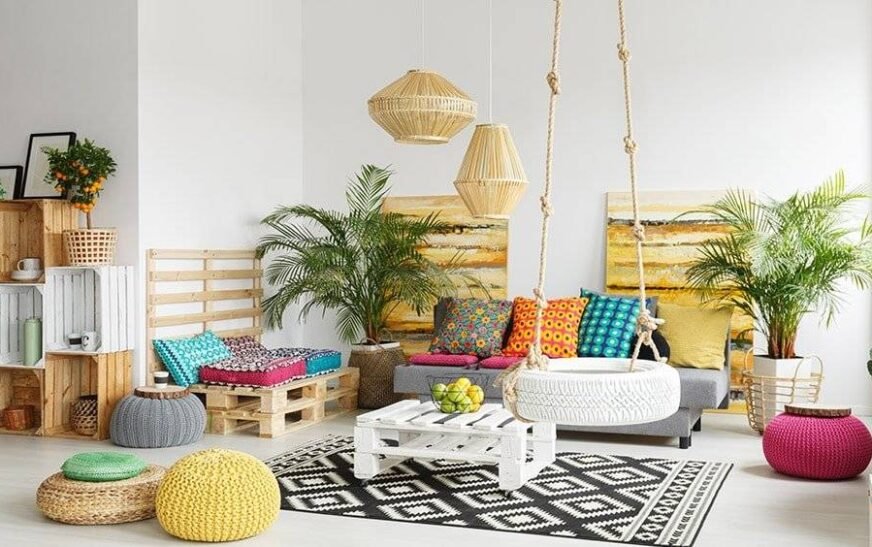
Have you ever looked at a beautifully decorated room or a custom-built shelf and thought, “I wish I could make something like that”? The good news is you absolutely can. DIY projects for beginners are easier, more affordable, and more rewarding than most people think.
Whether you want to refresh your living space, save money on home decor, or simply explore a new creative hobby, easy DIY projects give you the perfect starting point. From DIY ideas at home using everyday materials to simple crafts that cost less than a coffee, this guide will walk you through everything you need to know to get started with confidence.
In this article, you’ll discover beginner-friendly DIY ideas, essential tools, budget tips, common mistakes to avoid, and where to find unlimited inspiration. Let’s dive in.
What Are DIY Projects?
DIY stands for “Do It Yourself.” DIY projects are creative tasks you complete on your own without hiring professionals, using basic materials, tools, and your own skills. These can range from painting a picture frame to building a floating shelf, organising your desk, or even upcycling old furniture.
Why DIY Projects Are Becoming So Popular
Social media platforms like Pinterest and YouTube have made DIY culture explode in popularity. People are realising they don’t need to spend hundreds of dollars on home decor or storage solutions when they can create something unique, personalised, and far cheaper on their own. The rise of the “make it yourself” mindset reflects a growing desire for creativity, sustainability, and self-reliance.
Benefits of DIY Projects for Beginners
- Save money on home decor and furniture
- Learn practical, hands-on skills you’ll use for life
- Customise your home to match your personal style
- Enjoy a relaxing, screen-free creative hobby
- Boost confidence as you complete each project
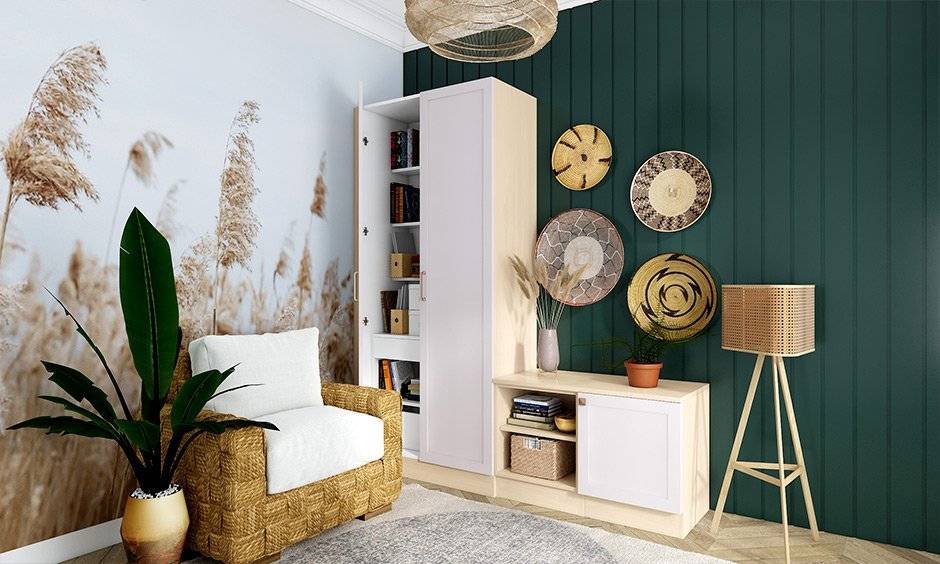
How to Start DIY Projects as a Beginner
Starting your first DIY project can feel overwhelming, but it doesn’t have to be. Here’s a beginner-friendly approach that sets you up for success from day one.
Start With Small and Easy Projects
Resist the urge to tackle a complex project right away. Begin with simple DIY projects like making a photo frame, decorating a storage box, or creating wall art. Small wins build momentum and sharpen your skills fast.
Choose Budget-Friendly Materials
You don’t need expensive supplies to get started. Dollar stores, thrift shops, and your own home are goldmines for affordable materials. Wood scraps, mason jars, cardboard, paint, and fabric scraps can go a long way in your first few beginner DIY ideas.
Learn Basic DIY Safety Tips
Before picking up any tool, understand the basics: wear safety goggles when cutting or drilling, use gloves when handling rough materials, keep your workspace clean and clutter-free, and never rush a step. Safety is the foundation of every successful DIY home project.
Create a Simple Workspace at Home
You don’t need a garage workshop. A clear kitchen table, a corner of your bedroom, or a small outdoor space works perfectly for most beginner diy ideas. Lay down a protective mat, gather your materials, and you’re ready to go.
Essential DIY Tools Every Beginner Needs
You don’t need a toolbox full of gadgets. A small, well-chosen set of tools will handle 90% of beginner DIY projects. Here’s what to start with:
Basic Hand Tools
- Hammer for nails and light assembly
- Screwdriver set, both flathead and Phillips
- A measuring tape always measures before cutting or drilling
- Level ensures shelves and frames hang straight
- A utility knife is great for scoring, cutting foam, or trimming materials
Simple Power Tools
As you grow more confident, a cordless drill (brands like DeWalt and Ryobi offer excellent beginner options) and a hot glue gun become incredibly useful. These two tools alone open up dozens of new DIY home project possibilities.
Safety Equipment
- Safety goggles protect your eyes from dust and debris
- Work gloves prevent cuts and splinters
- A dust mask is essential when sanding or painting indoors
Easy DIY Projects for Beginners to Try at Home
Here are five popular, easy DIY room decor and organisation projects that are perfect for anyone just starting out. Each uses affordable materials and requires no advanced skills.
1. DIY Wall Art
Grab a canvas, some acrylic paint, and a few brushes. Abstract painting, geometric patterns, or simple quote art are all beginner-friendly and look stunning on any wall. This is one of the cheapest DIY projects you can try. Canvas sets often cost between $20 and $30
2. DIY Floating Shelves
Cut a piece of wood to your desired length, sand it smooth, stain or paint it, and attach floating shelf brackets from a hardware store. This DIY home project adds both storage and style to any room for well under $20.
3. DIY Storage Boxes
Repurpose old cardboard boxes or shoeboxes by covering them with decorative paper, fabric, or paint. These make stylish organisers for shelves or closets a classic example of cheap DIY upcycling.
4. DIY Desk Organiser
Gather a few empty tin cans or cardboard tubes, paint or wrap them with washi tape, and glue them together. You’ve got a custom desk organiser that’s functional, cute, and completely free to make with items you probably already have.
5. DIY Photo Frames
Buy inexpensive plain frames and personalise them with paint, buttons, shells, twine, or washi tape. Or build your own using popsicle sticks or thin wood trim pieces. DIY crafts for beginners don’t get simpler or more personal than this.
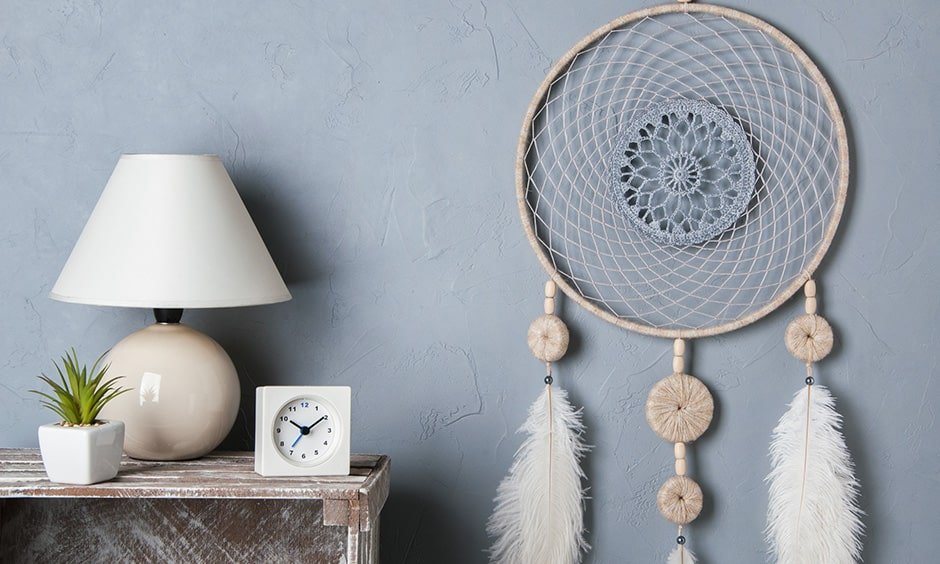
Budget-Friendly DIY Ideas That Save Money
Dollar Store DIY Projects
Dollar stores are a DIY beginner’s paradise. You can find picture frames, glass jars, baskets, craft supplies, and paint, all for $1–2 each. Combine a few items, and you have a completely custom home decor piece for under $5.
Recycled and Upcycled DIY Ideas
Upcycling is the art of turning something old or unwanted into something new and beautiful. Old wooden pallets become garden furniture. Wine bottles become vases. Worn jeans become a tote bag. Budget-friendly DIY doesn’t mean cheap-looking; it means resourceful and creative.
DIY Decor Using Old Household Items
Before buying anything, look around your home. Old ladders can become display shelves. Unused picture frames can be repurposed as a chalkboard. Mason jars become candle holders or planters. The best budget-friendly DIY ideas often cost absolutely nothing.
Common DIY Mistakes Beginners Should Avoid
Every beginner makes mistakes; that’s part of the learning process. But knowing these common pitfalls in advance will save you time, money, and frustration.
Starting Complicated Projects Too Early
Build your confidence and skill set with simple DIY projects first. Jumping into complex builds before mastering the basics leads to unfinished projects and wasted materials.
Ignoring Measurements
The classic rule in DIY is “measure twice, cut once.” Skipping measurements is the number one cause of wasted materials and projects that don’t fit together properly.
Buying Too Many Tools
It’s tempting to stock up on tools before you begin, but most beginner DIY home projects only need a handful of basics. Start small, and add tools as you actually need them for specific projects.
Skipping Safety Steps
Never skip safety equipment or rush through steps. Even the simplest project deserves your full attention. A small injury or mistake can set back your DIY journey significantly.
Tips to Make DIY Projects Look Professional
Use Proper Measurements
Precision creates a polished look. Always use a measuring tape and a pencil to mark before cutting, drilling, or glueing anything.
Sand and Finish Surfaces Properly
Sanding wood before painting or staining removes rough edges and creates a smooth, clean design that looks store-bought. It only takes a few extra minutes and makes a huge visual difference.
Choose Matching Colours and Materials
Stick to a consistent colour palette for any room or project. Cohesion between materials and tones is what separates DIY decor that looks professional from pieces that look “crafty.”
Keep Your Design Simple
Minimalism works in your favour as a beginner. Clean lines and simple forms are easier to execute and often look the most stylish. Don’t overcomplicate your first projects. A polished look comes from clean execution, not complexity.
Best Places to Find DIY Inspiration
Pinterest DIY Boards
Pinterest is arguably the best visual platform for DIY inspiration. Search any keyword like “beginner DIY ideas” or “cheap DIY projects”, and you’ll discover thousands of step-by-step images, project tutorials, and creative ideas organised into easy-to-browse boards.
YouTube DIY Tutorials
YouTube is your DIY classroom. Channels dedicated to DIY home projects and crafts provide full video walkthroughs so you can watch every step in real time. Watching someone complete a project first dramatically reduces the mistakes you make when you try it yourself.
DIY Blogs and Communities
Dedicated DIY blogs offer written tutorials with lists of materials, tips, and photos. Online communities like Reddit’s r/DIY are also fantastic for asking questions, sharing progress, and getting feedback from experienced makers.
FAQs About DIY Projects for Beginners
What is the easiest DIY project for beginners?
The easiest DIY project for beginners is DIY wall art. All you need is a canvas and some paint. It requires no tools, no cutting, and no precise measurements, just creativity. Other great starting points include decorating photo frames, making desk organisers from tin cans, and creating storage boxes from old shoeboxes.
What tools do beginners need for DIY projects?
Beginners need just a few basic hand tools: a hammer, a screwdriver set, a measuring tape, and a utility knife. A hot glue gun is also incredibly useful for craft-based projects. You don’t need power tools to start most simple DIY projects require none at all.
Are DIY projects cheaper than buying products?
In most cases, yes. DIY projects are significantly cheaper than buying finished products, especially for home decor and storage solutions. A DIY floating shelf can cost $10–15 in materials, while a comparable store-bought version might cost $60–80. The savings grow as you reuse tools and buy materials in bulk.
Can beginners do DIY projects without power tools?
Absolutely. Most beginner DIY ideas, including wall art, photo frames, desk organisers, storage boxes, and fabric crafts, require zero power tools. Even floating shelves can be installed with just a screwdriver and a drill (optional if you use adhesive mounting strips).
Conclusion
DIY projects for beginners are one of the most rewarding journeys you can take. They teach you practical skills, spark creativity, personalise your living space, and save you real money all at the same time.
The secret to success is simple: start small, stay safe, and be patient with yourself. Every expert DIYer was once a beginner who made their first crooked shelf or uneven painting and kept going anyway. Practice builds confidence, and confidence turns into genuine craftsmanship.
Ready to begin? Pick one project from this list, gather your materials, and take that first step today. Try your first DIY project today and explore more easy DIY ideas for beginners to keep the creativity going!






2 Comments
[…] DIY home improvement refers to the practice of renovating, repairing, decorating, or upgrading your home using your own time, skills, and effort rather than outsourcing to professional contractors. […]
[…] reliable toolkit rather than buying tools project by project. Here’s what covers almost every beginner DIY project on this […]