


What Is Women’s Health?
Women’s health refers to the branch of medicine that focuses on the diagnosis, treatment, and prevention of conditions that are unique to, or more prevalent in, women. It encompasses far more than reproductive care, covering physical, mental, emotional, hormonal, and social well-being across every decade of a woman’s life.
According to the World Health Organization (WHO), women’s health is “a state of complete physical, mental, and social well-being, not merely the absence of disease.” It addresses conditions specific to women’s biology and those that affect women differently from men.
Women experience unique health challenges tied to hormonal cycles, reproductive biology, and societal pressures. Conditions like PCOS, endometriosis, and postpartum depression affect women exclusively or disproportionately. Meanwhile, diseases like heart disease and depression manifest differently in women than in men, making gender-specific healthcare essential.
The Mayo Clinic emphasizes that a healthy lifestyle is the cornerstone of women’s wellness, including balanced nutrition, regular physical activity, stress management, and routine preventive screenings. Together, these form the foundation of long-term health and disease prevention.
Why Women’s Health Matters
Investing in women’s health is not just a personal priority; it is a global imperative. Women represent half the world’s population and are the primary caregivers in most families, making their health a multiplier for broader societal well-being.
Quality of Life: Good health enables women to pursue education, careers, and relationships with full vitality and energy.
Disease Prevention: Routine care and healthy habits can prevent or detect heart disease, cancer, and diabetes at the earliest possible stage.
Family Health Impact: A healthy mother directly improves child nutrition, mental health, and overall family wellness outcomes.
Social and Economic Value: The WHO emphasizes that women’s health is essential for full social and economic participation in society. When women are healthy, communities thrive.
Research shows that gender disparities in healthcare access lead to worse outcomes for women. Women are more likely to be misdiagnosed for heart attacks, underrepresented in clinical trials, and less likely to seek mental health support due to stigma. Addressing these gaps begins with education and awareness.
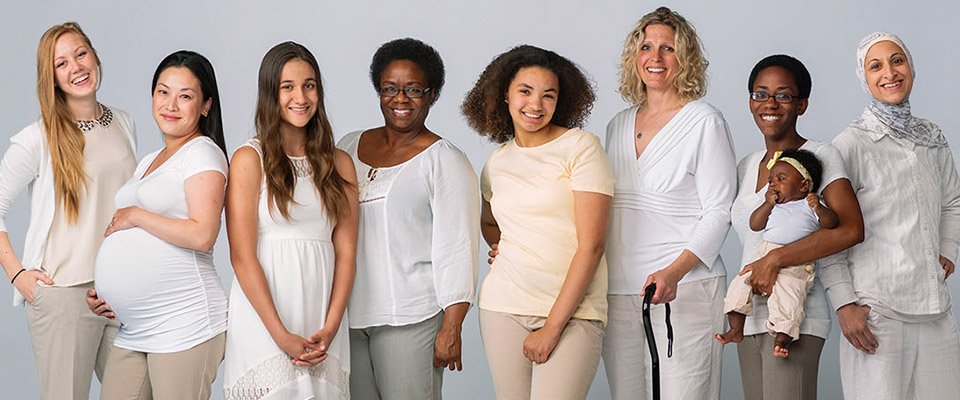
Key Components of Women’s Health
Women’s health is multidimensional. A truly healthy woman is thriving across several interconnected domains: physical, reproductive, mental, and hormonal. Let’s break each one down.
Physical Health
Physical health forms the bedrock of overall wellness. For women, this means maintaining a healthy body weight, building and preserving muscle and bone density, and staying cardiovascularly fit throughout life.
Fitness and Movement: Regular physical activity reduces the risk of heart disease, type 2 diabetes, and certain cancers. Women benefit from a mix of cardio, strength training, and flexibility work.
Healthy Weight: Maintaining a BMI between 18.5 and 24.9 reduces hormonal imbalances and inflammation. However, body composition matters more than weight alone.
Bone Health: Women are up to four times more likely than men to develop osteoporosis. Peak bone mass is built in the 20s, making calcium and Vitamin D intake critical from an early age. Weight-bearing exercises like walking, dancing, and resistance training significantly strengthen bone density and reduce fracture risk, especially important after menopause.
Reproductive Health
Reproductive health covers a woman’s ability to have a safe, satisfying sex life and to choose if, when, and how often to have children. It is one of the most complex and evolving areas of women’s healthcare.
Menstrual Cycle: A healthy cycle typically ranges from 21 to 35 days. Irregular, painful, or absent periods can signal underlying conditions like PCOS or thyroid disorders.
Fertility: Fertility peaks in the mid-20s and gradually declines after age 35. Factors like weight, stress, smoking, and chronic illness all affect ovarian function.
Pregnancy: A healthy pregnancy requires prenatal care, folic acid supplementation, and monitoring for conditions like gestational diabetes and preeclampsia.
Menopause: Typically occurring between ages 45 and 55, menopause marks the end of menstrual cycles. Hormonal shifts during this transition affect bone density, mood, cardiovascular risk, and sleep quality.
Mental and Emotional Health
Women are nearly twice as likely as men to experience depression and anxiety, largely due to hormonal fluctuations, societal pressures, and life transitions. Mental health is not a luxury it is a clinical necessity.
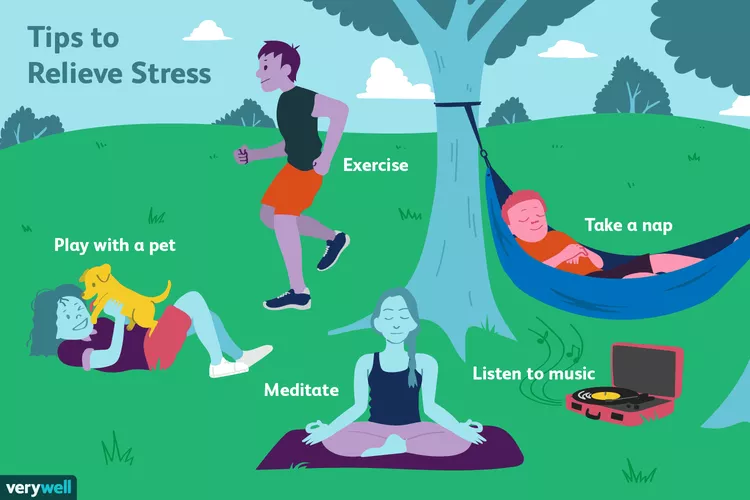
Stress: Chronic stress elevates cortisol levels, disrupting sleep, digestion, immunity, and hormonal balance. Mindfulness, healthy boundaries, and regular movement are evidence-based tools for managing stress effectively.
Anxiety: Generalized anxiety disorder affects women at double the rate of men. Cognitive behavioral therapy (CBT) and lifestyle interventions show strong clinical results.
Depression: This includes postpartum depression, premenstrual dysphoric disorder (PMDD), and perimenopausal depression. Early recognition and treatment are critical for recovery and quality of life.
Hormonal Health
Hormones act as the body’s chemical messengers, regulating everything from metabolism and mood to fertility and sleep. For women, the primary hormones of concern are estrogen, progesterone, testosterone, thyroid hormones, cortisol, and insulin.
Signs of Hormonal Imbalance in Women: Irregular periods, unexplained weight gain, persistent fatigue, hair thinning, mood swings, low libido, and difficulty sleeping. These warrant a hormonal panel test with your doctor.
Common hormonal conditions in women include hypothyroidism (underactive thyroid), polycystic ovary syndrome (PCOS), and adrenal dysfunction. Working with an endocrinologist or gynecologist ensures proper diagnosis and management.
Women’s Health Across Life Stages
A woman’s health needs evolve dramatically from adolescence through older age. Understanding what your body requires at each stage empowers proactive, preventive care rather than reactive treatment.
Adolescence: Puberty and Period Health
Puberty begins between the ages of 8 and 13, triggering breast development, menstruation, and rapid growth. Establishing healthy nutrition, sleep habits, and emotional literacy at this stage builds lifelong resilience. Iron intake becomes critical once periods begin, and HPV vaccination is recommended between ages 9 and 12. Educating young women about their menstrual cycle removes shame and enables early identification of problems like dysmenorrhea or irregular periods.
Reproductive Years: Fertility and Pregnancy
These are peak reproductive years spanning the 20s and 30s. Women should prioritize fertility awareness, regular OB-GYN visits, Pap smears every three years from age 21, and STI screening. For those planning pregnancy, preconception care, including folic acid and iron supplementation, is essential. This period is also when PCOS and endometriosis are most frequently diagnosed and treated.
Midlife and Menopause: Hormonal Changes
Perimenopause typically begins in the mid-40s. Estrogen levels drop, leading to irregular periods, hot flashes, mood changes, and accelerated bone loss. This is the critical window for bone density screenings, annual mammograms from age 40, cardiovascular risk assessment, and discussing hormone replacement therapy (HRT) options with a qualified gynecologist.
Older Age: Bone and Heart Health
Post-menopause, women face increased risk of osteoporosis, heart disease, and cognitive decline. DEXA bone density scans from age 65, annual heart health assessments, blood pressure control, and social engagement for cognitive health become the priorities. Balance training and fall prevention exercises are also crucial as fracture risk rises significantly after 65.
Common Women’s Health Problems
While women can develop virtually any health condition, several disproportionately affect or uniquely manifest in women. These are among the top health risks identified by the Mayo Clinic.
Heart Disease
Heart disease is the leading cause of death in women worldwide, yet it remains chronically underdiagnosed. Women’s symptoms often differ from men’s; instead of classic chest pain, women may experience fatigue, jaw pain, nausea, or shortness of breath. Risk factors include high blood pressure, high cholesterol, smoking, obesity, and diabetes. Every woman should know her numbers and discuss cardiovascular risk with her doctor from age 40 onward.
Breast Cancer
Breast cancer is the most common cancer in women globally. Annual mammograms from age 40, or earlier for high-risk individuals, and monthly breast self-exams are the gold standard for early detection. Genetic testing for BRCA1 and BRCA2 mutations may be recommended for women with a strong family history of breast or ovarian cancer.
Polycystic Ovary Syndrome (PCOS)
PCOS affects approximately 10% of women of reproductive age and is a leading cause of female infertility. Symptoms include irregular periods, excess androgen levels causing acne and unwanted hair growth, and multiple cysts on the ovaries. Lifestyle modifications, particularly a low-glycemic diet and regular exercise, are the first-line interventions, often alongside hormonal or insulin-sensitizing medications.
Thyroid Disorders
Women are 5 to 8 times more likely than men to develop thyroid problems. Hypothyroidism causes fatigue, weight gain, and depression, while hyperthyroidism leads to weight loss, anxiety, and rapid heartbeat. A simple TSH blood test diagnoses both conditions, and treatment is highly effective once identified.
Anemia
Iron-deficiency anemia is extremely common in women of reproductive age due to monthly menstrual blood loss. Symptoms include extreme fatigue, pale skin, brittle nails, and shortness of breath. Increasing dietary iron intake through foods like red meat, lentils, and spinach, and using supplementation when needed, corrects the deficiency effectively.
Nutrition and Diet for Women’s Health
Food is medicine. Women’s nutritional needs differ from men’s across life stages, and many women are chronically deficient in key micronutrients. Here is what your body actually needs.
Iron: Replaces menstrual blood loss and prevents anemia. Best sources include red meat, lentils, spinach, and tofu—women aged 19 to 50 need 18 mg daily.
Calcium: Builds and maintains bone density. Best sources include dairy, kale, almonds, and fortified plant milks. Daily target is 1,000 to 1,200 mg.
Vitamin D: Enables calcium absorption and supports immunity and mood. The best sources are sunlight exposure, fatty fish, and egg yolks. The daily target is 600 to 800 IU.
Folate (Vitamin B9): Critical during pregnancy to prevent neural tube defects. Best sources include leafy greens, beans, and fortified grains. The target is 400 mcg daily, rising to 600 mcg during pregnancy.
Protein: Preserves muscle mass, especially post-menopause. Best sources include chicken, fish, eggs, and legumes. The target is 0.8 to 1 gram per kilogram of body weight daily.
Omega-3 Fatty Acids: Reduce inflammation and support heart and brain health. Best sources are salmon, walnuts, flaxseeds, and chia seeds.
Women following plant-based diets should be especially vigilant about Vitamin B12, iron, and zinc nutrients that are less bioavailable from plant sources. Pairing iron-rich foods with Vitamin C (such as spinach with lemon juice) dramatically improves absorption.
Exercise and Fitness for Women
The American College of Sports Medicine recommends that women get at least 150 minutes of moderate aerobic activity per week, plus two strength training sessions. Here is how to structure your fitness approach effectively.
Strength Training
Resistance training is arguably the most underutilized tool in women’s health. It preserves muscle mass, boosts metabolism, improves insulin sensitivity, and critically maintains bone density. Women should aim for 2 to 3 sessions per week, targeting all major muscle groups. Common myths about women “bulking up” from weights are simply not supported by science. Women lack the testosterone levels required for that outcome.
Cardiovascular Exercise
Cardio strengthens the heart, manages weight, reduces stress hormones, and improves sleep quality. Brisk walking, cycling, swimming, and dancing all qualify. High-intensity interval training (HIIT) delivers exceptional cardiovascular benefits in less time and is particularly effective for women managing hormonal imbalances.
Flexibility and Recovery
Yoga, stretching, and Pilates improve posture, reduce injury risk, and support pelvic floor health, especially important postpartum or during perimenopause. Rest days and quality sleep are equally important components of a sustainable, long-term fitness plan.
Preventive Care for Women
Prevention is always better than a cure. Routine screenings catch conditions early when they are most treatable and least costly. Every woman should know her recommended screening schedule.
Annual well-woman exam: Blood pressure, weight, and overall health review with your primary care doctor or OB-GYN.
Pap smear: Every 3 years from age 21, or every 5 years with HPV co-testing from age 30.
Mammogram: Annually from age 40. Earlier screening is recommended for women with a family history of breast cancer.
Bone density scan (DEXA): From age 65, or earlier if you have risk factors like long-term steroid use or early menopause.
Cholesterol check: Every 5 years from age 20, more frequently if risk factors are present.
Blood glucose and diabetes screening: From age 35, or earlier if overweight or with a family history.
HPV and flu vaccines: HPV series recommended through age 26; annual flu shot for all women; COVID-19 boosters as recommended.
Mental health screening: Ask your doctor about depression and anxiety screening at your annual visit. It takes minutes and can be life-changing.
Supplements and Women’s Health
While food should always come first, targeted supplementation can fill nutritional gaps, especially during pregnancy, perimenopause, or when dietary restrictions apply. Always consult your healthcare provider before starting any supplement regimen.
Iron supplements: Essential for women with heavy periods, vegetarians, or confirmed iron-deficiency anemia. Ferrous sulfate is the most common form. Take with Vitamin C for better absorption and avoid taking it with calcium, which blocks iron uptake.
Calcium with Vitamin D: Supports bone density, especially post-menopause. Taking 500 mg twice daily is better absorbed than one large dose.
Women’s multivitamin: A quality multivitamin covers folate, B vitamins, and trace minerals. Look for methylated folate rather than synthetic folic acid for better bioavailability.
Magnesium: Supports sleep quality, reduces PMS symptoms, and helps regulate blood sugar. Magnesium glycinate is the best-tolerated form and is widely available.
Omega-3 fish oil: Reduces inflammation and supports cardiovascular and brain health. Look for at least 500 mg of combined EPA and DHA per serving.
Probiotics: Support gut health, immune function, and vaginal microbiome balance. Strains like Lactobacillus rhamnosus are particularly beneficial for women’s health, specifically.
Always choose supplement brands with third-party testing certification, look for USP, NSF, or Informed Sport verified seals, and discuss potential interactions with any prescription medications you currently take.
Women’s Health Tips by Age
Your health priorities should shift as you move through life’s stages. Here are actionable, age-specific recommendations tailored to your decade.
In Your 20s: Build the Foundation
Your 20s are the time to establish habits that will protect you for decades. Establish a regular exercise routine, get your first Pap smear at 21, and begin building bone density through calcium, Vitamin D, and weight-bearing exercise. Prioritize sleep hygiene; 7 to 9 hours is non-negotiable for hormonal health. Manage stress proactively, as chronic stress in your 20s can affect fertility later. Get the HPV vaccine if you have not already, as it is recommended through age 26.
In Your 30s: Optimize and Prepare
If planning a family, begin preconception care, including folate, iron, and prenatal visits. Screen for PCOS, thyroid disorders, and iron deficiency if symptoms appear. Add strength training to your routine, as metabolism begins to slow and muscle preservation becomes increasingly important. Prioritize mental health. Women in their 30s face high rates of anxiety and burnout. Get a baseline cholesterol and blood pressure check at age 30.
In Your 40s: Navigate Hormonal Change
Begin annual mammograms at 40, as this is the decade when breast cancer risk rises significantly. Watch for perimenopause signs, including irregular periods, hot flashes, sleep changes, and mood shifts. Prioritize bone health through calcium, Vitamin D, and weight-bearing exercise. Shift your diet focus: reduce refined carbohydrates, increase fiber, and phytoestrogens found in soy and flaxseeds. Consider discussing hormone replacement therapy (HRT) options with your gynecologist.
In Your 50s and Beyond: Protect and Thrive
Get a DEXA bone density scan, as osteoporosis risk rises sharply post-menopause. Prioritize heart health through annual blood pressure, cholesterol, and blood sugar monitoring. Stay socially connected, as loneliness significantly increases dementia and depression risk in older women. Focus on protein intake of 1 to 1.2 grams per kilogram of body weight to preserve muscle mass. Begin colorectal cancer screenings from age 45 to 50. Cognitive exercises, including reading, puzzles, and learning new skills, support long-term brain health.
Daily Self-Care Habits for Women
Small daily habits compound into extraordinary long-term health outcomes. Here is an evidence-based daily routine framework for women at any age.
Morning: Wake and hydrate with 500ml of water before anything else. Get 10 to 20 minutes of natural sunlight for Vitamin D production. Eat a high-protein, balanced breakfast. Spend 5 minutes on mindfulness or journaling to set a calm mental tone.
Midday: Move for at least 5 minutes every 60 to 90 minutes if you work at a desk. Eat an iron or calcium-rich lunch. Take short, deep breathing breaks to lower cortisol throughout the afternoon. Avoid caffeine after 2 pm to protect sleep quality.
Evening: Eat a light dinner 2 to 3 hours before sleep. Create a wind-down routine that is screen-free for the final 30 to 60 minutes of the day. Maintain a consistent skincare and hygiene routine. Aim for 7 to 9 hours of quality sleep. This is when hormonal regulation, tissue repair, and memory consolidation happen.
Weekly: Complete 3 strength training sessions and 150 or more minutes of cardiovascular activity. Invest time in social connections with people you love. Meal prep to ensure nutritional consistency throughout the week without relying on convenience foods.
Conclusion: The Importance of Prioritizing Women’s Health
Women’s health is not just about treating diseases; it is about building a strong foundation for lifelong physical, mental, and emotional well-being. From adolescence to older age, every stage of a woman’s life brings unique health needs that require attention, care, and awareness.
By focusing on balanced nutrition, regular exercise, preventive screenings, and mental well-being, women can significantly reduce the risk of chronic diseases and improve their quality of life. Small daily habits, like healthy eating, staying active, managing stress, and regular checkups, create long-term positive results.
Most importantly, awareness is power. When women understand their bodies and health risks early, they can make better decisions and live healthier, more confident lives.
Your health is your greatest investment. Take care of it today for a stronger tomorrow.
Frequently Asked Questions About Women’s Health
What are the biggest health risks for women?
The biggest health risks for women include heart disease (the number one killer of women globally), breast cancer, osteoporosis, PCOS, thyroid disorders, and depression. Heart disease is particularly dangerous because it is often underdiagnosed in women, and symptoms present differently than in men. Regular screenings, a heart-healthy lifestyle, and knowing your key health numbers are essential for prevention.
How can women stay healthy naturally?
Women can stay healthy naturally by eating a whole-food diet rich in iron, calcium, fiber, and antioxidants; exercising at least 150 minutes per week; sleeping 7 to 9 hours nightly; managing stress through mindfulness, therapy, or movement; staying adequately hydrated; and attending annual health screenings. Reducing alcohol consumption, avoiding smoking, and maintaining strong social connections also contribute significantly to longevity and quality of life.
What vitamins are best for women?
The best vitamins for women are Vitamin D for bone and immune health, Iron to prevent anemia, Folate, especially before and during pregnancy, Calcium for bone density, Vitamin B12 for energy and nerve function, and Magnesium for sleep, mood, and PMS relief. Specific needs vary by age and life stage. A woman’s multivitamin can help cover everyday gaps effectively.
What is the most important health screening for women?
There is no single most important screening it depends on your age and risk profile. That said, universally recommended screenings include a Pap smear from age 21, a mammogram from age 40, an annual blood pressure check, cholesterol, and blood glucose from age 35, and a bone density scan from age 65. Discuss your individual risk factors and family history with your doctor to create a personalized screening schedule.
How does hormonal health affect women’s well-being?
Hormones regulate nearly every system in a woman’s body, including mood, sleep, metabolism, fertility, bone density, and cardiovascular health. When hormones are imbalanced, symptoms can include irregular periods, fatigue, weight fluctuations, hair loss, anxiety, and low libido. Causes range from thyroid disorders and PCOS to perimenopause. A hormonal blood panel with your doctor is the appropriate starting point for diagnosis and treatment.
What foods support hormonal balance in women?
For hormonal balance, women benefit from eating healthy fats such as avocado, olive oil, and fatty fish; phytoestrogens found in flaxseeds and soy; cruciferous vegetables like broccoli and kale, which help metabolize excess estrogen; magnesium-rich foods like dark chocolate, nuts, and seeds; and fermented foods like yogurt and kefir, which support the gut-hormone axis. Reducing processed sugars and refined carbohydrates also helps stabilize insulin levels and reduce hormonal disruption.
How much exercise do women need per week?
Health guidelines recommend women aim for at least 150 minutes of moderate-intensity aerobic exercise per week, such as brisk walking, cycling, or swimming, plus 2 strength training sessions targeting all major muscle groups. Women who exercise more, up to 300 minutes per week, gain additional health benefits, particularly for weight management and cardiovascular health. Even a 30-minute daily walk significantly reduces disease risk across all age groups.
Sources: World Health Organization (WHO), Mayo Clinic, American College of Sports Medicine (ACSM), NIH Office of Women’s Health.
Medical Disclaimer: This article is for informational purposes only and does not constitute medical advice. Always consult a qualified healthcare provider before making decisions about your health, medications, or supplements.











3 Comments
[…] women who struggle with hormonal imbalance or irregular periods, flaxseeds are a great source of lignans, […]
[…] A 2025 study found that bergamot aromatherapy in a mental health treatment center significantly reduced anxiety and improved positive feelings among staff. Animal […]
[…] signs of PCOS are as diverse as the women who experience them. Some women have all the classic symptoms; others have just a few. Understanding the full picture is key to […]