



You wake up tired, grab a coffee to survive the morning, skip breakfast, and promise yourself you’ll “start eating better on Monday.” Sound familiar? Most of us are caught in this cycle of busy schedules, processed foods, and little movement, slowly draining our energy without us even noticing.
The truth is, poor daily habits are quietly affecting millions. In fact, the World Health Organization estimates that unhealthy diets and physical inactivity are among the top risk factors for chronic diseases worldwide. Yet, most people believe a healthy lifestyle requires a complete life overhaul, expensive gym memberships, bland salads, or hours of meal prep.
It doesn’t.
Small, consistent changes to the right foods, smarter routines, and heart-friendly habits can transform how you feel, look, and live. From managing your weight and boosting your energy to protecting your heart and adding years to your life, the benefits are real and achievable.
Ready to stop surviving your days and start truly living them? Let’s break down exactly how to build a healthy lifestyle that actually works, one practical step at a time.
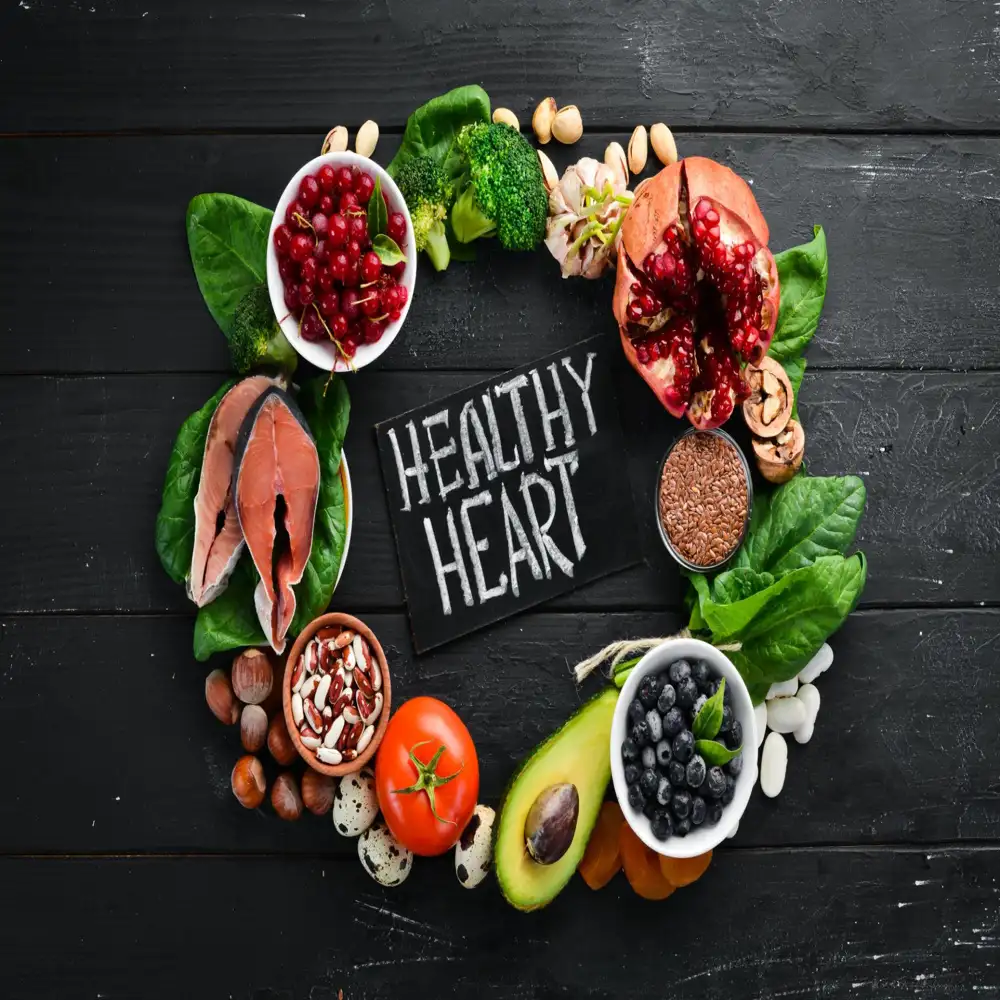
What Is a Healthy Lifestyle and Why Does It Matter
Definition of a Healthy Lifestyle
A healthy lifestyle is a collection of daily habits and choices that support your physical, mental, and emotional well-being not just the absence of illness, but actively thriving in everyday life.
It isn’t about perfection. It’s about building a balanced routine that includes:
- Proper nutrition, fueling your body with wholesome, nourishing foods
- Regular physical activity keeps your body strong and your heart pumping
- Quality sleep gives your body time to repair and recharge
- Stress management: protecting your mental and emotional health
- Preventive healthcare catches problems early before they become serious
According to the World Health Organization (WHO), unhealthy lifestyle habits contribute to over 70% of global deaths from chronic diseases like heart disease, diabetes, and cancer. That’s not a small number; it’s a wake-up call.
The good news? Most of these diseases are largely preventable through healthy lifestyle changes.
Key Benefits of Maintaining a Healthy Lifestyle
Understanding why a healthy lifestyle matters is what turns short-term motivation into long-term commitment. The benefits go far beyond just looking good.
Improved Heart Health: Your heart is a muscle, and like any muscle, it responds to how you treat it. Regular movement, a balanced diet low in saturated fats, and reduced stress significantly lower your risk of hypertension, stroke, and heart attacks. Even walking 30 minutes a day can reduce your risk of heart disease by up to 35%.
Stronger Immunity Consistent healthy habits, proper sleep, a nutrient-rich diet, and regular exercise strengthen your immune response, making your body more resilient against infections and illnesses.
Sustainable Weight Control: Healthy lifestyle choices support a stable, healthy weight without crash diets or extreme restrictions. When your habits are consistent, weight management becomes a natural outcome rather than a constant battle.
Sharper Mental Clarity. What’s good for the body is good for the brain. Exercise increases blood flow to the brain, quality sleep consolidates memory, and a clean diet reduces brain fog, helping you think more clearly and perform better daily.
Reduced Risk of Chronic Disease: Adopting healthy lifestyle habits dramatically lowers the risk of developing Type 2 diabetes, certain cancers, osteoporosis, and metabolic disorders, conditions that affect millions globally and are often tied directly to how we live.
A Longer, Better Life Research from the Harvard T.H. Chan School of Public Health found that people who consistently follow five healthy habits, a proper diet, regular exercise, a healthy weight, no smoking, and moderate alcohol consumption can live 10 to 14 years longer than those who don’t.
Real-Life Example: A 45-year-old office worker who begins walking 30 minutes daily, reduces processed food intake, and sleeps 7–8 hours per night doesn’t just lose weight, they report better focus at work, fewer sick days, reduced blood pressure, and noticeably improved mood within just a few weeks.
Now that you understand what a healthy lifestyle truly means and the powerful impact it can have on your life, let’s look at the specific daily habits that make it all possible and how to start building them today.
Core Healthy Lifestyle Habits Everyone Should Follow
Healthy Eating and a Proper Diet for a Healthy Lifestyle
Food is the foundation of everything: your energy, mood, immunity, and long-term health all trace back to what you eat daily. A proper diet for a healthy lifestyle isn’t about strict rules or eliminating food groups. It’s about making smarter choices consistently.
Whole Foods vs. Processed Foods
Whole foods, such as vegetables, fruits, legumes, whole grains, and lean meats, come packed with natural nutrients your body recognizes and uses efficiently. Processed foods, on the other hand, are loaded with added sugars, sodium, and unhealthy fats that quietly drive inflammation, weight gain, and heart disease.
The shift doesn’t have to be dramatic. Start by replacing one processed snack a day with a whole-food alternative. Small swaps build big results over time.
Balanced Nutrients Your Body Actually Needs
A truly balanced diet includes:
- Proteins build and repair muscle, support immunity, sources such as eggs, chicken, lentils, and Greek yogurt.
- Complex Carbohydrates: Your body’s primary energy source. Sources: oats, brown rice, sweet potatoes, quinoa.
- Healthy Fats support brain function and heart health sources: avocados, nuts, olive oil, fatty fish.
- Dietary Fiber Aids digestion, controls blood sugar, and keeps you fuller longer. Sources: vegetables, beans, whole grains, fruits.
According to the American Heart Association, consistently following a heart-healthy diet rich in vegetables, fruits, whole grains, and lean proteins can significantly reduce the risk of heart disease and stroke, two of the world’s leading killers.
Sample Weekly Meal Framework
You don’t need a complicated meal plan. Here’s a simple, repeatable structure:
| Meal | Example |
| Breakfast | Oats with fresh fruit + a handful of nuts |
| Lunch | Brown rice with stir-fried vegetables + chickpeas or grilled chicken |
| Dinner | Lean protein (fish, turkey, or tofu) + a fresh salad with olive oil dressing |
| Snacks | Greek yogurt, fresh fruit, or a small handful of almonds |
This isn’t a rigid diet; it’s a flexible, nourishing framework that fits real life.
Regular Physical Activity and Exercise
You don’t need a gym membership or a two-hour daily workout to build a heart-healthy lifestyle. What you need is consistency and movement that fits your schedule.
How Much Exercise Is Enough?
The World Health Organization recommends at least 150 minutes of moderate-intensity exercise per week, which is just 30 minutes, five days a week. Yet, physical inactivity currently increases the risk of chronic disease by 20–30% globally, making it one of the most preventable health risks today.
150 minutes sounds like a lot until you realize it’s just a 30-minute walk during your lunch break.
Exercise Options for Every Lifestyle
You don’t have to run marathons. Effective options include:
- Walking is the most underrated exercise. Low impact, zero cost, high reward.
- Cycling Great cardio that’s easy on your joints.
- Home workouts Bodyweight exercises like squats, push-ups, and planks require no equipment.
- Strength training builds lean muscle, boosts metabolism, and improves bone density.
Mix and match based on what you enjoy. Sustainable exercise is the exercise you’ll actually keep doing.
Practical Tips to Stay Consistent:
- Schedule workouts like appointments — put them in your calendar.
- Start with 15 minutes if 30 feels overwhelming.
- Walk after dinner to aid digestion and lower blood sugar.
- Find a workout partner for accountability.
Building a Healthy Sleep Routine
Sleep is the most undervalued pillar of a healthy lifestyle. No diet or workout plan will fully deliver results if your sleep is poor. While you sleep, your body repairs tissue, balances hormones, consolidates memory, and resets your immune system.
How Much Sleep Do You Actually Need?
Adults need 7–9 hours of quality sleep per night. Not just time in bed, but actual restful, uninterrupted sleep. Consistently sleeping less than 6 hours is linked to increased risk of obesity, heart disease, Type 2 diabetes, and even reduced life expectancy.
Sleep Hygiene: Small Habits, Big Impact
Sleep hygiene refers to the habits and environment that support consistent, restful sleep. Key practices include:
- Set a consistent sleep schedule, go to bed and wake up at the same time daily, even on weekends.
- Avoid screens 45–60 minutes before bed. The blue light from phones and laptops suppresses melatonin, the hormone that signals your body it’s time to sleep.
- Keep your bedroom cool and dark. A temperature between 65–68°F (18–20°C) is optimal for sleep.
- Avoid caffeine after 2 PM. Caffeine has a half-life of 5–6 hours and can quietly disrupt your ability to fall asleep.
- Wind down with a calm ritual reading, light stretching, or deep breathing signals your nervous system to slow down.
The improvement in sleep quality was noticeable within just 7–10 days. That’s how responsive the body is when you remove what’s disrupting it.
Eating well, staying active, and sleeping properly are the three non-negotiables but a truly complete healthy lifestyle also requires managing the invisible pressure that affects millions daily: stress. Let’s explore how to take control of it.

Stress Management and Mental Wellness
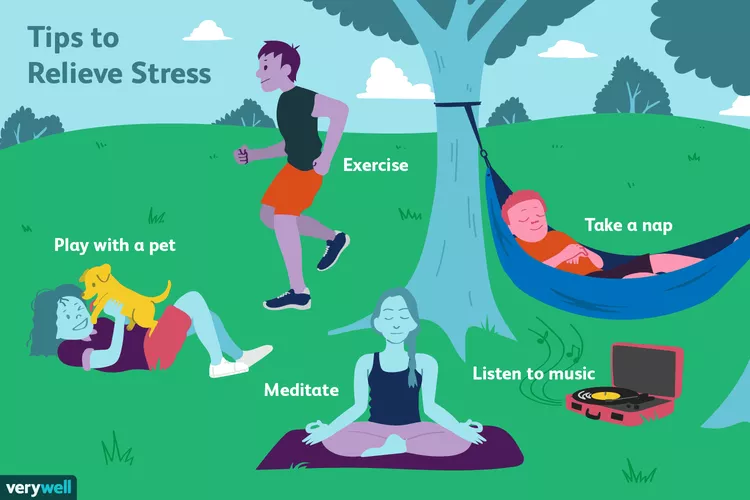
Chronic stress is one of the most overlooked threats to a healthy lifestyle. It silently raises blood pressure, disrupts sleep, weakens immunity, and triggers emotional eating creating a cycle that undermines every other healthy habit you build.
The good news? You don’t need hours of free time to manage stress effectively. Small, consistent practices make a measurable difference.
Meditation Train Your Mind Like You Train Your Body
Meditation isn’t mystical it’s a practical mental tool. Even 5–10 minutes of daily mindfulness meditation can lower cortisol levels, reduce anxiety, and improve emotional regulation. Apps like Headspace or Calm make it accessible for complete beginners.
You don’t need silence or a special space. A quiet corner, closed eyes, and focused breathing is enough to start.
Breathing Exercises — Your Built-In Stress Reset
Controlled breathing directly activates your parasympathetic nervous system, your body’s natural “calm down” switch. Two simple techniques worth practicing:
- 4-7-8 Breathing: Inhale for 4 seconds, hold for 7, exhale for 8. Repeat 3–4 cycles. Effective for anxiety and pre-sleep tension.
- Box Breathing: Inhale 4 seconds, hold 4, exhale 4, hold 4. Used by athletes and military personnel to manage high-pressure situations.
Both can be done anywhere at your desk, in your car, or before bed.
Relaxation Techniques That Actually Work
Beyond meditation, these evidence-backed techniques reduce stress and support mental wellness:
- Progressive muscle relaxation, tensing and releasing muscle groups systematically, reduces physical tension stored in the body.
- Journaling: Writing down worries externalizes them, reducing their mental weight and improving clarity.
- Nature walks, even 20 minutes in a green outdoor space, measurably lower stress hormones.
- Digital detox periods. Scheduled breaks from screens reduce information overload and mental fatigue.
Mental wellness isn’t separate from physical health. It’s the thread that holds every other healthy lifestyle habit together.
How to Maintain a Healthy Lifestyle Daily
Knowing what to do is only half the equation. The real challenge and the real skill is knowing how to maintain a healthy lifestyle when life gets busy, unpredictable, and exhausting. The answer isn’t willpower. Its structure.
When healthy choices are built into your daily routine, they stop feeling like effort and start feeling automatic.
Sample Daily Healthy Lifestyle Routine
You don’t need a perfect day. You need a reliable day a simple framework you can return to consistently, even when motivation is low.
Morning Set the Tone
| Time | Habit |
| Wake up (6:30–7:00 AM) | Nutrient-dense meal: oats, eggs, or whole grain toast with fruit |
| First 5 minutes | Drink a full glass of water to rehydrate after sleep |
| 7:00–7:30 AM | Nutrient-dense meal: oats, eggs, or whole-grain toast with fruit |
| Breakfast | Nutrient-dense meal: oats, eggs, or whole-grain toast with fruit |
Starting your morning with hydration and movement primes your metabolism, sharpens focus, and sets a positive tone for the rest of the day.
Afternoon Sustain Your Energy
| Time | Habit |
| Lunch (12:30–1:00 PM) | Balanced meal: lean protein, complex carbs, and vegetables |
| Post-lunch | A 10-minute walk instead of sitting back down immediately |
| 3:00 PM slump | Drink water or herbal tea instead of reaching for caffeine or sugar |
| Hydration goal | Aim for at least 6–8 glasses of water throughout the day |
Afternoon energy crashes are usually caused by poor lunch choices or dehydration, not a need for more coffee.
Evening Wind Down With Intention
| Time | Habit |
| Dinner (7:00–7:30 PM) | Begin wind-down, dim the lights, put the phone down, gentle stretching |
| After dinner | A 15-minute walk to aid digestion and lower blood sugar |
| 9:00 PM | Begin wind-down, dim lights, put the phone down, gentle stretching |
| 9:30–10:00 PM | Light, easily digestible meal: grilled protein, soup, or a salad |
| Lights out (10:00–10:30 PM) | Target 7–8 hours before your next wake-up time |
Practical Tips to Make Your Routine Stick:
- Prepare your workout clothes the night before, and remove the morning friction.
- Batch-cook grains and proteins twice a week to make balanced meals effortless.
- Use a simple checklist app to track your daily habits until they feel natural.
- Give yourself grace on hard days; missing one day doesn’t break a routine.
Weekly Healthy Lifestyle Planner
A daily routine keeps you consistent day-to-day. A weekly plan gives you the bigger picture making sure rest, movement, nutrition, and recovery are all balanced across the week.
Here’s a practical, flexible weekly framework:
| Day | Focus | Activity |
| Monday | Strength + Meal Prep | 30-min strength training + prep proteins and grains for the week |
| Tuesday | Cardio | 30-min brisk walk or cycling |
| Wednesday | Active Recovery | Light yoga, stretching, or a slow nature walk |
| Thursday | Strength | 30-min home workout or gym session |
| Friday | Cardio + Social | Group fitness class, outdoor walk with a friend |
| Saturday | Meal Prep + Leisure | Grocery shop + cook for the week + relaxation time |
| Sunday | Full Rest Day | No structured exercise — sleep in, light stretching only |
Why a Rest Day Matters
Rest days aren’t laziness, they’re when your muscles repair, your nervous system recovers, and your motivation resets. Skipping rest days leads to burnout and injury, both of which derail long-term progress faster than any missed workout.
Tips to Make Your Weekly Plan Work:
- Meal prep on the same day each week; consistency removes decision fatigue.
- Schedule workouts on days you have the most energy, not the most free time.
- Review your week every Sunday, adjust the plan before the week starts, not during it.
- Keep one evening per week screen-free for genuine mental restoration.
With your daily habits and weekly structure in place, the next powerful step is understanding how these healthy lifestyle choices specifically protect your heart the engine that keeps everything else running.
Building Healthy Lifestyle Habits That Last
The biggest reason most people fail at maintaining a healthy lifestyle isn’t lack of motivation — it’s trying to change too much, too fast. Motivation fades. Systems don’t.
The goal isn’t a perfect month. It’s building habits so embedded in your routine that they require no willpower at all.
Heart-Healthy Lifestyle Changes for Better Cardiovascular Health
Your heart beats roughly 100,000 times a day without rest. The least it deserves is a lifestyle that supports it. A heart-healthy lifestyle isn’t just for people with existing conditions; it’s the single most powerful form of prevention available to everyone.
According to the Centers for Disease Control and Prevention (CDC), heart disease remains the leading cause of death globally, claiming millions of lives each year, the majority of which are preventable through consistent healthy lifestyle choices.
Foods That Support Heart Health
What you eat directly affects your cardiovascular system your blood pressure, cholesterol levels, inflammation markers, and arterial health are all shaped by your daily diet.
Eat More of These:
- Fruits, berries, citrus, and apples are rich in antioxidants and flavonoids that reduce inflammation and support arterial flexibility.
- Vegetables Leafy greens like spinach and kale are high in nitrates, which help lower blood pressure naturally.
- Whole Grains Oats, brown rice, and quinoa reduce LDL (bad) cholesterol and provide sustained energy without blood sugar spikes.
- Healthy Fats Avocados, olive oil, walnuts, and fatty fish (salmon, mackerel) contain omega-3 fatty acids that actively protect heart function.
Limit or Avoid These:
- Processed and ultra-processed foods High in trans fats, hidden sugars, and sodium, all of which damage arteries and raise blood pressure over time.
- Excess salt (sodium). The American Heart Association recommends no more than 2,300mg of sodium daily, ideally closer to 1,500mg for most adults. Most processed foods far exceed this in a single serving.
- Sugary beverages Linked to elevated triglycerides, obesity, and increased cardiovascular risk.
You don’t need to eat perfectly to protect your heart. Aim for the 80/20 rule: make heart-supportive choices 80% of the time, and allow flexibility the other 20%. Consistency over months matters far more than perfection over days.
Lifestyle Changes for High Blood Pressure
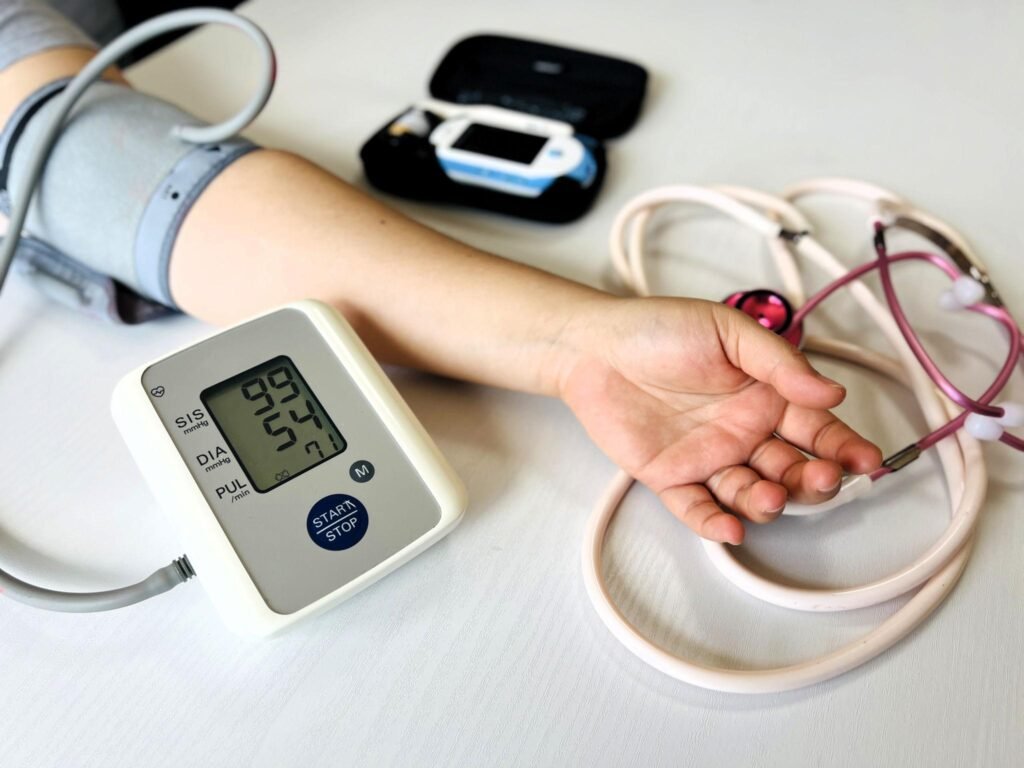
High blood pressure or hypertension is often called the “silent killer” because it causes no obvious symptoms while steadily damaging your heart, kidneys, and blood vessels. The encouraging reality is that targeted healthy lifestyle changes for high blood pressure can produce measurable results within weeks — sometimes without medication.
Key Changes That Lower Blood Pressure:
1. Reduce Sodium Intake. Excess sodium causes your body to retain fluid, increasing blood volume and pressure on artery walls. Cutting back on processed foods, canned soups, and added table salt can lower systolic blood pressure by 5–6 mmHg in some individuals.
2. Exercise Regularly Aerobic exercise strengthens the heart muscle, allowing it to pump more blood with less effort directly reducing the pressure it exerts on arteries. A consistent 30-minute daily walk alone can lower blood pressure by 4–9 mmHg over time.
3. Manage Stress Actively. Chronic stress keeps your nervous system in a state of alert, elevating cortisol and adrenaline, both of which raise blood pressure. Daily stress management practices breathing exercises, meditation, and even light stretching, directly counter this response.
Additional Blood Pressure Tips:
- Limit alcohol to no more than one drink per day for women, two for men
- Quitting smoking nicotine raises blood pressure immediately and damages arterial walls long-term
- Maintain a healthy weight, even a 5–10 lb weight reduction can meaningfully lower blood pressure
Healthy Lifestyle Changes to Lose Weight Safely
Weight loss is one of the most searched health goals globally, yet most approaches fail because they prioritize speed over sustainability. The most effective healthy lifestyle changes to lose weight aren’t dramatic. They’re quiet, consistent shifts that your body can maintain indefinitely.
Sustainable Weight Loss Habits
Crash diets work temporarily and fail permanently. They deprive your body of essential nutrients, slow your metabolism, and almost always result in weight regain, often with extra pounds added. Sustainable weight loss requires a different approach entirely.
Portion Control: Eat the Right Amount, Not Less of Everything
You don’t need to eat less food. You need to eat the right amount of the right food. Practical portion strategies:
- Use smaller plates, research shows this reduces calorie intake without feelings of deprivation
- Fill half your plate with vegetables before adding proteins and carbs
- Eat slowly, it takes 15–20 minutes for your brain to register fullness; rushing past this leads to overeating
Regular Meals Don’t Skip, Redistribute
Skipping meals, especially breakfast, triggers hunger hormones that lead to overeating later. Instead, eat three balanced meals at consistent times daily, with one or two small, nutrient-dense snacks if needed.
Regular meal timing stabilizes blood sugar, reduces cravings, and prevents the famished state that leads to poor food choices.
Avoid Crash Dieting. It Works Against You
Very low-calorie diets cause muscle loss alongside fat loss, slow your resting metabolism, and create a rebound effect once normal eating resumes. A safe, sustainable calorie deficit of 300–500 calories per day produces gradual, maintainable weight loss of 0.5–1 lb per week.
Real-Life Example: A 38-year-old woman replaced her mid-morning fried snack and afternoon crisps with a piece of fruit and a small handful of almonds. Without changing anything else, she lost 6 pounds over two months simply by eliminating empty-calorie snacks that were adding 400+ daily calories without any nutritional value.
Practical Weight Loss Habit Tips:
- Drinking a glass of water before each meal reduces appetite naturally
- Prepare healthy snacks in advance so convenience works in your favor
- Read food labels, hidden sugars in “healthy” packaged foods derail progress invisibly
- Track your food for 2–3 weeks, not forever, just to build awareness of your actual intake
Exercise Strategies for Healthy Weight Loss
Diet creates a calorie deficit. Exercise accelerates it and, more importantly, preserves muscle mass, boosts metabolism, and improves how your body looks and functions as weight changes.
Cardio Burn Calories, Improve Heart Health
Cardiovascular exercise burns calories during the session and improves overall metabolic health. Effective options include:
- Walking The most accessible form of cardio. A 30-minute brisk walk burns 150–200 calories and can be done anywhere, free of cost.
- Cycling: low-impact, high-calorie burn, suitable for all fitness levels.
- Swimming is full-body cardio that’s gentle on joints, ideal for those with knee or back issues.
Use Case: A 44-year-old accountant who added a 30-minute lunchtime walk five days a week without changing his diet lost 8 pounds over three months. The consistency of daily movement, compounded over time, produced real results with minimal disruption to his routine.
Strength Training Builds Muscle, Burns More at Rest
Muscle tissue burns more calories than fat tissue, even at rest. Adding two strength training sessions per week, bodyweight squats, lunges, push-ups, or light dumbbell work increases your resting metabolic rate, making weight management progressively easier.
The combination of cardio and strength training is the gold standard for healthy weight loss that preserves lean muscle and sustains results.
Healthy Lifestyle Choices for Disease Prevention
A healthy lifestyle is the most powerful medicine that doesn’t require a prescription. While genetics play a role in disease risk, research increasingly confirms that consistent daily habits can significantly alter your health trajectory regardless of family history.
Lifestyle Habits That Reduce Disease Risk
Chronic diseases, such as heart disease, Type 2 diabetes, hypertension, and certain cancers, share a common thread: they are heavily influenced by how we live. The most impactful healthy lifestyle choices for disease prevention are also the most straightforward.
1. Eat a Nutrient-Dense, Whole-Food Diet
A diet rich in vegetables, fruits, fiber, and lean proteins reduces systemic inflammation — the underlying driver of most chronic diseases. Limiting processed foods, added sugars, and refined carbohydrates removes the fuel that feeds disease development.
2. Eliminate or Avoid Smoking
Smoking is directly linked to lung cancer, heart disease, stroke, and at least 12 other types of cancer. Quitting smoking at any age, even after decades, immediately begins reducing disease risk. Within 10 years of quitting, lung cancer risk drops to roughly half that of a current smoker.
3. Stay Physically Active Consistently
Regular physical activity reduces the risk of colon cancer, breast cancer, endometrial cancer, and numerous other conditions by regulating hormones, reducing inflammation, improving insulin sensitivity, and supporting healthy immune function.
Research published in leading medical journals shows that people who maintain consistent healthy lifestyle habits including regular exercise, a clean diet, non-smoking, and a healthy weight, can reduce their overall cancer risk by 30–40% compared to those who don’t.
4. Maintain a Healthy Weight
Excess body fat, particularly visceral fat around the abdomen, is a significant independent risk factor for multiple cancers, Type 2 diabetes, and cardiovascular disease. Sustainable weight management through diet and exercise directly lowers these risks.
5. Attend Regular Health Screenings
Prevention isn’t only about what you do daily; it’s also about catching problems early. Regular blood pressure checks, blood glucose testing, cholesterol panels, and age-appropriate cancer screenings allow early intervention before conditions become serious.
Practical Disease Prevention Checklist:
- Eat 5+ servings of vegetables and fruits daily
- Exercise for at least 150 minutes weekly
- Avoid tobacco in all forms
- Limit alcohol consumption
- Maintain a healthy body weight
- Schedule annual health checks with your doctor
- Manage chronic stress proactively
You don’t need to be perfect. You need to be consistent. Every healthy choice you make, whether it’s drinking water instead of soda, taking the stairs, or going to bed on time, is a vote for a healthier, longer life.
Preventive Healthcare Practices
Living a healthy lifestyle isn’t only about what you do daily; it’s also about staying ahead of problems before they become serious. Preventive healthcare is the bridge between healthy habits and long-term disease protection.
Regular Health Checkups
Annual checkups aren’t just for when you feel unwell. Routine visits allow your doctor to monitor blood pressure, cholesterol, blood glucose, and organ function, catching early warning signs that have no obvious symptoms yet.
Vaccination
Vaccines are one of the most cost-effective preventive health tools available. Staying current with recommended vaccinations, flu shots, pneumonia vaccines, and age-appropriate boosters significantly reduces your risk of serious illness and its downstream complications.
Early Screening
Conditions like colorectal cancer, cervical cancer, breast cancer, and Type 2 diabetes are dramatically more treatable when detected early. Follow age-appropriate screening schedules recommended by your healthcare provider. Don’t wait for symptoms to appear before investigating.
Preventive Care Essentials:
- Annual physical exam with blood work
- Blood pressure and cholesterol monitoring
- Age-appropriate cancer screenings
- Dental checkups every 6 months
- Eye exams every 1–2 years
- Up-to-date vaccinations
Prevention is always less costly financially, physically, and emotionally than treatment. Building preventive healthcare into your healthy lifestyle routine is one of the highest-return investments you can make in yourself.
Healthy Lifestyle for Different Groups
A healthy lifestyle doesn’t look identical for everyone. Age, gender, life stage, and personal circumstances all shape which habits matter most. Here’s how to tailor healthy living to your specific situation.
Healthy Lifestyle for Men
Men face unique health challenges, including higher rates of cardiovascular disease, a greater tendency to delay medical care, and significant exposure to chronic work-related stress. A targeted healthy lifestyle for men addresses these vulnerabilities directly.
Muscle Maintenance Testosterone naturally declines after age 30, making muscle preservation increasingly important. Strength training two to three times per week maintains lean muscle mass, supports healthy metabolism, and protects bone density as men age.
Heart Health: Men develop heart disease earlier than women on average. Prioritizing a heart-healthy diet, reducing red and processed meats, increasing omega-3 rich foods, and limiting alcohol, combined with regular cardio exercise provides strong cardiovascular protection.
Stress Management Men are statistically less likely to seek mental health support, yet chronic stress is a leading driver of hypertension, poor sleep, and unhealthy coping behaviors. Building daily stress outlets, exercise, journaling, social connection, or professional support when needed, is a non-negotiable part of healthy living for men.
Key Habits for Men:
- Strength train 2–3x weekly to preserve muscle and metabolism
- Schedule annual checkups don’t wait until something feels wrong
- Limit alcohol to no more than two drinks per day
- Actively manage occupational stress with daily decompression practices
Healthy Lifestyle for Women
Women’s health needs shift significantly across life stages from reproductive years through perimenopause and beyond. A sustainable, healthy lifestyle for women accounts for these hormonal and physiological transitions.
Hormonal Health Hormonal fluctuations affect energy, mood, weight, sleep, and metabolism throughout a woman’s life. Supporting hormonal balance through a nutrient-dense diet, adequate zinc, magnesium, B vitamins, and healthy fats, regular exercise, stress management, and consistent sleep make a measurable difference in how women feel daily.
Reducing processed sugar and refined carbohydrates is particularly important for women, as these directly impact insulin sensitivity, estrogen balance, and inflammation levels.
Bone Health Women are significantly more vulnerable to osteoporosis than men, particularly after menopause when estrogen, a key bone-protecting hormone, declines sharply. Protective measures include:
- Adequate calcium intake from dairy, fortified plant milks, leafy greens, and sardines
- Vitamin D supports calcium absorption; consider supplementation, especially in low-sunlight climates
- Weight-bearing exercise, walking, dancing, and strength training, stimulate bone density maintenance
- Avoiding smoking and excessive alcohol, both of which accelerate bone loss
Key Habits for Women:
- Prioritize iron-rich foods, especially during reproductive years
- Include weight-bearing exercise throughout all life stages
- Schedule regular bone density scans after age 50
- Supporting gut health, women’s hormonal balance is closely tied to gut microbiome health
Healthy Lifestyle for Families
The most powerful thing parents can do for their children’s health isn’t lecturing about nutrition it’s modeling healthy habits daily. Children who grow up in health-conscious households carry those habits into adulthood.
Family Meals Eating together as a family even three to four times per week, is consistently linked to better nutritional choices, reduced risk of childhood obesity, stronger family communication, and improved mental health in children and teenagers.
Make the family table a screen-free zone. Conversation during meals slows eating pace, improves digestion, and strengthens family bonds simultaneously.
Replace passive screen time with shared physical activity. Weekend options that work for all ages:
- Family walks or hikes in local parks
- Cycling together on safe trails
- Swimming, badminton, or backyard games
- Gardening — a surprisingly effective form of light physical activity
Practical Family Health Tips:
- Let children help prepare meals; they’re more likely to eat what they’ve made
- Stock the kitchen with healthy, visible snack options, fruit bowls beat hidden vegetable drawers
- Make physical activity the default, not the exception, for family plans
- Discuss health openly and positively frame it as energy and strength, not weight or appearance
Common Mistakes That Ruin a Healthy Lifestyle
Understanding what not to do is just as important as knowing the right habits. These are the most common and most damaging mistakes that quietly derail even well-intentioned healthy lifestyle efforts.
Sleeping Late Consistently
Chronic late nights disrupt your circadian rhythm, elevate cortisol, impair glucose metabolism, and increase appetite-stimulating hormones. People who consistently sleep past midnight, even if they get 7 hours total, show measurably worse metabolic health than those sleeping during conventional hours.
Late-night screen use compounds the problem by suppressing melatonin and stimulating the brain at precisely the time it needs to wind down.
Over-Exercising Without Recovery
More exercise is not always better. Training without adequate recovery leads to elevated cortisol, muscle breakdown, joint strain, disrupted sleep, and eventual burnout or injury. If you’re exercising daily at high intensity and feeling consistently exhausted rather than energized that’s overtraining, not dedication.
Schedule at least one to two rest or active recovery days per week. Your body builds strength during rest, not during the workout itself.
Ignoring Stress as a Health Issue
Stress is consistently treated as an emotional inconvenience rather than a physical health threat. In reality, chronic unmanaged stress raises blood pressure, impairs immune function, disrupts digestion, accelerates aging at the cellular level, and directly contributes to heart disease.
Building daily stress management into your routine isn’t optional it’s as medically relevant as diet and exercise.
Other Common Mistakes to Avoid:
- Drinking too little water and mistaking thirst for hunger
- Setting unrealistic goals that create an all-or-nothing mindset
- Relying on supplements to compensate for a poor diet
- Comparing your progress to others instead of your own baseline
- Giving up after one bad day instead of simply continuing the next
Easy Healthy Lifestyle Tips for Beginners
Starting a healthy lifestyle doesn’t require perfection, expensive equipment, or a complete life transformation. It requires starting with whatever you have, wherever you are, beginning with the smallest possible step.
Here are the most impactful, beginner-friendly healthy lifestyle tips you can begin today:
1. Drink More Water Before Anything Else
Hydration is the foundation on which everything else sits. Start with one simple rule: drink a full glass of water immediately upon waking, and one before each meal. This alone improves energy, digestion, skin clarity, and appetite regulation.
Target: 6–8 glasses (1.5–2 liters) daily. More if you exercise or live in a hot climate.
2. Walk Daily Start With 10 Minutes
Walking is the most accessible, evidence-backed exercise available. Begin with 10 minutes after dinner. Once that feels effortless, extend to 20, then 30. The habit matters far more than the duration at the beginning.
3. Add Vegetables to Every Meal
You don’t need to eliminate anything immediately. Just add a handful of spinach to your eggs, add sliced cucumber to your lunch, and add a side salad to your dinner. Gradually crowding your plate with vegetables naturally displaces less nutritious options.
4. Sleep on Time: Choose a Consistent Bedtime
Pick a bedtime and honor it. Start with 10:30 PM if you currently sleep past midnight. Move it back by 15 minutes each week until you reach a 7–9 hour window. Consistent timing matters as much as total duration.
5. Build One Daily Stress-Relief Habit
Five minutes of deep breathing, a short walk outside, journaling before bed, or even five minutes of silence with no phone. Choose one. Practice it daily. The neurological benefits of even minimal consistent stress relief compound significantly over weeks.
Beginner Starter Pack — First 7 Days:
| Day | Focus |
| Day 1–2 | Drink 6+ glasses of water daily |
| Day 3–4 | Add a 10-minute walk after dinner |
| Day 5–6 | Add vegetables to two meals per day |
| Day 7 | Set a consistent bedtime and honor it |
Real-Life Healthy Lifestyle Examples
Theory is useful. Real stories are motivating. Here are two practical examples of how ordinary people made healthy lifestyle changes that produced real, measurable results.
Example 1: The Busy Office Worker
The Problem: David, a 36-year-old accountant, spent 9–10 hours daily at his desk. He ate lunch from a vending machine or fast food delivery, rarely moved between 8 AM and 6 PM, and had gained 18 pounds over two years without understanding why. His energy crashed every afternoon, and he experienced frequent lower back pain.
The Solution: David made three targeted changes nothing dramatic:
- A 10-minute walking break every 90 minutes during the workday
- A packed home-cooked lunch four days per week (batch-prepped Sunday evenings)
- Swapping his afternoon vending machine snack for an apple and a handful of almonds
Over four months, David lost 14 pounds, his afternoon energy crashes disappeared, his back pain reduced significantly from the increased movement, and his annual health check showed improved cholesterol and blood pressure readings. No gym membership. No special diet. Just smarter daily structure.
Statistics About a Healthy Lifestyle
The science behind healthy living is clear, consistent, and compelling. Here are key statistics from the world’s most trusted health authorities that underscore why these habits matter so profoundly.
Heart Disease & Lifestyle
- Heart disease is the leading cause of death globally, responsible for approximately 17.9 million deaths per year, the majority of which are preventable (World Health Organization)
- A heart-healthy lifestyle, including regular exercise, a nutritious diet, and not smoking, can reduce cardiovascular disease risk by up to 80% (American Heart Association)
- Just 150 minutes of moderate exercise per week reduces heart disease risk by approximately 35% (WHO)
Life Expectancy
- People who consistently maintain five key healthy habits can live 10–14 years longer than those who don’t (Harvard T.H. Chan School of Public Health)
- Non-smokers who maintain a healthy weight, exercise regularly, and eat well have a dramatically higher probability of reaching age 85 free of major chronic disease
Obesity & Physical Inactivity
- Physical inactivity increases the risk of chronic disease by 20–30% (World Health Organization)
- Global obesity rates have nearly tripled since 1975, driven primarily by sedentary lifestyles and ultra-processed food consumption (WHO)
- In the United States alone, 42% of adults are classified as obese, a figure directly linked to inactivity and poor dietary habits (CDC)
Mental Health
- Regular physical activity reduces symptoms of depression and anxiety by up to 48% in some studies, comparable to medication effects for mild to moderate cases
- Adults who sleep fewer than 6 hours per night are 30% more likely to develop obesity than those sleeping 7–9 hours
Disease Prevention
- Healthy lifestyle habits can reduce Type 2 diabetes risk by up to 58% more effectively than medication alone in pre-diabetic individuals (CDC Diabetes Prevention Program)
- Maintaining a healthy lifestyle reduces overall cancer risk by an estimated 30–40% (World Cancer Research Fund)
These aren’t abstract numbers. Every statistic above represents a real health outcome that is largely within your control through daily choices.
FAQs About a Healthy Lifestyle
What is the most important healthy lifestyle habit?
If forced to choose one, the combination of a balanced diet and regular physical activity forms the foundation on which everything else rests. These two habits together regulate weight, protect heart health, stabilize blood sugar, support mental wellness, and reduce risk across virtually every chronic disease category. If you’re starting from zero, focus here first.
How can I start a healthy lifestyle as a beginner?
Start with the smallest possible change, not the most impressive one. Choose one habit: drink more water, walk 10 minutes daily, sleep 30 minutes earlier, or add vegetables to one meal. Practice it consistently for two weeks until it feels automatic. Then add the next habit. Sustainable healthy lifestyle changes are built incrementally, not all at once.
How long does it take to see results from healthy lifestyle changes?
Most people notice initial changes within 2–4 weeks: improved energy, better sleep, reduced bloating, and a more stable mood. More visible changes, such as weight loss, improved fitness, and measurable health markers, typically appear within 6–8 weeks of consistent effort. The timeline varies by individual, starting point, and consistency, but virtually everyone who makes genuine changes sees meaningful improvement within two months.
Can healthy lifestyle changes reverse disease risk?
Yes significantly. Research consistently shows that early and consistent lifestyle changes can reverse pre-diabetes, reduce hypertension, lower cholesterol, and substantially reduce cancer risk. The CDC’s Diabetes Prevention Program found lifestyle interventions reduced Type 2 diabetes risk by up to 58%, outperforming medication. The earlier changes are made, the more reversible the risk, but improvements are possible at any age.
What foods support a healthy lifestyle best?
The most health-supportive foods are overwhelmingly whole, minimally processed, and nutrient-dense:
- Vegetables and fruits, especially leafy greens, berries, and cruciferous vegetables
- Whole grains: oats, brown rice, quinoa, barley
- Lean proteins: eggs, fish, legumes, poultry
- Healthy fats: avocados, olive oil, nuts, seeds, fatty fish
- Legumes, such as lentils, chickpeas, and beans, provide fiber, protein, and slow-release energy
The simplest dietary principle: if it grew from the ground or lived a natural life, it’s probably good for you. If it was manufactured in a factory, approach with caution.
Building a healthy lifestyle is not a destination; it’s a direction you keep moving in. Every meal, every walk, every early bedtime, and every moment of intentional rest is a step forward. Start where you are, use what you have, and build one habit at a time.












4 Comments
[…] you ask different people what a healthy lifestyle is, you’ll get totally different answers. Everyone has their own opinion about a healthy […]
[…] would be aware of your health concerns. You should get your proper sleep, or you will not live a healthy lifestyle. That doesn’t make motherhood less […]
[…] 1 symptoms can appear within days or weeks, not years. A child or young adult may go from seemingly healthy to extremely ill very quickly. The rapid onset distinguishes it from Type […]
[…] but research points to a combination of genetic predisposition, hormonal dysfunction, and lifestyle factors. Understanding what causes PCOS can help you address the root drivers, not just the […]