

The menstrual cycle is a monthly reminder to women of how the body is connected to its internal equilibrium. PMS, irregular periods, and aching cramps are all symptoms of an fwomenimbalance in nutrition. Menstruation is influenced by medical conditions in this article. like PCOS, thyroid problem, or endometriosis, but diet controls naturally and regulates your cycle in a big way.
As a woman, you must focus on a healthy lifestyle. If you are healthy, your belongings will stay healthy. You will be able to keep everything smooth. So let’s dive into this guide to help you understand how important the nutrients are for your menstrual cycle, what to adopt, and what to avoid to maintain your regular periods.
The Link Between a Healthy Diet and the Menstrual Cycle
First of all, you must understand the connection between a healthy diet and the menstrual cycle. A healthy diet is more important than you think. It even plays an important role in regulating your monthly cycle.. The most important hormones, estrogen, progesterone, and follicle stimulation hormone, are all directly connected to a balanced diet. These main hormones equally take part in your menstrual cycle; the deficiency of these hormones may lead you to PCOS.
On the other hand, proper nutrients can:
- Encourage normal ovulation
- Regulate hormone balance
- Decrease bloating and period cramps
- Enhance mood and energy level during the cycle.
Top Nutrition That Promotes a Healthy Menstrual Cycle
Iron
Iron is the most important nutrient directly connected with the menstrual cycle. Because women’s bodies naturally lose blood during their periods, it’s the main reason for iron deficiency in women’s bodies. Some women experience heavy bleeding, which means they have more chances to lose iron every month. It is more important to maintain iron levels in the body to maintain energy levels, which helps in the transport of oxygen in the blood. A woman is unable to replace the loss of iron with a proper diet, it may lead to consistent tiredness, even shortness of breath during periods. A woman plays an important role in society, even if she is a housewife or doing a job; her health is equally important. All women must go for the natural resource of iron. If not, then they would have medication for iron deficiency.
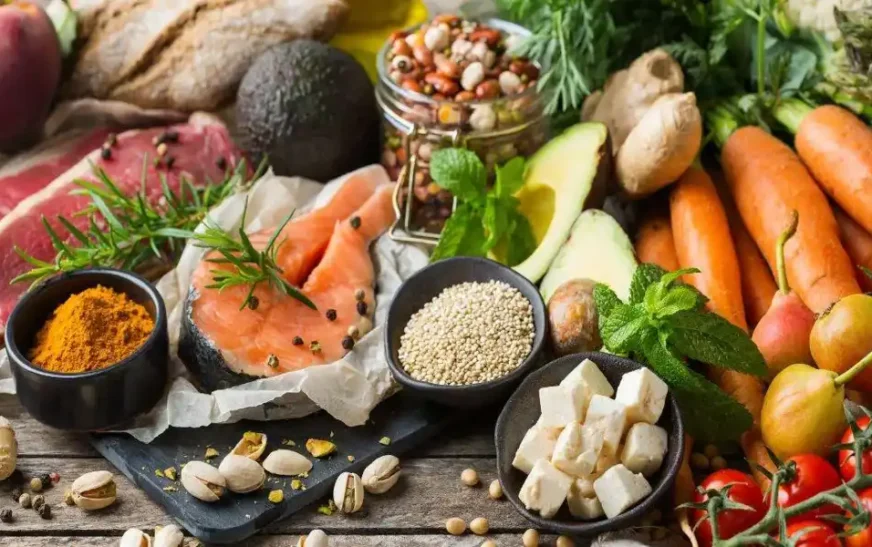
These are iron- rich foods for periods.
Sources include
- Pumpkin seeds
The seeds have more nutrients than the other foods we use in our routine. And the pumpkin seeds are enriched with iron; a tablespoon of these seeds daily is enough to get the required amount of iron.
- Lean red meat
Meat is the most essential part of a balanced diet, especially for women in periods to maintain a regular menstrual cycle. Meat contains a lot of nutrients to provide energy to our bodies.
- Beans
- Kale
- Spinach
- Fortified cereal
Magnesium
Magnesium is a major source to prevent menstrual cramps,it relaxes the uterine muscles. Magnesium for period cramps is more important than a woman thinks. It plays a vital role in women’s health affairs. During periods, the uterine muscles become tight, which causes pain; at that point, magnesium shows its magic and gives relief. It also helps the body to feel calm and controls mood swings naturally. If a woman takes the right amount of magnesium in her daily meals, she will be able to sleep better and feel less bloated during her menstrual cycle.
Sources:
- Dark chocolate
- Cashews and almonds
- Avocados
- whole grains
B6 and B12 vitamins
Vitamins B and B12 help the hormones for metabolism, it works for mood swings as well, and they also relieve PMS signs containing enervation and irritability.
Sources include:
- Chicken
- Eggs
- Bananas
- Fortified cereals.
Vitamin D and Calcium
Both help to control mood changes and are the super nutrients to ease menstrual cramps. Furthermore aids in the control of ovulation by vitamin D. Vitamin D is mostly known as the sunshine vitamin, and this saying is not wrong. Because it is produced when your skin is exposed to sunlight. When it comes to the menstrual cycle, it is a crucial nutrient to help the body balance the hormones and help with regular ovulation. When the woman’s body does not have enough of a vitamin, she feels cramps, mood swings, and irregular periods. It also affects the bones directly. A woman must maintain her level to enjoy life. AND calcium is also an important part of women’s health. If you want a healthy lifestyle, you must add calcium to your daily routine. It actually supports better cycle health.
Sources are:
- Strengthened plant milks
- Green leaves
- Dairy products.
- Sunlight for vitamin D generation- Acidos Omega3
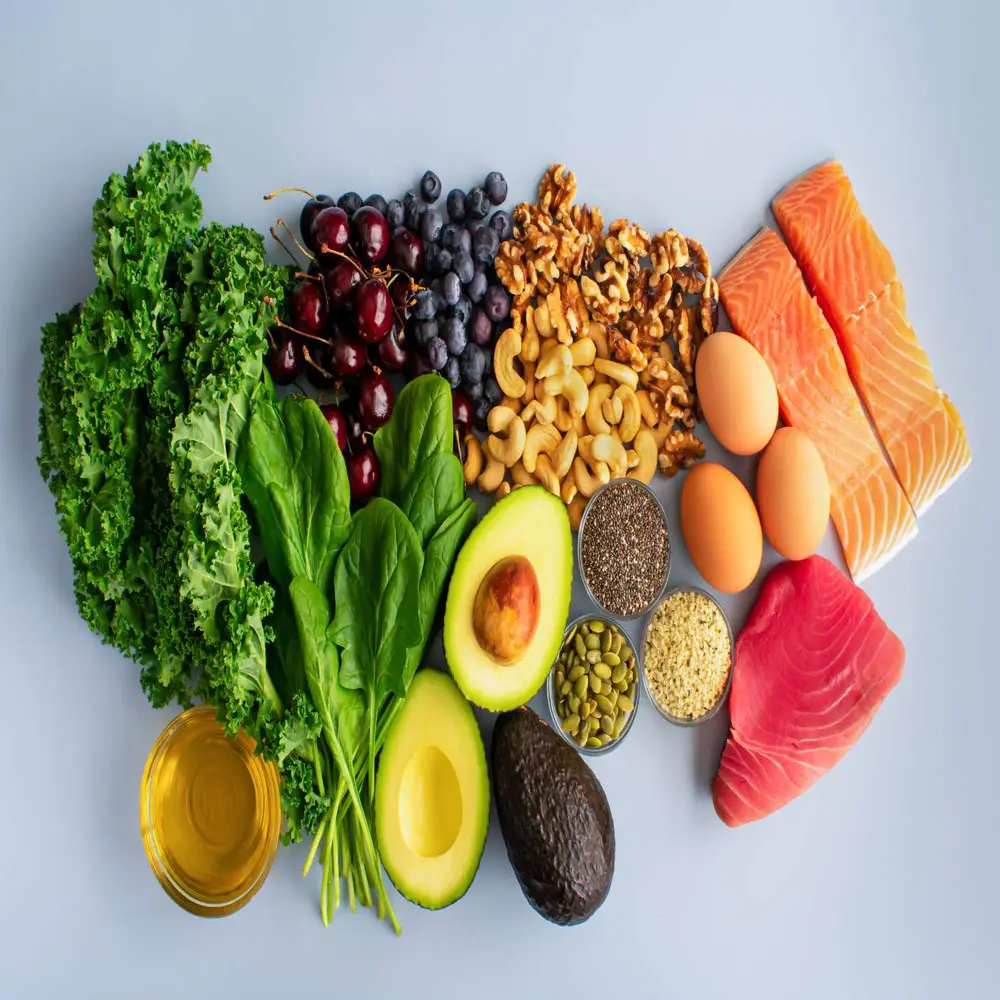
Acidos Omega-3
Omega-3 fatty acids are known for their anti-inflammatory properties, which also help to control hormone production and show the magic to diminish menstrual pain.
Sources:
- Chia seeds
- Salmon
- Flexseeds
- Walnuts
- Mackerel
The above-mentioned foods provide enough vitamins for the menstrual cycle.
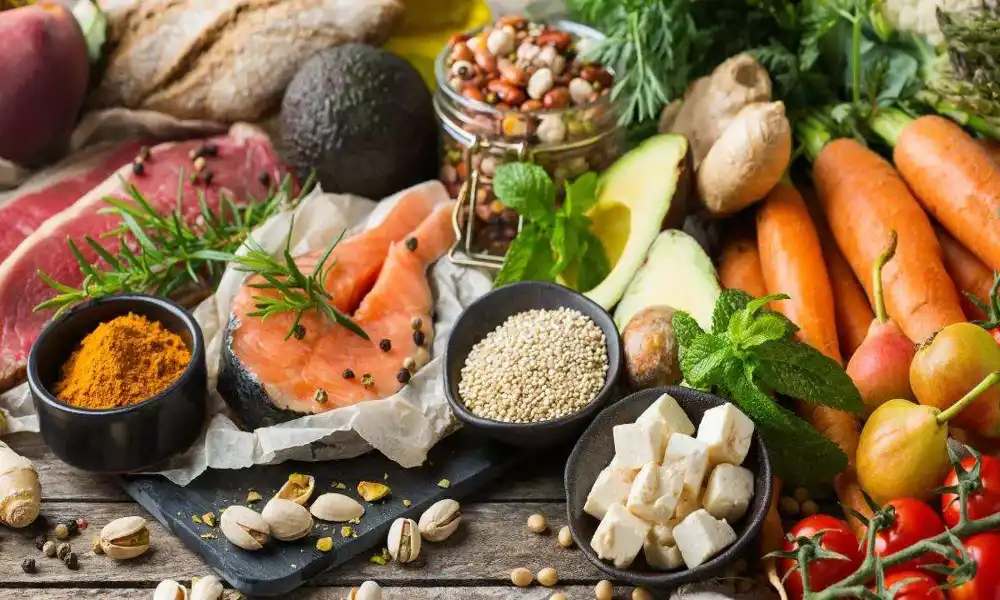
Top Foods for Healthy Menstruation
These foods are enriched with minerals beneficial for a good menstrual cycle.
| Foods | Benefits |
|---|---|
| Green leafy vegetables | Rich in iron and magnesium |
| Berries | Help reduce inflammation |
| Whole grains | Control hormone and blood sugar levels |
| Legumes | Provide plant-based protein |
| Greek yogurt | Full of calcium and beneficial to gut health |
| Avocados | Contain healthy fats |
| Soy and tofu | Help support hormone balance |
Foods That May Cause Menstrual Cycle Disturbances
Some meals may negatively impact your normal periods and hormonal levels; avoid the foods that irregularize the periods, whereas others are helpful:
Packaged Food
Processed foods, which include a lot of chemical preservatives and trans fats, aggravate PMS symptoms by causing inflammation. Even in little girls, as a mother, you must avoid packaged food because it leads to many future diseases. If you take care of meals. Your little ones will grow with a healthy lifestyle.
Refined sugars
Sugar boosts insulin, therefore upsetting testosterone and oestrogen balance. Particularly bad for women with PCOS is this. It is worse than you think. It directly impacts your health, but slowly. You even notice, and it will affect you.
Caffeine
Excessive use of caffeine will cause anxiety and cramping. In addition, it might disturb the ways of sleep and hormone changes. It might affect your energy in your daily routine when you try to get rid of it. But you must have to be consistent for your better health.
Use of alcohol
Consuming alcohol is the cause of stress in the liver, which is responsible for hormone metabolism. Use of alcohol may worsen PMS and irregular periods.
The Impact of Blood Sugar and Weight on Your Cycle
Your proportion of body fat influences your oestrogen levels. Very low or very high body fat might cause menstruation to be interrupted.
Fat women
Overweight women may produce too much oestrogen, which can result in erratic or heavy periods. You must avoid the food that produces extra fat in your body. You need to understand the nutrients for hormonal balance. Leave all the unhealthy meals that may increase weight.
Underweight women
Underweight women may not produce enough estrogen, hence skipped or postponed menstruation might result.
Furthermore, erratic blood sugar brought on by a not well-balanced diet can cause insulin resistance, a major cause of hormonal problems, including PCOS.
A well-balanced diet involving complex carbohydrates, protein, and good fats helps to maintain hormone Balance and stable blood glucose.
A Specimen One-Day Meal Plan for Menstrual Health
This meal plan includes foods that promote normal cycles and hormonal balance. Your meals must be according to your body’s needs. This meal plan for period regulation is best for every day.
Breakfast:
Banana, almond butter, and flax seeds in oatmeal
Spearmint or green tea
Mid-morning snack:
Mixed almonds and dried apricots are best served for mid-morning snacks
Lunch:
A healthy lunch should contain potatoes, green veggies, and grilled chicken or tofu.
Water with lemon
Afternoon snack:
Greek yogurt and berries are a good combination.
Dinner:
Baked salmon served with steamed broccoli and warm turmeric almond milk on brown rice.
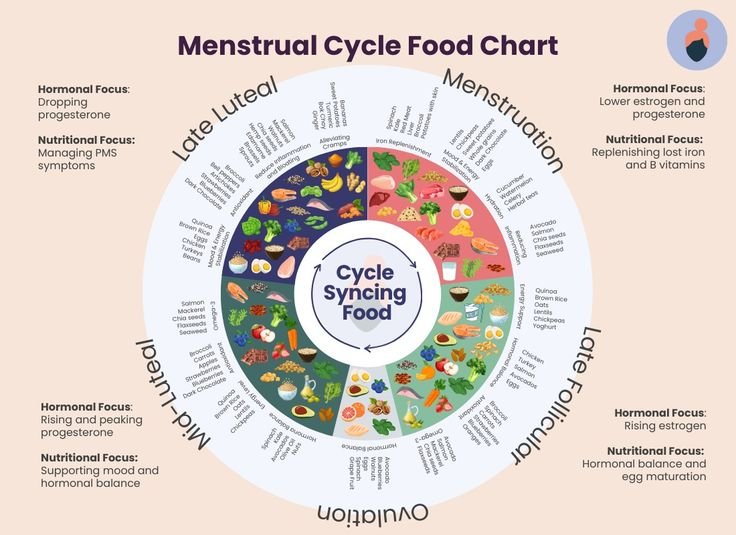
Cycle Syncing: Eat Food Based on Your Phase
A rising trend is cycle syncing, in which women modify their diets based on the four stages of the menstrual cycle: menstrual, follicular, luteal, and ovulatory.
Menstrual Cycle, Days 1 to 5:
Try to consume iron-rich foods in this phase.
Follicular Phase, Days 6–14:
Lean proteins and complex carbohydrates are the best intakes in this phase
Ovulatory Phase, Days 15 -17:
In the ovulatory phase usage of antioxidants and zinc-rich foods should be preferred.
Days 18–28 signify the luteal phase.
PMS can be defeated by foods rich in magnesium and complex carbohydrates.
Conclusion
At the end, you as a woman are super energy for your family. If you understand your body’s needs and adopt healthy eating for PMS relief, you will be able to grow your family healthily. Food is more than fuel for the body, especially for women during their periods. It regulates the menstrual cycle by distributing its energy into the body through hormone balance. Premenstrual syndrome (PMS) can be combatted by consuming highly enriched food. Hence, it is proven that the diet and menstrual cycle are directly linked. Healthy nutrients can enhance the menstrual cycle, reduce period pains and cramps. The best results can be driven by combining healthy foods with a doctor’s consultation.
Yes, for many women, especially those without underlying conditions, dietary changes can significantly improve menstrual regularity and reduce PMS symptoms.
Most women notice improvements within 2–3 cycles (about 2–3 months) of consistent, healthy eating.
Yes! Iron-rich foods, anti-inflammatory options, and hydration are essential during your period to manage blood loss and reduce cramps.
A low-glycemic, high-fiber diet with reduced sugar and dairy can help balance hormones in women with PCOS.
Supplements can help, but they should not replace whole foods. Always consult a doctor before starting new supplements.
FAQs
Q1: Can changing my diet really regulate my periods?
Yes, for many women, especially those without underlying conditions, dietary changes can significantly improve menstrual regularity and reduce PMS symptoms.
Q2: How long does it take for dietary changes to affect the cycle?
Most women notice improvements within 2–3 cycles (about 2–3 months) of consistent, healthy eating.
Q3: Are there specific foods to eat during your period?
Yes! Iron-rich foods, anti-inflammatory options, and hydration are essential during your period to manage blood loss and reduce cramps.
Q4: What diet is best for PCOS-related period issues?
A low-glycemic, high-fiber diet with reduced sugar and dairy can help balance hormones in women with PCOS.
Q5: Can supplements replace a healthy diet for menstrual health?
Supplements can help, but they should not replace whole foods. Always consult a doctor before starting new supplements.