

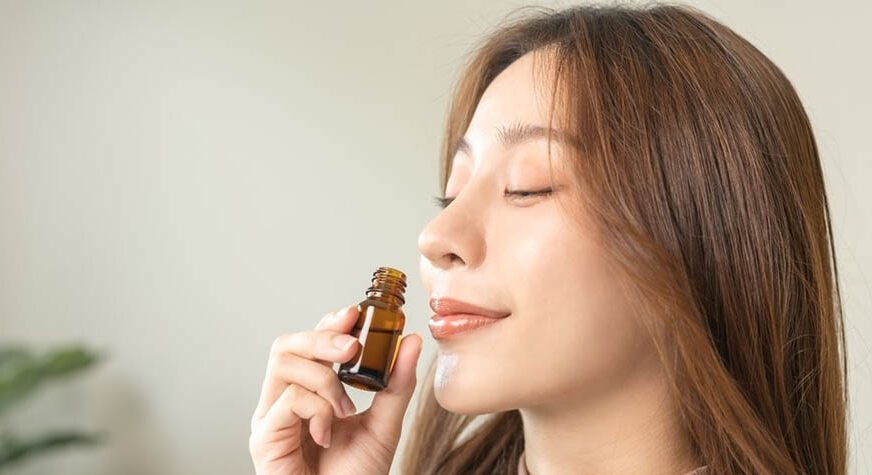
Do you ever lie awake at night, mind racing, unable to quiet your thoughts? You’re not alone. Millions of people struggle with daily stress and anxiety, searching for natural relief that doesn’t come with harsh side effects. Aromatherapy, using essential oils to support emotional and physical well-being, is one of the oldest and most accessible tools available. And modern science is beginning to confirm what traditional healers have known for centuries.
How Essential Oils Help Reduce Anxiety
When you inhale an essential oil, scent molecules travel through the nose and directly stimulate the olfactory nerve, which connects almost instantly to the limbic system, the brain’s emotional control center. The limbic system governs mood, memory, fear responses, and the stress reaction. Unlike medications that take time to absorb, aromatic compounds can trigger a neurological response within seconds.
Research supports this. A 2019 review published in Evidence-Based Complementary and Alternative Medicine found that inhalation aromatherapy significantly reduced anxiety in pre-operative patients. Studies on lavender oil (specifically the oral supplement Silexan) showed results comparable to low-dose benzodiazepines without the dependency risk. Other research points to reductions in cortisol, improved sleep quality, and lower heart rate under stress.
Important: Essential oils are natural tools that complement, not replace, professional mental health care. They work best as part of a consistent wellness routine.
7 Best Essential Oils for Anxiety
1. Lavender — Best Overall
Lavender (Lavandula angustifolia) is the most extensively studied calming oil in the world. Its floral, herbal scent is widely recognized for reducing nervous tension, improving sleep, and easing panic symptoms.
Benefits: Reduces general anxiety, promotes deeper sleep, lowers heart rate and blood pressure under acute stress, and helps interrupt the panic cycle.
Research: Clinical trials clearly show lavender’s anxiolytic (anti-anxiety) properties. In one controlled study, Silexan (an 80mg standardized lavender capsule) performed as well as lorazepam for generalized anxiety disorder.
Best Use: Diffuse 5–6 drops in the bedroom 30 minutes before sleep. Or apply 2 drops, diluted in a carrier oil, to the wrists and temples during stressful moments.
Best For: Sleep anxiety, panic attacks, general daily stress.
2. Roman Chamomile — Best for Stress and Overthinking
Roman chamomile (Chamaemelum nobile) has a soft, sweet, slightly apple-like scent that feels instinctively comforting. It has been used for centuries as a gentle stress reliever and mild sedative.
Benefits: Eases nervous tension and irritability, soothes anxiety-related stomach upset, and supports a smooth transition into sleep, particularly effective when anxiety involves overthinking.
Research: A 2017 long-term study published in Phytomedicine found chamomile extract significantly reduced relapse of generalized anxiety disorder (GAD) symptoms over 26 weeks, compared to placebo.
Best Use: Add 4–5 drops to a warm bath, or blend with lavender in a bedtime diffuser.
Best For: Stress-related sleep problems, overthinking, irritability.
3. Bergamot — Best for Mood and Daily Stress
Bergamot (Citrus bergamia) is pressed from the rind of a small citrus fruit grown in southern Italy; you may recognize its scent from Earl Grey tea. It is one of the most uplifting yet calming oils available, rare in that it lifts mood without causing drowsiness.
Benefits: Elevates low mood, reduces cortisol levels, and creates an energizing yet calming effect, particularly helpful for anxiety that comes with a depressive undertone.
Research: A 2025 study found bergamot aromatherapy in a mental health treatment center significantly reduced anxiety and improved positive feelings among staff. Animal studies have confirmed cortisol-reducing properties.
Best Use: Diffuse in the morning as part of your routine, or apply a diluted roller blend to wrists during work. Use bergapten-free bergamot for topical use to avoid photosensitivity.
Best For: Mood imbalance, morning anxiety, work stress.
4. Frankincense — Best for Meditation and Grounding
Frankincense (Boswellia sacra) has been burned in temples and used in spiritual practice for thousands of years. Its deep, warm, woody scent has a pronounced grounding effect on both mind and body.
Benefits: Slows and deepens breathing (directly activating the parasympathetic nervous system), reduces anxious rumination, and promotes a sense of calm presence.
Research: Incensole acetate, a compound found in frankincense resin, has been shown to activate TRPV3 channels in the brain, which are associated with warmth and emotional connection. Researchers at Johns Hopkins and Hebrew University described this as a potential psychoactive effect contributing to its calming properties.
Best Use: Diffuse during meditation or journaling. Apply 2–3 drops diluted in a carrier oil to the soles of the feet or the back of the neck.
Best For: Racing thoughts, meditation, spiritual grounding, anxious rumination.
5. Ylang Ylang — Best for Physical Tension
Ylang ylang (Cananga odorata) is a tropical flower with an intensely sweet, exotic floral scent. It is known as one of the most powerful oils for physical manifestations of stress, the tension that lives in your shoulders, jaw, and chest.
Benefits: Lowers heart rate and blood pressure, eases muscle tension, produces a mild sedative effect, and promotes feelings of ease and joy.
Research: A 2025 study in the Journal of Exercise Rehabilitation found ylang ylang aromatherapy significantly reduced blood pressure and improved self-esteem among nursing students under exam stress.
Best Use: Use sparingly; ylang ylang is potent and can cause headaches at high concentrations. Add just 2–3 drops to a carrier oil for massage, or 2–3 drops in a diffuser blend. Pairs beautifully with bergamot.
Best For: Physical tension, stress-related high blood pressure, nervous restlessness.
6. Clary Sage — Best for Hormonal Anxiety
Clary sage (Salvia sclarea) is lesser known but deeply powerful, particularly for women who experience heightened anxiety around menstruation or perimenopause. Its earthy, grounding scent has a gently euphoric quality.
Benefits: Regulates cortisol levels, supports hormonal balance, eases PMS-related mood swings and anxiety, and promotes emotional warmth.
Research: A 2014 Korean study found that inhaling clary sage reduced cortisol levels in menopausal women by 36% and improved thyroid hormone levels a remarkable result for an aromatherapy study.
Best Use: Diffuse during the week before your period or during high-stress afternoons. Apply diluted to the lower abdomen or wrists. Avoid during pregnancy.
Best For: Hormonal anxiety, PMS mood changes, perimenopausal stress, cortisol regulation.
7. Rose — Best for Emotional Calm
Rose (Rosa damascena) oil is one of the most precious and emotionally complex essential oils in the world. It takes approximately 10,000 petals to produce a single 5ml bottle, and its emotional depth matches that rarity.
Benefits: Deeply calming for emotional pain, grief, and heartbreak. Promotes self-worth, compassion, and a sense of inner safety. Reduces anxiety and depression linked to emotional trauma.
Research: A 2025 study found that transdermal absorption of rose oil produced significant reductions in breathing rate, blood oxygen saturation, and systolic blood pressure all markers of physiological relaxation compared to placebo.
Best Use: Add 1–2 drops to a carrier oil for a self-massage ritual or add to a warm bath. A few drops in a personal inhaler can support you through emotionally difficult moments.
Best For: Emotional anxiety, grief, low self-esteem, trauma-linked stress, self-care rituals.
How to Use Essential Oils for Anxiety
Diffuser: Add 5–10 drops to an ultrasonic diffuser and run for 30–60 minutes at a time. Do not diffuse continuously; your nose may stop registering scent after about 30 minutes. For sleep anxiety, start the diffuser 20 minutes before bed.
Bath: Mix 8–12 drops into 1 tablespoon of carrier oil or Epsom salts, then add to warm bathwater. Never add undiluted oil directly to water; it can irritate the skin.
Roller Blend: Fill a 10ml roller bottle with carrier oil and add 15–20 drops of your chosen blend. Apply to wrists, temples, and behind the ears as needed. Ideal for on-the-go anxiety management.
Steam Inhalation: Add 3–5 drops to a bowl of hot (not boiling) water. Cover your head with a towel and inhale deeply for 5–10 minutes. Effective for acute stress moments.
Pillow Spray: Mix 10 drops of lavender with 60ml of distilled water and a small amount of witch hazel. Mist your pillow 10 minutes before sleep.
3 Effective Blends to Try
Deep Sleep Blend: 3 drops lavender + 2 drops chamomile + 1 drop frankincense. Diffuse 30 minutes before bed.
Morning Calm Blend: 3 drops bergamot + 2 drops frankincense + 2 drops ylang ylang. Use in a roller bottle for daytime support.
Emotional Balance Blend: 3 drops rose + 3 drops ylang ylang + 2 drops clary sage. Add to a warm bath with Epsom salts.
Safety Tips
- Always dilute before applying to skin. The standard safe dilution for adults is 2%, approximately 12 drops per 30ml of carrier oil.
- Pregnancy: Clary sage, bergamot (high doses), and ylang ylang are contraindicated during pregnancy. Consult your healthcare provider before using any essential oil while pregnant.
- Pets: Many essential oils are toxic to cats and dogs. Always diffuse in a well-ventilated room with an exit available for your pet.
- Photosensitivity: Bergamot and other citrus oils can cause skin reactions when exposed to sunlight. Use bergapten-free versions for topical application.
- No ingestion: Essential oils should not be swallowed without medical supervision. The only clinically studied oral option for anxiety is Silexan, a pharmaceutical preparation, not a standard essential oil.
- Patch test any new oil on your wrist and wait 24 hours before wider use.
Frequently Asked Questions
What is the best essential oil for anxiety?
Lavender is the most clinically studied and widely effective option for anxiety. It works for both immediate relief and long-term stress management, and is safe for most adults when used correctly. Bergamot is an excellent daytime alternative, as it lifts mood without causing drowsiness.
Can essential oils stop a panic attack?
Essential oils cannot stop a clinical panic attack on their own. However, inhaling lavender or frankincense during a panic episode combined with slow, intentional breathing can help interrupt the physiological stress cycle. For frequent or severe panic attacks, professional support is essential.
Which oil is best for sleep anxiety?
Lavender is the gold standard for sleep-onset anxiety, supported by the strongest clinical evidence. Roman chamomile complements it well, particularly when sleep is disrupted by racing thoughts. A 3:2 blend of lavender to chamomile in a bedtime diffuser is one of the most effective natural strategies for sleep.
How quickly do essential oils work for anxiety?
When inhaled, effects can appear within seconds to a few minutes, as scent molecules directly stimulate the limbic system. Topical application typically takes 20–30 minutes to build. For best results, use consistently for 2–4 weeks; cumulative benefits are greater than with occasional use.
Can I use essential oils every day?
Yes, daily use is generally more effective than occasional use because the body benefits from consistent support for the nervous system. Vary the oils you use and take occasional short breaks (a few days each month) to prevent sensory habituation, where the brain gradually stops registering the scent.
Are essential oils safe for children?
Some oils are safe for children aged 6 and above at much lower dilutions (0.5–1%), but many are not suitable for young children at all. Lavender and Roman chamomile are among the safer options for children. Eucalyptus, peppermint, and rosemary should be avoided around children under 10. Always consult a qualified aromatherapist or pediatrician before using oils on or around children.
Do essential oils really work for anxiety?
For many people, yes, with realistic expectations. The strongest evidence exists for lavender (particularly Silexan), with multiple randomized controlled trials showing meaningful reductions in anxiety scores and improvements in sleep. For bergamot, chamomile, and frankincense, the evidence is smaller but growing. What the research does not support is using essential oils as the sole treatment for clinical anxiety disorders, which require professional assessment and appropriate care.
Final Thoughts
Managing anxiety is rarely a single-solution journey. Essential oils won’t fix everything, but used consistently and thoughtfully, they can become one of the most accessible and genuinely effective tools in your daily wellness routine.
Start with one oil, one method, and one consistent practice. Give it two to four weeks before evaluating results. The seven oils covered here lavender, chamomile, bergamot, frankincense, ylang ylang, clary sage, and rose each address different dimensions of anxiety. Whether your stress shows up as sleepless nights, racing thoughts, hormonal shifts, or emotional overwhelm, there is an oil that speaks to what you’re experiencing.
Natural wellness isn’t about quick fixes. It’s about building layers of support that make you more resilient, one breath at a time.
Medical Disclaimer: This article is for general informational purposes only and is not a substitute for professional medical advice, diagnosis, or treatment. Consult your doctor before using essential oils, especially if you are pregnant, nursing, taking medication, or have a medical condition.