


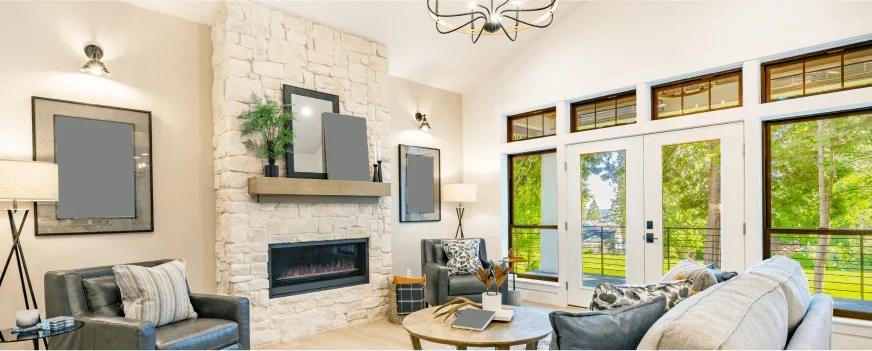
You don’t need a hefty renovation budget or a team of contractors to transform your home. With the right DIY home improvement approach, you can upgrade your living space room by room, saving thousands of dollars while adding real value to your property.
Whether you’re a first-time homeowner or someone who simply enjoys hands-on projects, this guide walks you through everything: from beginner-friendly ideas and essential tools, to room-specific makeovers and common mistakes to avoid.
Quick Answer: DIY home improvement means completing renovation and upgrade projects yourself without hiring professionals. It saves money, builds useful skills, and allows you to personalise every detail of your home.
What Is DIY Home Improvement?
DIY home improvement refers to the practice of renovating, repairing, decorating, or upgrading your home using your own time, skills, and effort rather than outsourcing to professional contractors.
It can range from simple weekend projects like painting an accent wall or replacing cabinet handles, to more involved renovations like installing flooring or upgrading lighting systems. The beauty of the DIY approach is that it puts you in the driver’s seat of your home makeover.
Why Homeowners Prefer DIY Renovations
Homeowners across the world are embracing the DIY movement for several compelling reasons:
- Full creative control. You decide every detail, from colour palettes to materials.
- Significant cost savings. Labour is often the largest expense in professional renovations.
- Flexible timeline: Work at your own pace, on your own schedule.
- Personal satisfaction. There’s genuine pride in a home you’ve improved with your own hands.
- Skill development: Each project teaches you something new and applicable to life.
Benefits of DIY Home Improvement Projects
- Lower renovation costs: Save 30% to 70% compared to hiring contractors.
- Better customisation: No cookie-cutter results; every upgrade reflects your taste.
- Increased property value. Strategic upgrades to kitchens, bathrooms, and curb appeal can dramatically raise market value.
- Practical skill-building: Plumbing basics, electrical knowledge, and carpentry skills stay with you forever.
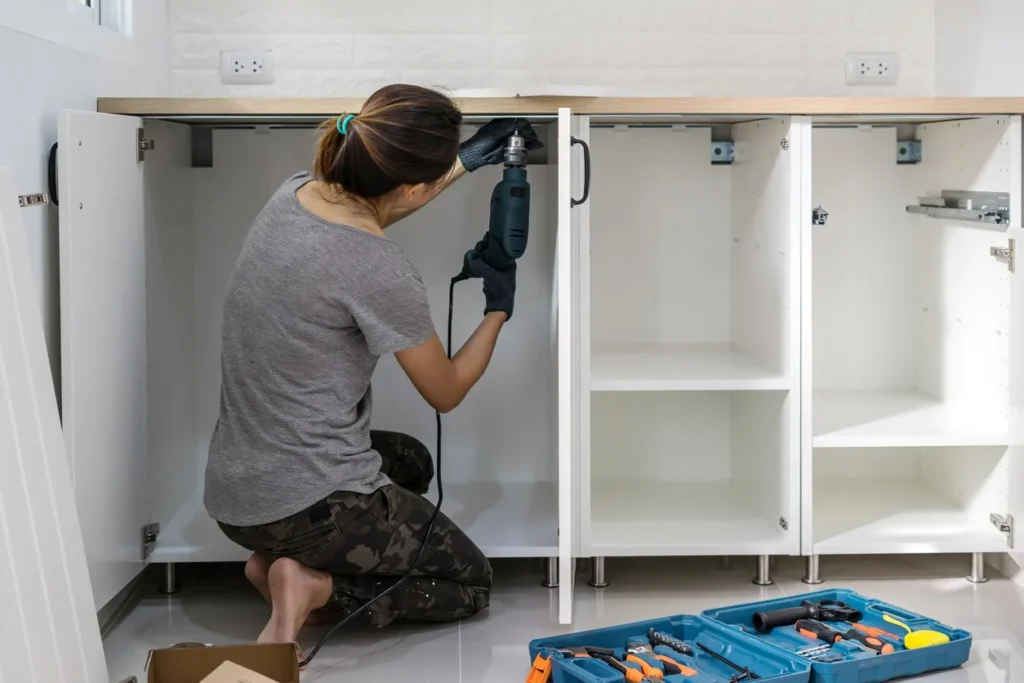
Essential DIY Home Improvement Tools
Before you dive into your first project, building a solid toolkit is essential. You don’t need to buy everything at once. Start with the basics and add tools as your projects grow in complexity.
Basic Hand Tools
These are the non-negotiables for almost any home improvement project:
- Hammer: For driving nails, assembling furniture, and light demolition.
- Measuring tape. Accurate measurements prevent costly mistakes.
- Screwdrivers (flathead and Phillips) Essential for assembly, fixtures, and hardware.
- Level ensures shelves, frames, and tiles are perfectly straight.
- Utility knife: Great for scoring, cutting wallpaper, and trimming materials.
- Pliers and adjustable wrench Useful for plumbing tasks and tightening fittings.
Power Tools for Beginners
These three power tools will cover the vast majority of beginner and intermediate DIY projects:
- Cordless drill: The single most useful DIY tool. Brands like DeWalt and Makita offer excellent beginner-friendly models.
- Circular saw for cutting lumber, shelving boards, and plywood. Bosch models are known for their safety and accuracy.
- Orbital sander Essential for prepping surfaces before painting or refinishing furniture.
Safety Equipment
Safety is non-negotiable in any DIY project. Always have the following on hand:
- Work gloves protect hands from cuts, splinters, and chemicals.
- Safety glasses shield eyes from dust, debris, and flying particles.
- Dust masks or respirators Critical when sanding, cutting drywall, or working with chemical finishes.
- Ear protection: Use when operating loud power tools for extended periods.
Pro Tip: Invest in quality tools from trusted brands like DeWalt, Makita, or Bosch. Cheap tools break quickly, cost more in the long run, and can compromise safety.
Easy DIY Home Improvement Projects for Beginners
If you’re just starting out, begin with projects that require minimal tools and a low budget and deliver visible, satisfying results. These beginner home renovation ideas will build your confidence fast.
1. Paint an Accent Wall
Painting is the single most impactful and cost-effective DIY upgrade you can make. A single accent wall in a bold colour can completely transform a room’s mood and feel.
- Cost: $20–$60 in paint and supplies
- Time: 2–4 hours
- Skill level: Complete beginner
- Tools needed: Roller, brush, painter’s tape, drop cloth
Choose a wall that already has a natural focal point, such as a bed headboard, sofa, or fireplace. Use painter’s tape for clean, sharp edges and apply two coats for professional results.
2. Install Floating Shelves
Floating shelves add both storage and style. They work in living rooms, kitchens, bedrooms, and bathrooms and they’re surprisingly easy to install.
- Cost: $15–$80 per shelf
- Time: 1–3 hours
- Skill level: Beginner with basic drilling skills
- Tools needed: Drill, level, wall anchors, stud finder
3. Upgrade Cabinet Handles and Hardware
One of the quickest and cheapest diy house upgrades with the biggest visual payoff. Replacing dated brass handles with modern matte black or brushed nickel pulls instantly refreshes kitchens and bathrooms.
- Cost: $1–$5 per handle
- Time: 30 minutes to 2 hours
- Skill level: Complete beginner
- Tools needed: Screwdriver
4. Add Peel-and-Stick Wallpaper
Peel-and-stick wallpaper is the renter’s best friend and a DIYer’s dream. It comes off cleanly, goes up quickly, and is available in hundreds of modern patterns and textures.
- Cost: $20–$80 per roll
- Time: 2–5 hours per room
- Skill level: Beginner
- Best use: Feature walls, kitchen backsplash areas, bathroom accents
5. Build a DIY Entryway Organiser
A functional entryway makes a strong first impression. Build or assemble a simple organiser with hooks, a small bench, and a shelf for keys and shoes. This is a great weekend project that adds daily convenience.
DIY Kitchen Improvement Ideas
The kitchen is the heart of the home, and often the room buyers and sellers focus on most. These budget kitchen makeover ideas deliver outsized value without a full remodel.
Paint Kitchen Cabinets
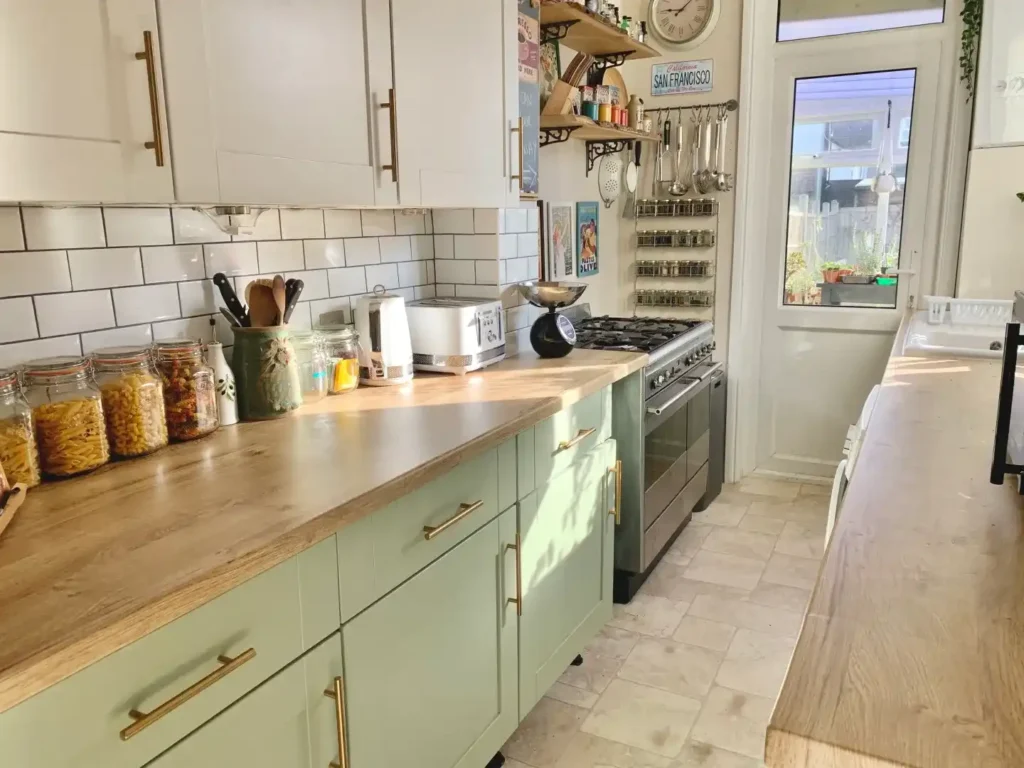
Cabinet painting is one of the highest-ROI home renovations you can do yourself. A fresh coat of paint in a modern colour (navy, sage green, or crisp white) completely transforms a dated kitchen.
- Use a deglosser first to ensure paint adhesion.
- Apply a bonding primer before painting for durability.
- Use a foam roller for smooth, brush-stroke-free results.
- Choose a semi-gloss or satin finish for easy cleaning.
Install Open Shelving
Replacing upper cabinet doors with open shelves creates an airy, modern look. Display beautiful dishware, plants, or cookbooks for a curated, magazine-worthy aesthetic.
Upgrade the Backsplash on a Budget
A new backsplash is a game-changer for a kitchen makeover. Budget-friendly options include:
- Peel-and-stick backsplash tiles. No grout, no mess, no professional needed.
- Painted tile: Use tile paint and stencils to transform existing tiles.
- Beadboard panels: A cottage-style option that installs easily with adhesive.
Improve Kitchen Lighting
Swap outdated fixtures for modern pendants over an island, or add under-cabinet LED strips for task lighting. Better lighting makes kitchens feel larger, cleaner, and more functional.
DIY Bathroom Improvement Ideas
Bathrooms are another high-impact area for DIY upgrades. These small bathroom improvement ideas work even in the tightest spaces.
Replace Bathroom Fixtures
Replacing a faucet, towel bars, toilet paper holders, and shower fixtures is easier than most people think. Modern fixtures in a cohesive finish (all matte black or all brushed nickel) instantly unify the space.
Tip: Turn off the water supply valve under the sink before replacing any faucet. Most fixtures come with clear installation instructions; no plumber is required.
Install Storage Shelves
A bathroom without storage always feels cluttered. Add a ladder shelf beside the toilet, install a recessed cabinet in the wall between studs, or mount open shelving above the toilet for towels and décor.
Upgrade Mirrors and Lighting
Replacing a basic mirror with a framed or backlit LED mirror is one of the most dramatic bathroom upgrades available at a modest price. Pair it with updated vanity lighting to complete the transformation.
Peel-and-Stick Floor Tiles
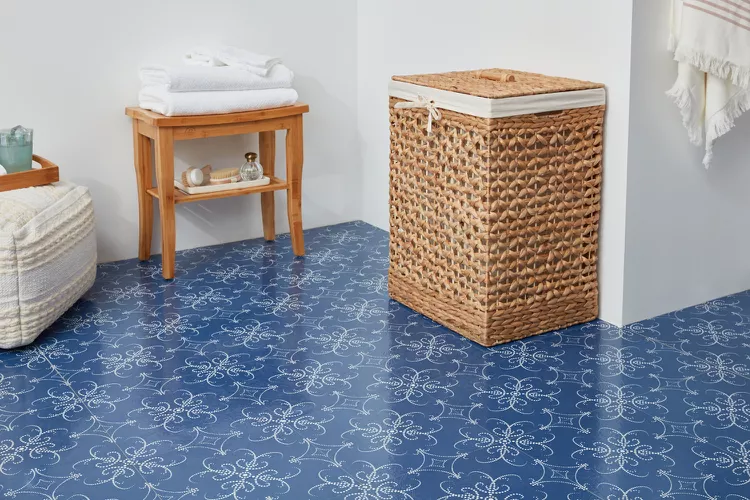
Self-adhesive floor tiles can refresh bathroom floors without removing existing tile. They’re available in marble, hexagon, and wood-look patterns, and require no special tools or adhesives.
Budget-Friendly Living Room Upgrades
Your living room is where life happens. Make it reflect your style with these affordable home upgrades.
DIY Wall Decor
Create a gallery wall using a mix of framed art prints, mirrors, and personal photos. Use a paper template on the wall to plan your layout before making any holes.
Add Built-In Shelving
Built-in-looking shelves around a fireplace or TV create a high-end, custom look. Use IKEA Billy bookcases as the base, add crown moulding and a coat of paint, and the result looks like expensive custom carpentry.
Improve Lighting Design
Layer your lighting with ambient, task, and accent sources. Add floor lamps in dark corners, install a dimmer switch, and use warm-toned LED bulbs to create a cosy living room atmosphere.
Rearrange Furniture for Better Space
Sometimes the most impactful upgrade costs nothing. Rearranging furniture to create better flow, open up space, or emphasise a focal point can make a room feel entirely new. Think about conversation zones and traffic patterns.
DIY Storage and Organisation Ideas
Good storage transforms how a home feels and functions. These diy storage ideas make the most of every square foot.
Under-Bed Storage Solutions
The space under your bed is prime storage real estate. Use rolling bins, flat baskets, or build simple wooden platforms with built-in drawers for seasonal clothing, extra bedding, and shoes.
Garage Organisation Projects
A disorganised garage is wasted space. Add pegboards for tool storage, mount wall shelving units, install overhead ceiling storage for seasonal items, and create clear zones for sports equipment, gardening, and tools.
DIY Closet Shelving
Replace a single closet rod with a custom configuration of double rods, shelves, and shoe racks. Many home improvement stores offer modular closet systems that you can cut to size and install in an afternoon.
Small Space Storage Hacks
- Use the insides of cabinet doors for organisers and racks.
- Install a magnetic knife strip in the kitchen to free up drawer space.
- Add hooks to the back of every door in the bedroom, bathroom, and pantry.
- Use vertical space in small rooms with tall shelving units.
Affordable Flooring and Wall Upgrades
You don’t need to spend a fortune on new floors or walls to achieve a fresh, modern look in your home.
Peel-and-Stick Flooring
Luxury vinyl peel-and-stick tiles have become remarkably realistic and durable. They work over most existing hard flooring surfaces, cost a fraction of traditional flooring, and can be installed in a single day.
DIY Wall Panelling
Shiplap, board-and-batten, or beadboard panelling adds architectural character to plain walls. These budget flooring ideas for walls are achievable with basic carpentry skills and widely available at hardware stores.
Repainting Old Walls
Never underestimate fresh paint. Clean the walls, fill any holes with spackle, sand smooth, apply a quality primer, and then paint. The difference between professional-looking results and amateur ones often comes down to proper wall prep.
Installing Decorative Trim
Crown moulding, chair rail moulding, or picture rail moulding adds a sense of architectural elegance. Pre-primed MDF moulding is inexpensive, easy to cut with a mitre saw, and easy to attach with construction adhesive and a nail gun.
DIY Lighting Improvements
Lighting is one of the most underrated elements of home design. Upgrading your lights can change the mood, perceived size, and style of any room.
Install LED Strip Lights
LED strip lights (available from brands like Philips) add ambience under cabinets, behind TVs, along staircases, and beneath furniture. They’re energy-efficient, easy to install with adhesive backing, and often app-controlled for color changing.
Upgrade Pendant Lighting
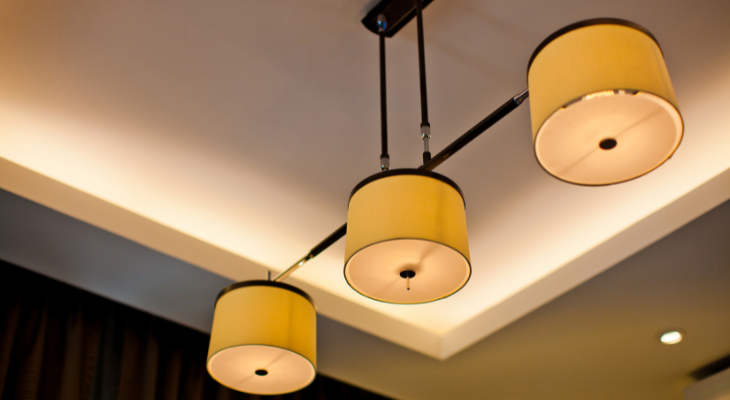
Replacing a builder-grade flush mount fixture with a stylish pendant or chandelier is one of the easiest electrical upgrades a homeowner can make. Turn off the breaker, follow the manufacturer’s instructions, and you’ll have a stunning new fixture in under an hour.
Add Smart Lighting Features
Smart bulbs and switches (like Philips Hue) allow you to control your lighting from your phone, set schedules, and create scenes. They add modern convenience and can even deter break-ins when you’re away.
Improve Natural Light Indoors
- Replace heavy curtains with sheer panels or Roman shades.
- Add a mirror opposite a window to bounce light deeper into the room.
- Clean windows inside and out it makes a bigger difference than you’d think.
- Trim overgrown bushes or trees blocking the window light from outside.
Common DIY Home Improvement Mistakes to Avoid
Even experienced DIYers make costly errors. Knowing what not to do is just as important as knowing the right techniques.
Ignoring Measurements
“Measure twice, cut once” is the golden rule of home renovation for good reason. A single mis-measured board, tile, or piece of trim can derail an entire project and waste expensive materials. Always double-check measurements before cutting or purchasing.
Using Cheap Materials
Budget-conscious is smart; cutting corners on materials is not. Cheap paint fades and chips quickly. Low-quality adhesives fail within months. Thin lumber warps and cracks. Invest in mid-range materials at minimum, they’ll look better and last significantly longer.
Skipping Safety Precautions
Home improvement safety tips exist for a reason. Never work on electrical panels without turning off the breaker. Wear eye protection when cutting or sanding. Use a respirator when working with spray paint, chemical strippers, or dusty materials. A few minutes of safety prep prevents serious injury.
Starting Complex Renovations Too Early
Confidence is great overconfidence is dangerous. Beginners should resist the urge to tackle plumbing, structural walls, or major electrical work before building foundational skills. Start with cosmetic upgrades, build experience, then graduate to more complex projects.
Warning: Projects involving structural modifications, gas lines, or main electrical panels should always involve a licensed professional, regardless of your skill level.
How to Save Money on DIY Home Renovations
Smart shopping and strategic planning multiply the value of every dollar you spend on home improvement.
Buy Materials During Sales
Hardware stores like Home Depot and Lowe’s run frequent sales on paint, flooring, lumber, and fixtures, especially around major holidays. Plan your projects around these sales and stock up on materials you know you’ll need.
Reuse and Upcycle Old Furniture
Before replacing old furniture, consider refinishing or repainting it. A dated wooden dresser becomes a modern statement piece with fresh paint and new hardware. An old bookcase gets new life with a contrasting interior color. Upcycling saves money and reduces waste.
Focus on High-Impact Upgrades
Not all improvements are equal. Focus your budget on projects with the highest return on investment:
- Fresh paint throughout (highest ROI of any DIY project)
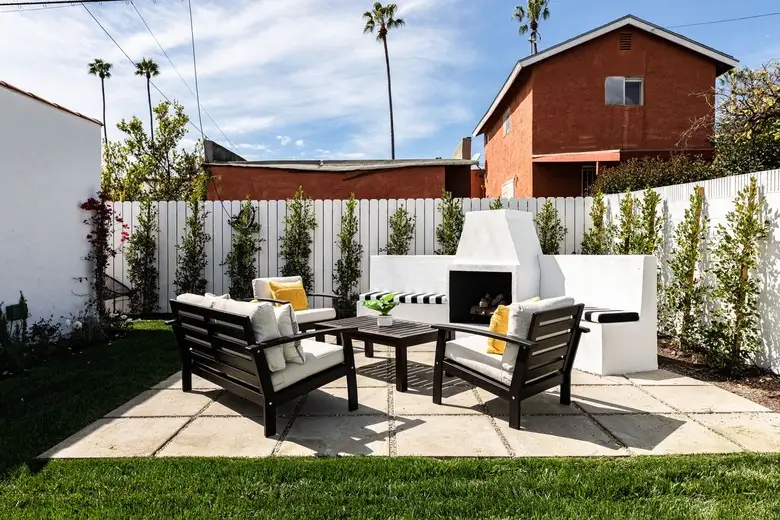
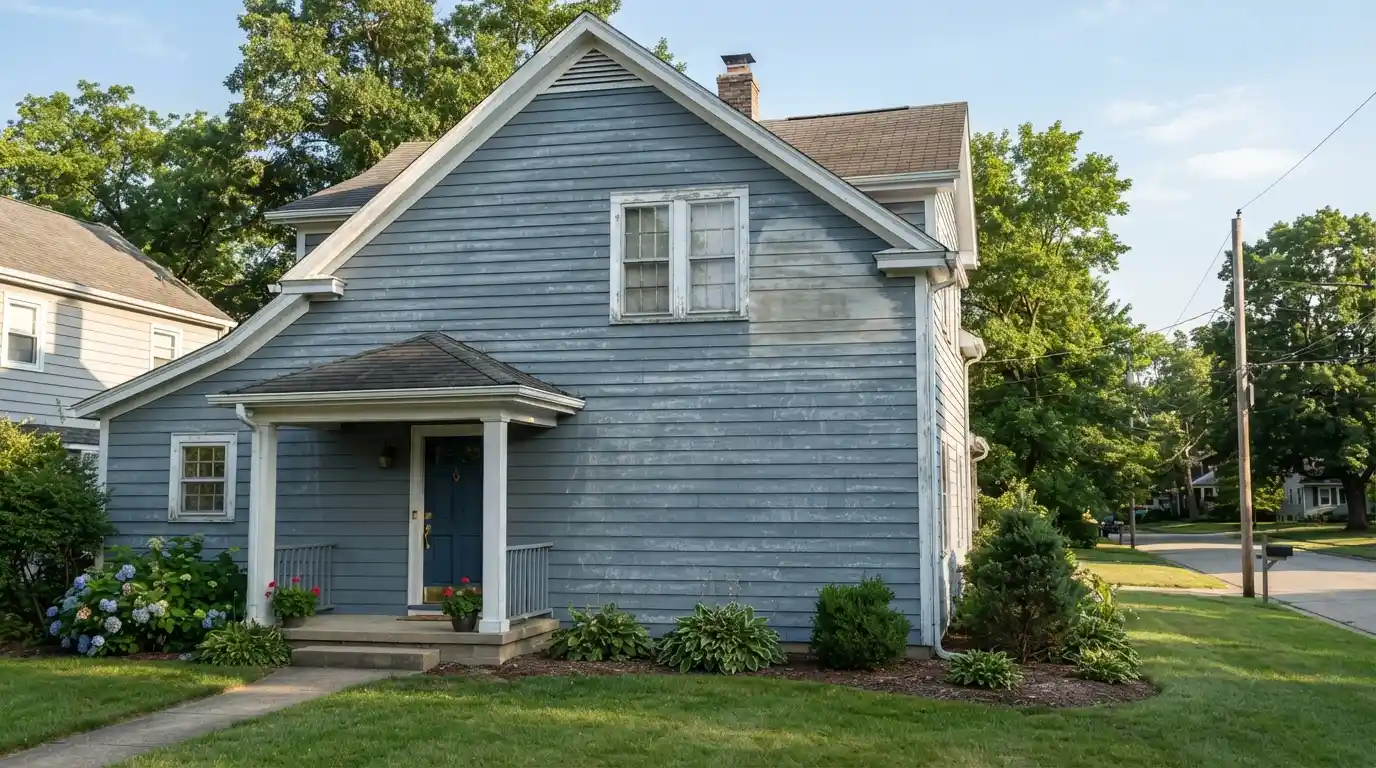
- Curb appeal improvements (landscaping, front door, exterior paint)
- Kitchen cabinet painting or refacing
- Bathroom fixture and hardware replacement
- Energy-efficient lighting upgrades
Use Budget-Friendly Alternatives
- Peel-and-stick tiles instead of traditional ceramic tile
- Contact paper instead of replacing countertops
- Liquid chalk paint instead of expensive chalk-finish products
- MDF moulding instead of solid wood trim
- Laminate flooring instead of hardwood
DIY vs. Hiring a Professional Contractor
Knowing when to DIY and when to hire a pro is a crucial skill for every homeowner. It protects your safety, your home’s integrity, and your wallet.
Projects You Can DIY Safely
- Painting walls, ceilings, and furniture
- Installing flooring (LVP, laminate, peel-and-stick tile)
- Mounting shelves, TVs, and mirrors
- Replacing light fixtures and ceiling fans (with power off)
- Upgrading cabinet hardware and bathroom accessories
- Installing a peel-and-stick backsplash or wallpaper
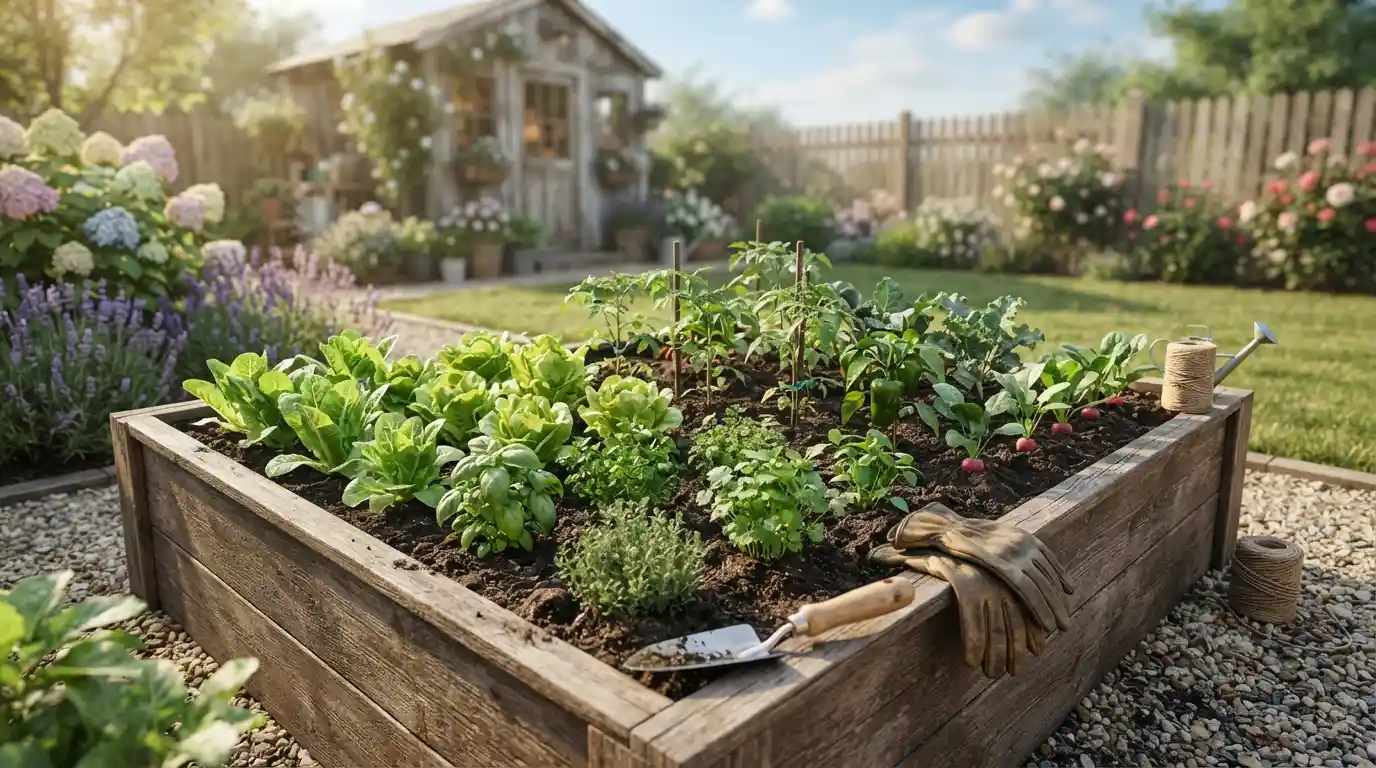
- Basic landscaping and garden bed creation
Projects Best Left to Professionals
- Structural wall removal or modification
- Main electrical panel upgrades or new circuit installation
- Gas line work of any kind
- Major plumbing changes (moving pipes, main line repair)
- Roof replacement or major structural repairs
- HVAC system installation or significant modifications
Cost Comparison
On average, homeowners save between 30% and 65% on renovation costs by completing projects themselves. For example, a professional bathroom renovation costing $8,000–$15,000 might require $2,000–$5,000 in materials when done as a DIY project. The trade-off is time and skill investment, which, for most projects, is well worth it.
Best Places to Find DIY Home Improvement Inspiration
Inspiration is everywhere, and finding it has never been easier.
Pinterest Home Ideas
Pinterest is the ultimate visual mood board for home renovation inspiration. Search by room type, style (minimalist, farmhouse, bohemian, modern), or material, and save ideas to organised boards. Use it to plan colour palettes, furniture arrangements, and décor themes before buying anything.
YouTube Renovation Tutorials
YouTube is your best free resource for step-by-step video instruction. Channels dedicated to DIY home improvement provide detailed walkthroughs of everything from installing a backsplash to building custom furniture. Watching a project completed before attempting it dramatically increases your success rate.
Home Improvement Blogs
DIY blogs offer detailed written tutorials, material lists, cost breakdowns, and honest accounts of what worked and what didn’t. Many bloggers document their own home renovations in real-time, making their advice particularly authentic and practical.
Other great sources of inspiration include Instagram (search hashtags like #DIYHomeDecor or #HomeRenovation), local thrift stores for upcycling ideas, and even your neighbourhood. Notice the homes you admire and identify what appeals to you.
FAQs About DIY Home Improvement
These questions are based on what real homeowners most often search for and are crafted to target Google’s People Also Ask section.
What is the easiest DIY home improvement project?
The easiest DIY home improvement project is painting an accent wall. It requires no special skills, minimal tools (a roller, brush, painter’s tape, and drop cloth), and can be completed in an afternoon for under $50. Other easy options include swapping out cabinet hardware, adding peel-and-stick wallpaper, or installing floating shelves.
Which home improvements add the most value?
The home improvements that add the most value are kitchen upgrades, bathroom renovations, curb-appeal improvements, and energy-efficient upgrades. Specifically, painting kitchen cabinets, replacing fixtures and hardware, installing new flooring, and improving landscaping consistently deliver strong returns on investment. According to industry data, a minor kitchen remodel can recoup 70–80% of its cost at resale.
Can beginners do home renovation projects?
Yes, absolutely. Beginners can successfully complete a wide range of home renovation projects. Start with painting, hardware replacement, peel-and-stick installations, and simple shelving. As you gain confidence and skills, work up to flooring installation, lighting upgrades, and more involved carpentry. The key is to research thoroughly, buy quality tools, and never rush a project.
What tools are needed for DIY home improvement?
The essential tools for DIY home improvement include a hammer, a measuring tape, flathead and Phillips screwdrivers, a level, and a utility knife. For power tools, a cordless drill is the most important investment, followed by a circular saw and an orbital sander. Always pair these with safety equipment: gloves, safety glasses, and a dust mask.
How much money can DIY renovations save?
DIY renovations typically save homeowners between 30% and 65% compared to hiring contractors, depending on the project. Labour costs often represent 40–60% of total renovation expenses. For example, a professional flooring installation might cost $3,000–$6,000; materials alone might be $800–$1,500, representing significant savings if you install it yourself.
Conclusion: Start Small, Think Big
DIY home improvement is one of the most rewarding investments you can make in your home, your skills, and your financial future. Every project you complete builds confidence for the next one, and the cumulative effect of many small upgrades can be genuinely transformative.
The key is to start where you are. Pick one small project this weekend: paint that room you’ve been thinking about, replace the cabinet hardware in your kitchen, or install those floating shelves you’ve been pinning on Pinterest. Once you see the results of your own effort, you’ll be hooked.
And remember: the goal isn’t perfection on your first try. It’s progress, learning, and the satisfaction of creating a home that’s truly yours at a fraction of the cost of hiring it out.
Ready to get started? Pick your first DIY home improvement project from this guide, gather your tools, and transform your space one upgrade at a time.







2 Comments
[…] here’s what most DIY guides won’t tell you: painting the wrong furniture can permanently destroy its value, damage […]
[…] and paint samples: Home improvement stores often sell single tiles and sample-size paint pots specifically for small projects like […]