

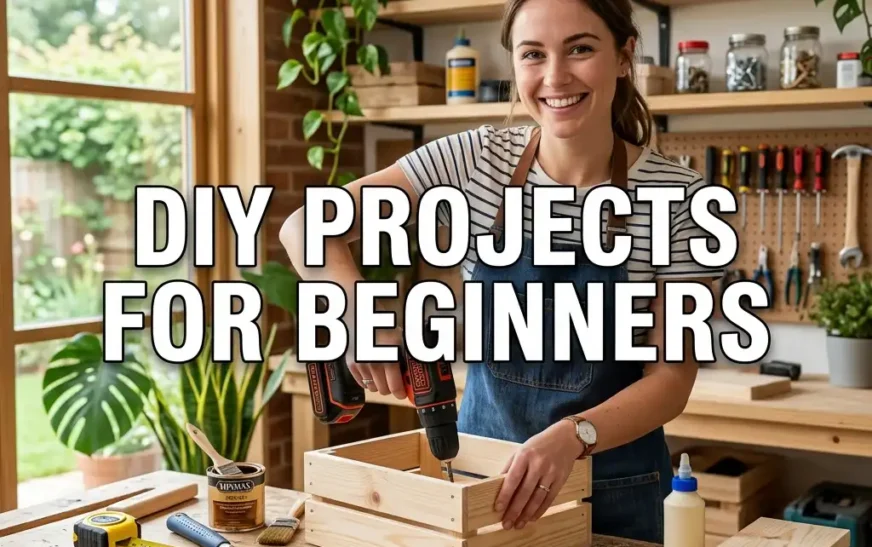
Starting your first DIY project can feel intimidating, especially when you’re not sure which tools to buy or where to even begin. The good news is that some of the most satisfying home projects require almost no experience at all. These DIY projects for beginners are built around simple steps, common materials, and a forgiving learning curve, so you can go from “I’ve never done this before” to “I made this myself” in a single afternoon.
Whether you’re decorating a first apartment, refreshing a tired living room, or just looking for a relaxing weekend hobby, this guide walks through 25 easy DIY projects for beginners, the tools you actually need, and the mistakes worth avoiding before you pick up a hammer. Every project below was chosen because it uses widely available materials, forgives small errors, and doesn’t require a dedicated workshop.
Why DIY Projects Are Perfect for Beginners
DIY projects give you a low-risk way to learn practical skills while improving your home at the same time. Unlike hiring a contractor, a beginner DIY project usually costs a fraction of the price and can be finished in a single sitting. There’s no waiting on a quote, scheduling around someone else’s calendar, or paying labour costs for something you could realistically do yourself in an afternoon.
There’s also a psychological reward that comes with building something yourself. A shelf you mounted, a table you refinished, or a planter you built by hand tends to mean more than something bought off a shelf. Beyond satisfaction, beginner-friendly projects teach transferable skills, such as measuring, sanding, and basic assembly, that make future home improvement projects easier. Once you’ve built one floating shelf, hanging a second one, or tackling a slightly bigger project like a bookshelf, feels far less intimidating.
DIY projects are also easy to scale to your comfort level. If you’re renting, you can lean toward no-drill, no-permanent-damage ideas like fabric-covered bins or painted pots. If you own your home and want to build long-term skills, wood-based projects like a pallet coffee table or ladder shelf offer more room to grow. Either way, the barrier to entry stays low, and the projects themselves double as a practical introduction to tools you’ll likely use again.
Most importantly, these projects are designed to be approachable. You don’t need a garage full of power tools or a background in carpentry. A few basic supplies and an hour of focused time are usually enough to get a real result, and most of the skills involved, like measuring twice before cutting or letting glue cure fully, apply across almost every project on this list.
Tools Every Beginner Needs Before Starting
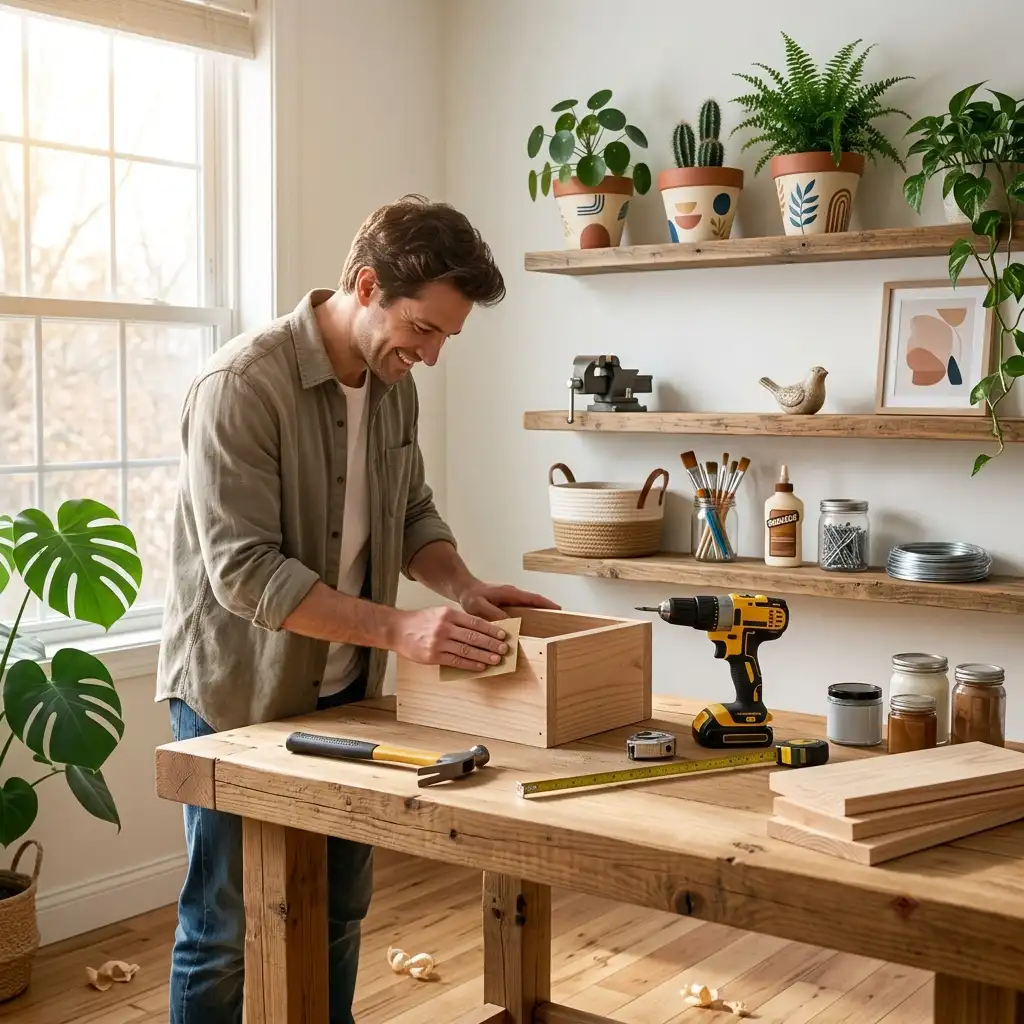
Before diving into your first project, it helps to build a small, reliable toolkit rather than buying tools project by project. Here’s what covers almost every beginner DIY project on this list:
- Tape measure
- Hammer and basic nail set
- Screwdriver set (flathead and Phillips)
- Cordless drill with basic drill bits
- Sandpaper (medium and fine grit)
- Wood glue
- Level
- Utility knife
- Paintbrushes and a small roller
- Safety glasses and work gloves
You don’t need every item on day one. Many DIY home projects for beginners can be completed with just a tape measure, sandpaper, and glue. Add tools gradually as your projects call for them.
A cordless drill is usually the first power tool worth buying, since it handles both drilling pilot holes and driving screws with the right attachment. A basic level prevents the single most common beginner mistake: shelves, frames, and organizers that look crooked once mounted on a wall. And while it’s tempting to skip safety glasses for a “quick” cut or sand, they’re worth wearing even for small five-minute projects.
25 DIY Projects for Beginners
These beginner DIY ideas are grouped loosely by difficulty, starting with no-tool projects and moving toward simple woodworking. Each one can realistically be finished in a weekend or less, and most can be adapted to whatever colors, sizes, or materials already match your space. Don’t feel locked into exact dimensions or finishes; the steps below are a starting point, not a strict blueprint.
DIY Wall Art
Stretch fabric over a canvas frame, arrange pressed leaves under glass, or paint a simple geometric pattern on canvas board. Wall art is one of the most forgiving beginner DIY ideas because mistakes are easy to paint over.
Floating Shelves
Using pre-cut wood boards and L-brackets, floating shelves add storage without visible support. Mount them at eye level in a hallway or above a desk for an instant style upgrade.
Wooden Crate Storage
Unfinished wooden crates from a craft store can be stacked, painted, or lined with fabric to create modular shelving for books, blankets, or plants.
Picture Frames
Building a basic frame from thin wood molding teaches simple joints and measuring. Add a coat of stain or paint to match any room’s decor.
Plant Stand
A three-legged plant stand made from dowel rods and a round wood top is one of the simplest beginner DIY home projects, requiring only glue and a drill.
Entryway Organizer
Combine a small shelf, hooks, and a shoe tray into one wall-mounted piece to keep keys, mail, and shoes organized near the front door.
Coffee Table Makeover
Rather than building from scratch, sand down an old coffee table, apply a fresh stain or paint color, and swap the hardware for an updated look.
Rope Basket
Coiling and gluing thick cotton rope into a basket shape creates a sturdy storage bin for blankets or toys, no sewing or cutting required.
Candle Holder
Repurpose glass jars with twine, paint, or sand-etching techniques to create rustic candle holders for a table centerpiece.
Mason Jar Organizer
Mount mason jars to a wood board using hose clamps to build a wall organizer for craft supplies, office tools, or bathroom essentials.
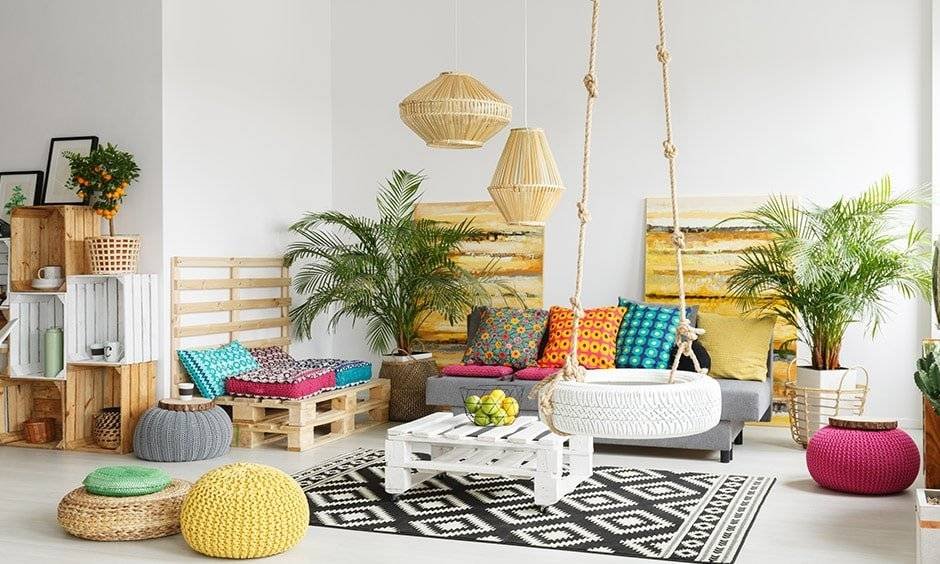
Pallet Coffee Table
Sand down a reclaimed wood pallet, attach caster wheels, and finish with stain for a rustic, budget-friendly coffee table.
Herb Garden Planter Box
Build a shallow wooden box lined with landscape fabric to grow kitchen herbs on a windowsill or balcony rail.
Beginner Bookshelf
A simple ladder-style bookshelf using two side rails and evenly spaced boards is an approachable first furniture-building project.
Stenciled Doormat
Use a plain coir doormat and stencil paint to add a custom design, monogram, or welcome message.
Concrete Planters
Pour quick-set concrete into a mold, such as a plastic container, to create modern, durable planters for succulents.
Fabric-Covered Storage Bins
Wrap cardboard boxes in fabric or wallpaper to create matching storage bins for closets or shelves.
DIY Key Holder
A small wood board with hooks and a printed label makes an easy first project involving both painting and hardware installation.
Chalkboard Sign
Paint a wood board with chalkboard paint and frame the edges for a reusable sign for menus, reminders, or welcome messages.
Wine Cork Board
Glue wine corks onto a wood backing to build a functional bulletin board for photos and notes.
Painted Terracotta Pots
Basic terracotta pots can be transformed with acrylic paint patterns for an inexpensive garden or patio decor upgrade.
Wall-Mounted Coat Rack
Attach evenly spaced hooks to a finished wood board and mount it near an entryway for coats, bags, and hats.
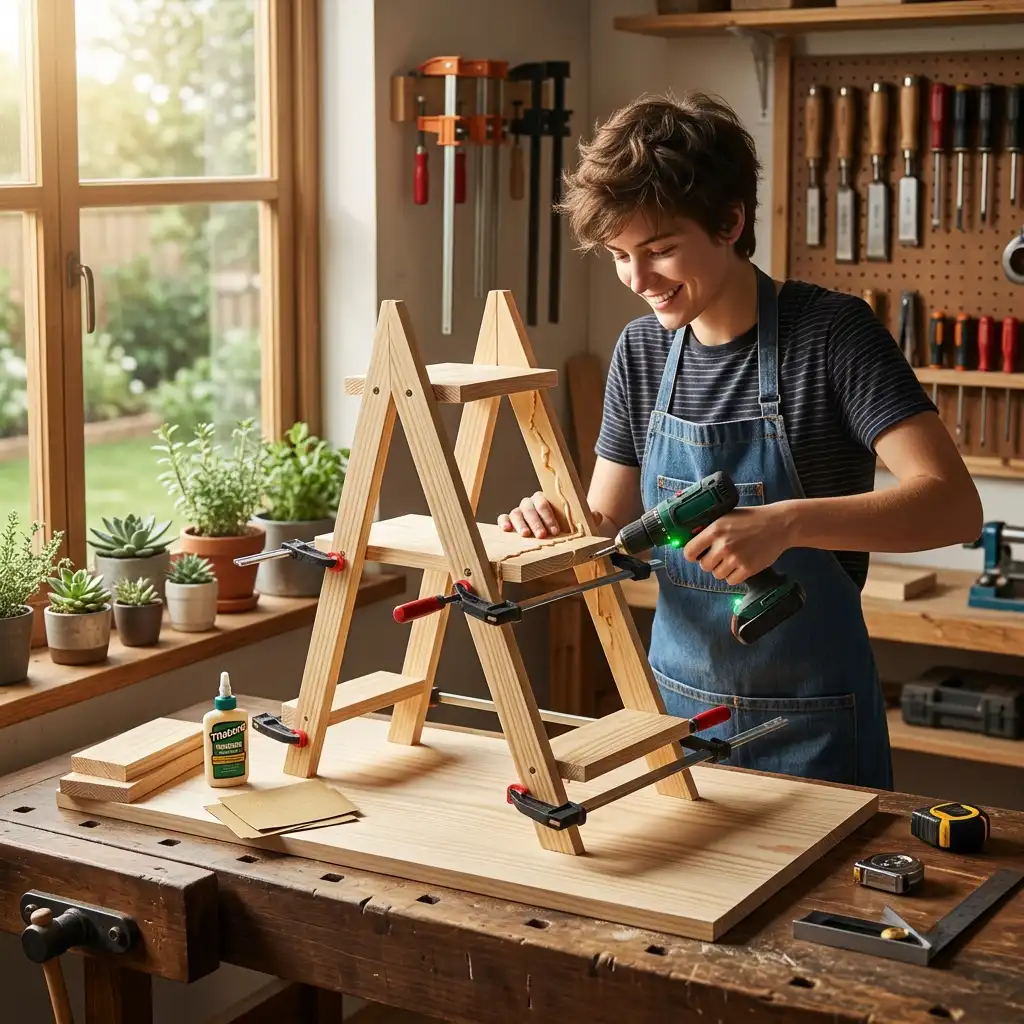
Wooden Ladder Shelf
A leaning ladder shelf made from two side rails and rungs doubles as a bookshelf or blanket display and requires no wall mounting.
No-Sew Throw Pillow Covers
Using fabric glue or fusible tape, beginners can create custom pillow covers without touching a sewing machine.
Garden Stepping Stones
Mix concrete with decorative tiles or glass in a mold to create personalized stepping stones for a garden path.
Simple Birdhouse
A basic birdhouse built from pre-cut wood pieces is a classic beginner woodworking project that combines measuring, gluing, and painting.
DIY Home Decor Projects for Beginners
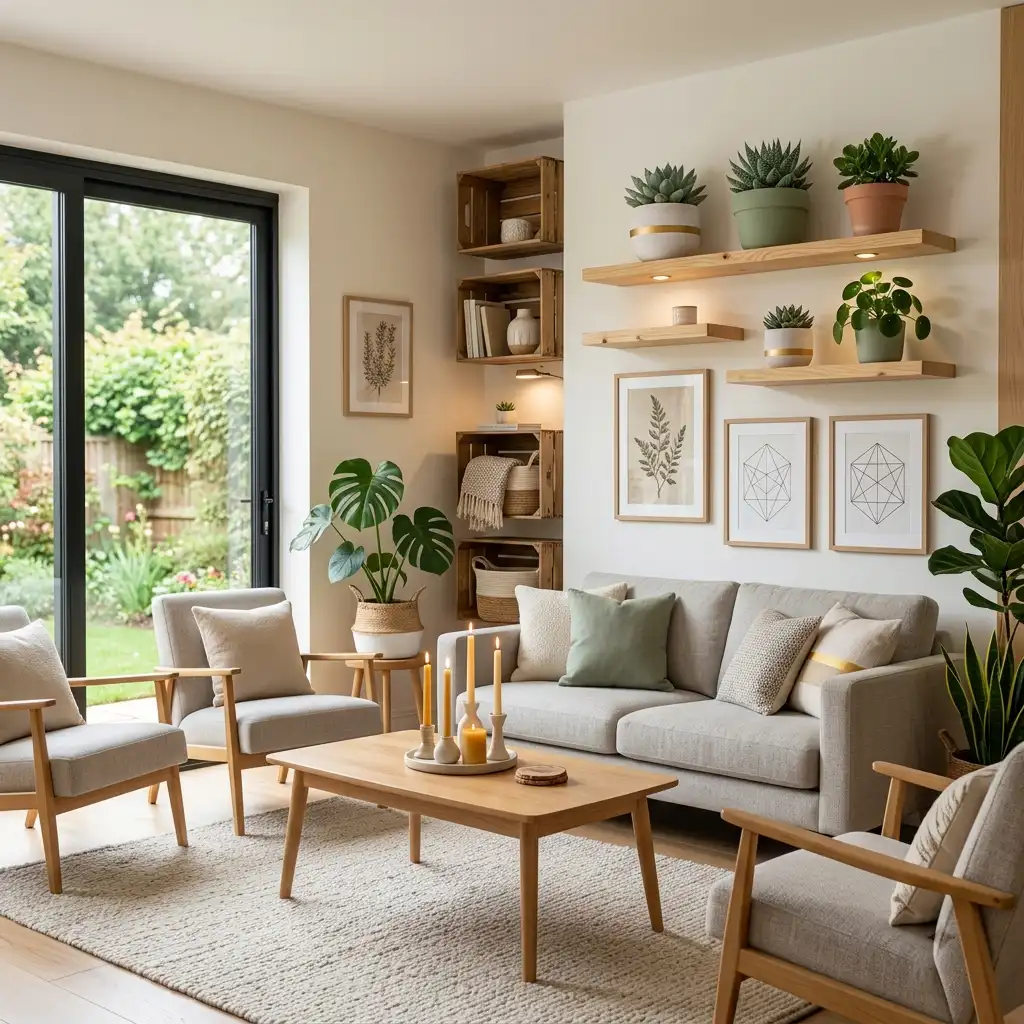
Many of the projects above double as home decor upgrades, but a few additional ideas focus purely on style. Reupholstering a small stool seat, creating a gallery wall with mismatched frames, or building a simple macrame wall hanging are all approachable ways to personalize a space without major tools. These DIY home decor projects for beginners work well in rentals since most require no permanent changes to walls or floors, and they’re easy to redo or update as your taste changes.
Color and texture matter more than complexity for decor projects. A rope basket, a stenciled doormat, and a set of painted terracotta pots can pull an entire room together even though each one takes less than an hour to make. Pairing two or three complementary colors across separate projects, rather than treating each one in isolation, tends to give the most polished result.
DIY Wood Projects for Beginners
For those ready to move into light woodworking, projects like the pallet coffee table, ladder shelf, and picture frames offer a natural next step. Starting with pre-cut or “select” boards from a hardware store reduces the need for advanced cutting tools, since most lumber suppliers will make straight cuts to size at no extra charge. Focus on simple joints, glue, and screws before attempting anything requiring a table saw or router.
Wood projects also benefit the most from proper sanding and finishing. A cheap piece of pine can look noticeably more expensive with two coats of wood stain and a coat of matte sealant. Beginners often skip this step to finish faster, but it’s usually the difference between a project that looks handmade in a good way and one that looks unfinished.
DIY Projects Under $50 for Beginners
Budget is often the biggest factor for first-time DIYers. Several projects on this list, including candle holders, painted terracotta pots, stenciled doormats, and rope baskets, can be completed for well under $50 in materials. Buying supplies in bulk, such as wood stain or paint, and reusing containers or fabric scraps helps stretch a small budget across multiple projects. Checking a local hardware store’s scrap or off-cut bin is also worth doing before buying full-size boards, since many beginner projects only need small pieces of wood.
Project | Estimated Cost | Time Needed |
Painted Terracotta Pots | $10–15 | 30 minutes |
Rope Basket | $15–20 | 1 hour |
Floating Shelves | $20–35 | 1–2 hours |
Plant Stand | $15–25 | 1 hour |
Pallet Coffee Table | $30–50 | 2–3 hours |
Common Mistakes Beginners Should Avoid
- Skipping measurements: Rushing into cutting or drilling without measuring twice leads to uneven results.
- Ignoring drying times: Paint, glue, and stain all need proper curing time before handling.
- Buying too many tools upfront: Start with the basics and expand your toolkit as projects require it.
- Working without a level surface: Uneven surfaces make shelves, frames, and furniture look crooked even when built correctly.
- Not sanding between coats: Skipping light sanding between paint or stain coats leaves a rougher finish.
- Using the wrong glue for the material: Wood glue, fabric glue, and craft glue aren’t interchangeable, and using the wrong one is a common reason projects fall apart.
- Overcomplicating the first project: Choosing an ambitious build before mastering basic measuring and assembly often leads to frustration. Start with something like a candle holder or painted pot before attempting furniture.
Frequently Asked Questions
What is the easiest DIY project for beginners?
Painted terracotta pots and candle holders are among the easiest, requiring no power tools and very few materials.
What tools do beginners need?
A tape measure, sandpaper, wood glue, a screwdriver set, and a cordless drill cover most beginner projects.
Can beginners do DIY without power tools?
Yes. Projects like rope baskets, fabric-covered bins, and painted decor rely on glue, paint, and basic hand tools instead of power equipment.
Which DIY projects increase home value?
Floating shelves, entryway organizers, and coffee table makeovers are simple upgrades that improve both function and visual appeal without major renovation costs.
How long does a beginner DIY project usually take?
Most projects on this list take between 30 minutes and three hours, depending on drying or curing time for paint, glue, or concrete.
Is it cheaper to DIY than buy furniture or decor?
In most cases, yes. Building a plant stand, coffee table, or storage bin from raw materials typically costs less than a comparable store-bought version, though the savings depend on material choices and whether you already own basic tools.
Final Thoughts
DIY projects for beginners don’t need to be complicated to make a real difference in how a home looks and feels. Starting small, whether with a painted pot or a simple floating shelf, builds the confidence and skills needed for bigger projects down the road. The goal isn’t to master every technique in one weekend, but to finish one project well enough that you want to start the next one.
If you’re not sure where to begin, pick a project that solves a problem you already have, whether that’s a cluttered entryway, a bare wall, or a coffee table that’s seen better days. Matching the project to a real need in your home tends to keep motivation higher than picking something purely for practice. Pick one idea from this list, gather a few basic supplies, and set aside an afternoon to get started.