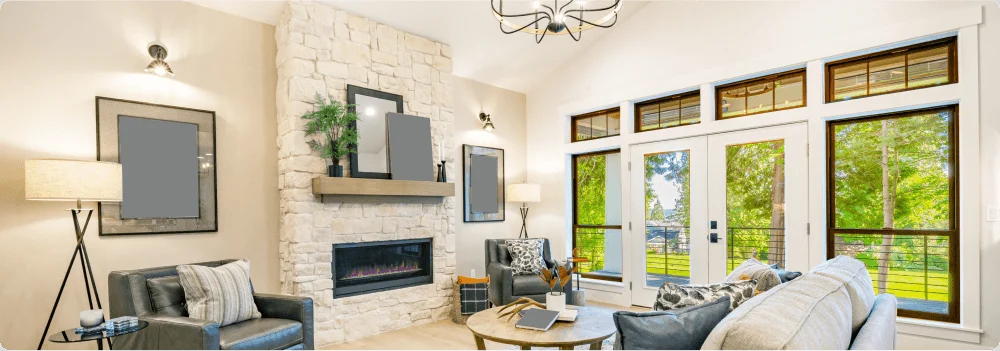


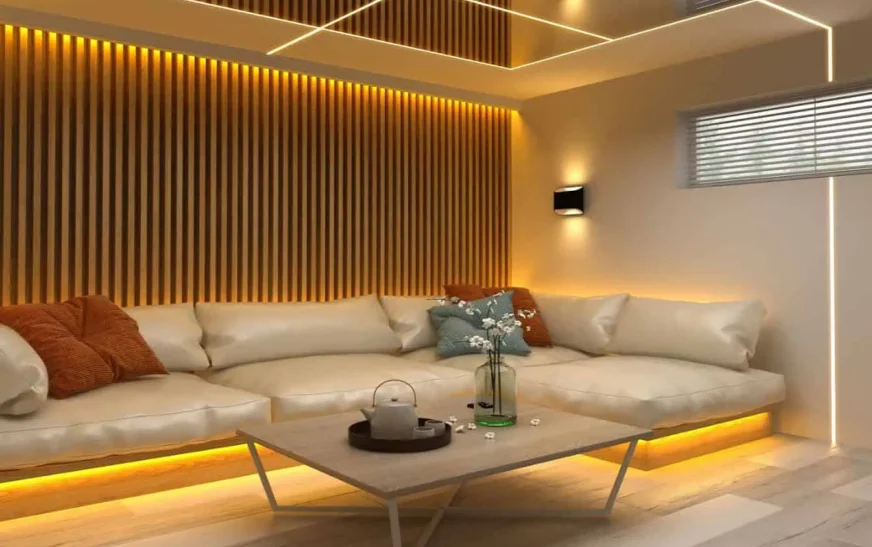
Ambient lighting DIY is the soft, diffused, overall illumination that fills a room without a harsh focal point. Unlike task lighting (a desk lamp) or accent lighting (an art spotlight), ambient lighting wraps a space in gentle, even light the kind that makes you exhale the moment you walk in.
Interior designers treat ambient lighting as the foundation of every well-designed room. It sets the emotional tone before a single piece of furniture is noticed. Research in environmental psychology consistently shows that warm, low-intensity light reduces cortisol levels, lowers perceived stress, and triggers the body’s natural wind-down response, which is why a dimly lit living room feels instantly more inviting than a bright one.
The temperature of your light matters enormously. Warm white light (2700K–3000K) mimics the golden hue of candlelight or a setting sun, promoting relaxation. Cool white or daylight bulbs (4000K–6500K) are energizing and better suited for workspaces. For cozy room lighting, always lean warm.
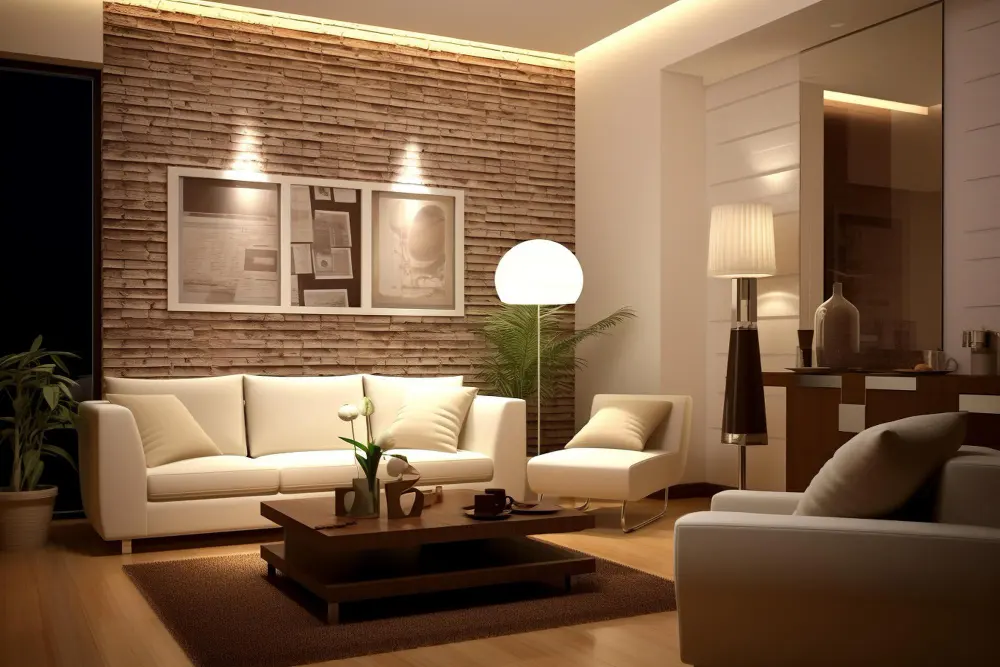
Best Types of Ambient Lighting for a Cozy Home
Ceiling Soft Lighting
The ceiling is your starting point for ambient light layering:
- Hidden LED panels and cove lighting: Recessed LED strips tucked into a ceiling cove or tray send light upward, creating a soft halo effect that feels architectural and calm. This is one of the most effective ambient lighting DIY upgrades you can make with an LED strip kit and a bit of trim.
- Diffused ceiling fixtures: Drum shades, flush-mount frosted glass fixtures, and globe lights scatter light evenly across a room. Avoid bare bulb fixtures, which create glare rather than ambiance.
Table & Floor Lamps
Lamps are the workhorses of a warm lighting setup. A single overhead fixture rarely creates coziness as lamps do.
- Warm-toned bedside lamps with fabric shades (not glass or metal) cast a golden, diffused glow perfect for winding down.
- Corner floor lamps with an upward-facing shade bounce light off the ceiling, eliminating dark corners one of the most common mistakes in ambient lighting design.
Wall Lighting & Sconces
Wall-mounted lights add dimension by creating shadow play across surfaces. A sconce placed beside a bookshelf, behind a sofa, or flanking a headboard adds depth that a single overhead light simply cannot. Shadow is not the enemy of cozy lighting; it’s part of what makes a space feel intimate rather than clinical.
DIY Ambient Lighting Ideas You Can Try at Home
You don’t need a designer’s budget to create mood lighting for your home. These DIY ideas are affordable, renter-friendly, and genuinely effective.
Fairy Light Glow Setup
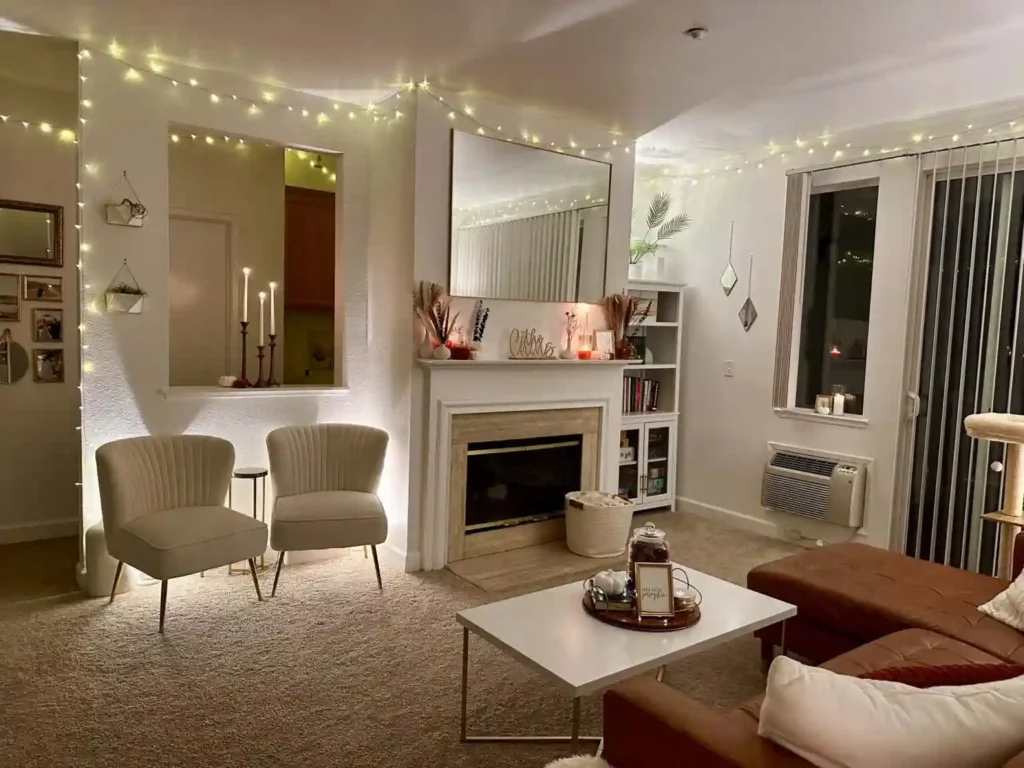
Fairy lights (warm white, 2700K) draped across a bedroom wall, woven through a sheer curtain, or tucked behind a headboard create instant ambiance. The curtain lighting technique, draping a string of fairy lights behind a sheer white panel mimics the look of a backlit soft panel for a fraction of the cost. Use a plug-in LED set with a timer so you don’t have to think about switching them off.
Mason Jar Warm Lights
This rustic ambient lighting DIY is simple and satisfying. Drop a small LED puck light or a battery-operated fairy light coil into a mason jar. Group three jars of varying heights on a bedside table or shelf. The glass diffuses the light beautifully, creating a warm, flickering glow without any wiring. These are ideal for living room shelving, bathroom counters, or outdoor porches.
DIY Lamp Shade Hacks
Store-bought lamp shades can be transformed for a custom ambient effect:
- Paper or tracing paper shade inserts: Sliding a sheet of warm-toned tracing paper inside a shade softens and warms the output light noticeably.
- Fabric-wrapped shades: Wrapping a plain shade in linen or burlap diffuses light while adding texture.
- Punched tin or perforated card Creates patterned shadow effects on walls and ceilings, turning a basic lamp into a statement mood-lighting piece.
How to Create a Cozy Room Lighting Setup (Step-by-Step)
Follow this simple framework to build a layered, cozy warm lighting setup in any room:
- Choose warm white bulbs (2700K–3000K). Replace every cool or daylight bulb in the room. This single step makes the biggest difference of anything on this list.
- Layer your lighting sources. Use at least three light sources in a room: ceiling (ambient), table or floor lamp (mid-level), and accent (low-level strip or candle). Layers eliminate the flat, hospital-like feel of single-source lighting.
- Avoid harsh direct lighting. Point light sources toward walls or the ceiling wherever possible. Light that bounces off a surface is almost always more flattering and comfortable than direct light hitting your eyes.
- Add dimmers to your key fixtures. Dimmer switches are the single highest-ROI upgrade in home lighting. Being able to drop overhead lighting to 30% in the evening transforms the atmosphere of a room.
- Balance light placement in room corners. Dark corners make a room feel smaller and less inviting. A floor lamp or a low-wattage plug-in sconce in each corner fills the room with balanced warmth.
Cozy Lighting Ideas for Different Rooms
Bedroom Cozy Lighting Setup
The bedroom should support two modes: gentle wind-down and complete darkness for sleep. Use warm LED strips tucked behind the headboard on a dimmer for soft backlighting that reduces eye strain while reading. Pair with a bedside lamp featuring a fabric shade. Avoid overhead lighting in the bedroom after sunset if possible; it sends the wrong signal to your circadian rhythm.
Living Room Ambient Lighting
Layer a dimmed overhead fixture with a tall corner floor lamp and LED backlighting behind the television. TV backlighting (also called bias lighting) reduces eye strain in dark rooms and adds depth to your viewing experience. Warm white bias light strips, set to around 10–15% brightness, are one of the most underrated cozy room lighting upgrades available.
Study Room Relaxed Lighting
A study needs balanced brightness enough to read without squinting, calm enough not to cause anxiety. Combine a daylight desk lamp (5000K) for focused task work with warm ambient lighting on a dimmer in the rest of the room. This contrast between task and ambient prevents eye strain and keeps the space from feeling either too bright or too dim.
The Psychology of Cozy Lighting: Why It Actually Works
Warm, low-level lighting does more than look nice; it physiologically shifts your state. Here’s what the science says:
- Warm light reduces stress hormones. Studies in human factors and lighting design show that people in warm-lit environments self-report significantly lower stress than those in cool-lit spaces with equivalent brightness.
- Soft lighting improves sleep quality. Exposure to warm light in the hours before sleep supports natural melatonin production, while blue-enriched white light (cool LEDs) suppresses it.
- Intimate lighting creates psychological safety. Lower light levels signal to the brain that the environment is safe and private, the same reason restaurants dim lights to encourage longer, more relaxed dining. That same principle works in your living room or bedroom.
Common Ambient Lighting Mistakes to Avoid
- Relying on a single overhead light source. One ceiling fixture creates flat, unflattering light with no depth.
- Using cool or daylight bulbs throughout. Cool white light is energizing, not relaxing. Reserve it for kitchens, bathrooms, and workspaces.
- Ignoring the corners. Dark corners shrink a room visually and kill the cozy atmosphere regardless of what else you do.
- Skipping dimmers. Fixed-brightness lights can’t adapt to time of day or mood. Dimmers are essential for a functional warm lighting setup.
- Overlooking light placement height. A light source at eye level or below creates a dramatically different (and more intimate) feel than overhead lighting alone.
Pro Tips to Make Your Home Feel Instantly Cozier
- Switch every bulb to warm white (2700K). It’s the fastest, lowest-cost transformation available.
- Add mirrors opposite light sources. A mirror facing a lamp doubles perceived warmth and makes a room feel larger.
- Mix natural light with artificial light. In daylight hours, lean into natural light with sheer curtains. As the sun sets, gradually transition to warm artificial light sources; this mirrors the natural light cycle and supports circadian health.
- Keep light indirect wherever possible. Bounce it off walls and ceilings. Lampshades should face slightly upward. This is the core principle behind every professionally designed ambient lighting scheme.
- Use candles or flame-effect bulbs as accents. Even one or two real candles on a coffee table adds a quality of flicker and warmth that no LED fully replicates.
Conclusion
Ambient lighting isn’t a luxury; it’s the invisible architecture of how your home feels. A few warm bulbs, a layered lighting setup, and some creative ambient lighting DIY can shift a space from merely functional to genuinely restorative. You don’t need to rewire anything or spend a fortune. Start with your bulbs, add a floor lamp to a dark corner, and experiment with dimmers. Small lighting changes create outsized emotional impact, and that’s exactly the kind of upgrade worth making.
Frequently Asked Questions (FAQ)
Q: What is the best color temperature for ambient lighting?
A: The best color temperature for ambient and cozy room lighting is 2700K to 3000K (warm white). This range mimics the golden tones of candlelight, promotes relaxation, and supports healthy sleep patterns.
Q: What is the difference between ambient and mood lighting?
Ambient lighting refers to the overall, general illumination of a room the base layer of light. Mood lighting is a broader term that describes any lighting used to create a specific emotional atmosphere, which often includes ambient lighting, candles, accent lights, and dimmers working together.
Q: Can I do ambient lighting DIY without rewiring?
Absolutely. Plug-in floor lamps, battery-powered fairy lights, LED strip lights with adhesive backing, and smart bulbs in existing fixtures all create excellent ambient lighting without any electrical work. These are perfect for renters or anyone who wants a low-commitment warm lighting setup.
Q: How do I make my room feel cozier with lighting?
A: Use warm white bulbs (2700K–3000K), add multiple light sources at different heights, eliminate harsh overhead-only lighting, install a dimmer switch, and fill dark corners with floor lamps or plug-in sconces. These five steps consistently create a noticeably warmer, more inviting atmosphere.
Q: Is LED lighting good for cozy ambiance?
Yes, warm white LED bulbs (2700K–3000K) are excellent for cozy ambiance, energy-efficient, long-lasting, and dimmable. Avoid “daylight” LED bulbs (5000K–6500K) in living spaces, as their cool blue-toned light is energizing rather than relaxing.
Q: How many light sources should a cozy room have?
Interior designers typically recommend at least three light sources in a room: one overhead ambient source, one mid-level source (table or floor lamp), and one low-level or accent source (strip lights, candles, or wall sconces). This creates the layered warmth that defines cozy room lighting.