

Eating healthy sounds simple until you’re standing in a grocery store, overwhelmed by conflicting advice, trendy superfoods, and a dozen diet labels. Low-carb? Plant-based? High-protein? What does “balanced” even mean anymore?
Here’s the truth: a genuinely healthy diet isn’t complicated, expensive, or restrictive. It’s built on timeless nutritional science, understanding what food groups your body needs, how they work together, and how to eat in a way that’s sustainable for real life.
This guide breaks it all down. Whether you’re starting your nutrition journey or looking to fine-tune your habits, you’ll leave with practical, evidence-based knowledge you can apply today.

What Is a Healthy Diet? (And What It’s Not)
A healthy diet is a consistent eating pattern that supplies your body with all the essential nutrients, carbohydrates, proteins, fats, vitamins, and minerals in the right proportions to support energy, immunity, mental health, and long-term disease prevention.
What a healthy diet is NOT:
- A crash diet or short-term fix
- Eliminating entire food groups
- Eating the same “clean” foods every day
- Being perfect 100% of the time
The World Health Organization defines a healthy diet as one that protects against malnutrition in all its forms and against noncommunicable diseases such as diabetes, heart disease, and cancer. Real nutrition is about building habits, not following rules.
A healthy diet is a varied, balanced eating pattern that provides all essential nutrients in appropriate amounts, focusing on whole foods while limiting processed foods, added sugars, and unhealthy fats.
Why a Healthy Diet Matters More Than Ever in 2026
Modern life works against good nutrition. Ultra-processed foods make up a growing share of the global food supply. Sedentary lifestyles, chronic stress, and poor sleep compound the damage. A well-structured, balanced diet remains the single most powerful lifestyle tool for long-term health.
Physical Health Benefits
- Stronger immune system vitamins C, D, zinc, and antioxidants from whole foods keep your defenses sharp
- Healthy weight management, nutrient-dense foods naturally regulate appetite and metabolism
- Better digestion, dietary fiber from plants feeds your gut microbiome
- Sustained energy levels, complex carbohydrates, and healthy fats provide stable fuel all day
Mental & Cognitive Benefits
- Improved focus and memory, omega-3 fatty acids support brain structure and function
- Reduced anxiety and depression, the gut-brain axis links your diet directly to mood regulation
- Emotional stability and blood sugar balance prevent mood swings and irritability
Long-Term Disease Prevention
- Lower risk of heart disease, type 2 diabetes, and certain cancers
- Improved bone density and joint health
- Better longevity and quality of life as you age
The Three Core Principles of Balanced Nutrition
1. Balance Across Nutrients
Your body needs the full spectrum of:
- Macronutrients: carbohydrates (energy), proteins (repair and growth), fats (hormones and brain health)
- Micronutrients: vitamins and minerals that regulate hundreds of biological processes
- Water essential for every cellular function
No single nutrient is the enemy. Cutting carbs completely deprives your brain of its preferred fuel. Avoiding all fats disrupts hormone production.
2. Variety Across Food Sources
Eating a wide range of foods ensures you cover the full spectrum of essential nutrients, supports a more diverse gut microbiome, and makes eating more enjoyable and sustainable over the long term.
3. Moderation, Not Restriction
Healthy eating is not about deprivation. It’s about appropriate portions and mindful choices most of the time. What matters is your consistent daily pattern, not a single meal.
The Main Food Groups: Your Nutrition Blueprint
Food groups are a practical framework for building a balanced plate. Each delivers a distinct set of nutrients your body relies on.
Fruits & Vegetables | Your Micronutrient Powerhouse
Fruits and vegetables should make up the largest portion of your daily intake. They deliver vitamins (A, C, K, folate), dietary fiber for gut health, antioxidants that reduce inflammation, and phytonutrients with anti-cancer properties.
Best choices: leafy greens (spinach, kale), cruciferous vegetables (broccoli, cauliflower), colorful fruits (berries, citrus, mango), and root vegetables (carrots, sweet potatoes).
Pro tip: Eat the rainbow. Each color pigment represents a different class of antioxidants. Variety isn’t just preference, it’s a strategy.
Whole Grains | Sustained Energy for Body and Brain
Whole grains are the most misunderstood food group, often lumped in with “bad carbs.” Here’s the real difference:
| Whole Grains | Refined Grains |
| Retain bran, germ & endosperm | Bran and germ removed |
| High fiber, B vitamins | Lower nutritional value |
| Slow, stable glucose release | Rapid blood sugar spike |
| Support gut health | Less digestive benefit |
Top sources: oats, brown rice, quinoa, whole wheat bread, barley, and millet. For anyone managing blood sugar, switching from refined to whole grains is one of the highest-impact dietary moves you can make.

Protein Foods | The Body’s Repair & Build System
Protein builds and repairs muscle tissue, produces enzymes and hormones, supports immune function, and keeps you full between meals.
Animal sources: eggs, chicken, fatty fish (salmon, sardines), Greek yogurt, cottage cheese.
Plant sources: lentils, chickpeas, black beans, tofu, tempeh, quinoa, hemp seeds.
Daily target: 0.8–1.2g per kilogram of body weight for most adults; higher for athletes, older adults, and those recovering from illness.
Dairy & Calcium-Rich Foods | Bone Strength and Beyond
Dairy products are among the most efficient sources of calcium and vitamin D, critical for bone density, muscle function, and nerve signaling. Key sources include milk, Greek yogurt (adds probiotics), cheese in moderation, and fortified plant milks for those avoiding dairy.
Healthy Fats, | Brain Fuel, and Hormonal Balance
Healthy fats are essential, not optional. They support brain development, hormone production, absorption of fat-soluble vitamins (A, D, E, K), and cardiovascular health.
Include: extra virgin olive oil, avocados, almonds, walnuts, chia seeds, and fatty fish.
Limit: trans fats (partially hydrogenated oils) and excessive saturated fats from processed meats.
How to Build a Healthy Plate: The Practical Method
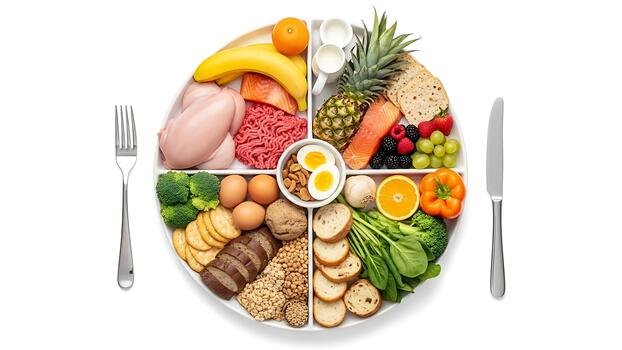
The Healthy Eating Plate model is the simplest, most effective visual framework for daily nutrition:
½ plate → Fruits & Vegetables
¼ plate → Whole Grains
¼ plate → Quality Protein
Side → Healthy Fats (olive oil, nuts, avocado)
Drink → Water (primary beverage)
This works across every cuisine: South Asian dal and rice, Mediterranean fish and salad, Latin American grain bowls. It’s culturally flexible by design.
Foods to Limit for Better Long-Term Health
Eating well is also about what you reduce. These categories, consumed habitually in excess, are consistently linked to chronic disease:
- Ultra-processed foods, packaged snacks, fast food, instant meals
- Sugary beverages, sodas, sweetened juices, energy drinks
- Refined carbohydrates: white bread, pastries, sugary cereals
- Trans fats found in many fried and commercially baked goods
- Excess sodium in processed meats, canned soups, and salty snacks
Nuance: The goal is reduction, not elimination. A flexible diet is far more sustainable than one built on strict avoidance.
Nutrient Density vs. Empty Calories
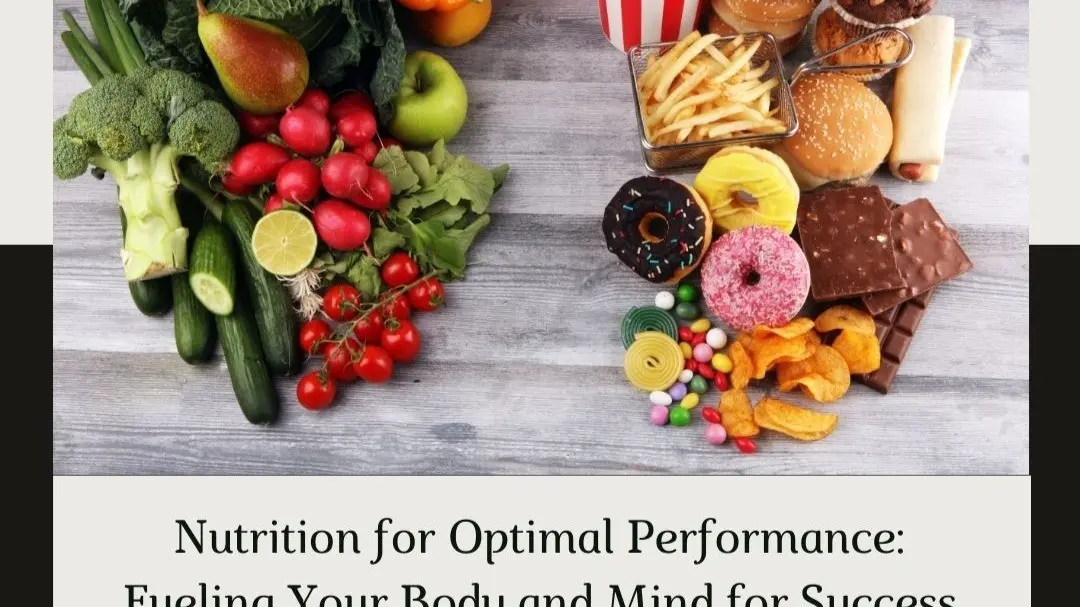
Nutrient density measures how many vitamins, minerals, and beneficial compounds a food delivers relative to its calorie count, the single most useful concept in practical nutrition.
| Nutrient-Dense | Empty Calories |
| Spinach, broccoli, berries | Soda, candy, chips |
| Eggs, lentils, sardines | Packaged cookies, white bread |
| Oats, quinoa, sweet potato | Sugary cereals |
| Nuts, seeds, olive oil | Margarine, fried snacks |
Choosing nutrient-dense foods consistently means your body gets more value from every calorie, better energy, a healthier metabolism, and better long-term outcomes.
Sample One-Day Healthy Meal Plan
Breakfast: Overnight oats with chia seeds, banana, walnuts, and a drizzle of honey. Optional: a boiled egg for extra protein.
Mid-Morning Snack: An apple with almond butter, or Greek yogurt with berries.
Lunch: Brown rice or quinoa bowl with grilled chicken or chickpeas, roasted vegetables, and tahini dressing.
Afternoon Snack: Mixed nuts and seeds, or hummus with vegetable sticks.
Dinner: Baked salmon or lentil curry with steamed broccoli and a side salad dressed in olive oil and lemon.
All day: Water as the primary drink. Herbal teas as needed. Limit sugary drinks entirely.
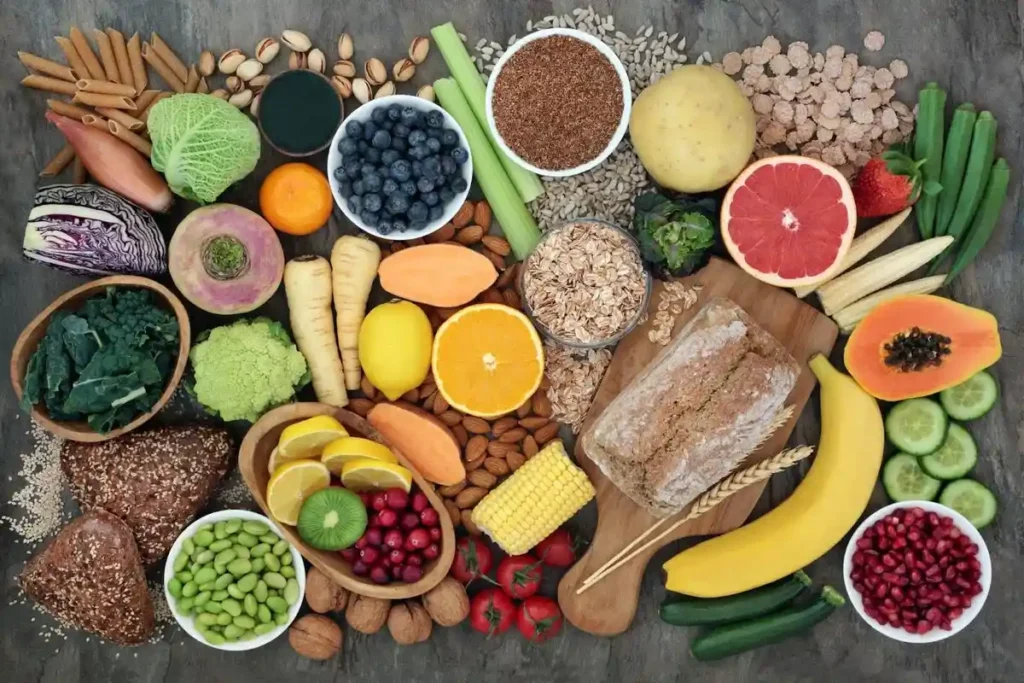
Healthy Eating Across Different Life Stages
Children & Adolescents: Prioritize calcium for bone development, protein for growth, and iron-rich foods (eggs, lentils) for cognitive development. Limit sugary snacks. Early habits formed young tend to persist.
Adults (20–50): Balance macronutrients for sustained energy. Add anti-inflammatory foods (berries, fatty fish) to counteract stress. Watch portions as metabolism gradually slows through the 40s.
Older Adults (50+): Increase protein to prevent muscle loss. Prioritize calcium and vitamin D. Focus on fiber-rich, easy-to-digest foods. Stay proactively hydrated; thirst signals weaken with age.
Active Individuals & Athletes: Higher carbohydrate needs for training fuel, increased protein (1.4–2g/kg) for recovery, and consistent healthy fats for joint health and endurance.
5 Common Healthy Eating Mistakes
- Skipping vegetables at dinner. Make a non-negotiable rule: every dinner plate includes a vegetable.
- Replacing meals with “healthy” packaged foods, protein bars, and smoothies can be sugar bombs. Read labels.
- Ignoring portions of healthy foods, such as nuts, avocado, and olive oil, is nutritious but calorie-dense. Portions still matter.
- Chasing fad diets, Keto, juice cleanses, and cabbage soup diets are rarely sustainable and rarely necessary.
- Drinking hidden calories, juices, lattes, and sports drinks can add 300–500+ calories daily without satisfaction.
Busting the Biggest Nutrition Myths
“Carbs are bad.” Refined carbs in excess are a concern; whole-grain carbohydrates are an essential energy source. Type and quantity matter enormously.
“Fat makes you fat.” Healthy fats don’t directly become body fat. They’re critical for brain function, hormonal health, and satiety. Excess calories from any source cause weight gain.
“Healthy eating is expensive.” Lentils, rice, oats, eggs, frozen vegetables, and canned beans are among the most nutritious and affordable foods available, often cheaper per serving than fast food.
“You need supplements to be healthy.” Most healthy people meet nutritional needs through food alone. Exceptions: vitamin D in low-sunlight climates, B12 for vegans, and iron for some women.
Frequently Asked Questions
What is a healthy diet in simple terms?
A healthy diet is a consistent eating pattern that includes all essential nutrients from a variety of whole-food sources while limiting processed foods, added sugars, and excess salt.
What are the main food groups for a balanced diet?
The main food groups are fruits and vegetables, whole grains, protein foods (animal and plant-based), dairy and calcium-rich foods, and healthy fats. Together, they cover all macro and micronutrient needs.
How much of each food group should I eat daily?
Use the Healthy Eating Plate as a guide: half your plate with fruits and vegetables, one quarter whole grains, and one quarter quality protein, with healthy fats in moderation.
Is rice part of a healthy diet?
Yes, especially brown or whole grain rice. Even white rice, eaten in appropriate portions as part of a balanced meal, fits into a healthy diet.
Can I be healthy without eating meat?
Absolutely. Plant-based diets built around legumes, tofu, tempeh, whole grains, nuts, and seeds can meet all protein and micronutrient needs. Vegans should monitor their intake of B12, iron, zinc, and omega-3s.
What is the difference between a healthy diet and a balanced diet?
A balanced diet refers specifically to getting the right proportions of all food groups and macronutrients. A healthy diet is broader; it encompasses balance, food quality, variety, and long-term sustainability.
How quickly does eating healthier show results?
Most people notice improvements in energy, digestion, and mood within one to two weeks. Visible changes in weight or skin can take four to eight weeks. Long-term benefits, like reduced disease risk, accrue over months and years of consistent habits.
Are healthy fats really necessary?
Yes. Fats from olive oil, avocados, nuts, and fatty fish are essential for brain function, hormone production, and absorbing fat-soluble vitamins A, D, E, and K. They should not be avoided.
Conclusion: A Healthy Diet Is a Lifelong Investment, Not a Short-Term Fix
There’s no perfect diet. There’s no single superfood that unlocks health, and no single “bad” food that destroys it. What research consistently shows is that long-term dietary patterns built on variety, balance, and whole foods are what truly determine health outcomes over a lifetime.
The principles in this guide are grounded in decades of nutritional science and aligned with the recommendations of leading health organizations worldwide. What makes them powerful is their simplicity:
Fill half your plate with vegetables and fruit. Choose whole grains. Eat quality protein at every meal. Include healthy fats. Limit processed foods. Be consistent, not perfect.
Start with one change today. Add a vegetable to dinner tonight. Swap white bread for whole grain tomorrow. Build from there. That’s how lasting change works, one small, sustainable decision at a time.
Disclaimer: This article is for general informational purposes. For personalized nutritional advice, consult a registered dietitian or qualified healthcare provider.