


We live in an era of food abundance, yet chronic diseases linked to poor nutrition are at an all-time high. Busy schedules, conflicting diet advice, and the relentless marketing of ultra-processed foods have made it harder than ever to understand what it truly means to eat well.
One of the biggest sources of confusion is the difference between going on a “diet”, which most people associate with restriction and short-term weight loss, and actually adopting a healthy, balanced way of eating for life. These are fundamentally different things, and understanding that distinction is the first step toward better health.
In this comprehensive, beginner-friendly guide, you will learn:
- What a healthy diet actually means, according to nutrition science
- Why healthy eating matters for your body, mind, and longevity
- The core principles every healthy eater follows
- How to spot common myths and pitfalls
- Simple, actionable steps to start eating better today without perfection
Whether you are completely new to nutrition or simply looking to reset your habits, this guide gives you a solid, science-backed foundation.

What Is a Healthy Diet?
A healthy diet is a consistent eating pattern that provides your body with all the essential nutrients it needs to function optimally without excess calories, harmful additives, or nutrient deficiencies. At its core, it is not a temporary plan but a long-term lifestyle approach to nourishment.
Nutrition science defines a balanced diet as one that supplies adequate amounts of macronutrients (proteins, carbohydrates, and fats), micronutrients (vitamins and minerals), fibre, and water in proportions that support your unique physiological needs.
Modern nutrition research has moved well beyond the outdated “one-size-fits-all” diet model. What works for a 25-year-old athlete is not the same as what works for a 60-year-old with a sedentary lifestyle. Your ideal eating pattern is shaped by your age, activity level, health goals, genetic background, and cultural food traditions.
Why Nutrition Science Matters More Than Ever in 2026
Modern health research consistently shows that diet quality is one of the most important factors influencing long-term health, energy levels, and disease prevention. According to the World Health Organisation, unhealthy diets are among the leading risk factors for chronic diseases worldwide, including heart disease, obesity, and Type 2 diabetes.
Research from Harvard T.H. Chan School of Public Health also emphasises that healthy eating patterns built around whole foods, vegetables, fruits, healthy fats, and minimally processed ingredients are strongly linked to better cardiovascular health, improved brain function, and longer life expectancy.
Meanwhile, data published by the Centres for Disease Control and Prevention highlights the growing global concerns surrounding obesity, poor nutrition habits, and lifestyle-related diseases. Experts now agree that consistent daily eating habits matter far more than short-term dieting trends.
This growing body of nutrition science makes one thing clear: healthy eating is not about perfection or extreme restriction, it is about building sustainable habits that nourish the body over the long term.

Why a Healthy Diet Matters for Your Body and Mind
Food is not just fuel; it is information. Every meal you eat sends chemical signals that influence your hormones, immune cells, gut bacteria, and brain chemistry. The cumulative effect of those signals, over months and years, determines your health trajectory.
Energy Levels and Productivity
Whole foods with complex carbohydrates, healthy fats, and lean protein provide stable, sustained energy. Diets high in refined sugar cause blood glucose spikes and crashes, leaving you fatigued and unfocused by mid-afternoon.
Immunity and Disease Prevention.
Nutrients like Vitamin C, Vitamin D, zinc, and antioxidants are the raw materials your immune system needs. A well-nourished body has a significantly lower risk of developing chronic conditions such as Type 2 diabetes, cardiovascular disease, and certain cancers.
Mental Health and Cognitive Function
Emerging research in nutritional psychiatry confirms a strong gut-brain connection. Diets rich in fibre, omega-3 fatty acids, and fermented foods support the production of serotonin and other neurotransmitters, helping to reduce anxiety, improve mood, and maintain mental clarity.
Long-Term Lifestyle Impact
The habits you build now compound over decades. A consistently nutritious diet does not just add years to your life, it adds life to your years, supporting an active, independent lifestyle as you age.
Core Principles of Healthy Eating
Healthy eating is not about strict rules or temporary dieting trends; it is about building balanced, sustainable habits that support your overall health and well-being. The foundation of a healthy diet includes proper nutrient balance, food variety, moderation, and choosing whole foods over heavily processed options. When practised consistently, these core principles help improve energy levels, digestion, immunity, mental clarity, and long-term health.
Balance of Nutrients
Macronutrients:
- Protein: Essential for muscle repair, immune function, and enzyme production. Sources include legumes, eggs, fish, poultry, and tofu.
- Carbohydrates: The body’s primary fuel source. Choose complex carbs, oats, sweet potato, brown rice, and whole-grain bread over refined options.
- Healthy Fats: Critical for brain health, hormonal balance, and fat-soluble vitamin absorption. Avocados, nuts, seeds, and olive oil are excellent choices.
Micronutrients, vitamins, and minerals complete the picture. Iron, calcium, magnesium, potassium, and B vitamins play irreplaceable roles in daily bodily functions.
Variety in Food Choices
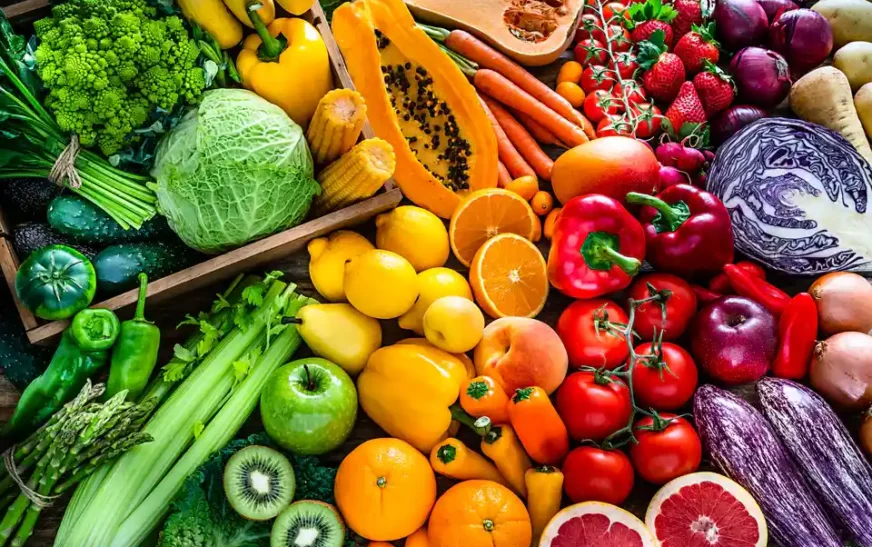
No single food contains every nutrient you need. Eating a wide variety of foods across different food groups, fruits, vegetables, whole grains, proteins, and dairy or dairy alternatives, ensures a broader spectrum of vitamins, minerals, and phytonutrients. Think of dietary diversity as nutritional insurance: the more colours on your plate, the more comprehensive your protection.
Moderation, Not Restriction
Sustainable healthy eating is not about banning entire food groups or eating the same clean meals on repeat. It is about proportionality. Enjoying a small slice of cake at a birthday party does not undo a week of healthy choices. Extreme restriction often backfires, leading to nutrient deficiencies, binge-restrict cycles, and a damaged relationship with food. Moderation, consistency, and flexibility are the hallmarks of genuinely sustainable eating.
Whole Foods Over Processed Foods
Whole foods, those that are minimally processed and closest to their natural state, consistently outperform their processed counterparts in nutrient density, fibre content, and the absence of harmful additives. Processed and ultra-processed foods are engineered to maximise palatability and shelf life, not nutritional value. They are typically high in sodium, refined sugars, trans fats, and artificial additives, all of which are associated with poorer long-term health outcomes.
What Makes a Diet “Unhealthy”?
- Excess added sugar: Fuels inflammation and contributes to insulin resistance. The WHO recommends limiting free sugars to under 10% of total daily energy intake.
- Ultra-processed foods: Calorie-dense but nutrient-poor. They displace whole foods and promote overconsumption due to their engineered palatability.
- Poor portion control: Even healthy foods can contribute to weight gain and metabolic imbalance when consumed in excessive quantities.
- Nutrient deficiency patterns: Diets that eliminate entire food groups without proper planning can lead to deficiencies in B12, iron, calcium, or omega-3 fatty acids.

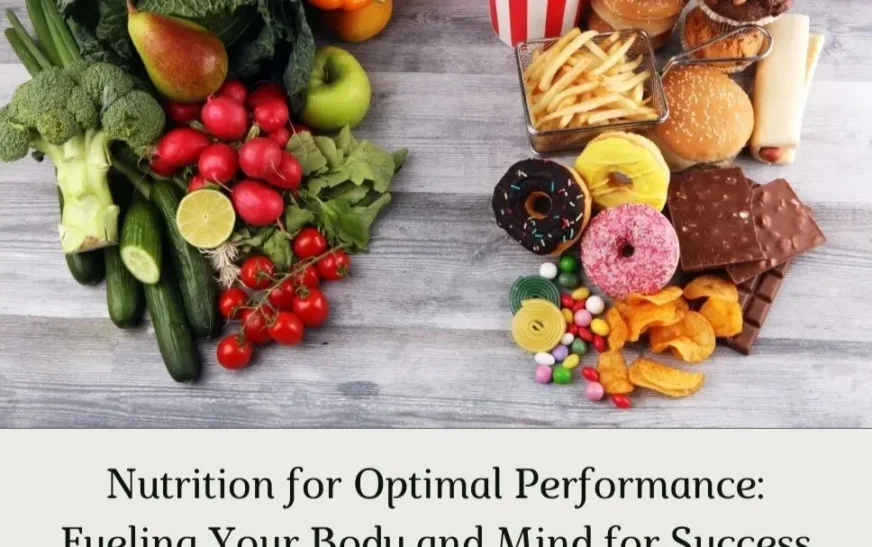
Healthy Diet vs. Unhealthy Diet
| Healthy Diet | Unhealthy Diet |
| Whole, minimally processed foods | Highly processed and packaged foods |
| Balanced intake of protein, carbs, and healthy fats | Excess sugar, trans fats, and refined carbs |
| Rich in fiber, vitamins, and minerals | Low in essential nutrients |
| Includes fruits, vegetables, and whole grains | Heavy reliance on fast food and sugary snacks |
| Supports stable energy and mental clarity | Causes energy crashes and brain fog |
| Helps maintain healthy digestion and gut health | Often linked to bloating and digestive issues |
| Encourages proper hydration with water | High intake of sugary drinks and empty calories |
| Supports long-term disease prevention | Rich in fibre, vitamins, and minerals |
| Portion awareness and mindful eating | Frequent overeating and emotional eating |
| Sustainable and balanced lifestyle habits | Restrictive dieting or unhealthy eating patterns |
How Your Body Reacts to Healthy Eating
- Improved digestion: Increased dietary fibre feeds beneficial gut bacteria and reduces bloating, noticeable within the first one to two weeks.
- Stable blood sugar levels: Replacing refined carbs with whole foods dramatically reduces blood glucose variability, eliminating energy crashes and reducing cravings.
- Better energy release: Complex carbohydrates and healthy fats provide a slow, steady stream of cellular energy, keeping you mentally sharp throughout the day.
- Hormonal balance support: Adequate intake of healthy fats and micronutrients like zinc and magnesium supports the production of estrogen, testosterone, and thyroid hormones, all of which influence mood and metabolism.
Common Myths About Healthy Diets
Healthy food is boring
Reality: A well-planned healthy diet is extraordinarily flavorful. Global cuisines, Mediterranean, South Asian, and Middle Eastern, are built on nutrient-dense whole foods and are among the most delicious food traditions in the world.
Carbs are always bad
Reality: Quality matters more than quantity. Complex carbohydrates from whole grains, legumes, fruits, and vegetables are essential for energy, brain function, and gut health. It is refined and added sugars that are problematic, not carbohydrates as a category.
You must follow a strict diet
Reality: Flexibility and sustainability beat perfection every time. Rigid diet rules tend to increase psychological stress around food and are linked to higher rates of disordered eating. A healthy relationship with food is part of healthy eating.
Healthy eating is expensive
Reality: Staples like lentils, oats, frozen vegetables, eggs, brown rice, and seasonal produce are among the most affordable and nutritious foods available. Strategic meal planning can make healthy eating cost-effective for any budget.

Simple Steps to Start a Healthy Diet Today
- Start with one swap, not an overhaul. Replace one processed food item with a whole-food alternative, such as chips with mixed nuts or sugary cereal with rolled oats.
- Add more colour to every meal. Aim for at least two to three different colored vegetables or fruits per meal.
- Reduce sugary drinks first. Replace soda, flavoured juices, and sweetened coffee drinks with water, herbal teas, or sparkling water.
- Drink more water consistently. Aim for six to eight glasses per day. Many people confuse thirst with hunger.
- Cook at home more often. Home-cooked meals give you full control over ingredients, portion sizes, and cooking methods.
Beginner-Friendly Healthy Eating Tips
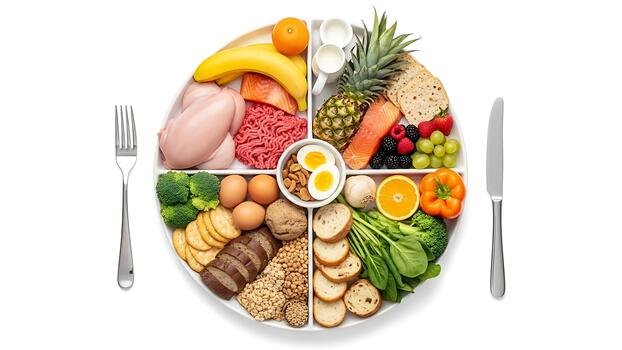
Use the Plate Method: Fill half your plate with non-starchy vegetables, one-quarter with a high-quality protein source, and one-quarter with complex carbohydrates. Add a small portion of healthy fat. This simple visual system requires no calorie counting and naturally creates balanced, satisfying meals.
Eat Slowly and Mindfully. Your brain takes approximately 20 minutes to register fullness signals from your stomach. Eating slowly, chewing thoroughly, and eliminating screens during meals reduces overeating and increases satisfaction with smaller portions.
Plan Weekly Meals: Taking 30 minutes on a Sunday to plan your week’s meals removes daily decision fatigue and eliminates the “I have nothing healthy to eat” scenario that leads to poor food choices.
Recognise and Manage Emotional Eating. Many people eat in response to stress, boredom, or emotion rather than genuine hunger. Developing awareness of your eating triggers and building alternative coping strategies, such as walking, journaling, or calling a friend, is an essential part of a healthy relationship with food.
Real-Life Example of a Healthy Daily Diet Plan
Breakfast: Steel-cut oats topped with sliced banana, a tablespoon of natural almond butter, chia seeds, and a drizzle of honey with a glass of water and a small cup of green tea.
Lunch: A large salad bowl with mixed greens, cherry tomatoes, cucumber, grilled chicken breast or chickpeas, avocado slices, and a lemon-olive oil dressing. One slice of whole-grain bread on the side.
Dinner: Baked salmon fillet with roasted sweet potato and steamed broccoli, seasoned with garlic, turmeric, and a drizzle of extra virgin olive oil.
Snacks: Mid-morning, an apple with a small handful of walnuts. Mid-afternoon Greek yoghurt with flaxseeds, or carrot sticks with hummus.
Long-Term Benefits of a Healthy Diet
- Weight management: A balanced diet naturally supports a healthy body weight without extreme restriction, reducing strain on joints, the cardiovascular system, and metabolism.
- Disease prevention: Consistent, nutrient-rich eating is the single most powerful modifiable factor in preventing heart disease, Type 2 diabetes, and colorectal cancer.
- Better skin and hair health: Adequate intake of Vitamin C, biotin, zinc, and omega-3 fatty acids directly supports collagen production, skin elasticity, and hair strength.
- Improved mental well-being: The gut-brain axis means that what you eat profoundly influences your mood, stress resilience, and risk of depression.
- Longer, more vibrant lifespan: Blue Zone populations communities with the world’s highest concentration of centenarians share dietary patterns centred on whole plant foods, legumes, and minimal processed food.
Frequently Asked Questions
What is a healthy diet in simple words?
A healthy diet is a regular eating pattern that includes a wide variety of whole, minimally processed foods, such as vegetables, fruits, whole grains, high-quality proteins, and healthy fats, in balanced amounts that meet your body’s nutritional needs without excess.
What foods should I eat every day?
Aim to include leafy green vegetables, a variety of colored fruits, whole grains such as oats, brown rice, or quinoa, a quality protein source such as eggs, legumes, fish, or poultry, healthy fats such as avocado, olive oil, or nuts, and adequate water every single day. Fermented foods like yoghurt or kefir are a beneficial addition to your diet several times per week.
Can I eat rice as part of a healthy diet?
Yes, absolutely. Rice, especially brown rice, wild rice, or basmati, is a nutritious source of complex carbohydrates, B vitamins, and minerals. It is a staple in some of the world’s healthiest populations, including Japan and many South and Southeast Asian countries. Portion size and what you eat alongside it matter more than the rice itself.
How quickly does a healthy diet show results?
Some benefits are measurable within days to weeks, including improved digestion, more stable energy, and better sleep quality. Others unfold over months and years: weight normalisation, improved blood markers, and reduced disease risk. The key is consistency. Healthy eating is not a sprint but a lifelong investment.
Conclusion | Building a Sustainable, Healthy Eating Lifestyle
A truly healthy diet is not a six-week challenge, a list of forbidden foods, or a set of rigid rules. It is a flexible, enjoyable, and deeply personal commitment to nourishing your body with real food — consistently, over the long term.
The science is clear: a diet built around whole foods, dietary variety, moderation, and mindfulness is one of the most powerful investments you can make in your quality of life. It improves your energy, protects your brain, supports your immune system, and significantly reduces your risk of the diseases that cause the most suffering in the modern world.
The most important principle to carry forward is this: consistency beats perfection. You do not need to eat flawlessly every day. You need to make nourishing choices most of the time, stay curious about food, and build habits that you can genuinely sustain for life.
Start with one small change today. Add a vegetable. Swap a sugary drink. Cook one more meal at home this week. Those small acts, repeated and built upon, are the foundation of extraordinary long-term health.
Your health is your greatest asset. Invest in it — one nourishing meal at a time.











2 Comments
[…] healthy conditions, your body maintains a careful blood sugar balance through a seamless […]
[…] Healthy eating is not about deprivation. It’s about appropriate portions and mindful choices most of the time. What matters is your consistent daily pattern, not a single meal. […]