

You don’t need a backyard to grow your own food. Container gardening for beginners is the easiest way to start growing vegetables, herbs, and flowers on a balcony, patio, windowsill, or even a sunny doorstep. All you need is a pot, some soil, a plant, and a little patience.
Millions of people who think they “don’t have a green thumb” simply never had the right setup. Containers solve most of the problems that trip up new gardeners: poor soil, bad drainage, weeds, and overwhelming space. You control everything: the soil quality, the water, the sunlight exposure, and even where the plant sits during a heatwave or cold snap.
This guide walks you through everything you need to know to start a container garden that actually thrives, not just survives, from choosing the right pots and soil to picking plants that reward beginners with real results.
What Is Container Gardening?
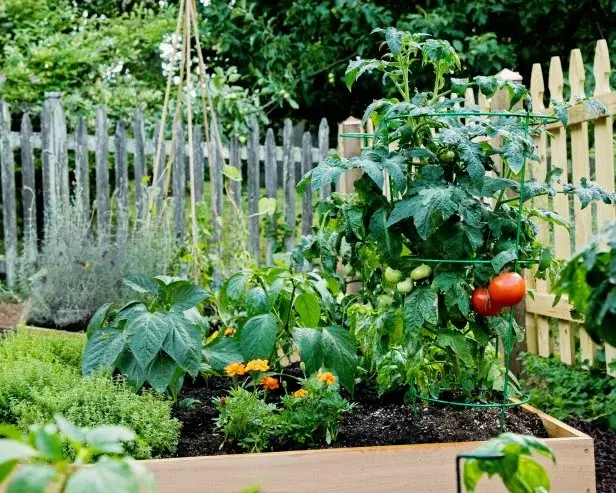
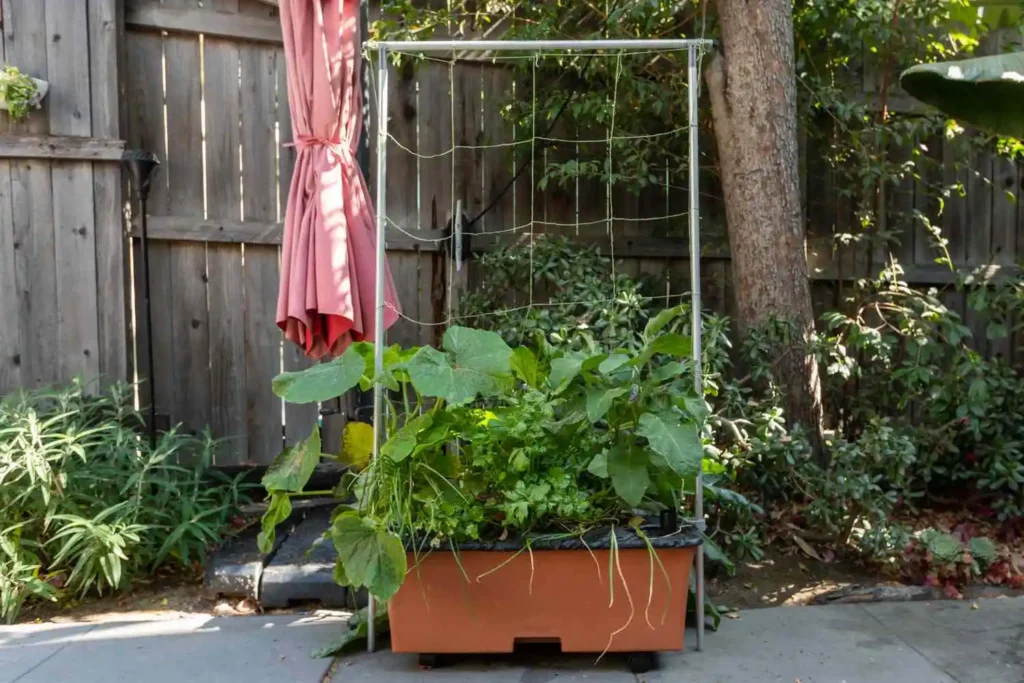
Container gardening means growing plants in pots, buckets, grow bags, or any portable vessel instead of directly in the ground. It’s popular with renters, apartment dwellers, and anyone with limited or poor-quality soil.
Why it works so well for beginners:
- You control the soil completely no digging up compacted clay or sandy dirt
- Containers can be moved to chase sunlight or escape frost
- Fewer weeds and soil-borne pests
- Easier to manage water and drainage
- You can start small and expand gradually
Benefits of Gardening in Pots
| Benefit | Why It Matters |
| Flexibility | Move plants to follow the sun or protect them from storms |
| Space efficiency | Grow on balconies, patios, rooftops, or small yards |
| Soil control | Use quality potting mix instead of native soil |
| Pest reduction | Elevated containers deter many ground-crawling pests |
| Faster warming | Pots warm up quicker in spring, extending your growing season |
How to Start a Container Garden: Step-by-Step
Step 1: Choose the Right Location
Most vegetables and flowering plants need 6–8 hours of direct sunlight daily. Leafy greens and herbs like mint or parsley tolerate partial shade (3–4 hours).
- South-facing spots get the most light in the Northern Hemisphere
- Watch your space for a full day before planting to track actual sun exposure
- Balconies with reflective walls can intensify heat; factor that into watering needs
Step 2: Pick the Right Containers
Container size is one of the most common places beginners go wrong. Too small, and roots become cramped, and plants dry out fast. Too large, and soil stays wet too long, risking root rot.
General container size guide:
| Plant Type | Minimum Container Depth | Minimum Diameter |
| Herbs (basil, thyme) | 6–8 inches | 8 inches |
| Lettuce, spinach | 6–8 inches | 10 inches |
| Peppers, bush beans | 12 inches | 12–14 inches |
| Tomatoes (determinate) | 14–16 inches | 16–18 inches |
| Tomatoes (indeterminate) | 18–24 inches | 20+ inches |
| Potatoes | 16–20 inches | 16–18 inches |
Material options:
- Terracotta/clay breathable, dries out faster, great for herbs
- Plastic: lightweight, retains moisture longer, budget-friendly
- Fabric grow bags: excellent aeration, prevents root circling, ideal for tomatoes and potatoes
- Wood: attractive, insulates roots well, needs a liner to prevent rot
Grow bags in particular have become popular because they naturally “air-prune” roots, producing healthier root systems than rigid plastic pots.
Step 3: Ensure Proper Drainage
Drainage holes are non-negotiable. Without them, water pools at the bottom, suffocating roots and inviting rot and fungus gnats.
- Drill or buy pots with at least 3–4 holes, ¼–½ inch wide
- Avoid the old myth of adding gravel at the bottom; it doesn’t improve drainage and can actually raise the water table inside the pot
- Elevate containers slightly with pot feet or bricks to let excess water escape freely
Step 4: Choose the Best Soil for Container Gardening
Never use garden soil straight from the yard in containers; it compacts, drains poorly, and can carry pests or disease.
Instead, use a quality potting mix or organic potting soil formulated for containers. A good mix typically contains:
- Peat moss or coconut coir (moisture retention)
- Perlite or vermiculite (aeration and drainage)
- Compost (nutrients)
Pro tip: For vegetables, look for a potting mix labeled “for edibles” or add slow-release organic fertilizer at planting time, since nutrients in containers deplete faster than in-ground soil due to frequent watering.
Step 5: Select Your Plants
See the full list of beginner-friendly plants below.
Step 6: Plant, Water, and Maintain
- Fill containers to about 1 inch below the rim
- Water thoroughly until it drains from the bottom
- Add mulch (straw, bark, or compost) on top to retain moisture
- Check soil moisture daily during hot weather
Best Plants for Container Gardening
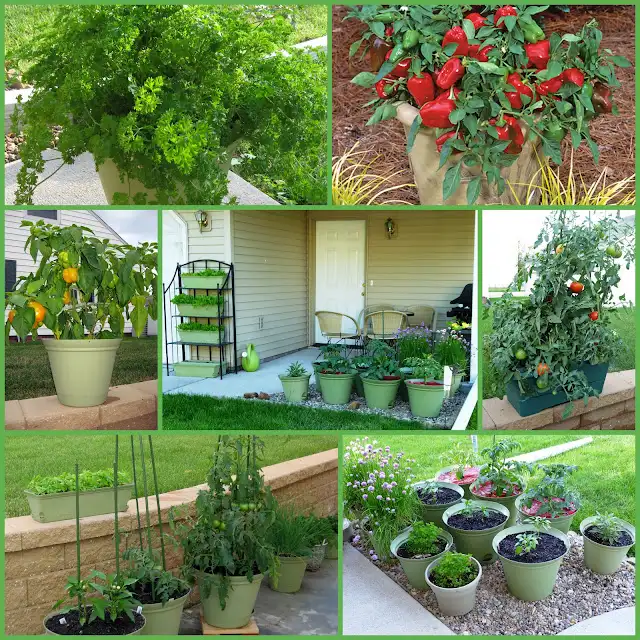
Best Vegetables for Container Gardening
| Vegetable | Container Size | Difficulty |
| Cherry tomatoes | 14–18 inches | Easy |
| Lettuce & salad greens | 6–8 inches | Very easy |
| Peppers (bell, chili) | 12–14 inches | Easy |
| Bush beans | 8–10 inches | Easy |
| Radishes | 6 inches | Very easy |
| Cucumbers (bush variety) | 16–18 inches | Moderate |
| Green onions | 6 inches | Very easy |
Best Herbs for Beginners
- Basil, mint, chives, parsley, and thyme all thrive in small pots and reward beginners with fast, forgiving growth. Mint should always be grown in its own container; it spreads aggressively and will overtake shared pots.
Best Flowers for Container Gardening
- Marigolds and petunias tolerate heat and inconsistent watering well
- Marigolds also repel some common garden pests, making them a smart companion near vegetable containers
Container Gardening Tips for Long-Term Success
- Water consistently, not just often. Containers dry out faster than garden beds because they have limited soil volume and more exposed surface area.
- Feed regularly. Since nutrients wash out with each watering, apply a diluted liquid fertilizer every 2–3 weeks during the growing season.
- Rotate your pots periodically so all sides get even sunlight.
- Repot when roots circle the container’s edge, a sign the plant has outgrown its space.
- Group containers together to create a humidity pocket, which reduces water stress in hot climates.
How Often Should You Water Container Plants?
Short answer: Check soil moisture daily; water when the top 1–2 inches feel dry, typically every 1–2 days in warm weather, less in cooler conditions.
Detailed explanation: Unlike garden beds, containers lack surrounding soil to buffer moisture loss, so they dry out faster, especially in terracotta pots, small containers, or hot, windy locations. Rather than following a fixed schedule, use the finger test: insert a finger knuckle-deep into the soil. If it’s dry, water thoroughly until liquid runs from the drainage holes. Overwatering is actually more common than underwatering among beginners and is a leading cause of root rot.
Container Gardening Mistakes to Avoid
- Skipping drainage holes leads to root rot within days
- Using garden soil instead of potting mix causes compaction and poor drainage
- Overcrowding containers restricts airflow and invites disease
- Choosing containers too small for mature plant size stunts growth and increases watering frequency
- Ignoring fertilizer needs: container soil depletes nutrients faster than garden beds
- Placing pots where they don’t get enough sun is the single most common reason vegetables fail to fruit
Content Gaps Most Guides Miss
Most beginner articles stop at “pick a pot and some soil.” A few overlooked factors that make a real difference:
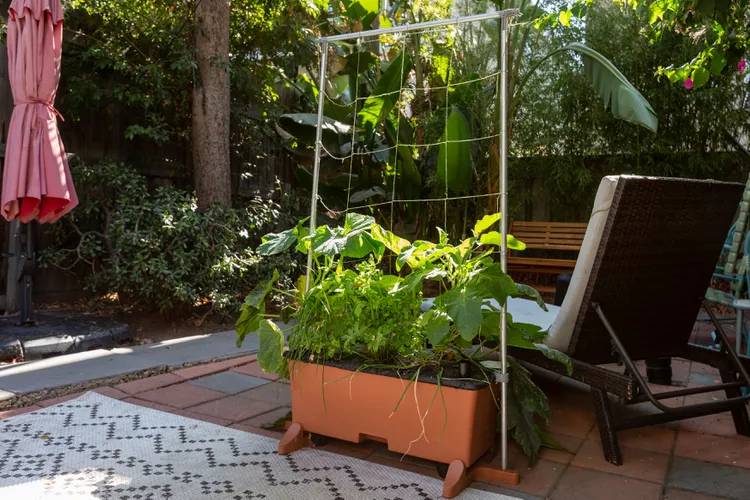
- Wind exposure on balconies and rooftops dries soil faster than ground-level gardens and can physically damage tall plants like tomatoes; staking is often necessary even in pots.
- Heat retention in dark or metal containers can spike root zone temperatures on hot days, stressing plants even when watered adequately.
- Companion planting in containers pairing basil with tomatoes, or marigolds near peppers- can be done in shared containers to naturally deter pests without chemicals.
- Winterizing perennial containers: many gardeners don’t realize container-grown perennials are more vulnerable to freezing than in-ground plants, since roots lack the insulation of surrounding earth. Grouping containers against a wall or wrapping them in burlap helps.
Frequently Asked Questions
Can you grow vegetables in containers without a garden?
Yes. Vegetables like tomatoes, peppers, lettuce, and beans grow well in containers on balconies, patios, or windowsills, as long as they get adequate sunlight and appropriately sized pots.
What is the best soil for container gardening?
A high-quality potting mix with peat moss or coir, perlite, and compost works best. Regular garden soil is too dense and drains poorly in containers.
Do containers need drainage holes?
Yes, always. Without drainage holes, excess water pools at the bottom and causes root rot, even for drought-tolerant plants.
How big should my container be?
It depends on the plant’s mature root size. Herbs need 6–8 inches of depth, while tomatoes need at least 14–18 inches. Undersized containers restrict growth and increase watering frequency.
Can I reuse potting soil each season?
You can refresh old potting mix by adding fresh compost and perlite, but soil that grew diseased plants should be discarded to avoid reinfection.
What are grow bags, and are they better than pots?
Grow bags are fabric containers that improve root aeration and prevent root circling. Many gardeners find they produce healthier root systems than rigid plastic pots, especially for tomatoes and potatoes.
Conclusion
Container gardening removes nearly every excuse for not growing your own food or flowers. With the right container size, quality potting mix, reliable drainage, and a location that gets enough sunlight, even total beginners can grow a thriving mini-garden within weeks.
Start small: one or two pots of herbs or cherry tomatoes and expand as your confidence grows. Every experienced gardener started with a single pot on a windowsill.
Ready to get growing? Pick one vegetable from the list above, grab a properly sized container with drainage holes, and plant it this weekend.