


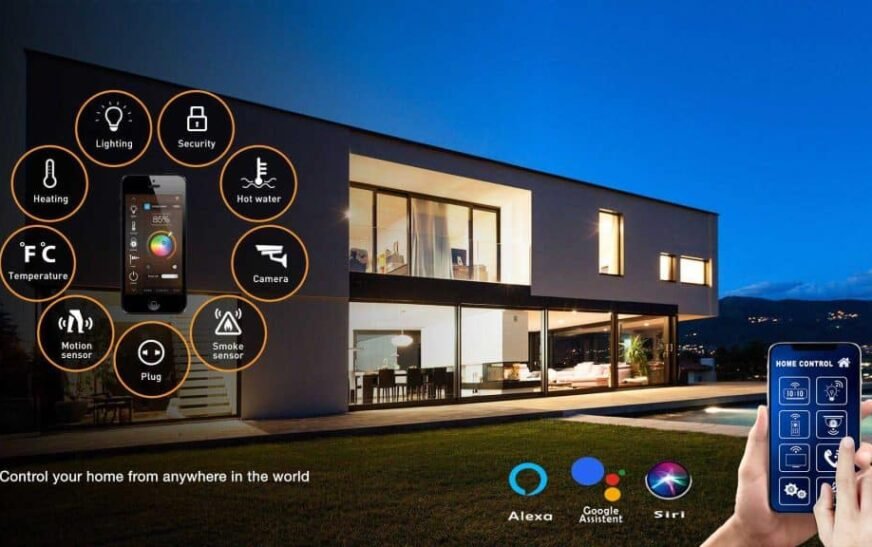
A real-world look at smart home automation and how it is making life easier by improving comfort, saving energy, and strengthening home security.
Most people don’t consciously decide to switch to smart home automation. It happens quietly.
One day, you see someone controlling their lights from a phone. Another day, a friend checks their home camera while traveling. At first, it just looks like convenience — nothing more.
Nothing dramatic changed in that moment. But slowly, it starts to make sense.
Because if you really think about it, daily home life is full of small repeated actions. Switching things on, turning them off, adjusting settings, checking doors — nothing difficult, just constant little tasks that take attention.
That’s exactly where smart home automation quietly fits in. It doesn’t replace your routine. It just removes some of the effort inside it.
And once you get used to that, normal starts feeling slightly outdated.
What smart home automation actually means in real life
People often imagine smart home devices as complicated setups with heavy installation or expensive systems. But in reality, it’s much simpler.
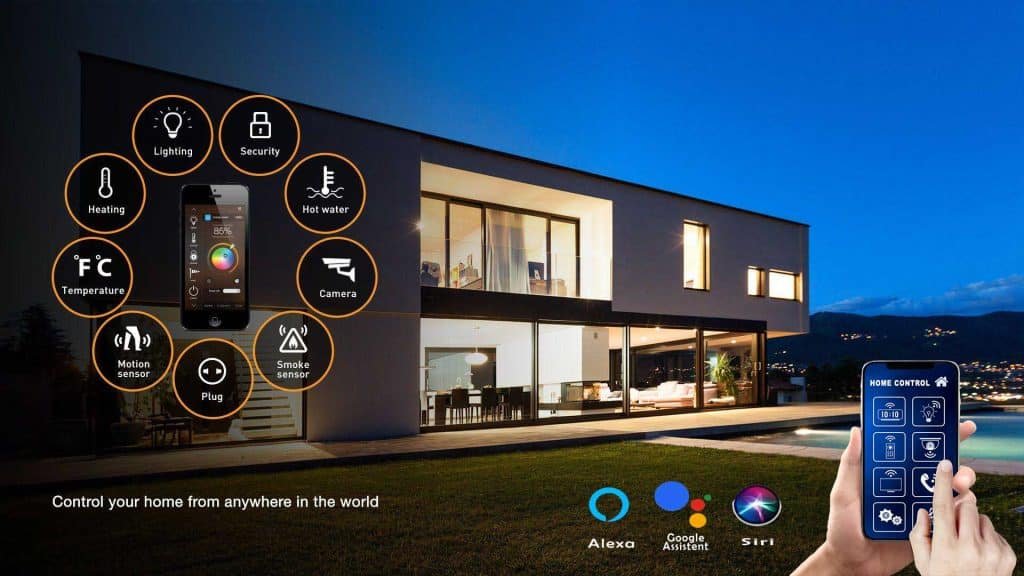
It usually means your home devices are connected in a way that allows you to control them without being physically present everywhere.
Lights, fans, plugs, cameras — all of it can be managed through your phone or voice.
With connected devices, everything becomes part of one system instead of separate things you keep managing individually.
And the interesting part? You don’t really “learn” it like technology. You just start using it, and it blends into your routine naturally.
How does it start becoming part of a daily routine
At first, you notice everything.
You open an app to switch off a light. You check a camera just because you can. You try voice commands just to test them.
But after a while, that excitement fades — and something better replaces it: convenience.
You’re in bed, and you realize you left a light on. Instead of getting up, you fix it in seconds.
You leave home, and instead of turning back to check things, you just open your phone.
This is where mobile control systems quietly become part of life without making a big announcement. It’s not about control anymore. It’s about not interrupting your flow.
|| Also Read Fashion
Why do people slowly start relying on it?
Most people don’t switch to smart home automation because it feels futuristic. They start using it because they’re slightly tired of small daily efforts.
Not in a dramatic way — just little annoyances:
Did I turn that off?
I’ll check it later…
I’ll go back and see
These thoughts repeat more than we realize.
So when things become easier through user-friendly automation apps, it doesn’t feel like “innovation.” It feels like relief.
Energy use becomes something you stop worrying about
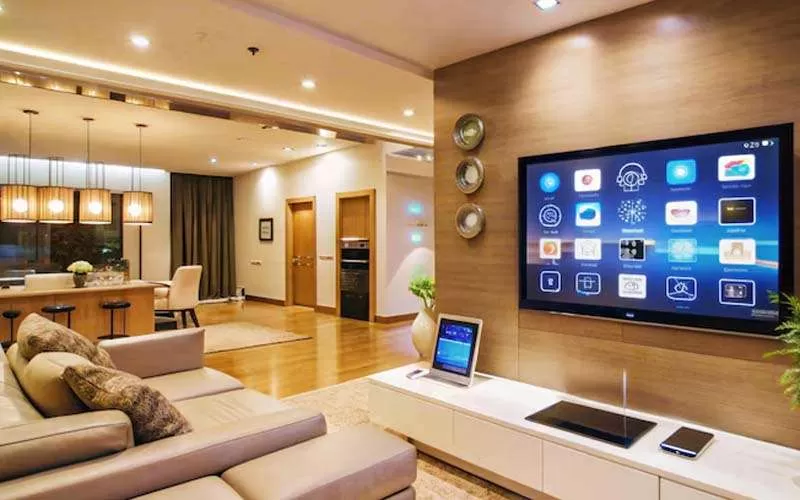
One of the quiet benefits of smart homes is how they reduce wasted energy without asking you to change your behavior.
In normal life, things stay on longer than needed. It’s not carelessness — it’s just a human habit.
With energy-saving technology, devices adjust automatically. Lights turn off when not needed. Appliances stop running when idle.
And the best part is, you’re not actively managing it. It just happens in the background.
After a while, you notice something simple — your electricity usage feels more controlled without you trying too hard.
Security feels more reassuring, not complicated
Security is one of those things people don’t think about until they leave home.
That small doubt is familiar:
“Did I lock the door?”
With smart home automation, that doubt doesn’t disappear completely, but it becomes easier to handle.
Using remote monitoring systems, you can check your home anytime. Cameras, door sensors, alerts — everything is accessible from your phone.
With digital security solutions, you also get more control over who can access your home and when.
It’s not about being paranoid. It’s about not relying only on memory anymore.
That small mental relief actually matters more than people expect.
Comfort improves without you actively noticing it
Comfort in smart homes isn’t loud. You don’t really notice it improving day by day.
It just happens quietly.
Lights adjust without you touching switches. Rooms don’t feel too bright or too dim. The temperature stays more stable.
With intelligent lighting, your environment adjusts based on time or usage patterns.
And climate control systems help maintain a steady atmosphere, so you don’t keep changing settings again and again.
The funny thing is, you only realize how useful it was when you go back to a normal setup.
You don’t need to upgrade everything at once
One common misunderstanding is that smart home automation requires a full setup.
It doesn’t.
Most people start small:
a bulb, a plug, maybe one camera.
That’s enough to understand how it fits into your lifestyle.
With smart living technology, the idea is not to overwhelm you. It’s to slowly improve how your home responds to your needs.
And there’s no pressure to expand quickly. You add things only if they actually make your life easier.
After a while, it stops feeling like technology
This part is interesting.
At the beginning, everything feels new. You keep checking apps, testing features, exploring settings.
But after some time, it fades into the background.
You don’t think about it anymore. You just use it.
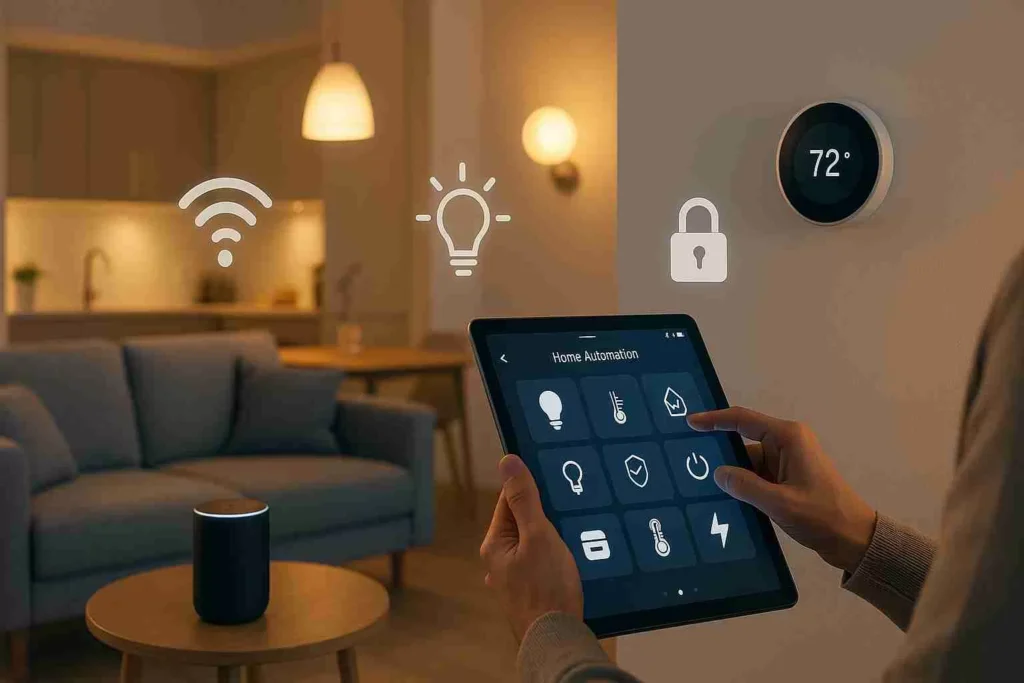
That’s when smart home automation actually becomes successful — when it stops feeling like a system and starts feeling like normal life.
With modern home solutions, the goal isn’t to impress you. It’s to quietly remove friction from your day.
|| Also Read Home Improvement
Where things are heading
Homes are slowly becoming more responsive, but not in a complicated way.
Instead of you constantly giving commands, your home starts reacting to patterns.
Lights adjust based on time. Devices turn off when no one is around. Systems learn simple routines.
Nothing dramatic — just small improvements that reduce effort.
That’s the direction smart living technology is moving in.
Less control. More ease.
Common mistakes people make
A lot of people overdo it in the beginning.
They try to automate everything at once, which usually leads to confusion.
Others buy devices without checking compatibility.
But the better approach is simple:
Start small → understand → expand slowly.
That’s how smart home automation actually becomes useful instead of overwhelming.
|| Also Read Living Room Decorating Ideas:Stylish& Cozy Home Design Tips
Conclusion
At the end of the day, smart home automation isn’t about technology showing off.
It’s about small daily improvements that make life easier without demanding attention.
Less effort. Fewer repeated tasks. A bit more control when you need it.
And slowly, without even noticing, your home starts feeling more aligned with your routine.
Not smarter in a flashy way — just easier to live in.
FAQs
What is smart home automation?
It means controlling home devices like lights, fans, and security systems through apps or automatically.
Is smart home automation expensive to start?
Not necessarily. You can start small and expand over time.
Does it really save energy?
Yes, because energy-saving technology reduces unnecessary usage.
Is it difficult to use?
Most systems are designed to be beginner-friendly.
Is smart home automation safe?
Yes, as long as you use trusted devices and secure your network.








8 Comments
[…] simple words, DIY home decor ideas are just ways to decorate your home using things you make, reuse, or fix yourself instead of buying […]
[…] at home: Work from home sounds nice, but staying focused is not always easy. There are always hurdles in your work from […]
[…] financial case for home growing depends significantly on what you choose to grow. Crops with the best return on investment […]
[…] Smart Shoppers Actually Buy Clothes in the […]
[…] kitchen can feel surprisingly refreshed with updated lighting fixtures, smarter flooring installation, new backsplash tiles, or even basic cabinet […]
[…] and you’re just… tired of deciding. In all aspects of life, overthinking is not the solution; smart thinking solves the problems. Just emphasize what you need, what you will do, and what is easy for […]
[…] chalk-painted dressers on Pinterest to upcycled cabinets on Instagram, the trend has taken over home décor spaces for good reason: it’s affordable, creative, and surprisingly easy to do at […]
[…] Plug-in floor lamps, battery-powered fairy lights, LED strip lights with adhesive backing, and smart bulbs in existing fixtures all create excellent ambient lighting without any electrical work. These […]