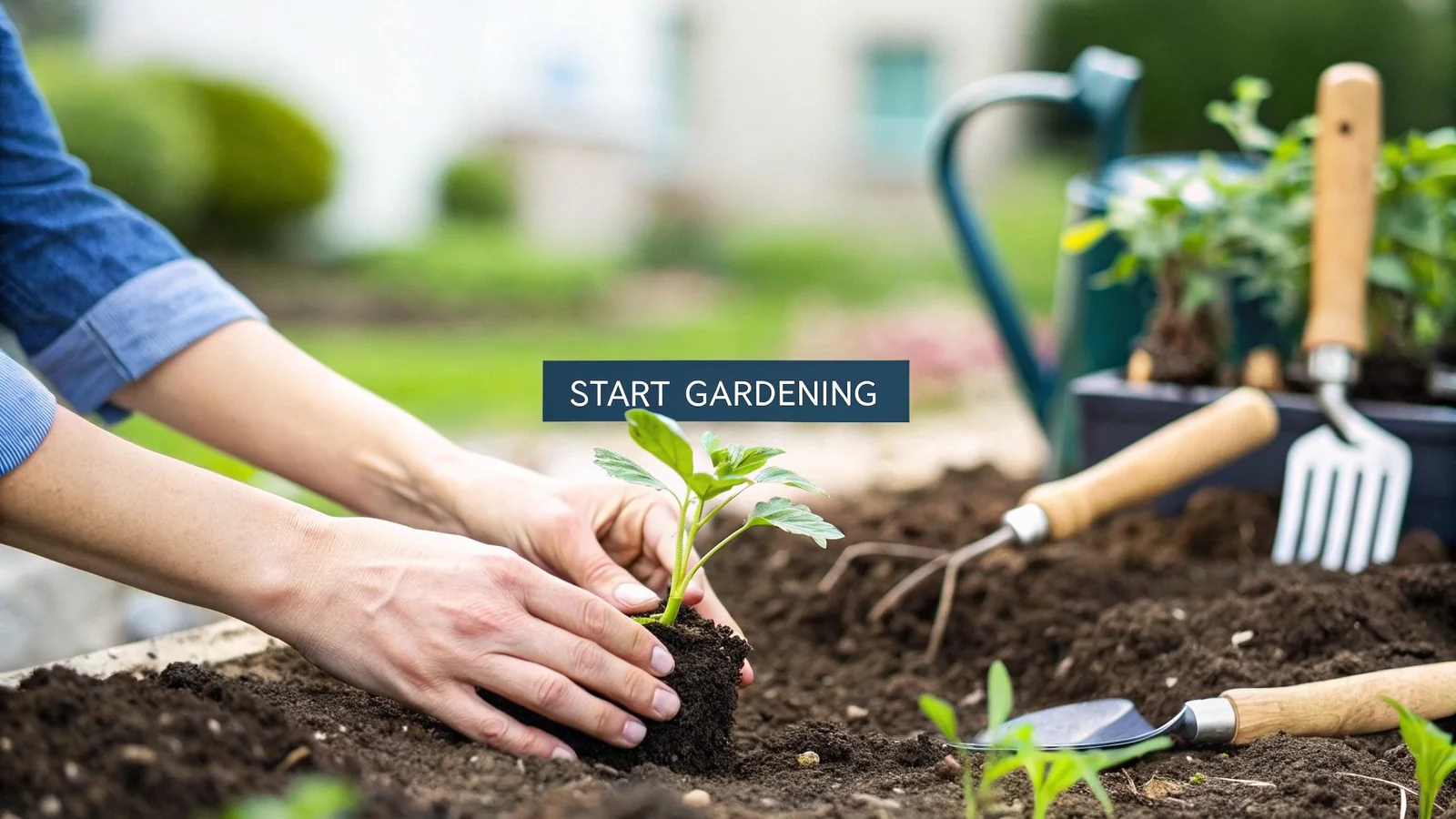


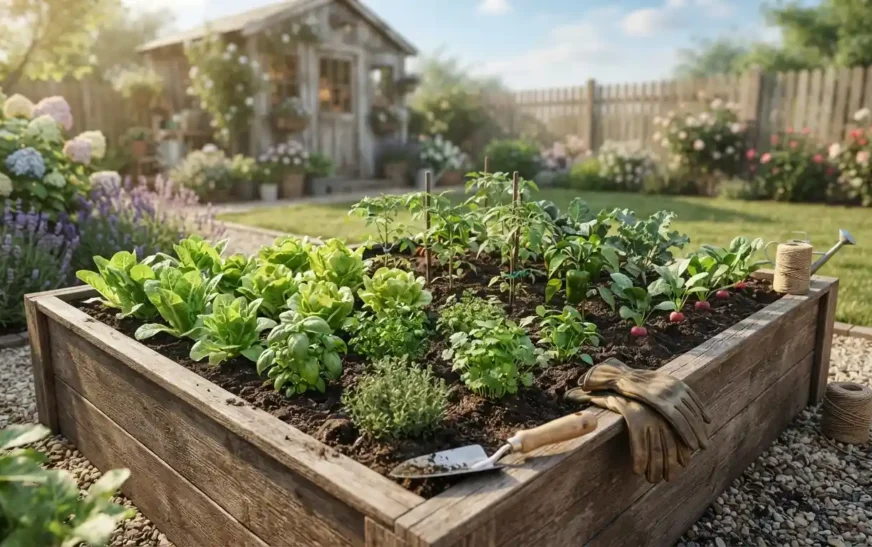
There’s something deeply satisfying about walking into your backyard and picking a tomato you grew yourself. If you’ve been eyeing that empty patch of lawn, or a sunny corner of your balcony, and wondering how to start a vegetable garden, you’re closer than you think. You don’t need acres of land or a lifetime of experience. You need a plan, a bit of patience, and a willingness to get your hands dirty.
This guide walks you through the entire process: choosing the right spot, preparing your soil, picking vegetable seeds, spacing your plants correctly, and finally harvesting what you’ve grown. It covers home vegetable gardens, small vegetable gardens, raised beds, and container gardening, so no matter how much space you’re working with, you’ll come away with a plan you can actually follow this season.
Why Start a Vegetable Garden
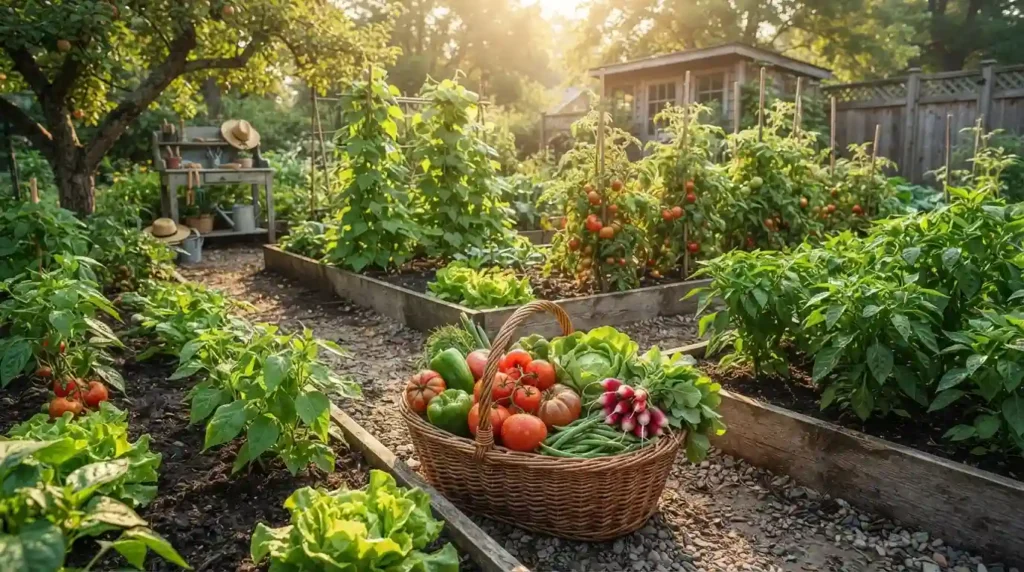
A home vegetable garden pays you back in more ways than one. The most obvious is flavor. A tomato picked at peak ripeness and eaten the same afternoon tastes nothing like one that’s traveled a few thousand miles in a truck. Beyond taste, growing your own food gives you control over what actually goes on your plants, no unnecessary sprays, no mystery chemicals, just soil, water, and sunlight.
There’s also the money side. A packet of lettuce seeds costs a couple of dollars and can produce several pounds of greens over a season, far less than buying the same amount at the store week after week. And for many people, the real payoff is the time spent outside. Tending a garden is one of the few activities left that pulls you away from a screen and gives you something to check on every morning.
If you have kids, a vegetable garden is also one of the easiest ways to teach them where food actually comes from. Watching a seed turn into something they can eat tends to stick with them longer than any lecture.
Choosing the Right Location
Before you buy a single seed packet, walk your property and pay attention to how sunlight moves across it over the course of a day. Most vegetables need six to eight hours of direct sun to produce well. Leafy greens like lettuce and spinach can tolerate a bit more shade, but fruiting vegetables such as tomatoes, peppers, and squash will sulk in low light.
A good location checklist looks like this:
- At least six hours of direct sunlight daily
- Easy access to a water source, ideally within hose reach
- Reasonably flat ground, or a spot you can level
- Protection from strong, consistent wind
- Reasonable distance from large trees, which compete for water and nutrients
- Visibility from a window or door, so you actually remember to check on it
If your yard doesn’t offer an ideal spot, don’t let that stop you. A sunny driveway edge, a patio, or even a south-facing balcony can support a productive small vegetable garden using containers or raised beds.
Raised Beds vs. Containers vs. In-Ground Gardens
There isn’t one correct way to start a vegetable garden. The right setup depends on your space, your soil, and how much time you want to spend on upkeep. Here’s how the three main options compare.
Garden Type | Best For | Pros | Cons |
Raised Beds | Poor native soil, bad backs, tidy layouts | Full control over soil quality, better drainage, fewer weeds | Upfront material and soil cost |
Containers | Balconies, patios, renters | Fully portable, works almost anywhere with sun | Dries out faster, needs more frequent watering |
In-Ground | Larger yards with decent existing soil | Lowest cost, easiest to expand over time | Depends heavily on existing soil and drainage |
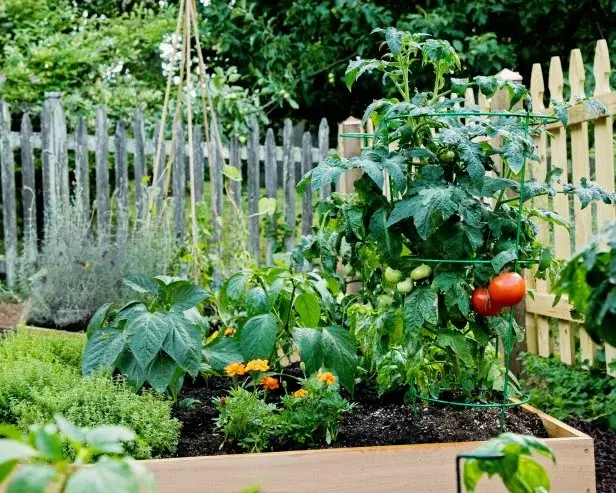
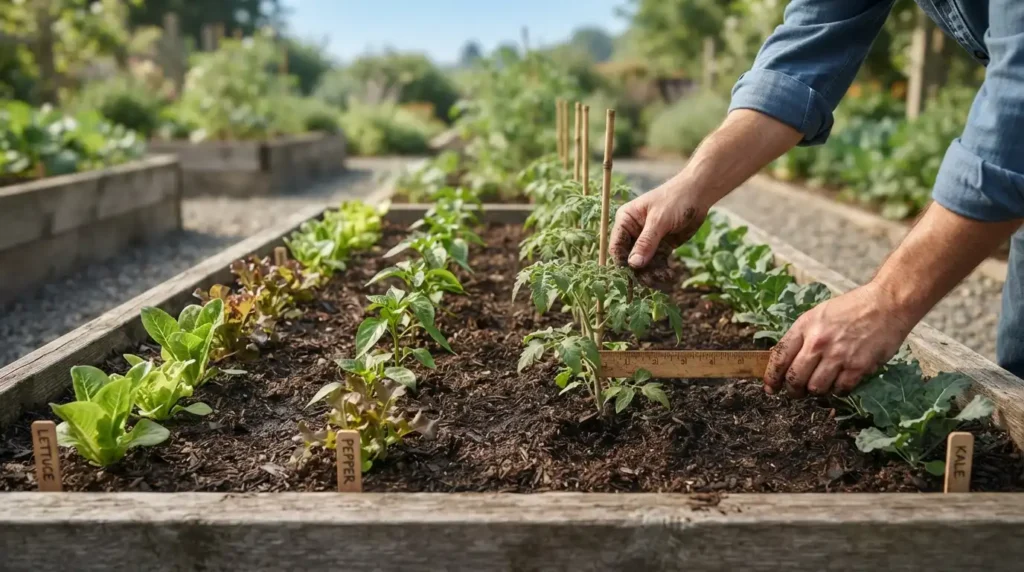
If you’re not sure which to pick, raised garden beds are usually the safest starting point for beginners. They’re forgiving of average soil, easier on your knees and back, and simple to keep organized while you’re still learning how much space each vegetable actually needs.
How to Prepare Soil for a Vegetable Garden
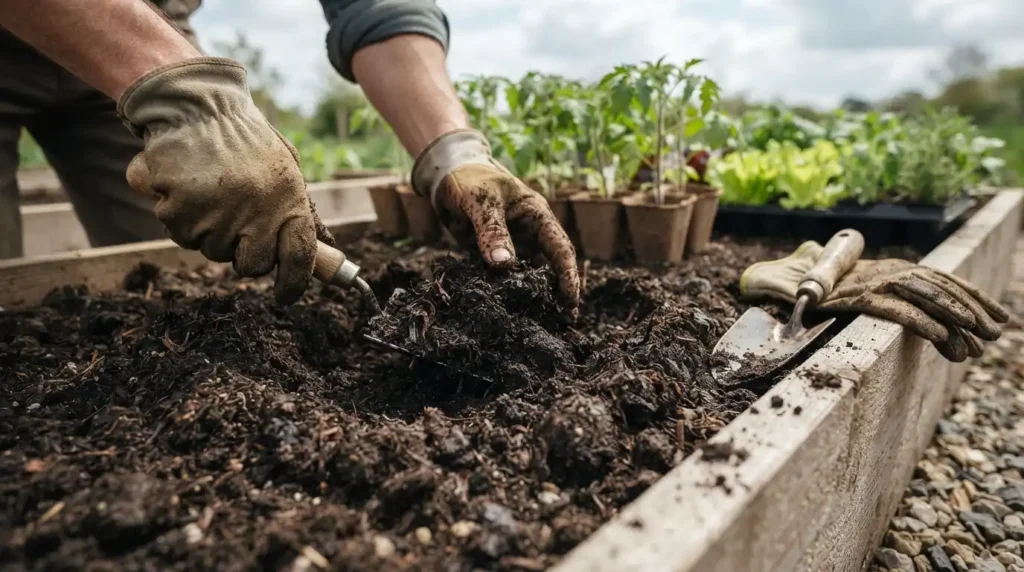
Soil preparation is the step beginners skip most often, and it’s the one that determines almost everything else. Vegetables planted in compacted, nutrient-poor garden soil will struggle no matter how much you water or fuss over them. Here’s how to prepare soil for a vegetable garden the right way.
- Test your soil. A basic home soil test kit or a sample sent to your local extension office will tell you your pH and nutrient levels. Most vegetables prefer a pH between 6.0 and 7.0.
- Clear the area. Remove grass, weeds, rocks, and old roots from the planting site.
- Loosen the soil. Dig or till down 8 to 12 inches so roots can spread freely and water can drain.
- Add compost. Mix in 2 to 4 inches of compost or well-rotted manure to improve structure and feed your plants naturally.
- Level and rake the bed. A smooth, even surface makes planting and spacing far easier.
If your native soil is heavy clay or mostly sand, don’t fight it forever. Building a raised bed and filling it with a quality soil-compost blend is often faster and more reliable than trying to fully rework what’s already there.
Choosing the Right Vegetable Seeds
Once your soil is ready, the next decision is what to plant. You can start from vegetable seeds or buy young transplants from a garden center. Seeds are cheaper and give you more variety, while transplants save time and are more forgiving for absolute beginners.
What Vegetables Are Easiest to Grow for Beginners
Some vegetables are simply more forgiving than others, especially in your first season. These are good places to start:
- Lettuce and other leafy greens, ready in 30 to 45 days
- Radishes, often ready to harvest in under a month
- Green beans, productive and low-maintenance
- Zucchini and summer squash, extremely high-yielding
- Tomatoes, especially cherry varieties, which are more forgiving than large slicers
- Peppers, slower to start but steady producers once established
- Herbs like basil, mint, and parsley, which grow well in containers too
A mix of quick-growing crops like radishes and lettuce alongside slower ones like tomatoes and peppers keeps you motivated. You’ll get an early win in a few weeks while the longer-season vegetables catch up.
Planting and Spacing Basics
Plant spacing feels like a minor detail until overcrowded plants start competing for light, water, and nutrients, which leads to smaller harvests and more disease problems. Seed packets and plant tags almost always list recommended spacing, but here’s a general guide for common vegetables.
Vegetable | Spacing Between Plants | Days to Maturity |
Lettuce | 6-8 inches | 30-45 days |
Radishes | 2-3 inches | 20-30 days |
Tomatoes | 18-24 inches | 60-85 days |
Peppers | 12-18 inches | 60-90 days |
Zucchini | 24-36 inches | 45-55 days |
Green Beans | 4-6 inches | 50-60 days |
As a rule of thumb, plant a little further apart than the packet suggests if you’re new to gardening. Good airflow between plants reduces fungal problems, and it’s much easier to spot pests when you can actually see between the leaves.
Watering Your Vegetable Garden
How often should you water a vegetable garden? Most vegetable gardens need about 1 to 1.5 inches of water per week, whether that comes from rain or a hose. Rather than watering a little every day, aim for two or three deep waterings a week. Deep, infrequent watering encourages roots to grow downward in search of moisture, which makes plants more resilient during hot, dry stretches.
Water early in the morning when possible. This gives leaves time to dry before evening, which cuts down on fungal diseases, and it reduces water lost to daytime evaporation. A layer of mulch, straw, shredded leaves, or wood chips, around your plants helps the soil hold moisture longer and keeps weeds down at the same time.
Containers dry out much faster than in-ground beds or raised beds, so check them daily during warm weather. If the top inch of soil feels dry when you press a finger into it, it’s time to water.
Feeding Your Plants and Ongoing Care
Compost is the backbone of a healthy vegetable garden. Working a fresh layer into your beds each season replenishes nutrients your plants pull out as they grow. If you don’t already compost at home, even a simple backyard bin of kitchen scraps and yard waste will give you usable compost within a few months.
Beyond compost, a balanced organic fertilizer applied every few weeks during the growing season helps heavy feeders like tomatoes and squash keep producing. Weeding regularly, ideally once a week, keeps competition for nutrients low and makes it far easier to spot early signs of pests or disease before they spread.
Common Mistakes Beginners Make
- Planting too early, before the last frost date for your region
- Crowding plants too close together to fit more in
- Overwatering, which drowns roots and encourages disease
- Skipping a soil test and guessing at nutrient needs
- Choosing a spot with too much shade
- Ignoring pests until the damage is already significant
- Starting with too many vegetable varieties in the first season
Most of these mistakes are easy to recover from. Gardening rewards observation more than perfection, and every season teaches you something the last one didn’t.
Harvesting Vegetables
Knowing when to harvest is its own small skill. Leafy greens can be picked a few outer leaves at a time, which keeps the plant producing for weeks. Radishes are ready as soon as their shoulders push up through the soil. Tomatoes and peppers should stay on the plant until they’ve reached full color, since they won’t ripen much further once picked.
Zucchini and summer squash grow fast enough that daily checks matter. Left too long, they turn woody and lose flavor. Green beans are best picked while still slender, before the seeds inside swell and toughen the pod.
Regular harvesting actually encourages most vegetables to keep producing, since the plant’s goal is to set seed. Picking consistently signals the plant to keep flowering and fruiting instead.
Small Space and Container Gardening Tips
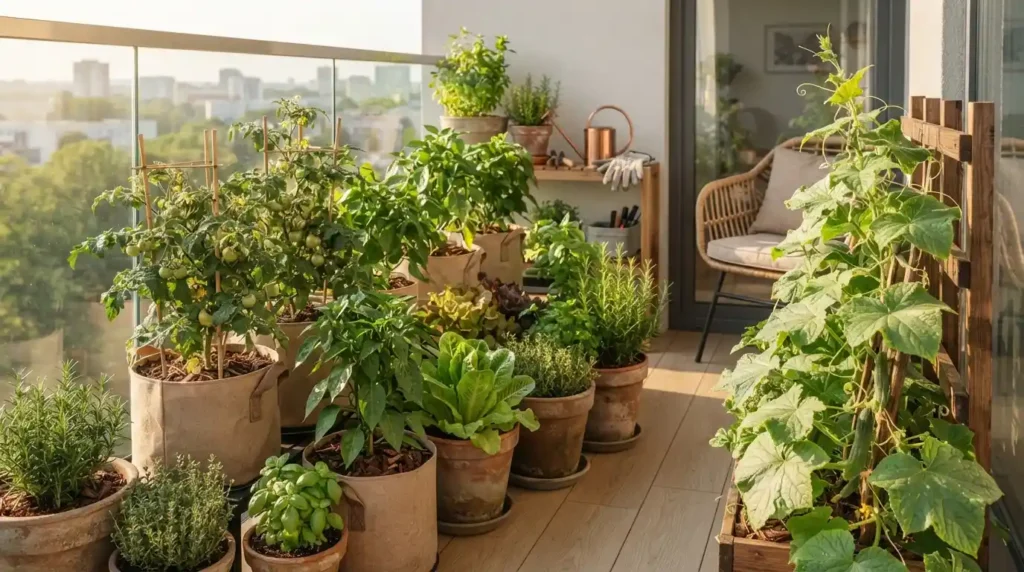
You don’t need a backyard to grow food. A small vegetable garden on a balcony, patio, or windowsill can still produce a meaningful amount if you choose the right containers and vegetables.
- Use containers at least 12 inches deep for most vegetables, deeper for tomatoes and peppers
- Choose compact or bush varieties bred specifically for containers
- Group containers together to make watering more efficient
- Use a quality potting mix, not garden soil, which compacts too much in pots
- Add a saucer underneath to catch drainage and protect flooring
Vertical growing, trellises for beans and cucumbers, hanging planters for herbs, is one of the best ways to multiply what a small space can produce.
Frequently Asked Questions
How much space do I need to start a vegetable garden?
A single 4-by-8-foot raised bed or even a few large containers is enough to grow a meaningful amount of food for one or two people.
What is the best time of year to start a vegetable garden?
Early spring, after your last expected frost date, is the standard starting point for most warm-season vegetables in the US, UK, Canada, and Australia, though exact timing varies by region.
Do I need raised beds to grow vegetables?
No. Raised beds simply make soil quality easier to control. In-ground gardens and containers both work well when the soil and sunlight are right.
How long does it take for vegetables to grow?
It depends on the crop. Radishes can be ready in under a month, while tomatoes and peppers typically take two to three months to reach harvest.
Can I start a vegetable garden without gardening experience?
Yes. Starting with forgiving vegetables like lettuce, radishes, and green beans is the easiest way to build confidence before moving on to more demanding crops.
What’s the cheapest way to start a vegetable garden?
An in-ground bed using your existing soil, amended with homemade compost and grown from seed rather than transplants, is typically the lowest-cost option.
How do I keep pests out of my vegetable garden?
Regular inspection, healthy soil, proper spacing for airflow, and simple barriers like row covers handle most common pest problems without chemical sprays.
Can I grow vegetables in pots on a balcony?
Yes, as long as the space gets close to six hours of direct sunlight. Compact varieties of tomatoes, peppers, lettuce, and herbs all do well in containers.
How much sunlight do vegetable gardens need?
Most vegetables need six to eight hours of direct sun daily. Leafy greens can tolerate somewhat less.
Should I use compost or fertilizer?
Ideally both. Compost builds long-term soil health, while a balanced fertilizer supports heavy feeders during their most active growing periods.
Final Thoughts
Starting a vegetable garden isn’t about getting everything right on the first try. It’s about picking a sunny spot, preparing the soil, choosing a few forgiving vegetables, and paying attention as the season unfolds. Every gardener, no matter how experienced, started with a single bed or a couple of containers and figured out the rest along the way.
Pick your spot this week, prepare the soil, and get your first seeds or transplants in the ground. By next season, you’ll have real experience behind you, and a much longer list of vegetables you’re ready to try.
You May Also Like