


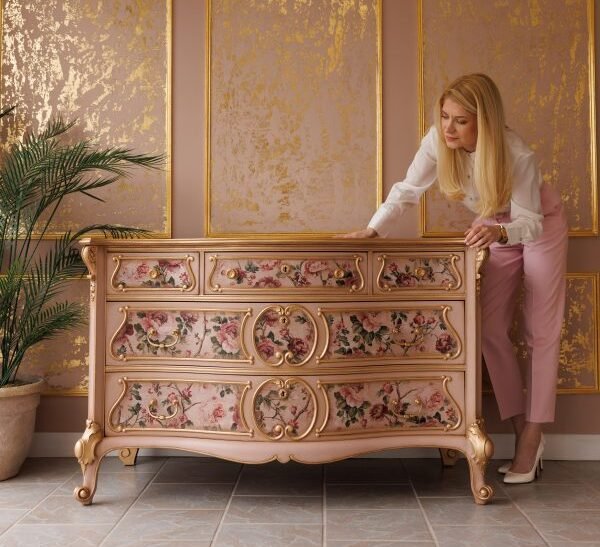
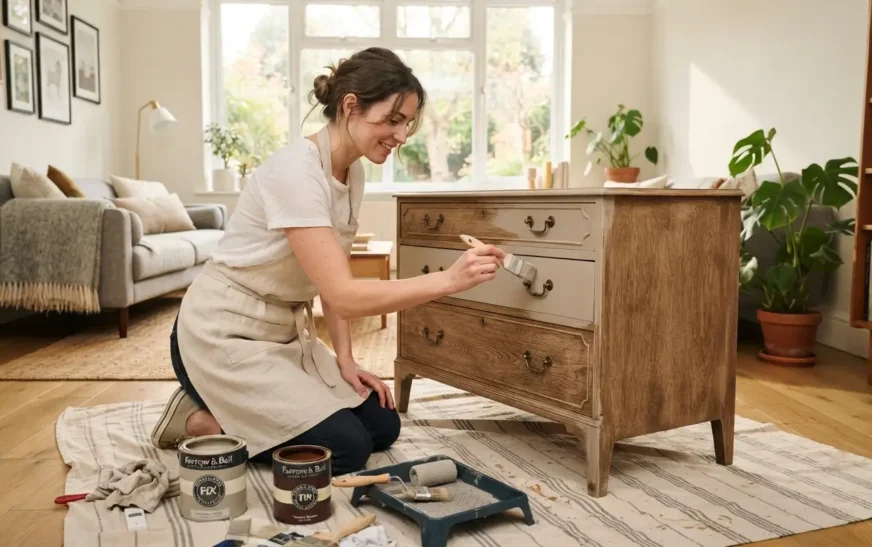
Painted furniture is everywhere right now. From chalk-painted dressers on Pinterest to upcycled cabinets on Instagram, the trend has taken over home décor spaces for good reason: it’s affordable, creative, and surprisingly easy to do at home.
But here’s what most DIY guides won’t tell you: painting the wrong furniture can permanently destroy its value, damage the wood, and erase craftsmanship that simply cannot be recreated.
This guide, built on the same principles that professional furniture restorers and antique dealers use, will walk you through which types of furniture you should never paint, the warning signs to look for, and smarter restoration alternatives that protect both beauty and resale value.
Why Some Furniture Should Never Be Painted
Not all furniture is created equal. A flat-pack MDF bookcase from a big-box store is completely different from a hand-crafted solid walnut sideboard from the 1950s. Yet many homeowners treat them the same way, and that’s where costly mistakes happen.
Here’s why paint is often the worst thing you can do to quality furniture:
- It hides natural wood grain and texture, the very features that make solid hardwood desirable and expensive.
- It permanently alters antique and collector furniture; once painted, original finishes are extremely difficult to restore.
- It reduces resale and collector value; buyers of quality furniture expect natural finishes, not painted-over surfaces.
- Some paints trap moisture, which is especially problematic on outdoor wood like cedar, leading to rot and premature deterioration.
- Thick paint obscures craftsmanship: hand-carved details, dovetail joints, and decorative inlays disappear under even a single coat.
The golden rule: If the furniture has natural beauty worth preserving, whether through its wood grain, age, craftsmanship, or rarity, refinishing, polishing, or restoring is almost always a better choice than painting.
Antique Furniture Should Usually Stay Unpainted
Why Painting Antique Furniture Reduces Value
Antique furniture occupies a special category where its age, provenance, and original condition are everything. An original finish on an 18th-century chest of drawers isn’t just aesthetic; it’s historical evidence of the piece’s authenticity.
When you paint over antique furniture, you’re not just covering wood; you’re covering history. Collectors and auction houses consistently value unrestored or properly refinished antiques far above painted ones. In many cases, painting an antique reduces its value by 50–90% or renders it completely unsellable at collector prices.
IMPORTANT WARNING: If you’re unsure whether your furniture is antique, consult a professional appraiser before doing anything. A piece that looks old might be worth far more than you realize, and one coat of chalk paint could cost you thousands.
Signs Your Furniture Might Be Antique
- Solid hardwood construction with no particleboard or MDF
- Hand-carved decorative details that aren’t perfectly uniform
- Old brass, iron, or hand-forged hardware
- Dovetail joints (hand-cut, slightly irregular ones especially)
- Uneven patina or darkening that only develops over decades
- Maker’s marks, stamps, or labels on the underside
Better Alternatives for Antique Furniture
- Professional refinishing strips the old damaged finish and applies a new one that preserves the wood character
- Furniture polishing revives dull finishes with minimal intervention
- Wood restoration products: Howard Restore-A-Finish and similar products can dramatically improve aged surfaces
- Protective wax coating: Briwax or similar products seal and protect without altering the look
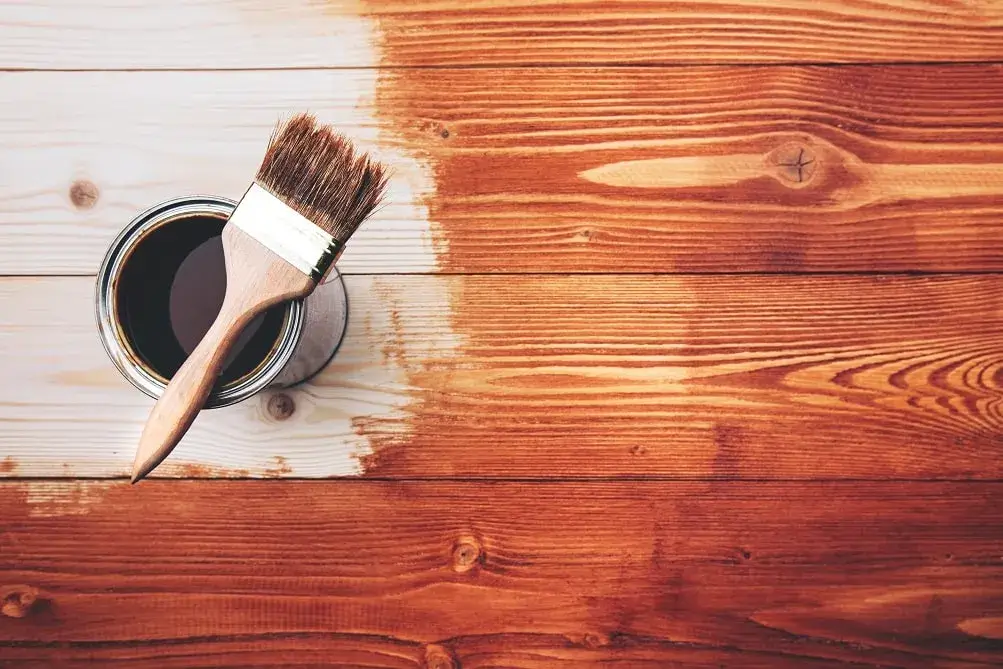
Mid-Century Modern Furniture Should Not Be Covered With Paint
Mid-century modern furniture pieces designed roughly between the 1940s and 1970s are one of the most sought-after and collected furniture styles in the world right now. Names like Eames, Wegner, Nakashima, and Bertoia command extraordinary prices at auction.
Why Mid-Century Furniture Is Particularly Valuable
The appeal of mid-century modern design lies entirely in its honest use of natural materials. Teak, walnut, rosewood, and oak were chosen precisely because their natural grain patterns and warm tones are the design. The minimalist aesthetic relies on the wood speaking for itself.
Painting over a teak credenza or a walnut dining table doesn’t “update” it; it destroys the core reason the piece was valuable in the first place.
What Happens When You Paint Mid-Century Furniture
- The natural grain of teak or walnut, the defining feature, disappears entirely
- The furniture loses its authenticity and collector appeal
- Resale value can drop from hundreds or thousands of dollars to near zero in certain buyer segments
- Heavy paint can obscure joinery details that are signatures of specific makers
Safer Restoration Ideas for Mid-Century Pieces
- Danish oil or teak oil restores natural luster and deep color to teak and walnut
- Wood stain touch-ups blend scratches or discoloration without full refinishing
- Gentle sanding and re-oiling remove surface damage while preserving the original patina
- Professional stripping if the original finish is truly damaged beyond repair
Solid Oak and Hardwood Furniture Are Better Refinished Than Painted
Solid oak, cherry, maple, mahogany, walnut, and other hardwoods represent the gold standard of furniture materials. These woods are dense, durable, and beautiful, and they’ve been the material of choice for quality furniture for centuries for good reason.
Why Hardwood Furniture Is Too Valuable to Paint
Solid hardwood furniture has a lifespan measured in generations. A well-maintained oak dining table can easily last 100 years or more and be passed down through families. Its rich, complex grain patterns develop character over time in a way no paint can replicate.
Beyond aesthetics, solid hardwood furniture holds its value remarkably well in the secondhand market. Buyers specifically seek it out and will pay premium prices, but only when the natural wood finish is intact.
Problems Paint Causes on Hardwood Surfaces
- Thick paint completely buries the premium wood, reducing perceived and actual value
- Hardwood’s natural expansion and contraction cause paint to crack and peel more readily than on softer materials
- Once painted, removing that paint without damaging the underlying wood is extremely difficult and labor-intensive
- Scratches through paint on hardwood look far worse than natural scratches on bare wood
Best Alternatives for Solid Hardwood
- Wood staining dramatically changes color while keeping grain visible
- Clear protective finish polyurethane or lacquer protects without obscuring natural beauty
- Natural oil treatments linseed, tung, or Danish oil nourish wood and enhance grain
- Professional refinishing: the gold standard for furniture with significant surface damage
Cedar Outdoor Furniture Should Rarely Be Painted
The Natural Benefits of Cedar Wood
Cedar is chosen for outdoor furniture for very specific reasons: it naturally resists moisture, repels insects, and weathers beautifully without treatment. These properties come from natural oils within the wood itself, oils that continue to protect the wood as long as the surface allows it to breathe.
Why Paint Can Damage Cedar Specifically
Paint creates a sealed barrier on cedar that traps moisture beneath the surface. This leads to a cycle of peeling, bubbling, and, most damaging, wood rot that begins where you can’t see it. Cedar that would otherwise last 20+ years outdoors can be significantly compromised in just a few years when painted.
Paint traps cedar’s natural moisture vapor, which can cause blistering within 1–3 seasons. Peeling paint must then be completely stripped before repainting a time-consuming process that defeats the original purpose.
Better Outdoor Furniture Protection Methods
- Penetrating wood sealants soak in rather than sit on the surface, allowing wood to breathe
- Exterior wood oils, teak oil, or exterior Danish oil work beautifully on cedar
- UV protection: clear finishes prevent graying while keeping the natural cedar appearance
- Simply letting it weather, cedar develops a beautiful silver-gray patina naturally over time
Hand-Carved and Detailed Furniture Should Never Be Thickly Painted
How Paint Destroys Decorative Details
Hand-carved furniture represents some of the most skilled woodworking craftsmanship in existence. Whether it’s a Victorian dining chair with acanthus-leaf carvings, a Chinese rosewood cabinet with intricate panels, or a baroque mirror frame, the artistry lies in the fine, crisp details.
Paint is the enemy of detail. Even a single coat of thick paint begins to fill the recesses of the carvings, soften sharp edges, and blur the work’s three-dimensional quality. Multiple coats, common when repainting, can make intricate carvings look like a lumpy, indistinct mess.
Restoration Tips for Carved Furniture
- Gentle cleaning with a soft brush and mild soap removes grime from crevices without damaging the wood
- Light refinishing with detail-safe products: brush-applied wood stain or restorer that flows into carvings without filling them
- Touch-up gilding for gilded carved pieces: gold leaf touch-up kits are available for small repairs
- Detail-safe polishing paste wax applied and buffed with a soft bristle brush enhances without obscuring
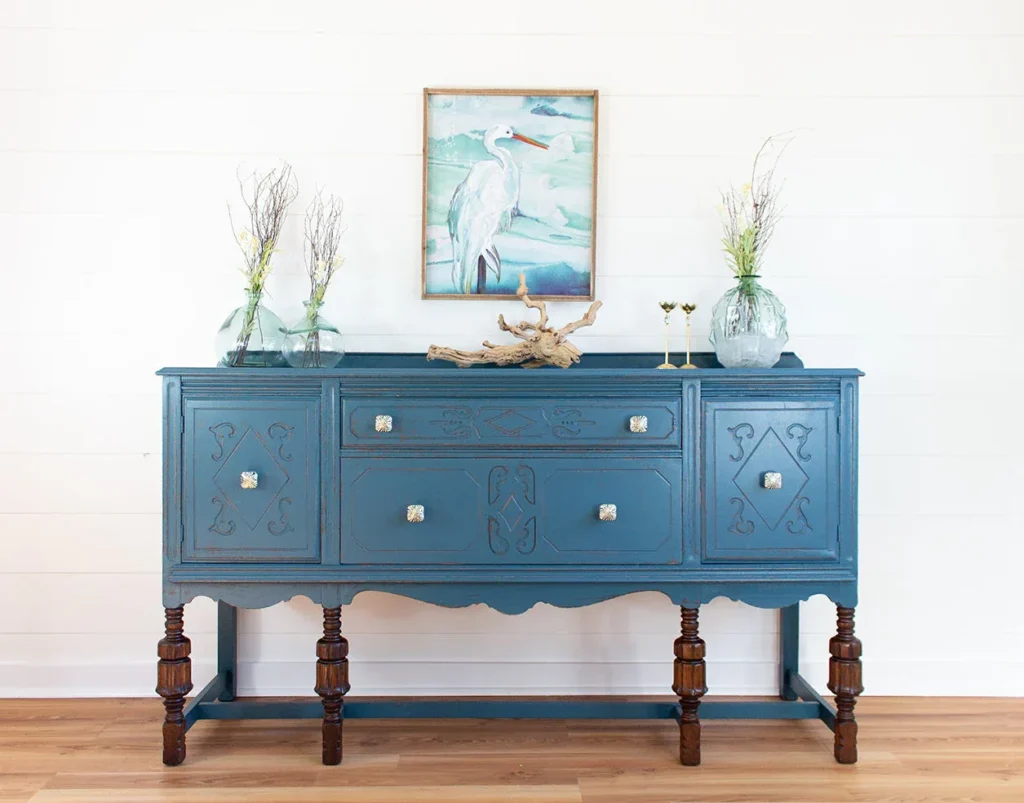
Veneer Furniture Requires Extra Caution When Painting
What Is Veneer Furniture?
Veneer furniture features a very thin layer, sometimes just 1–3mm thick, of high-quality or decorative wood bonded to a less expensive substrate such as plywood or MDF. Much of the furniture produced from the mid-20th century onward uses veneer, including many designer and high-end pieces.
Why Veneer Is Particularly Risky to Paint
Veneer’s thinness makes it extremely vulnerable. Sanding, which is necessary preparation for painting, can easily cut through the veneer layer entirely, exposing the substrate underneath. Even without sanding, paint can cause veneer to absorb moisture unevenly, leading to bubbling and peeling.
Once veneer is damaged, repairs are technically demanding and expensive. Replacement veneer must be sourced, matched, and professionally applied.
When Veneer Furniture Can Be Painted (With Caution)
- Only after very light scuff-sanding with 220-grit or finer, never heavy sanding
- Always apply a bonding primer specifically designed for slick surfaces
- Use thin, light paint coats; thick coats add weight that stresses the veneer bond
- Avoid oil-based paints that take longer to dry and keep the surface wet, risking veneer lift
Signs Your Furniture Should Not Be Painted
Not sure whether your piece qualifies? Run through this checklist before reaching for a paintbrush:
- High-quality solid wood construction: the surface sounds dull and dense
- Antique appearance: uneven patina, hand-cut joints, old hardware, and visible age marks
- Hand-carved or highly detailed surface carvings that would be obscured by even one coat
- Rare or premium wood type: teak, rosewood, ebony, figured maple
- Valuable designer or maker’s marks, labels, stamps, or signatures on the piece
- Strong natural finish still largely intact, dull but not damaged beyond restoration
Furniture Types That Are Generally Safe To Paint
Painting isn’t always the wrong choice; it’s simply the wrong choice for the wrong furniture. Pieces where painting is genuinely a good option include:
- Cheap flat-pack laminate furniture pieces where the surface is already a printed film, not real wood
- Old, severely damaged furniture pieces with serious structural damage or water stains where natural beauty is already lost
- Basic MDF pieces flat-pack furniture with no natural wood grain to preserve
- Heavily scratched mass-produced items, inexpensive furniture where refinishing costs would exceed the piece’s value
- Outdated mass-produced furniture pieces with no collector value and a style you want to completely transform
- Children’s furniture: small, inexpensive pieces that benefit from playful color updates
Paint vs. Refinish: Which Option Is Better?
| Feature | Painting | Refinishing |
|---|---|---|
| Covers wood grain | Yes grain disappears | No, grain is enhanced |
| Preserves resale value | Usually reduces value | Maintains or improves value |
| Beginner-friendly | Relatively easy | Moderate skill needed |
| Best for antiques | Almost never appropriate | The preferred approach |
| Long-term appearance | Chips and peels over time | More natural, ages gracefully |
| Cost | Lower upfront | Higher, but better ROI on quality pieces |
| Reversibility | Difficult to undo | Can be redone or changed |
Common Furniture Painting Mistakes Beginners Make
1. Skipping Sanding and Surface Preparation
Paint applied to a dirty, greasy, or glossy surface will peel within months. Proper sanding creates mechanical adhesion. This step cannot be skipped.
2. Using Cheap or Wrong Paint
Not all paints are furniture-grade. Latex wall paint chips far more readily than furniture-specific formulas. Chalk paint, mineral paint, and furniture enamels all have different applications and durability profiles.
3. Painting Genuinely Valuable Furniture
The most expensive mistake on this list. Always research the piece’s value and material before painting anything that might be valuable. A quick search or appraisal could save you from a costly error.
4. Ignoring the Wood Type
Different wood types and non-wood materials, such as MDF, veneer, or laminate, require completely different preparation and painting approaches. One-size-fits-all doesn’t apply.
5. Applying Paint Too Thickly
Thick paint runs, sags, dries more slowly, obscures details, and is more likely to crack. Always apply multiple thin coats rather than one heavy application.
6. Not Using Primer on Challenging Surfaces
Veneer, glossy surfaces, and tannin-rich woods like oak and walnut require a bonding or stain-blocking primer. Skipping it leads to peeling, bleed-through, and uneven color.
Best Alternatives To Painting Furniture
If your furniture shouldn’t be painted, you still have plenty of options to transform its appearance:
- Wood staining dramatically changes color while keeping the grain visible; available in hundreds of shades from light honey to deep espresso
- Furniture waxing: Briwax, clear wax, or tinted wax products revive dull surfaces and add a subtle sheen
- Oil polishing: tung oil, danish oil, or linseed oil nourishes dry wood and enriches its natural color
- Reupholstering for seating, replacing worn fabric, completely transforms a piece without touching the wood frame
- Hardware replacement: swapping out old knobs and handles is one of the most cost-effective ways to modernize furniture
- Protective clear coats: polyurethane, lacquer, or shellac refresh and protect the existing finish without obscuring it
- Professional refinishing for valuable pieces is always worth the investment to have a professional strip and re-finish properly
Expert Tips Before Any Furniture Project:
- Identify the wood type before doing anything
- Check the piece’s approximate value using eBay sold listings or auction records
- Test any product on an inconspicuous area first
- Research restoration options specific to your furniture type
- When in doubt, consult a professional restorer; their advice is often free
Frequently Asked Questions
Is it bad to paint antique furniture?
Yes, in most cases. Painting antique furniture almost always significantly reduces its collector and resale value. Original finishes, natural wood grain, and historic craftsmanship are precisely what make antiques valuable. Painted antiques are considered “altered” by dealers and collectors, which dramatically narrows the buyer pool and reduces selling price. Once painted, the original finish is extremely difficult to restore, making the decision largely irreversible.
Does painting furniture reduce its value?
For quality furniture, yes, painting almost always reduces value. This is especially true for solid hardwood pieces, antiques, mid-century modern furniture, and any piece with notable craftsmanship or rarity. Buyers of quality furniture actively seek original or properly refinished natural wood finishes. The exception is genuinely low-value furniture cheap laminate pieces, damaged MDF items, or heavily worn mass-produced furniture where a good paint job can actually improve desirability.
Can chalk paint ruin wood furniture?
Chalk paint is not inherently more damaging than other paints, but applying it to valuable hardwood, antique, or veneer furniture can permanently compromise both the appearance and resale value of the piece. Chalk paint is porous and penetrates deeply into wood fibers, making it harder to reverse than some other paint types. Always assess whether the furniture is suitable for painting before choosing any paint type, including chalk paint.
What furniture is safe to paint?
Furniture that is generally safe to paint includes cheap flat-pack laminate furniture, basic MDF pieces, old or severely damaged furniture where the natural surface is already beyond repair, mass-produced items with no collector or antique value, and heavily scratched budget furniture. The key question: does this piece have natural beauty, craftsmanship, or collector value worth preserving? If not, it’s a good candidate for paint.
Is staining better than painting for wood furniture?
For solid wood furniture, staining is almost always the better choice. Wood stain enhances and works with the natural grain rather than covering it, preserves the wood’s intrinsic character, maintains resale value far better than paint, and ages more gracefully over time. The only significant advantage of paint over stain is the ability to make dramatic, opaque color changes on furniture where natural wood appearance is not a priority.
Can painted furniture be restored to its original finish?
It depends on the wood, paint type, and how many coats were applied. Paint can often be stripped with chemical strippers or careful sanding, but the process is labor-intensive and carries a real risk of damaging the underlying wood, particularly on thin-veneer surfaces. Multiple thick layers of paint are especially difficult to remove cleanly. On solid hardwood, restoration after painting is usually possible but expensive. On veneer, the prognosis is much less certain.
Conclusion
The furniture you should never paint is almost always the furniture that is worth the most, either financially, aesthetically, or both. Solid hardwoods, antiques, mid-century modern pieces, hand-carved furniture, and cedar outdoor furniture all have qualities that painting destroys rather than enhances.
Before you open a can of paint, ask yourself: what am I actually working with? Is the natural beauty worth preserving? Could refinishing, staining, oiling, or polishing achieve what you want without permanently altering the piece?
In most cases, the smarter, more beautiful, and more value-preserving choice is to work with the wood rather than cover it up. The furniture that has lasted for decades or even centuries has done so because of its natural materials. Respect that, and it will reward you for decades more.








1 Comment
[…] remodel (built-ins, feature wall, new furniture layout): […]