


Millions of people are living with diabetes right now, and many of them have no idea. According to the CDC, roughly 1 in 5 adults with diabetes in the United States doesn’t know they have it. That’s not carelessness. It’s because diabetes symptoms are often subtle, slow-developing, and easy to mistake for everyday tiredness or stress.
The early warning signs of diabetes, like feeling thirsty more often or needing to urinate frequently, are easy to brush off. But ignoring them can lead to nerve damage, kidney disease, vision loss, and cardiovascular complications that are entirely preventable with early action.
This guide breaks down every major diabetes symptom, organized by type, age group, and gender, so you know exactly what to watch for and when to get tested.
What Are the Early Symptoms of Diabetes?
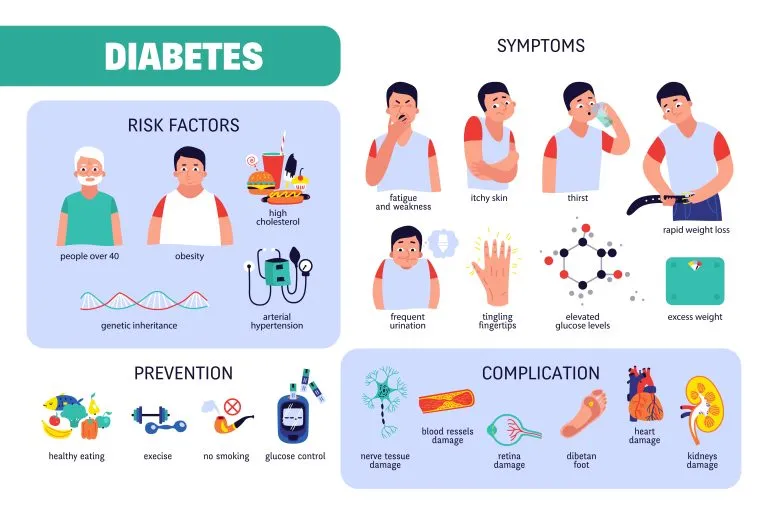
Early diabetes symptoms stem from one core problem: your body can’t use glucose properly. Either the pancreas isn’t producing enough insulin, or your cells have stopped responding to it. As a result, sugar builds up in the bloodstream instead of entering cells for energy, and that blood sugar imbalance triggers a cascade of physical effects.
Why Diabetes Symptoms Develop Slowly
Type 2 diabetes, the most common form, can take years to produce noticeable symptoms. The body compensates for rising blood sugar for a long time before symptoms become obvious. Many people are only diagnosed after a routine blood test or after complications like nerve tingling or vision changes have already begun.
How High Blood Sugar Damages the Body
Chronically elevated blood sugar damages blood vessels and nerves throughout the body. This is why diabetes affects so many systems: eyes, kidneys, heart, skin, and nerves simultaneously. The earlier you catch a glucose metabolism disorder, the more of that damage you can prevent.
Most Common Symptoms of Diabetes
These are the hallmark signs that appear across most forms of diabetes, though they vary in intensity.
Frequent Urination (Polyuria)
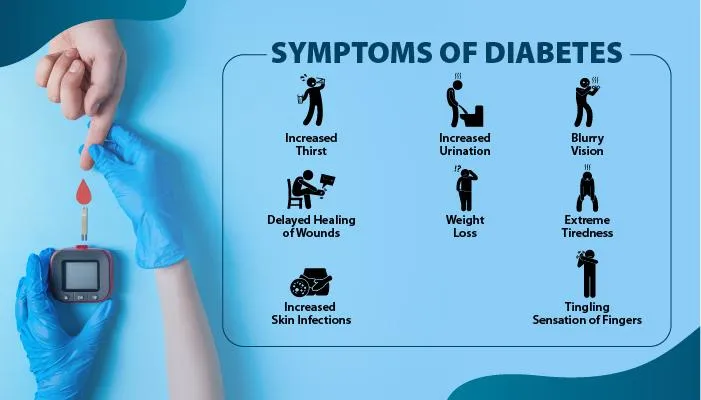
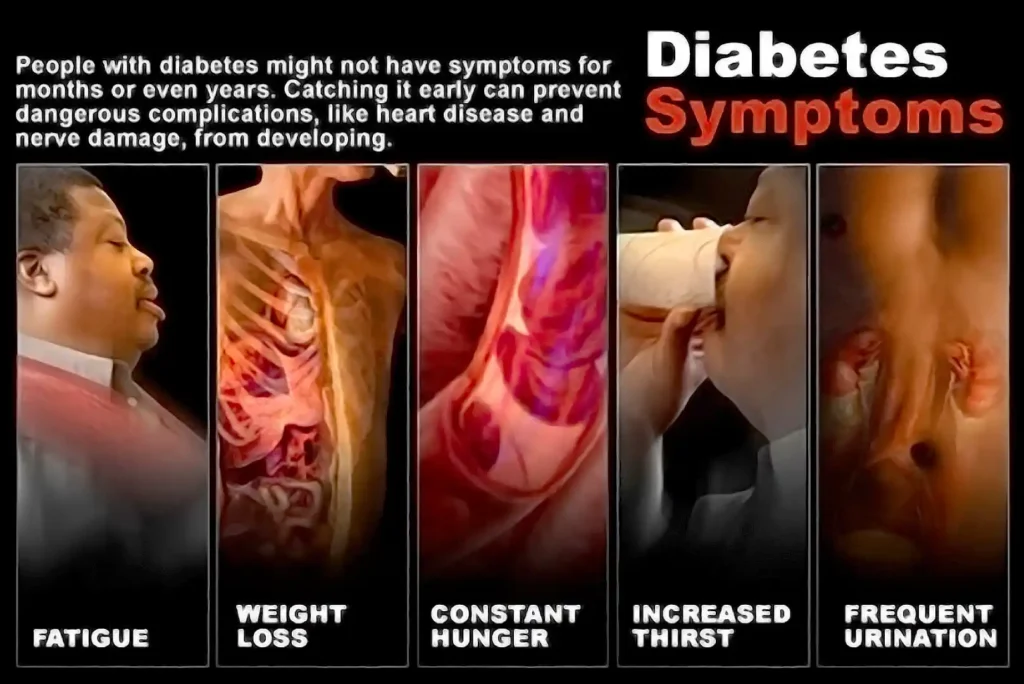
When blood sugar is too high, your kidneys work overtime to filter the excess glucose, pulling water from your body in the process. The result is more frequent urination, sometimes every hour, especially at night (nocturia). This is one of the earliest and most reliable signs of high blood sugar.
Excessive Thirst (Polydipsia)
All that urination causes dehydration. Your body responds by triggering an intense, persistent thirst that isn’t easily satisfied. If you’re drinking large amounts of water and still feeling thirsty, that’s a significant red flag for diabetes.
Increased Hunger (Polyphagia)
Even after eating, people with diabetes often feel constantly hungry. Because insulin isn’t working properly, glucose can’t enter cells to provide energy, so cells send starvation signals to the brain, triggering hunger even when blood sugar is actually high.
Extreme Fatigue and Weakness
Diabetic fatigue goes beyond normal tiredness. Without glucose reaching cells efficiently, your body is essentially running on empty. This leads to persistent, unexplained exhaustion that doesn’t improve with sleep, a symptom commonly described as feeling “drained all the time.”
Unexplained Weight Loss
Particularly common in Type 1 diabetes, rapid or unexplained weight loss occurs because the body begins breaking down fat and muscle for energy when it can’t access glucose. Losing 10–20 pounds without dieting or exercising more is worth investigating immediately.
Blurred Vision
High blood sugar causes fluid to be pulled into the lenses of the eyes, changing their shape and making it harder to focus. Vision may fluctuate throughout the day and is often one of the first noticeable symptoms. Left untreated, diabetes can eventually lead to diabetic retinopathy and vision loss.
Slow Healing Cuts and Wounds
Poor circulation and nerve damage caused by high blood sugar mean the body can’t repair tissue as efficiently. Minor cuts, bruises, or sores that don’t heal within a week or two, especially on the feet, are classic signs of insulin resistance and warrant medical attention.
Frequent Infections
High blood sugar creates an environment where bacteria and fungi thrive. People with unmanaged diabetes experience:
- Skin infections, recurring boils, carbuncles, or folliculitis
- Gum infections, persistent gum disease, or tooth decay
- Urinary tract infections (UTIs), especially in women
If you’re getting infections repeatedly and they’re slow to resolve, it may be linked to a blood sugar imbalance.
Early Symptoms of Type 1 Diabetes
Type 1 diabetes is an autoimmune condition where the immune system destroys the insulin-producing cells in the pancreas. Unlike Type 2, it doesn’t develop gradually.
Sudden Symptom Onset
Type 1 symptoms can appear within days or weeks, not years. A child or young adult may go from seemingly healthy to extremely ill very quickly. The rapid onset distinguishes it from Type 2.
Rapid Weight Loss
Without insulin, the body cannot use glucose at all and immediately begins burning fat and muscle. Dramatic weight loss, sometimes 10+ pounds in a few weeks, is a key early signal.
Severe Fatigue
The fatigue in early Type 1 is intense enough to interfere with daily function, not just feeling tired, but struggling to stay awake or concentrate.
Diabetic Ketoacidosis (DKA) Warning Signs
If Type 1 goes undiagnosed, the body enters a dangerous state called diabetic ketoacidosis (DKA). Signs include:
- Fruity or acetone-smelling breath
- Nausea and vomiting
- Severe abdominal pain
- Rapid breathing
- Confusion or loss of consciousness
DKA is a medical emergency. Call emergency services immediately.
Early Symptoms of Type 2 Diabetes
Type 2 diabetes develops over time as insulin resistance worsens. Many people have prediabetes for years before reaching a Type 2 diagnosis, and symptoms may be so mild they’re dismissed entirely.
Symptoms That Develop Gradually
Unlike Type 1, Type 2 symptoms build slowly. You might notice you’re slightly more tired than usual, or that a small cut on your foot takes longer to heal. These incremental changes are easy to rationalize away.
Tingling in Hands and Feet
Peripheral neuropathy, nerve damage caused by sustained high blood sugar, produces tingling, numbness, or burning sensations, typically starting in the feet. This is often one of the first physical signs people notice in Type 2 diabetes.
Dark Skin Patches (Acanthosis Nigricans)
Velvety, dark patches of skin around the neck, armpits, or groin are a visible sign of insulin resistance. The skin thickens and darkens in response to elevated insulin levels circulating in the blood.
Increased Belly Fat and Insulin Resistance
Central obesity, carrying excess weight around the abdomen, is both a risk factor for and a symptom of insulin resistance. Visceral fat actively promotes metabolic dysfunction, creating a feedback loop that worsens insulin resistance over time.
Diabetes Symptoms in Women
Women experience some diabetes symptoms that differ from men, partly due to hormonal differences and the female reproductive system.
Yeast Infections
High blood sugar feeds the Candida fungus, making women with unmanaged diabetes significantly more prone to vaginal yeast infections, especially recurring infections that don’t fully resolve with standard treatment.
Hormonal Imbalance Symptoms
Diabetes can disrupt estrogen and progesterone balance, contributing to irregular menstrual cycles, worsened PMS symptoms, and changes in libido.
Polycystic Ovary Syndrome (PCOS) Connection
PCOS and Type 2 diabetes are closely linked through insulin resistance. Women with PCOS have a significantly elevated risk of developing Type 2 diabetes, and many PCOS symptoms, irregular periods, excess hair growth, and weight gain, overlap with diabetes warning signs.
Pregnancy-Related Symptoms
During pregnancy, the placenta produces hormones that can impair insulin function, leading to gestational diabetes (covered in detail below). Women with a history of gestational diabetes also face a higher lifetime risk of Type 2.
Diabetes Symptoms in Men
Men experience diabetes differently in some key ways, and certain male-specific symptoms are often overlooked or attributed to other causes.
Erectile Dysfunction
ED is significantly more common in men with diabetes than in the general population. High blood sugar damages blood vessels and nerves that control erections. It’s often one of the first symptoms men notice, but one of the last they discuss with a doctor.
Muscle Loss
Insulin plays a key role in muscle protein synthesis. When insulin is deficient or ineffective, muscle mass decreases even without changes in diet or exercise. Unexplained muscle weakness or loss in men is a notable symptom of the effects of diabetes.
Low Energy and Testosterone Changes
Diabetes is associated with lower testosterone levels in men, contributing to fatigue, reduced sex drive, mood changes, and difficulty concentrating, symptoms that are often attributed to stress or aging.
Diabetes Symptoms in Children
Childhood diabetes is most commonly Type 1, though Type 2 is increasingly diagnosed in children due to rising rates of childhood obesity.
Bedwetting
A previously toilet-trained child who starts wetting the bed again may be experiencing polyuria from elevated blood sugar, one of the earliest signs of juvenile diabetes in children who’ve already been toilet-trained.
Increased Thirst in Children
Persistent requests for water or juice that seem more than normal can be an early signal. Children may also complain of a dry mouth that doesn’t go away.
Sudden Weight Loss
A child losing weight without dieting, or who seems thinner despite eating normally, needs immediate evaluation. Childhood Type 1 can progress rapidly.
Mood Changes and Irritability
Blood sugar fluctuations significantly affect mood and cognitive function in children. Unusual irritability, difficulty concentrating in school, or mood swings that seem out of character can be neurological effects of high blood sugar.
Symptoms of Gestational Diabetes
Gestational diabetes develops during pregnancy when the body can’t produce enough insulin to meet increased demands. It affects approximately 2–10% of pregnancies in the United States.
Increased Thirst During Pregnancy
While some thirst during pregnancy is normal, persistent or extreme thirst beyond the typical pregnancy experience can indicate gestational diabetes.
Fatigue During Pregnancy
Again, fatigue is expected in pregnancy, but the heavy, glucose-related exhaustion of gestational diabetes tends to be more intense and doesn’t improve with rest.
Frequent Urination
Frequent urination is common in pregnancy, but an unusually high frequency (especially at night) combined with thirst may signal elevated blood sugar.
Why Many Women Have No Symptoms
The majority of gestational diabetes cases produce no noticeable symptoms. This is why routine glucose screening between weeks 24–28 of pregnancy is standard prenatal care. Don’t rely on symptoms to rule out gestational diabetes.
Hidden Symptoms People Often Ignore
These lesser-known diabetes symptoms are frequently overlooked because they seem unrelated to blood sugar.
Dry Mouth
Persistent dry mouth (xerostomia) is common in people with elevated blood sugar. Dehydration and reduced saliva production create an uncomfortable, sticky sensation that can also worsen dental problems.
Itchy Skin
Poor circulation and dry skin from dehydration can cause generalized itching, particularly on the lower legs. Localized itching around the genitals may indicate a yeast or fungal infection related to high blood sugar.
Constant Hunger
Even after meals, some people with diabetes feel they never quite feel full or satisfied. This happens because cells are starving for glucose even when blood sugar is technically high.
Brain Fog and Concentration Problems
Blood sugar imbalance directly affects brain function. People with unmanaged diabetes often report difficulty focusing, poor short-term memory, and “mental cloudiness,” sometimes called diabetic brain fog.
Mood Swings
The brain runs on glucose. When blood sugar spikes or crashes, it directly affects mood, causing irritability, anxiety, and even depressive symptoms that seem to have no obvious cause.
What Causes Diabetes Symptoms?
At the root of every diabetes symptom is a disruption in how the body handles glucose, the primary fuel source for every cell.
- High blood sugar (hyperglycemia): When glucose can’t enter cells, it accumulates in the bloodstream, damaging vessels and nerves.
- Insulin resistance: Cells stop responding to insulin’s signal to absorb glucose, particularly in Type 2 diabetes.
- Lack of insulin production: In Type 1, the pancreas produces little or no insulin due to autoimmune destruction.
Role of the Pancreas
The pancreas produces insulin in specialized cells called beta cells. In Type 1, those beta cells are destroyed. In Type 2, the pancreas initially overproduces insulin to compensate for resistance, but eventually cannot keep up, leading to pancreatic dysfunction and rising blood sugar.
How Insulin Affects Energy Levels
Insulin is essentially the key that unlocks cells to receive glucose. Without it working properly, cells can’t get the energy they need, which is why glucose regulation problems cause fatigue, brain fog, and weakness even when you’re eating enough food.
When Should You See a Doctor?
Dangerous Symptoms That Need Immediate Attention
Go to an emergency room or call emergency services immediately if you or someone you know experiences:
- Fruity-smelling breath
- Persistent vomiting
- Severe abdominal pain
- Rapid or labored breathing
- Confusion, disorientation, or loss of consciousness
- Signs of severe dehydration (sunken eyes, dry lips, no urination)
These can indicate diabetic ketoacidosis (DKA) or severe hyperglycemia, both life-threatening conditions.
Symptoms of Diabetic Ketoacidosis (DKA)
DKA occurs when the body breaks down fat for fuel too rapidly, producing ketones that make the blood dangerously acidic. It’s most common in Type 1 diabetes but can occur in Type 2. Do not attempt to treat DKA at home.
Symptoms of Severe Hyperglycemia
Blood sugar above 300 mg/dL can cause extreme thirst, vision changes, headaches, and lethargy. Above 600 mg/dL, a condition called hyperosmolar hyperglycemic state (HHS) can cause seizures, coma, and death if untreated.
See a doctor promptly, not just urgently, if you notice any combination of: frequent urination, excessive thirst, unexplained fatigue, blurred vision, tingling in the hands or feet, or slow-healing wounds lasting more than two weeks.
How Diabetes Symptoms Are Diagnosed
Symptoms alone can’t confirm diabetes. These are the standard tests your doctor will use.
Blood Sugar Testing
A fasting plasma glucose test measures blood sugar after 8 hours without eating. A result of 126 mg/dL or higher on two separate occasions confirms diabetes. A random glucose test above 200 mg/dL with symptoms is also diagnostic.
HbA1c Test
The HbA1c (glycated hemoglobin) test shows your average blood sugar over the past 2–3 months. An A1c of 6.5% or higher indicates diabetes; 5.7–6.4% indicates prediabetes. It’s one of the most reliable and commonly used blood glucose testing methods.
Urine Testing
A urinalysis can detect glucose or ketones in the urine, both of which are signs of elevated blood sugar. It’s not used alone for diagnosis but supports clinical assessment.
Continuous Glucose Monitoring (CGM)
CGMs use a small sensor under the skin to track blood sugar in real time throughout the day. While primarily a management tool, they’re increasingly used for people suspected of having reactive hypoglycemia or fluctuating blood sugar patterns.
Conditions That Mimic Diabetes Symptoms
Not every symptom on this list means you have diabetes. These conditions can produce very similar presentations.
Thyroid Disorders
Both hyperthyroidism and hypothyroidism cause fatigue, weight changes, mood swings, and cognitive issues. Thyroid function is routinely tested alongside blood sugar in diagnostic workups.
Dehydration
Dehydration alone causes fatigue, dry mouth, reduced urination, and concentration problems. However, it doesn’t explain frequent urination or persistent hunger.
Hormonal Imbalances
Conditions like Cushing’s syndrome (excess cortisol), PCOS, or adrenal disorders can all cause insulin resistance and blood sugar instability, producing symptoms that mirror diabetes.
Anxiety and Fatigue Disorders
Chronic fatigue syndrome, anxiety disorders, and depression all produce fatigue, brain fog, mood changes, and sleep disruption symptoms that overlap significantly with undiagnosed diabetes.
Can Diabetes Symptoms Be Reversed or Controlled?
The honest answer: it depends on the type and the stage.
Lifestyle Changes
Type 2 diabetes symptoms can often be dramatically reduced, and in some cases, remission is achievable through consistent lifestyle changes. Studies show that losing 5–10% of body weight significantly improves insulin sensitivity.
Blood Sugar Management
Keeping blood sugar within target ranges (typically 80–130 mg/dL fasting) prevents ongoing damage and allows the body to begin healing. Symptoms like fatigue, frequent urination, and blurred vision often improve quickly once blood sugar is controlled.
Weight Loss and Exercise
Regular physical activity, even 30 minutes of moderate walking daily, improves insulin sensitivity and lowers blood sugar. Combined with dietary changes, it’s the most powerful non-pharmacological tool available.
Medication and Insulin Therapy
For many people, lifestyle changes alone aren’t sufficient. Metformin, GLP-1 receptor agonists, SGLT-2 inhibitors, and insulin therapy are all proven to reduce symptoms and complications. Type 1 diabetes requires insulin therapy from diagnosis; it cannot be managed through lifestyle alone.
How to Prevent Diabetes Before Symptoms Worsen
If you’re in the prediabetes range or have risk factors, these steps can delay or prevent progression.
Healthy Eating Habits
Focus on whole foods, fiber-rich vegetables, lean proteins, and healthy fats. Limit processed carbohydrates and refined sugars, which cause rapid spikes in blood sugar. The Mediterranean and DASH diets have the strongest evidence for blood sugar control.
Reducing Sugar Intake
Cutting added sugars reduces the burden on your pancreas and helps stabilize insulin levels. Read food labels, sugar hides under dozens of names, including maltose, dextrose, and high-fructose corn syrup.
Importance of Daily Exercise
Exercise makes muscle cells more sensitive to insulin, helping them absorb glucose more effectively. Both aerobic exercise (walking, cycling) and resistance training (weights, bodyweight exercises) offer independent benefits for blood sugar.
Managing Stress and Sleep
Chronic stress raises cortisol, which raises blood sugar. Poor sleep (less than 6 hours) is independently associated with insulin resistance. Prioritizing 7–9 hours of quality sleep and practicing stress-reduction techniques (mindfulness, breathing exercises) are underrated yet evidence-based prevention strategies.
Key Takeaways
- Diabetes symptoms vary significantly between Type 1, Type 2, gestational, and other forms
- Many early symptoms are subtle and easy to attribute to lifestyle factors like stress or poor sleep
- High blood sugar affects multiple body systems: eyes, kidneys, nerves, skin, and cardiovascular health
- Early diagnosis and treatment dramatically reduce the risk of serious, permanent complications
- Some Type 2 symptoms can be reversed through weight loss, exercise, and blood sugar management
- Gestational diabetes often has no symptoms; screening during pregnancy is essential
- DKA is a medical emergency with fruity breath, vomiting, and confusion, which requires immediate ER care
Frequently Asked Questions
What are the first signs of diabetes?
The earliest signs of diabetes are typically frequent urination (especially at night), excessive thirst that’s hard to satisfy, and unexplained fatigue. In Type 1, these can appear suddenly over the course of days. In Type 2, they develop gradually over months or years and are often dismissed.
Can diabetes symptoms come suddenly?
Yes in Type 1 diabetes, symptoms can emerge rapidly, sometimes within days or weeks. In cases where Type 1 goes undiagnosed, the first “symptom” can be diabetic ketoacidosis (DKA), a medical emergency. Type 2 symptoms are almost always gradual.
What does diabetic fatigue feel like?
Diabetic fatigue is described as a deep, persistent exhaustion that doesn’t improve with rest or sleep. It feels different from normal tiredness, more like your body is “running on empty” even after a full night’s sleep, combined with difficulty concentrating and low motivation.
Can diabetes cause itching?
Yes. Itchy skin is a lesser-known but real symptom of diabetes. It can result from dry skin due to dehydration, poor circulation, nerve damage (neuropathy), or yeast and fungal infections that thrive in high-sugar environments. Itching around the genitals is particularly associated with yeast overgrowth in people with high blood sugar.
Are diabetes symptoms different in women?
Yes. Women with diabetes may experience recurring yeast infections, hormonal imbalances, worsened PMS, and irregular periods. The PCOS-diabetes connection is significant many women with PCOS have underlying insulin resistance that increases their risk of Type 2 diabetes. Symptoms during pregnancy may indicate gestational diabetes.
What are the silent symptoms of diabetes?
Silent diabetes symptoms are changes that are present but easy to overlook: slightly blurred vision that comes and goes, tingling in the toes that seems like “just” poor circulation, skin darkening in the armpits or neck, and infections that clear slowly. Many people don’t realize these are warning signs until diabetes is already advanced.
This article is for informational purposes only and does not constitute medical advice. If you are experiencing symptoms described here, please consult a qualified healthcare provider for proper diagnosis and treatment.