


Think about the last meal you had. Did it give you energy, focus, and satisfaction, or did it leave you sluggish an hour later? The secret to feeling your best every single day isn’t a trendy diet or a magic supplement. According to the, unhealthy diets are one of the leading risk factors for chronic diseases, including obesity, heart disease, type 2 diabetes, and certain cancers. Research also shows that long-term healthy eating patterns significantly improve lifespan, energy levels, and overall well-being.
It comes down to something far more fundamental: understanding food groups and how they work together to fuel your body.
Whether you’re trying to lose weight, boost your immunity, sharpen your mental clarity, or simply eat better, knowing the right food groups and how to balance them is your most powerful tool. This complete, science-backed guide will walk you through everything you need to know about food groups for a healthy diet, from what they are to how to build perfectly balanced meals every day.
In this guide, you’ll learn: the 5 main food groups, how each one fuels your body, how to build a balanced plate, and how to adapt your eating for your lifestyle, all without obsessing over every calorie.

What Are Food Groups in Nutrition?
A food group is a category of foods that share similar nutritional properties and health benefits. Nutrition scientists group foods together to simplify meal planning and help people achieve balanced nutrition without needing a biochemistry degree.
Traditionally, we learned about nutrition through the food pyramid, a tiered structure that ranked food groups by how much of each we should eat. Today, most nutrition experts have moved toward the Healthy Eating Plate model, developed by Harvard’s T.H. Chan School of Public Health. It’s more visual, more practical, and better aligned with current research on what actually keeps people healthy.
Understanding food groups helps you:
- Plan meals that cover all your nutritional bases
- Avoid deficiencies in key vitamins and minerals
- Control portions and energy intake naturally
- Build eating habits that are sustainable long-term
The 5 Main Food Groups for a Healthy Diet
Let’s break down each food group, what it does for your body, and exactly how to include it in your diet.
1. Fruits and Vegetables | The Vitamin Powerhouse
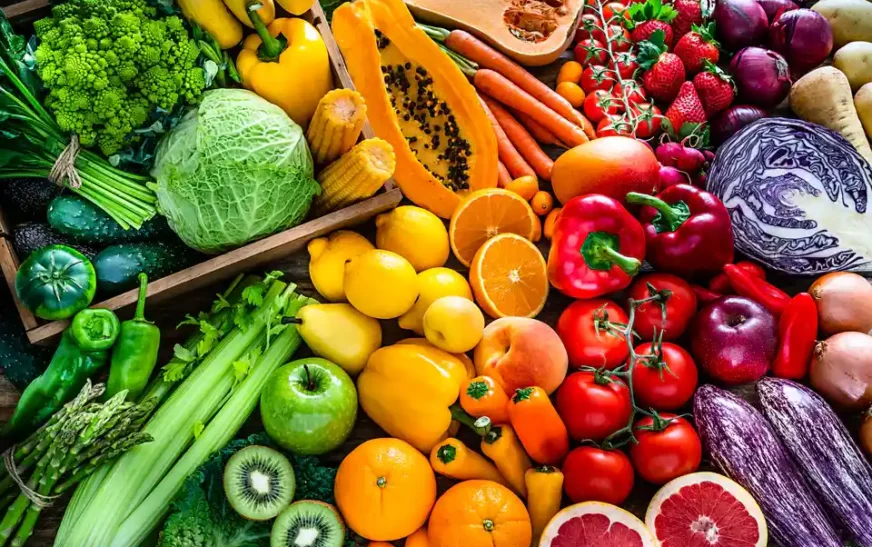
If there’s one food group you should never skip, it’s this one. Fruits and vegetables are the most nutrient-dense foods on the planet, packed with vitamins, minerals, antioxidants, and dietary fiber, and they’re low in calories to boot.
Why they matter:
Despite the well-known benefits of fruits and vegetables, nutrition research shows that many adults still fail to meet the recommended daily intake. Health experts consistently associate higher fruit and vegetable consumption with lower risks of heart disease, obesity, and certain cancers.
- Boost immunity with vitamins C, A, and E
- Fight inflammation and chronic disease with antioxidants
- Support digestion with soluble and insoluble fiber
- Keep blood pressure healthy with potassium and magnesium
One of the best strategies nutritionists recommend is eating a rainbow diet, choosing fruits and vegetables of different colors every day. Red tomatoes, orange sweet potatoes, green spinach, purple blueberries, and yellow bell peppers each carry different phytonutrients that protect your body in unique ways.
Pro Tip: Frozen vegetables are just as nutritious as fresh ones, sometimes more so, because they’re frozen at peak ripeness. Don’t let ‘fresh vs. frozen’ stop you from hitting your daily target of 5+ servings.

2. Whole Grains | Sustained Energy for Body and Brain
Carbohydrates have gotten a bad reputation in diet culture, but the truth is your body runs on them. The key is choosing the right kind: whole grains over refined grains.
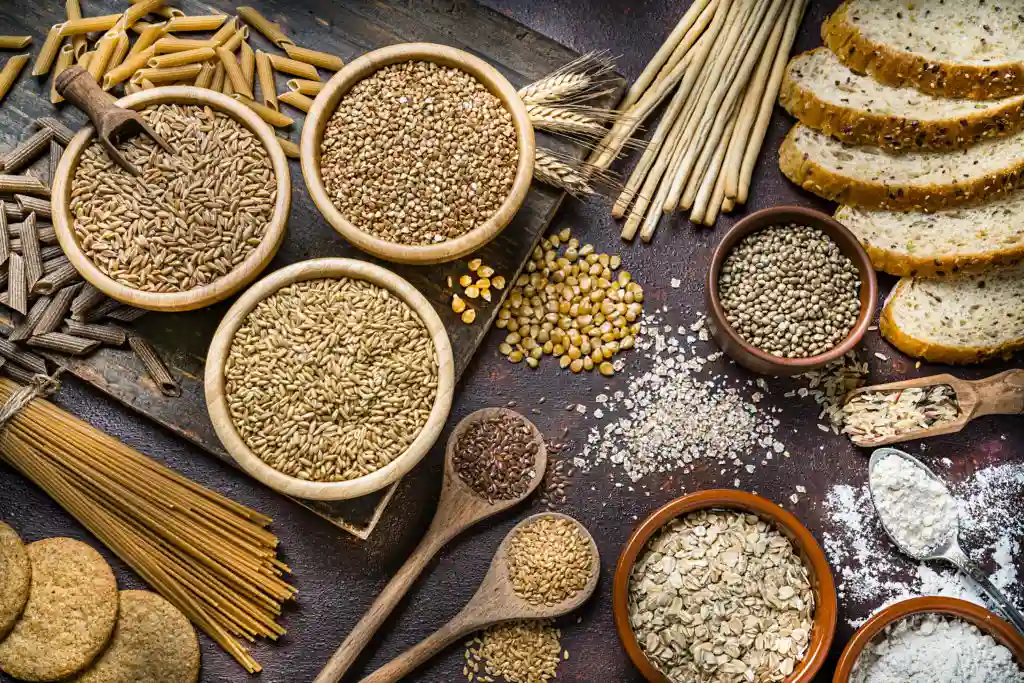
Whole grains like brown rice, oats, quinoa, whole wheat bread, and barley contain the entire grain kernel, including the bran and germ. This means they’re rich in complex carbohydrates, fiber, B vitamins, and minerals like iron and magnesium.
Benefits of whole grains:
Research published by nutrition experts suggests that replacing refined grains with whole grains may reduce the risk of heart disease, obesity, and type 2 diabetes.
- Provide slow-releasing energy that keeps you full longer
- Lower glycemic index reduces blood sugar spikes
- Support healthy digestion and gut microbiome
- Reduce risk of heart disease, type 2 diabetes, and obesity
Refined grains (white bread, white rice, most pastries) have been stripped of their bran and germ and with them, most of the fiber and nutrients. They digest quickly, spike your blood sugar, and leave you hungry again faster. Make the switch to whole grains as a simple, powerful upgrade.
3. Protein Foods | Build, Repair, and Thrive
Protein is the body’s primary building material. Every cell in your body contains protein, and your muscles, skin, hair, hormones, and immune cells all depend on a steady supply of amino acids to function and repair themselves.
Best protein sources:
- Animal-based: eggs, chicken breast, turkey, fish (especially salmon and tuna), lean beef, Greek yogurt
- Plant-based: lentils, chickpeas, black beans, tofu, tempeh, edamame, quinoa
One often-overlooked benefit of lean protein is its effect on metabolism. Protein has the highest thermic effect of any macronutrient; your body burns more calories digesting protein than it does processing carbs or fats. This makes adequate protein intake essential for anyone trying to manage their weight or build muscle.
General guideline: Most adults need 0.8–1.2g of protein per kilogram of body weight daily. Active individuals and older adults may need more.

4. Dairy & Calcium-Rich Foods | Strength from the Inside Out
Dairy and calcium-rich foods play a crucial role in building and maintaining strong bones and teeth. Calcium is the most abundant mineral in the body, and 99% of it is stored in your skeleton making this food group essential from childhood all the way through old age.
Top sources of calcium:
- Milk (dairy and fortified plant-based alternatives like soy or oat milk)
- Yogurt is also a great source of probiotics for gut health
- Cheese, particularly hard cheeses like cheddar and parmesan
- Fortified cereals and orange juice
- Non-dairy options: broccoli, kale, almonds, canned salmon with bones
Calcium works best alongside Vitamin D, which helps your body absorb it properly. Without sufficient vitamin D, often called the ‘sunshine vitamin’, even a calcium-rich diet may not adequately protect your bone density. Spending time outdoors and eating vitamin D-rich foods, such as fatty fish and eggs, support this synergy.
If you’re lactose intolerant or follow a vegan diet, fortified plant-based milks and calcium-rich vegetables can fully meet your needs.
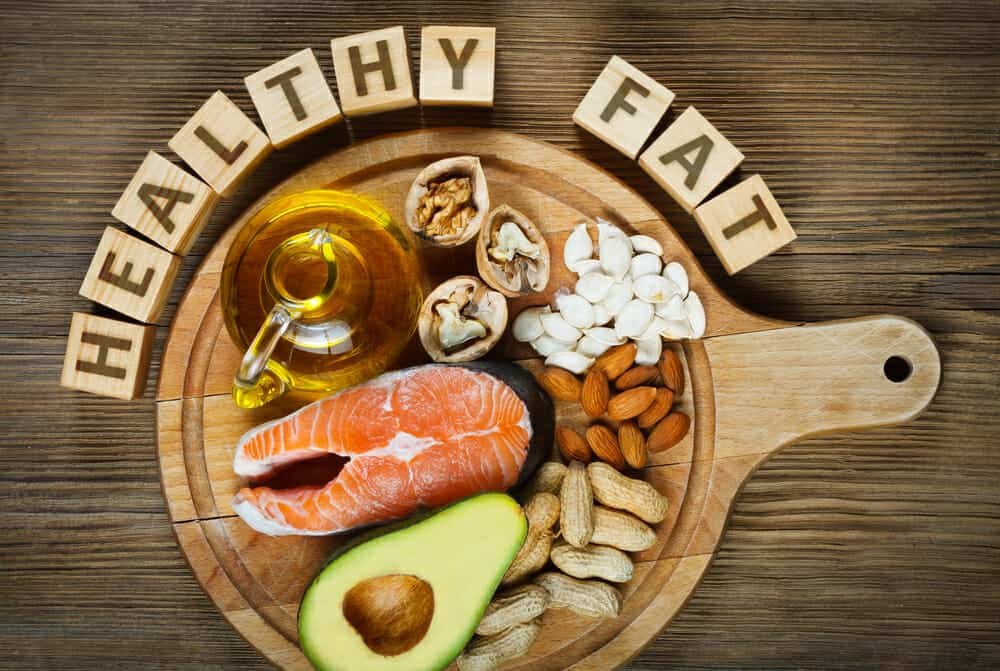
5. Healthy Fat | Essential for Brain, Hormones, and Heart
Fat is not the enemy; in fact, the right kinds of fat are absolutely essential for good health. Healthy fats are vital for brain function, hormone production, absorption of fat-soluble vitamins (A, D, E, and K), and cardiovascular protection.
Good fats vs. bad fats:
- Healthy unsaturated fats: olive oil, avocados, nuts (almonds, walnuts), seeds (flaxseed, chia)
- Omega-3 fatty acids: salmon, mackerel, sardines, walnuts, flaxseed, reduce inflammation and support heart health
- Limit saturated fats: found in red meat and full-fat dairy, okay in moderation
- Avoid trans fats: found in partially hydrogenated oils, fried fast food, and many packaged snacks
Research consistently shows that diets rich in omega-3 fatty acids are associated with lower rates of depression, sharper cognitive function, and reduced risk of heart disease. Don’t fear dietary fat, just choose it wisely.
How to Balance Food Groups in a Healthy Diet
Understanding individual food groups is just the start. The real magic of nutrition happens when they work in harmony on your plate.
No single food group can provide everything your body needs. Carbohydrates give you energy, but without protein, your muscles can’t recover. Protein builds tissue, but without fat, you can’t absorb the fat-soluble vitamins that regulate hormones. Vitamins from vegetables protect your cells, but many need fat to be bioavailable.
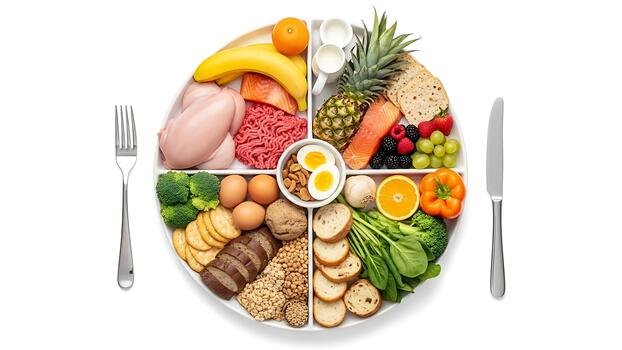
The Balanced Plate Method (Harvard-Style):
- ½ of your plate: vegetables and fruits (variety of colors)
- ¼ of your plate: whole grains (brown rice, quinoa, whole wheat pasta)
- ¼ of your plate: lean protein (fish, chicken, legumes, eggs)
- + a small amount of healthy fat (olive oil dressing, a few slices of avocado)
- + water or unsweetened beverages as your primary drink
This method is intuitive, visual, and highly adaptable. You don’t need to count calories; you just need to look at your plate and check the proportions.
Food Groups You Should Limit or Avoid
A complete guide to food groups wouldn’t be honest if it didn’t address what to minimize. Certain food categories undermine your health goals, even when they taste great.
- Ultra-processed foods: chips, instant noodles, packaged pastries, high in additives, low in nutrients
- Sugary drinks: sodas, energy drinks, fruit juices with added sugar linked to obesity, diabetes, and tooth decay
- Trans fats: partially hydrogenated oils in fried foods and many snacks raise LDL cholesterol and increase heart disease risk
- Excess sodium: processed meats, canned soups, and fast food contribute to high blood pressure
- Added sugar: candy, sweetened cereals, flavored yogurts, promotes inflammation and energy crashes
The goal isn’t perfection. It’s awareness. Enjoying a treat occasionally is part of a healthy relationship with food. What matters is your consistent daily pattern, not one indulgent meal.
Nutrient Density vs. Empty Calories: Why Food Quality Matters More Than Quantity
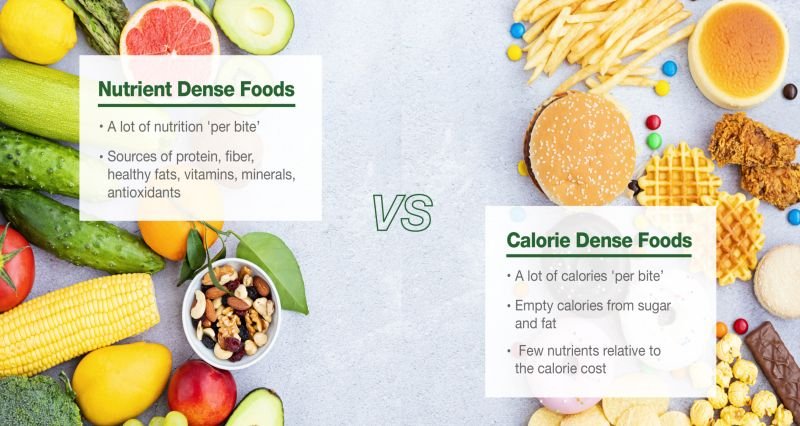
Nutrient density refers to the amount of beneficial nutrients a food provides relative to its calorie content. A nutrient-dense food gives you vitamins, minerals, fiber, and protein for relatively few calories. An empty-calorie food gives you energy (calories) with little else to show for it.
High nutrient density examples:
- Spinach: loaded with iron, vitamin K, folate, and antioxidants — almost zero calories
- Salmon: omega-3s, complete protein, vitamin D, and B12 in one serving
- Eggs: complete amino acid profile, choline for brain health, vitamin D
- Blueberries: antioxidants, fiber, vitamin C, low in sugar relative to nutrition
Empty calorie examples:
- Soda: 150 calories, zero vitamins, zero fiber, zero protein
- Candy bars: sugar + saturated fat with little nutritional value
- White bread: fast carbs with most fiber and nutrients processed out
When you prioritize nutrient-dense foods from each food group, you naturally eat more satisfying, filling meals while keeping your calorie intake in check without constant counting or restriction.
Building a Perfect Daily Meal Using Food Groups
Let’s make this practical. Here’s how to structure a day of eating that naturally incorporates all the food groups in the right proportions.
Balanced Breakfast
- Oatmeal (whole grain) topped with berries (fruit) and a handful of walnuts (healthy fats)
- Two eggs (protein) on whole wheat toast with avocado (healthy fats)
- Greek yogurt (protein + dairy) with chia seeds and sliced banana (fruit)
Balanced Lunch
- Grilled chicken (protein) over a quinoa (whole grain) bowl with roasted vegetables and olive oil dressing
- Lentil soup (plant-based protein) with whole grain bread and a side salad
Balanced Dinner
- Baked salmon (protein + omega-3s) with sweet potato (whole carb) and steamed broccoli (vegetable + calcium)
- Stir-fried tofu (plant protein) with brown rice and mixed vegetables in sesame oil
Healthy Snack Ideas
- Apple slices with almond butter
- Hummus with carrot and cucumber sticks
- A small handful of mixed nuts and dried fruit
- Cottage cheese with a sprinkle of flaxseed
- A boiled egg with cherry tomatoes
Food Group Guide for Different Lifestyles
The beauty of the food group framework is that it adapts to any goal or life stage. Here’s how to fine-tune it for your specific needs.
For Weight Loss
- Increase lean protein to reduce hunger and preserve muscle mass
- Fill half your plate with non-starchy vegetables for volume without calories
- Choose high-fiber whole grains over refined carbs to stay full longer
- Reduce (but don’t eliminate) healthy fats to lower overall calorie density
For Energy & Productivity
- Prioritize complex carbohydrates for sustained, steady energy release
- Include omega-3-rich foods for brain sharpness and focus
- Stay hydrated; even mild dehydration significantly impacts mental performance
- Avoid sugar crashes by pairing carbs with protein or fat at every meal
For Children
- Prioritize calcium-rich foods and vitamin D for bone development
- Include iron-rich foods (lean meat, legumes, fortified cereals) for cognitive development
- Make vegetables fun with different textures, dips, and colors to help with picky eaters
- Limit added sugar and ultra-processed snacks to protect developing metabolic health
For Seniors
- Increase protein intake to counter age-related muscle loss (sarcopenia)
- Boost calcium and vitamin D for bone density and fracture prevention
- Choose softer, easy-to-digest foods while maintaining nutritional density
- Pay attention to hydration; the thirst sensation weakens with age
Common Mistakes in Food Group Balance (And How to Fix Them)
Even health-conscious people make these nutritional missteps. Recognizing them is the first step to fixing them.
- Skipping vegetables at most meals
- Fix: Commit to adding at least one vegetable to every meal. Start with easy wins: spinach in eggs, tomatoes on sandwiches, a side salad at dinner.
- Overloading on one food group
- Fix: Too much protein and too few carbs, or mountains of pasta with no vegetables, an imbalance leaves gaps in your nutrition. Aim for variety daily.
- Relying on processed ‘health’ foods
- Fix: Many packaged foods labeled ‘low-fat’, ‘high-protein’, or ‘natural’ are still ultra-processed. Read ingredient lists, not just front-of-pack marketing.
- Skipping breakfast or meals
- Fix: Skipping meals often leads to overeating later. Regular meal timing helps regulate hunger hormones and keeps energy stable.
- Ignoring portion sizes
- Fix: Even healthy foods contribute to weight gain in excessive amounts. The balanced plate method is a practical visual guide to natural portion control.
Healthy Eating Plate vs. Food Pyramid: The Modern Update
Many of us grew up learning about the food pyramid, a triangular chart with bread and grains at the base and fats at the top. While it introduced people to the concept of food groups, it had significant limitations: it didn’t distinguish between whole and refined grains, lumped all fats together, and was partly influenced by food-industry lobbying.
The Healthy Eating Plate, developed by Harvard nutrition scientists, addresses these flaws with a cleaner, more evidence-based approach:
- Vegetables and fruits take up half the plate, emphasizing plant-based nutrition as the foundation
- Whole grains (not just ‘grains’) occupy one-quarter of the types, not just the category
- Healthy protein fills the final quarter with plant-based options encouraged
- Healthy oils (like olive oil) are included as a positive, not lumped with ‘fats to avoid.’
- Water is the recommended primary drink, not juice or milk
The plate model works better in real life because it’s visual, flexible, and doesn’t require calorie math. You can apply it whether you’re eating a bowl of salad, a stir-fry, or a traditional home-cooked meal.
Frequently Asked Questions (FAQ)
What are the 5 main food groups?
The 5 main food groups are: (1) Fruits and Vegetables, (2) Whole Grains, (3) Protein Foods (meat, fish, eggs, legumes), (4) Dairy and Calcium-Rich Foods, and (5) Healthy Fats and Oils. Each group provides a unique set of nutrients essential for overall health.
Why are food groups important in a healthy diet?
Food groups ensure you get a wide variety of nutrients, vitamins, minerals, protein, carbohydrates, and fats that work together to support energy, immunity, brain function, and disease prevention. No single food or group can provide everything the body needs.
Can I skip a food group in my diet?
Skipping a food group long-term can lead to nutritional deficiencies. For example, avoiding dairy without replacing calcium, or eliminating all carbohydrates without adequate energy alternatives. If you need to exclude a group for medical or ethical reasons, consult a registered dietitian to ensure safe compensation.
Which food group is most important?
All food groups are essential; there is no single ‘most important’ group. However, if one is most consistently linked to overall health benefits, fruits and vegetables stand out for their protective role against chronic disease, high nutrient density, and beneficial fiber content.
How do I balance all food groups daily?
Use the Balanced Plate method: fill half your plate with fruits and vegetables, one quarter with whole grains, and one quarter with lean protein. Add a small amount of healthy fat and drink water as your main beverage. This simple visual approach naturally includes all food groups without calorie counting.
How many servings from each food group do I need per day?
Daily recommendations for an average adult: Vegetables: 2.5–3 cups | Fruits: 1.5–2 cups | Grains (at least half whole): 6–8 oz equivalents | Protein foods: 5–6.5 oz equivalents | Dairy/calcium: 3 cups (or fortified equivalents) | Healthy oils: 5–6 teaspoons. These vary based on age, sex, and activity level.
Conclusion: Mastering Food Groups for Lifelong Health
Eating well doesn’t have to be complicated. When you understand the five main food groups and how they work together, nutrition becomes less about rules and restrictions and more about building meals that naturally nourish and satisfy you.
The core message is simple: variety is your greatest ally. Eat plenty of colorful fruits and vegetables, choose whole grains over refined ones, include quality protein at every meal, don’t fear healthy fats, and meet your calcium needs. Limit ultra-processed foods and added sugars not because of moral virtue, but because your body genuinely thrives without them.
And remember: healthy eating is about harmony, not perfection. One meal doesn’t define your health, but your consistent daily pattern does. Start small, make gradual improvements, and trust the process.