

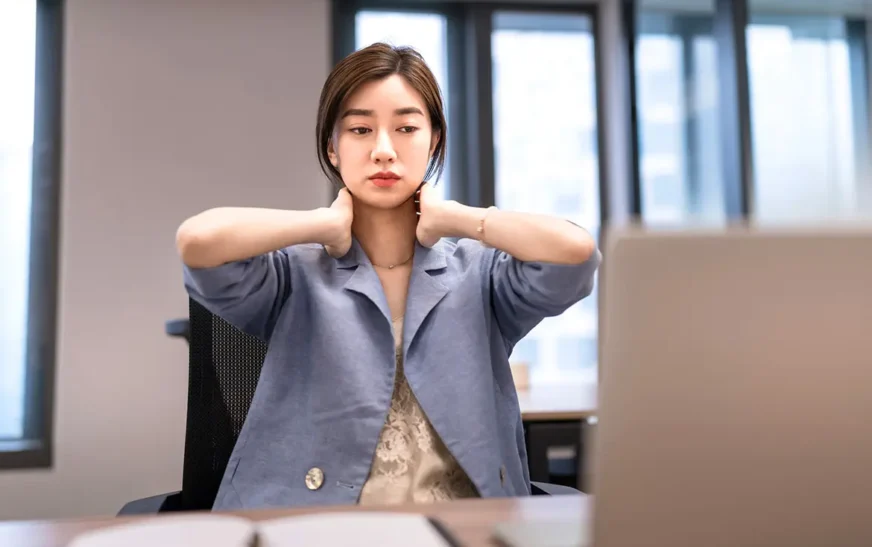
Turning 30 doesn’t feel like a dramatic switch. There’s no obvious “before and after” moment. But slowly, things start to feel… different. Your energy isn’t the same. Your body reacts differently to stress. Your cycle may shift. And recovery from even small things takes longer than it used to.
Most women assume this is just adulthood. But there’s more happening under the surface, a combination of hormonal changes, metabolic slowdown, and reproductive system adjustments that quietly begin in your 30s. And here’s the part most medical articles don’t say clearly enough:
You’re not “falling apart.”Your body is just recalibrating.
We will discuss the problems many women face after 30, like low metabolism, hormonal changes, and the most common factor among women, skin elasticity, and this article will help you understand how these elements are related to the real root of increasing age. It is normal for every woman to just need a balanced diet and regular exercise.
The Silent Shift: Hormones Start Acting Less Predictably
One of the earliest changes in women’s health after 30 is hormonal fluctuation.
Estrogen and progesterone don’t crash; they become less stable. That instability can show up as mood swings that feel stronger than before, it’s normal after 30, may your sleep become lighter or even you feel more broken segments of sleep.
The most important change you may feel after 30 is that PMS symptoms become more intense; they will not stop, but by the time you see sudden changes, they could be lighter than before. You may feel intense pain during your periods.
It could be the small change in cycle timing. All changes are normal; you need not worry about it.
You must visit a doctor if you feel any intense change for a couple of months.
What makes this confusing is that nothing looks “wrong” in lab terms early on.
But you feel it. And that disconnect is why so many women ignore it.
Your Period Doesn’t Disappear It Starts Changing Patterns
Another major shift is the change in women’s menstrual cycles after 30.
Your period might become slightly irregular, you may feel heavier or lighter bleeding than before, more painful in certain months, and it may also become unpredictable under stress
This is often influenced by:
If you are suffering from different stress levels, the most common factor after 30 is thyroid function, which directly influences your menstrual cycle.
Your body weight also plays a vital role in your hormonal health; changes in body weight may lead to irregular periods.
In this age group, hormones become more sensitive than before.
But the key point is this:
Your cycle becomes a “report card” for your overall health after 30.
If something is off in your body, your cycle often shows it first.
Energy Changes: Why You Feel More Tired Than Before
One of the most-searched-for but least-explained women’s health symptoms after 30 is fatigue.
Not normal tiredness, deeper, slower recovery fatigue.
This usually comes from a mix of mild iron deficiency, most women suffer from a vitamin D imbalance, and hormonal fluctuations also have a high ratio in their 30s. long-term stress buildup, with the most common element being changes in sleep quality.
In your 20s, your body “absorbs” stress better.
In your 30s, it starts “reflecting” it.
That’s the real difference.
Metabolism Doesn’t Break It Just Becomes Less Forgiving
There’s a myth that metabolism suddenly “drops” after 30.
That’s not fully true.
What actually changes is that metabolism often slows because muscle mass naturally decreases with age. And activity levels often become inconsistent.
insulin sensitivity shifts slightly, so weight gain becomes easier, not because your body is broken, but because it’s less flexible than before.
This is why women’s health and fitness after 30 focus more on strength training, protein intake, and consistency rather than extreme dieting.
Mental Load Becomes a Real Health Factor
This is something most clinical articles completely underplay.
After 30, women usually want to be financially secure, and career pressure becomes more crucial to their mental health.
Family responsibility is a key factor in women’s mental pressure; they have to fulfill this responsibility by all means. Sometimes it becomes emotional labor for the woman. They also have to manage finances for the family’s needs, and financial planning stress adds to their mental load.
This “invisible load” directly affects:
- hormones
- sleep quality
- digestion
- anxiety levels
So when we talk about women’s wellness after 30, mental health is not separate it is physical health.
Fertility Awareness Starts Becoming Relevant (Even If You’re Not Planning Yet)
Even if pregnancy is not on your radar, reproductive health after 30 becomes biologically relevant.
Not because fertility disappears, but because:
Egg quality slowly changes in this age. It starts becoming your pressure.
Ovulation patterns can shift slightly; you must acknowledge this change for a healthy lifestyle. Because hormonal balance becomes more sensitive.
This is why awareness matters more than fear.
Understanding your cycle gives you control, not pressure.
Sleep Becomes the First Thing to Break (and the Hardest to Fix)
A quiet but very common change in women’s health after 30 is sleep disruption.
You may notice: waking up more during the night, lighter sleep overall, feeling tired even after sleeping
This is often linked to: cortisol (stress hormone) imbalance, hormonal fluctuations, screen time + lifestyle patterns
Sleep stops being automatic.
It becomes something you have to protect.
Nutrient Gaps Become More Noticeable
After 30, small deficiencies start showing bigger effects.
Common ones: Iron deficiency causes fatigue and weakness.
A lack of vitamin D leads to mood swings and immune issues.
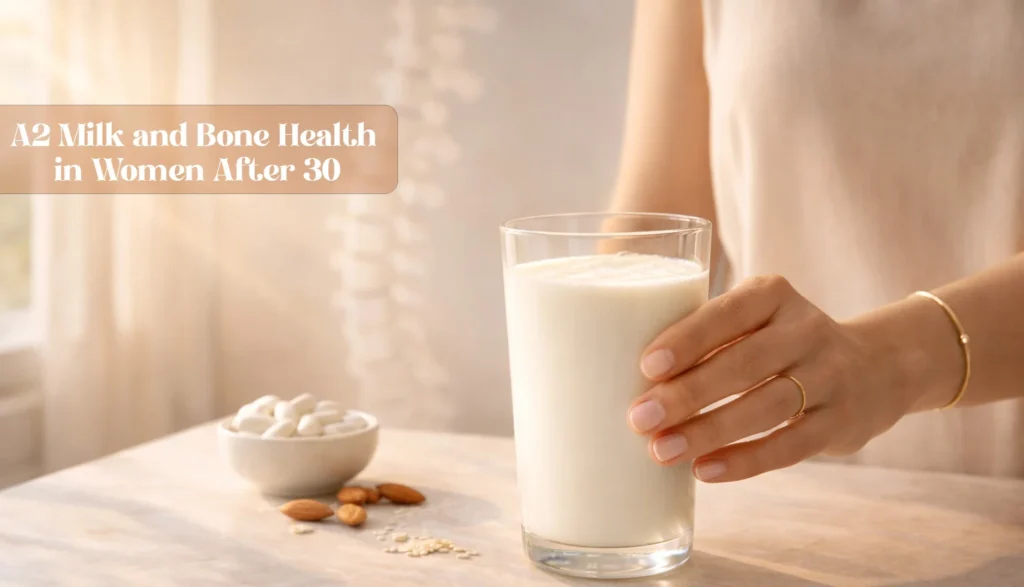
Magnesium is the most important nutrient in your body’s metabolism; its deficiency directly affects your sleep and stress levels. Calcium, everyone knows, relates to long-term bone health.
This is why women’s health diet after 30 is less about dieting and more about stability.
Food becomes maintenance, not restriction.
The Real Problem: Most Women Don’t Connect the Signs
Most clinical blogs and articles cover these symptoms, but they don’t connect with each other. So women read about only factors like fatigue and mood swings, but they don’t relate them to age factors. According to research, most women click on blogs about weight changes and irregular cycles, but they don’t realize these changes are happening because they’re in their 30s.
…but don’t realize it’s part of one system shift. They must understand the major reason behind every change in their body.
In reality, women’s health problems after 30 are interconnected, not isolated.
What Actually Helps (Not Generic Advice)
Instead of extreme lifestyle changes, what actually works is consistency in 4 areas:
As a woman in her 30s, she must have a stable sleep routine and maintain balanced nutrition (not restriction).
Strength-based movement is also a huge factor in understanding and ensuring you are adding exercises to your routine that build strength in your body, not just to reduce tiredness.
Must know the stress management techniques and know how to regulate it in your daily routine without burdening your mind. These don’t “fix” your body; they support it while it adjusts.
That’s the difference.
Final Thought
Turning 30 isn’t a decline. It’s a transition.
Your body becomes more responsive, more sensitive, and more honest about what’s happening internally.
That’s why ignoring small signs doesn’t work anymore. The real shift in women’s health after 30 is not about fear or aging.
It’s about awareness.
Because once you understand what’s changing, you stop reacting randomly…and start taking care of your body in a way that actually makes sense.
FAQ’S
1. What health changes should women expect after turning 30?
After 30, many women notice a slower metabolism, hormonal fluctuations, reduced skin elasticity, and shifts in energy levels. Fertility may gradually decline, and bone density may also start to decrease. These changes are normal, but a balanced diet, exercise, and regular health screenings can make a big difference.
2. Why does metabolism slow down after 30?
Metabolism often slows because muscle mass naturally decreases with age, and hormonal changes can affect how the body burns calories. This means weight gain can happen more easily, even without major lifestyle changes. Strength training and protein-rich meals can help maintain a healthy metabolism.
3. How important are regular health screenings after 30?
Health screenings become increasingly important after 30 because they help detect issues like thyroid disorders, high blood pressure, diabetes, and reproductive health concerns early. Regular Pap smears, breast exams, and blood tests can support long-term wellness and prevention.
4. Can hormonal changes affect mental health in your 30s?
Yes, hormonal shifts related to menstrual cycles, pregnancy, or stress can impact mood, anxiety levels, and emotional well-being. Many women experience increased stress due to career, family, or lifestyle pressures, too. Prioritizing sleep, stress management, and mental health support is essential.
5. What are the best nutrients women need after 30?
Women over 30 often benefit from iron, calcium, vitamin D, magnesium, and omega-3 fatty acids. These nutrients support bone strength, hormonal balance, heart health, and energy levels. Including leafy greens, dairy, fatty fish, nuts, and seeds can help meet these needs naturally.
6. Is fertility affected after age 30?
Fertility can gradually decline after 30, especially after 35, due to changes in egg quality and quantity. While many women conceive naturally in their 30s, understanding reproductive health earlier can be helpful. Maintaining a healthy lifestyle may support fertility outcomes.
7. Why is bone health important for women after 30?
Bone density begins to decline slowly in your 30s, making this a key decade for prevention. Calcium, vitamin D, and weight-bearing exercises help protect against osteoporosis later in life. Building strong habits now supports healthier aging.
8. How can women maintain healthy skin after 30?
Collagen production decreases with age, which can lead to fine lines, dryness, or dullness. Staying hydrated, using sunscreen daily, eating antioxidant-rich foods, and following a consistent skincare routine can support healthier skin.
9. What type of exercise is best for women over 30?
A combination of strength training, cardio, flexibility, and balance exercises works best. Strength training helps preserve muscle mass and metabolic rate, while cardio supports heart health. Activities like yoga or Pilates can also improve stress management and flexibility.
10. How does stress impact women’s health after 30?
Chronic stress can affect hormones, sleep, digestion, weight, and mental health. It may also increase the risk of anxiety, depression, and heart issues. Managing stress through exercise, mindfulness, hobbies, and rest is an important part of overall wellness.