

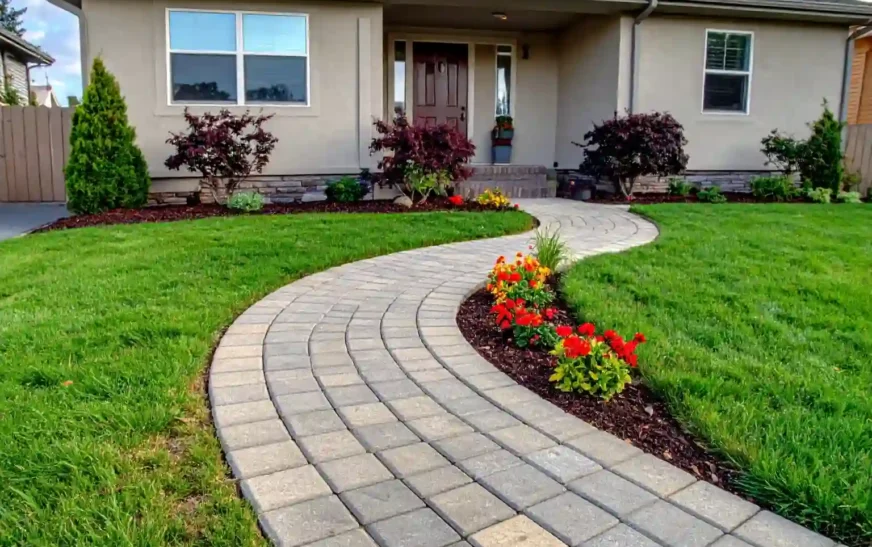
A yard full of potential is still just dirt and grass until you give it a plan. Whether you’re staring at a blank front lawn or trying to make a tricky backyard slope work in your favor, the right landscaping ideas turn an ordinary outdoor space into the part of the house everyone wants to be in. This guide walks through front yard landscaping, backyard landscaping, modern landscaping, rock landscaping, and budget-friendly, low-maintenance, and small-space options, so you can pick what actually fits your yard, your climate, and your weekend schedule.
You’ll find practical, tested ideas here, not just inspiration photos. Each section includes what the design actually involves, what it costs to pull off, and the mistakes that trip up most homeowners the first time around.
What Makes a Landscape Design Actually Work
Good landscape design ideas start with the same three questions: how will you use the space, how much sun and water does it get, and how much upkeep are you actually willing to do. Skipping this step is why so many yards end up with plants that die by August or patios nobody sits on.
Before picking plants or materials, walk your yard at different times of day and note where the sun hits hardest, where water pools after rain, and which views you want to keep or hide. This is the same process professional designers use, just without the invoice.
Key Elements of Every Good Yard Design
- Flower beds placed where they’ll actually get the right light
- A clear garden path connecting the entry, patio, and storage areas
- Shrubs used as structure, not just filler
- Mulch to lock in moisture and cut down on weeding
- At least one focal point, like a tree, fountain, or seating area
Front Yard Landscaping Ideas
Front yard landscaping ideas need to do double duty: they should look good from the street and hold up to foot traffic, delivery carts, and curious dogs. A well-planned front yard also does a lot for resale value, since it’s the first thing anyone sees.
1. Layered Flower Beds Along the Walkway
Plant in tiers, tall shrubs at the back, mid-height perennials in the middle, and low ground cover at the edge. This layering trick makes a small bed look intentional instead of overgrown.
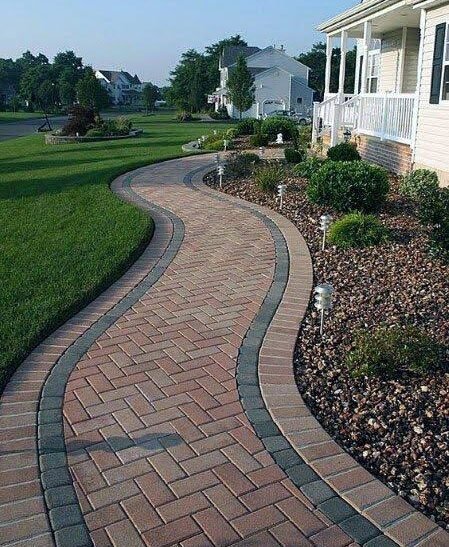
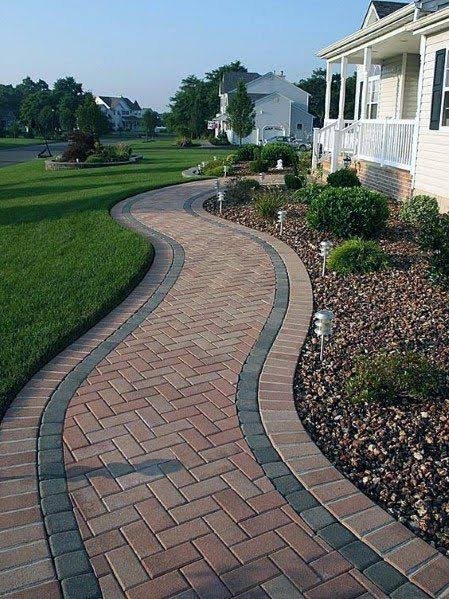
2. A Defined Garden Path
Whether it’s pavers, gravel, or poured concrete, a clear garden path guides visitors to your door and keeps them off the grass. Curved paths read as more natural; straight paths feel more formal.
3. Foundation Planting with Shrubs
Low, evergreen shrubs planted along the base of the house soften hard architectural lines and hide utility boxes or foundation vents. Boxwood, holly, and dwarf hydrangea are reliable choices across most US climate zones.
4. Mailbox and Lamp Post Gardens
A small ring of mulch and low flowers around a mailbox or lamp post is a quick, low-cost way to add polish without redoing the whole yard.
Backyard Landscaping Ideas
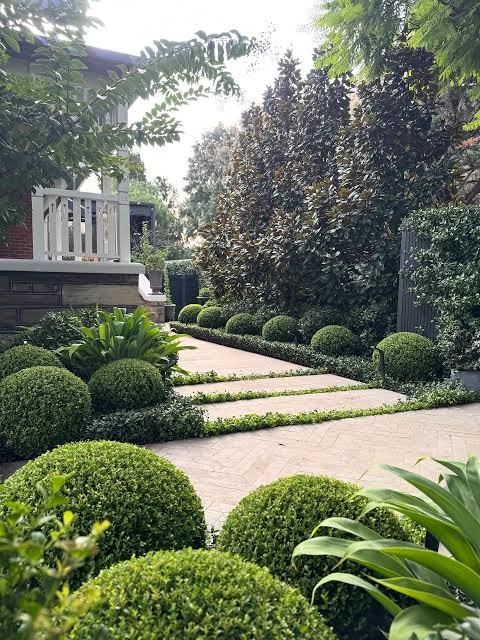
Backyard landscaping ideas have more room to get creative since privacy usually matters more than street appeal. Think about how you actually spend time outside, whether that’s grilling, gardening, or just sitting with coffee, and design around that habit.
5. Multi-Zone Layouts
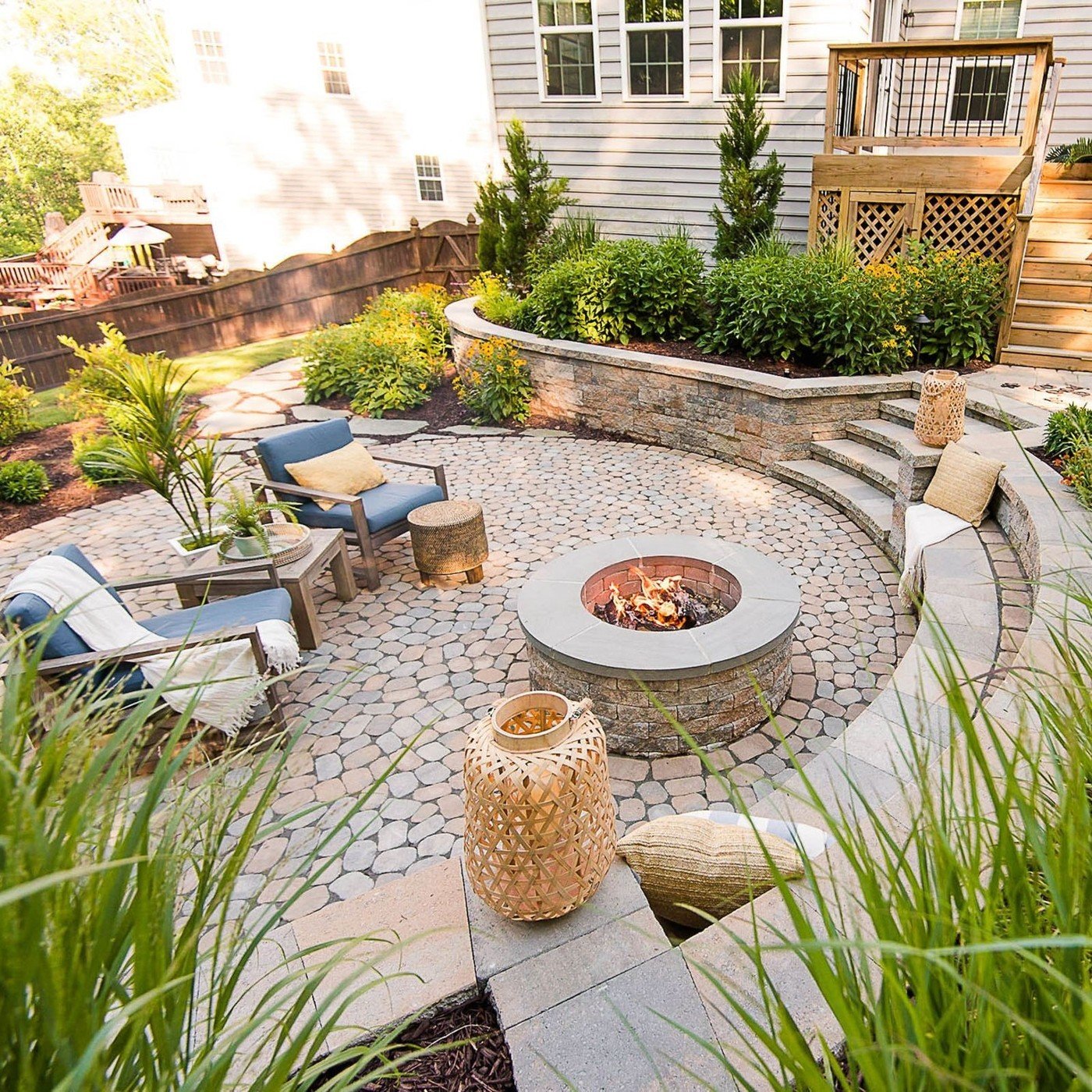
Split the yard into zones: a dining area near the kitchen door, a fire pit further back, and a garden bed along the fence line. Zoning makes even a modest backyard feel bigger because each area has a job.
6. Retaining Walls for Sloped Yards
A retaining wall isn’t just for erosion control. Stacked stone or timber walls create level planting beds and extra seating on a slope that would otherwise be wasted space.
7. Privacy Screening
Tall grasses, trellises with climbing vines, or a row of arborvitae block sightlines from neighbors without the cost of a full fence.
8. Water Features
A small pond, fountain, or even a bubbling urn adds sound that masks street noise and draws birds and pollinators into the yard.
Modern Landscaping Ideas
Modern landscaping ideas lean on clean lines, restrained plant palettes, and hardscape materials like concrete, steel, and gravel. The look is deliberately uncluttered, so every element earns its place.
9. Geometric Planting Beds
Square or rectangular beds edged in steel or concrete give a crisp, architectural look. Fill them with a single repeated plant variety rather than a mix, which keeps the modern effect intact.
10. Monochrome Hardscaping
Sticking to one or two paving materials in neutral tones, like charcoal pavers with light gravel, keeps a modern yard from feeling busy.
11. Sculptural Plants
Agave, ornamental grasses, and Japanese maples work well in modern designs because their shape does the visual work that flowers usually do.
12. Minimal Lawn, Maximum Ground Cover
Many modern yards swap most of the lawn for ground cover like creeping thyme or clover, which cuts down on mowing while keeping a soft, green surface.
Comparing Popular Landscaping Styles
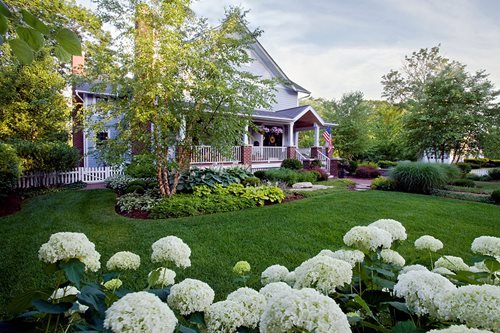
If you’re deciding between styles, this quick comparison can help narrow things down before you commit to a full redesign.
Landscaping Style | Best For | Maintenance Level | Estimated Cost |
Rock Garden | Dry climates, slopes | Low | $$ |
Cottage Garden | Flower lovers | High | $$ |
Modern Minimalist | Clean, geometric look | Low-Medium | $$$ |
Native/Ground Cover | Budget, eco-friendly yards | Low | $ |
Rock Landscaping Ideas
Rock landscaping ideas work especially well in dry climates or areas with strict water restrictions, but they also add texture to any yard when mixed with plants rather than used alone.
13. A Dedicated Rock Garden
A rock garden pairs boulders of different sizes with drought-tolerant plants like sedum, lavender, and dwarf conifers. Group rocks in odd numbers and bury the bottom third so they look settled rather than dropped in place.
14. Dry Creek Beds
A dry creek bed made of river rock doubles as drainage for runoff and as a design feature, especially useful in yards where water tends to pool after storms.
15. Gravel Patios and Seating Areas
Pea gravel is inexpensive, drains well, and works as a base for a patio, fire pit area, or potting bench without the cost of pouring concrete.
16. Mixed Rock and Mulch Beds
Combining rock borders with mulch in the planting bed itself cuts down on weeding while still giving plant roots the organic matter they need.
Low-Maintenance Landscaping Ideas
Low-maintenance landscaping ideas matter most for anyone short on time or living somewhere with water restrictions. The goal is fewer inputs, less mowing, less watering, less pruning, without the yard looking neglected.
17. Native Plant Beds
Native plants are already adapted to your local rainfall and soil, so they need less watering and fertilizing than imported ornamentals once established.
18. Ground Cover Instead of Grass
Ground cover like creeping juniper or vinca fills in bare spots, chokes out weeds, and never needs mowing.
19. Drip Irrigation on a Timer
Installing drip lines with an automatic timer keeps beds watered efficiently and removes watering from your weekly to-do list entirely.
20. Simplify Lawn Care with Smaller Turf Zones
Shrinking the lawn to a single, easy-to-mow rectangle and filling the rest with beds or gravel cuts weekly lawn care time dramatically.
Landscaping Ideas on a Budget
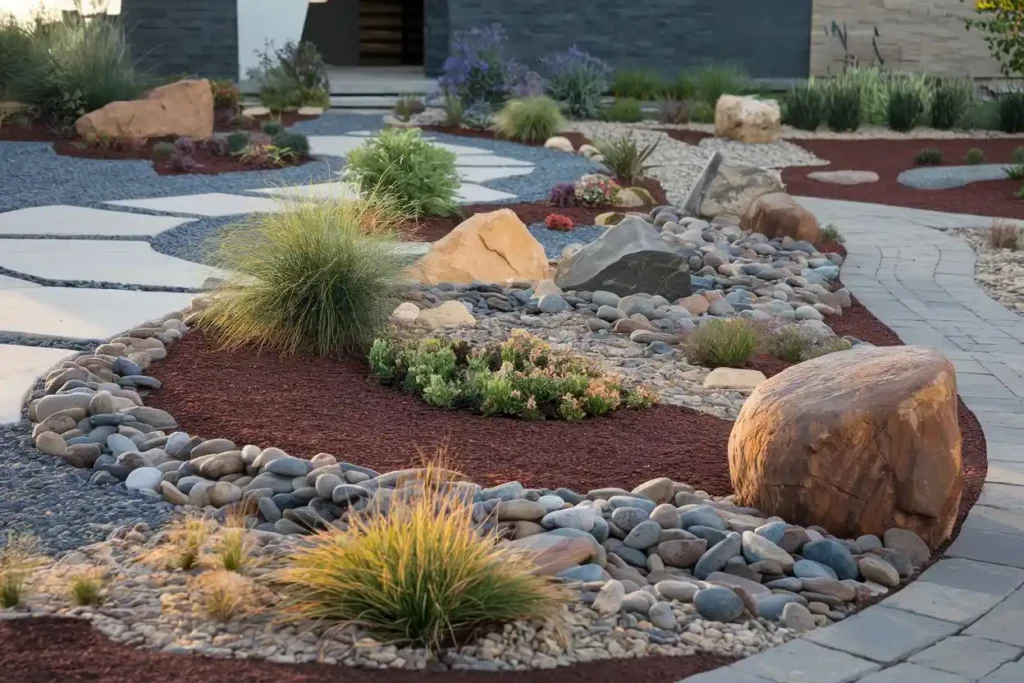
Landscaping ideas on a budget don’t have to look cheap. Prioritizing a few high-impact changes usually beats spreading a small budget thin across the whole yard.
21. Start with Mulch, Not Plants
A fresh layer of mulch instantly makes existing beds look tended and cared for, and it’s one of the least expensive materials per square foot.
22. Divide and Transplant
Many perennials, like hostas and daylilies, can be divided every few years. Splitting existing plants is a free way to fill new beds.
23. Build Your Own Retaining Wall
Interlocking concrete blocks designed for DIY retaining walls cost a fraction of a professionally built stone wall and hold up well for walls under four feet.
24. Shop Off-Season
Nurseries discount perennials and shrubs heavily in late summer and early fall. Fall-planted shrubs also get a head start on root growth before spring.
Small Yard Landscaping Ideas
Small yard landscaping ideas are about making every square foot pull double duty. Vertical space, multi-purpose furniture, and a tight color palette all help a compact yard feel larger than it is.
25. Vertical Gardens
Wall-mounted planters or a trellis with climbing vines add greenery without eating into floor space.
26. One Statement Tree
A single well-placed tree gives a small yard scale and shade without crowding it the way multiple trees would.
27. Multi-Purpose Hardscaping
A low wall doubles as extra seating, and a raised planter bed can double as a bench edge, both of which save space in a tight backyard.
28. Light, Consistent Color Palette
Sticking to two or three plant colors, rather than a rainbow mix, makes a small space feel calmer and larger.
DIY Landscaping Projects You Can Start This Weekend
DIY landscaping ideas are a good entry point if you’re not ready to hire a designer or contractor. These projects use tools and materials available at most home improvement stores.
- Edge existing flower beds with a spade or metal edging for an instant clean look
- Lay a gravel or stepping-stone garden path in an afternoon
- Build a simple raised bed from cedar boards for vegetables or cut flowers
- Mulch all beds at once using bagged or bulk mulch delivered to your driveway
- Install solar path lights along walkways with no wiring required
- Divide overgrown perennials and replant them in bare spots
Common Landscaping Mistakes to Avoid
- Planting mature-size trees or shrubs too close to the house or each other
- Skipping a watering plan before putting new plants in the ground
- Ignoring drainage, which leads to soggy lawns and rotted roots
- Choosing plants that don’t match your USDA hardiness zone
- Overcrowding beds instead of planning for mature plant size
- Forgetting mulch, which leaves soil exposed to weeds and moisture loss
Frequently Asked Questions
What is the cheapest way to landscape a yard?
Start with mulch, divide existing perennials, and shop for shrubs at the end of the growing season. These three moves cost little but noticeably improve how a yard looks.
How do I landscape a front yard on a budget?
Focus on foundation shrubs, a simple garden path, and fresh mulch before adding flower beds. These changes have the biggest visual impact for the lowest cost.
What plants work best for low-maintenance landscaping?
Native plants, ornamental grasses, and ground cover like creeping thyme or vinca all need minimal watering and pruning once established.
Are rock gardens hard to maintain?
Rock gardens are one of the lower-maintenance options since there’s no mowing, and drought-tolerant plants used alongside rock need far less watering than a traditional lawn.
How much does a retaining wall cost?
A DIY block retaining wall under four feet typically runs a modest per-square-foot cost, while a professionally built stone wall costs considerably more.
What is the best ground cover to replace grass?
Creeping thyme, clover, and vinca are common choices, chosen based on how much foot traffic and sun the area gets.
How do I make a small backyard look bigger?
Use a single statement tree, keep the color palette narrow, and add vertical elements like trellises instead of spreading plantings across the ground.
When is the best time to start a landscaping project?
Early fall is ideal for planting shrubs and trees since roots establish before winter, while spring is better for flower beds and lawn repair.
Do I need a landscape designer for a small yard update?
Not for most projects. Many front yard and small yard updates, like garden beds, mulch, and DIY paths, can be done without professional help.
Conclusion
Start with one project this weekend instead of redesigning your entire yard. Even adding fresh mulch or creating a simple garden path can dramatically improve your home’s curb appeal. Once that project is complete, build on it over time instead of trying to transform everything at once.
The best landscaping ideas are the ones that match how you actually live outside, not just what looks good in a photo. Start with one or two changes, a defined garden path, a fresh layer of mulch, or a single rock garden bed, and build from there as time and budget allow. A yard doesn’t need a full renovation to feel finished; it needs a plan that fits the space you already have.