

Painting your home is one of the most effective ways to refresh its appearance, protect its surfaces, and increase its overall value. Whether you’re updating a single room or giving your entire home a fresh coat of paint, understanding the house painting cost before starting can help you plan your budget and avoid unexpected expenses.
The total cost of painting a house isn’t determined by one factor alone. It depends on the size of your home, whether you’re painting the interior or exterior, the quality of paint you choose, the amount of preparation required, and local labor rates. Even details like wall condition, ceiling height, trim work, and the number of coats can make a noticeable difference in the final price.
In this guide, you’ll learn what influences house painting cost, how professionals estimate painting projects, average pricing by home size and square footage, and practical ways to reduce costs without compromising quality. While the cost examples in this article are based on typical pricing in the United States, the factors that influence painting costs are relevant for homeowners in most parts of the world.
Whether you’re planning to hire professional painters or considering a DIY painting project, this guide will help you understand what to expect so you can make informed decisions and budget with confidence.
Average House Painting Cost
The average house painting cost can vary significantly depending on the project’s size and complexity. As a general guideline, most homeowners in the United States spend between $2,500 and $7,500 to paint the interior or exterior of a standard single-family home. Larger homes, premium paint products, extensive surface preparation, or detailed trim work can increase the total cost, while smaller projects or basic finishes typically cost less.
Instead of focusing only on the final price, it’s more useful to understand what you’re paying for. A professional painting estimate usually includes labor, paint and primer, surface preparation, minor repairs, masking and protection, cleanup, and the equipment needed to complete the job safely and efficiently. Knowing how these costs are distributed makes it easier to compare quotes from different contractors and identify where you may be able to save money.
It’s also important to remember that no two homes are exactly alike. A well-maintained house with smooth walls and minimal repairs will generally cost less to paint than an older property that requires patching, sanding, or multiple coats of paint. Location also plays a role, as labor rates and material prices can vary from one region to another.
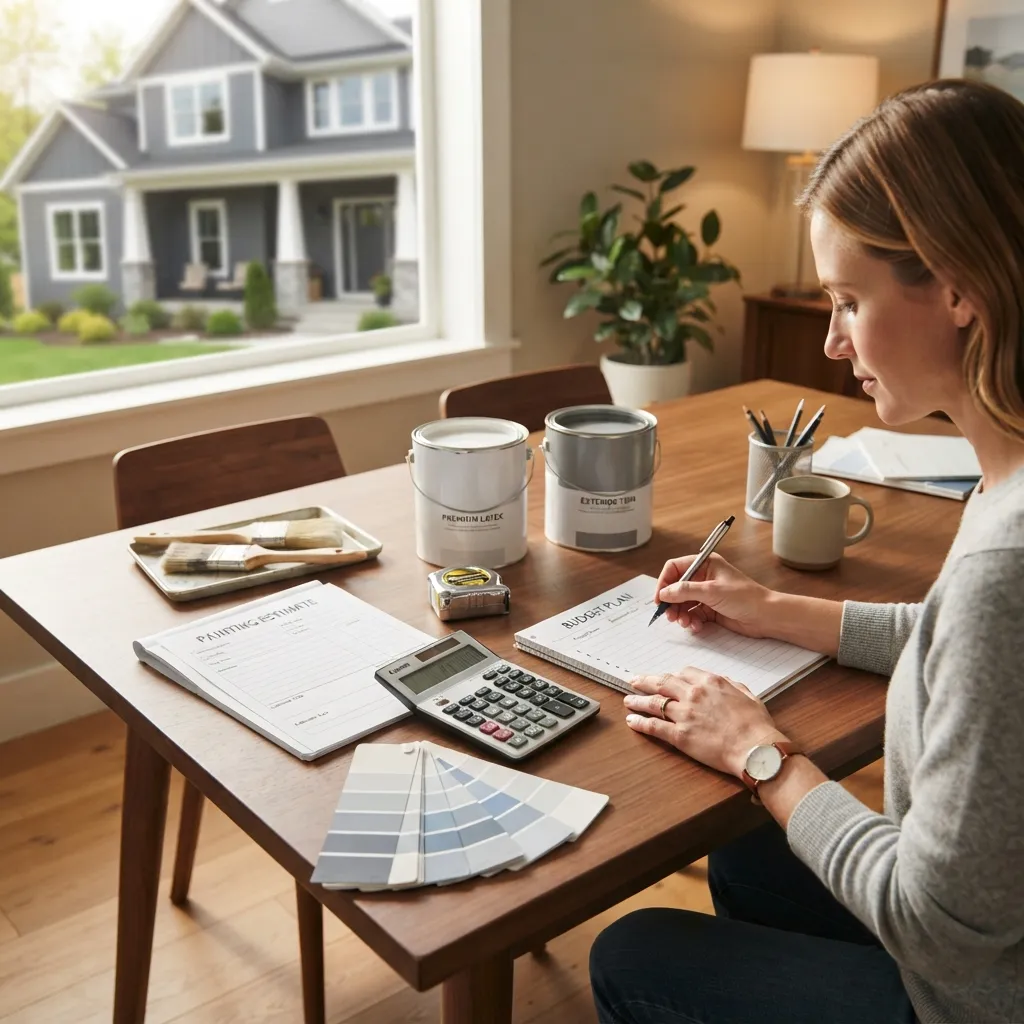
House Painting Cost by Home Size and Square Footage
One of the easiest ways to estimate your house painting cost is by calculating the price based on your home’s square footage. Professional painters often use square footage as a starting point before considering other factors such as wall condition, paint quality, ceiling height, and the amount of preparation required.
While every project is different, the table below provides a general estimate based on average residential painting rates in the United States.
Home Size (Sq Ft) | Estimated Painting Cost |
1,000 | $1,500 – $3,500 |
1,500 | $2,200 – $4,800 |
2,000 | $3,000 – $6,000 |
2,500 | $3,800 – $7,500 |
3,000 | $4,500 – $9,000 |
These estimates are intended as general guidelines. Actual costs vary depending on labor rates, paint quality, project complexity, and your location.
Square footage alone doesn’t determine the final price. Two homes with the same floor area can have very different painting costs. For example, a house with high ceilings, detailed trim, multiple windows, or extensive repairs usually requires more labor and materials than a home with standard walls and minimal preparation.
If you’re requesting quotes from professional painters, use these estimates as a budgeting reference rather than a fixed price. A detailed inspection will always provide a more accurate estimate.
Why Similar-Sized Homes Can Have Different Costs
Many homeowners assume that two houses with the same square footage will cost the same to paint. In reality, that’s rarely the case. A painting estimate is based on much more than floor space.
For example, a 2,000-square-foot home with smooth walls and minimal repairs may cost significantly less than another home of the same size that has damaged drywall, textured ceilings, extensive trim work, or multiple color changes. These details increase both labor time and material usage.
Similarly, homes with open floor plans are often quicker to paint than homes with many small rooms, hallways, and architectural features that require extra cutting-in and precision work.
Typical Cost Example
Imagine two homeowners, both with a 2,000-square-foot house.
- Home A is well maintained, has standard ceiling heights, and only needs one color throughout the interior. The project requires minimal preparation, making it faster and more affordable.
- Home B has high ceilings, several accent walls, damaged drywall, stained ceilings, and detailed trim throughout the house. Although both homes are the same size, this project requires more labor, additional paint, and longer completion time, resulting in a noticeably higher overall cost.
This is why professional painters usually inspect a property before providing a final quote. A site visit allows them to evaluate the condition of the surfaces, identify any repairs, and estimate the amount of labor and materials needed for an accurate price.
Interior vs. Exterior House Painting Costs
Although both projects involve painting, interior and exterior house painting costs are calculated differently because the work, materials, and preparation requirements are not the same.
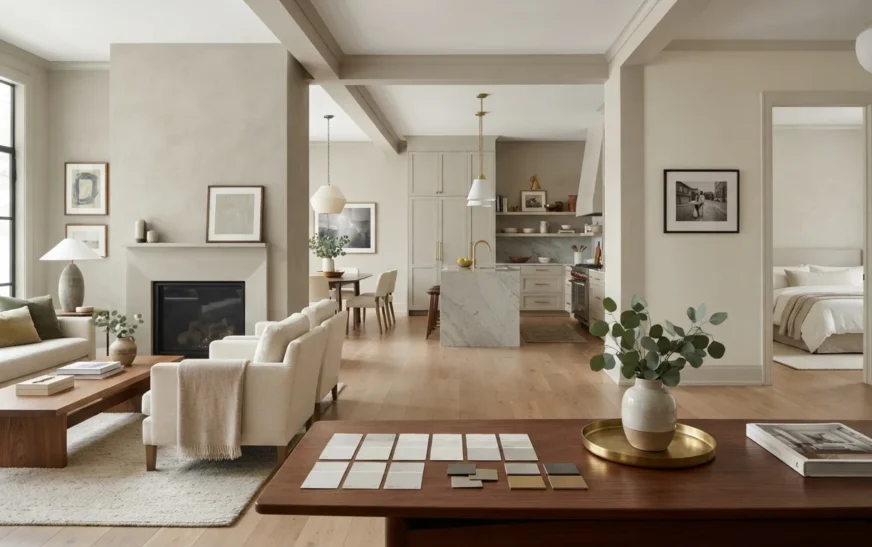
Interior painting focuses on walls, ceilings, doors, trim, and other indoor surfaces. These projects are generally less affected by weather conditions, but they often require careful furniture protection, wall repairs, and detailed finishing work.
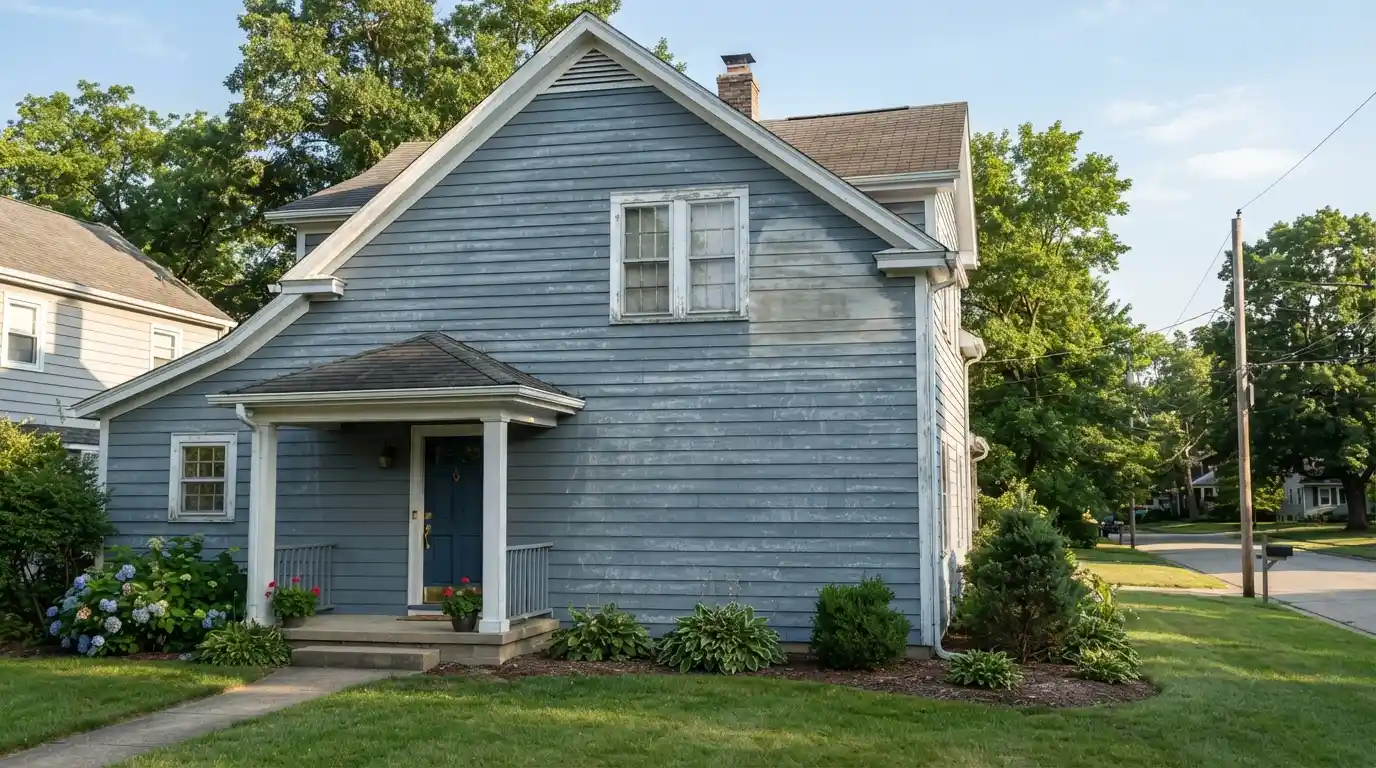
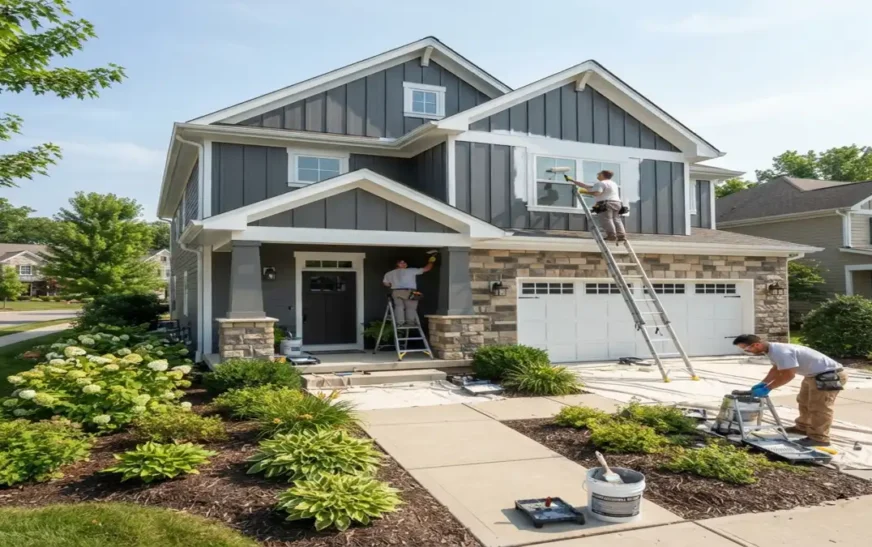
Exterior painting, on the other hand, involves additional preparation such as pressure washing, scraping loose paint, repairing damaged siding, and applying weather-resistant coatings. Since exterior surfaces are exposed to sunlight, rain, wind, and temperature changes, painters typically use more durable products designed to withstand outdoor conditions.
Factor | Interior Painting | Exterior Painting |
Average Cost | Lower | Higher |
Surface Preparation | Moderate | Extensive |
Paint Type | Interior Paint | Weather-Resistant Exterior Paint |
Project Duration | Shorter | Longer |
Weather Impact | Minimal | High |
Maintenance Cycle | Less Frequent | More Frequent |
Neither option is always more expensive. The total cost depends on the size of the project, the condition of the surfaces, and the materials selected. In many cases, homeowners choose to complete interior and exterior painting separately to better manage their budget and schedule.
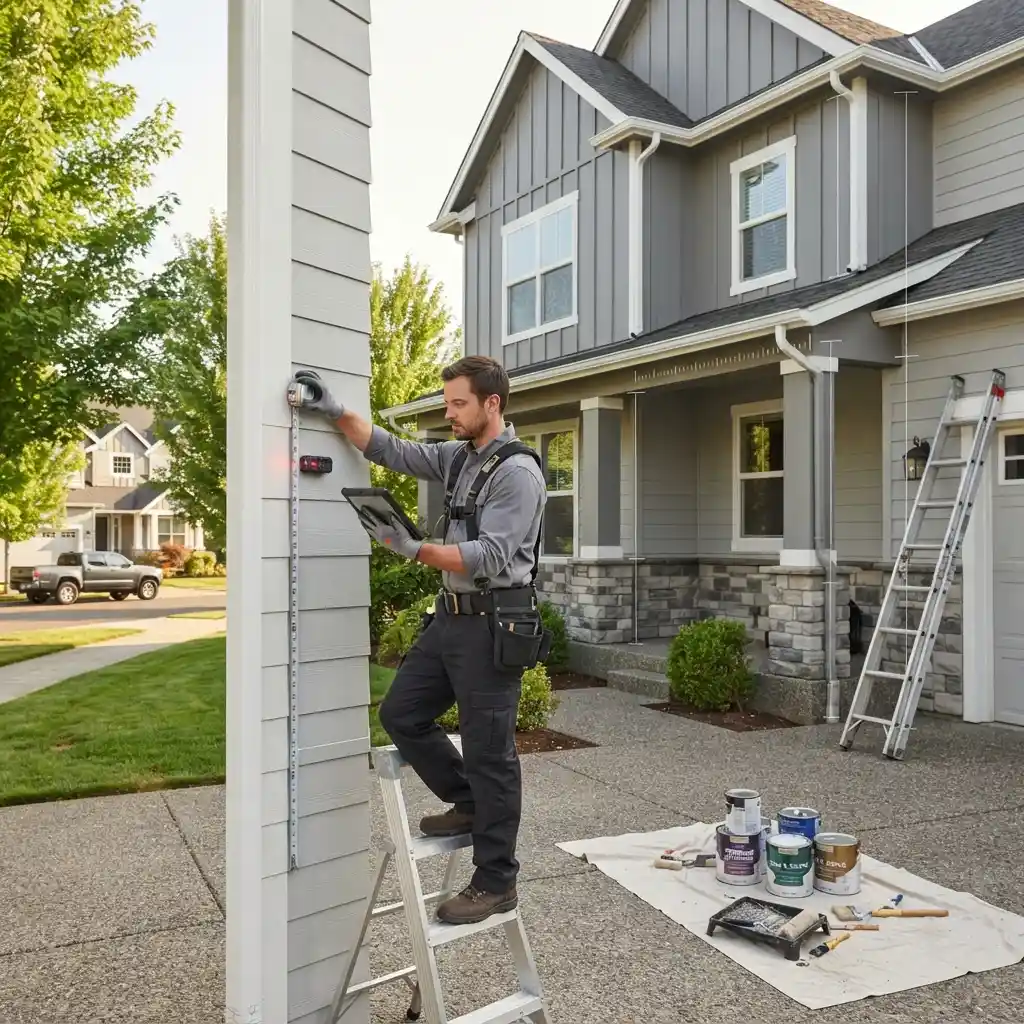
Factors That Affect House Painting Cost
While home size plays an important role, it is only one part of the overall estimate. Professional painters evaluate several factors before calculating the final price of a project.
Paint Quality Higher-quality paints generally cost more upfront, but they often provide better coverage, require fewer coats, and last longer. Choosing premium paint can reduce maintenance costs over time, making it a worthwhile investment for many homeowners.
Surface Preparation Before painting begins, walls and exterior surfaces may need cleaning, sanding, patching, caulking, or priming. Homes that require extensive preparation usually have higher labor costs because preparation is one of the most time-consuming parts of the project.
Labor Rates Labor is often the largest expense in a painting project. Rates vary based on your location, the experience of the painting crew, and the complexity of the work. Hiring experienced professionals may cost more initially, but quality workmanship can help prevent costly touch-ups or repainting later.
Number of Coats A simple repaint over a similar color may only require one or two coats. However, switching from a dark color to a light one or painting over stained or uneven surfaces often requires additional coats, increasing both material and labor costs.
Painting a single-story home is generally quicker and easier than working on a multi-story property. High ceilings, stairwells, difficult rooflines, and hard-to-reach exterior walls may require ladders, scaffolding, or specialized equipment, which can increase the overall project cost.
Repairs Before Painting Cracks, water damage, peeling paint, mold, or damaged drywall should be repaired before a new coat of paint is applied. Addressing these issues improves the final finish but also adds to the total budget.
Expert Tip: When comparing painting quotes, don’t focus only on the lowest price. Ask what is included in the estimate. Some contractors include preparation, primer, minor repairs, and cleanup, while others charge extra for these services. A detailed quote often provides better value than a cheaper estimate with hidden costs.
House Painting Labor Costs
When planning a painting project, many homeowners focus only on the price of paint. In reality, labor is often the largest part of the total house painting cost. Depending on the project’s size and complexity, labor can account for 60% to 80% of the overall budget.
Professional painters don’t simply apply paint to the walls. Their work includes preparing surfaces, protecting furniture and flooring, repairing minor imperfections, applying primer when needed, painting multiple coats, and cleaning up once the job is complete. Each of these tasks requires time, skill, and attention to detail.
The table below shows the services that are commonly included in a professional painting estimate.
Service | Typically Included |
Surface preparation | ✔ |
Minor wall repairs | ✔ (varies by contractor) |
Priming | When required |
Paint application | ✔ |
Trim and door painting | Usually included or quoted separately |
Cleanup | ✔ |
Final inspection | ✔ |
Before accepting a quote, ask exactly what is included. Two estimates may look similar, but one contractor may include primer, minor repairs, and cleanup, while another charges extra for those services. Comparing the full scope of work not just the price can help you avoid unexpected costs later.
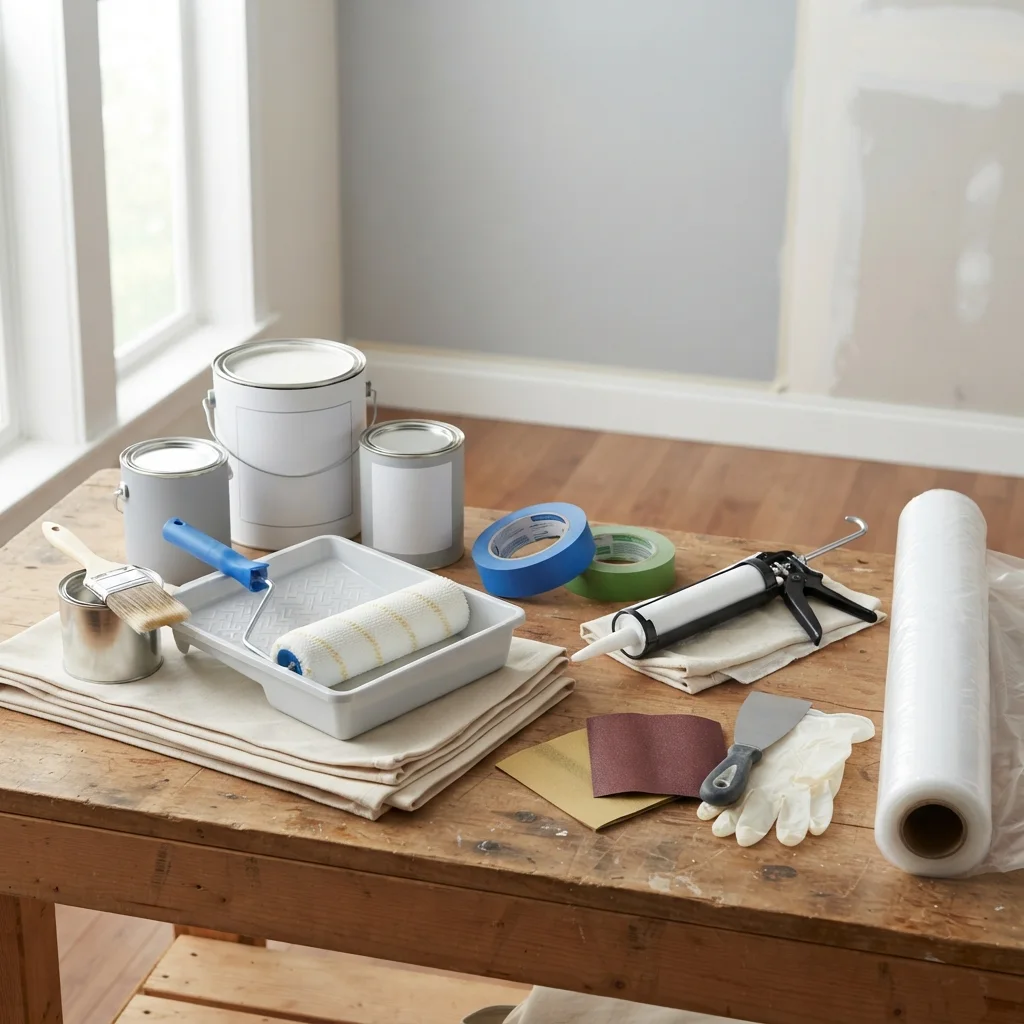
Paint and Material Costs
Paint is another major factor that influences your total budget. The type, quality, and finish you choose can significantly affect both the upfront cost and the long-term durability of the finished project.
Premium paints generally cost more than economy products, but they often provide better coverage, richer color, and longer-lasting protection. In many cases, higher-quality paint requires fewer coats, which may reduce labor time and partially offset the higher purchase price.
Besides paint itself, a professional painting project may also require several additional materials.
Material | Purpose |
Primer | Improves adhesion and coverage |
Interior or exterior paint | Main finish coat |
Caulk | Seals small gaps and cracks |
Painter’s tape | Protects edges and trim |
Drop cloths | Protects floors and furniture |
Rollers and brushes | Paint application |
Sandpaper | Surface preparation |
Plastic sheeting | Covers fixtures and furniture |
Choosing the right paint finish is equally important. For example, flat finishes are excellent at hiding wall imperfections, while satin and semi-gloss finishes are easier to clean and are commonly used in kitchens, bathrooms, and high-traffic areas. See our guide to choosing the right paint finish for a room-by-room breakdown.
Instead of choosing paint based on price alone, consider durability, washability, and the room you’re painting. A slightly higher investment today can reduce maintenance and repainting costs in the future.
Hidden House Painting Costs
One of the biggest surprises for homeowners is discovering expenses that weren’t included in the original estimate. These hidden house painting costs can increase the total project budget if they aren’t discussed before work begins.
Common additional costs may include:
- Drywall repairs before painting
- Water damage or mold treatment
- Pressure washing exterior surfaces
- Removing old peeling paint
- Repairing damaged trim or siding
- Moving heavy furniture
- Painting doors, baseboards, or crown molding separately
- Extra coats for dark or bold colors
- Scaffolding or special equipment for multi-story homes
These items aren’t necessarily unexpected they simply depend on the condition of the property. A home that has been well maintained usually requires less preparation than one with damaged walls or weathered exterior surfaces.
Expert Tip: Always request a written estimate before the project begins. A detailed quote should clearly explain what is included, what may cost extra, and under what circumstances additional charges could apply. This reduces misunderstandings and makes it easier to compare contractors fairly.
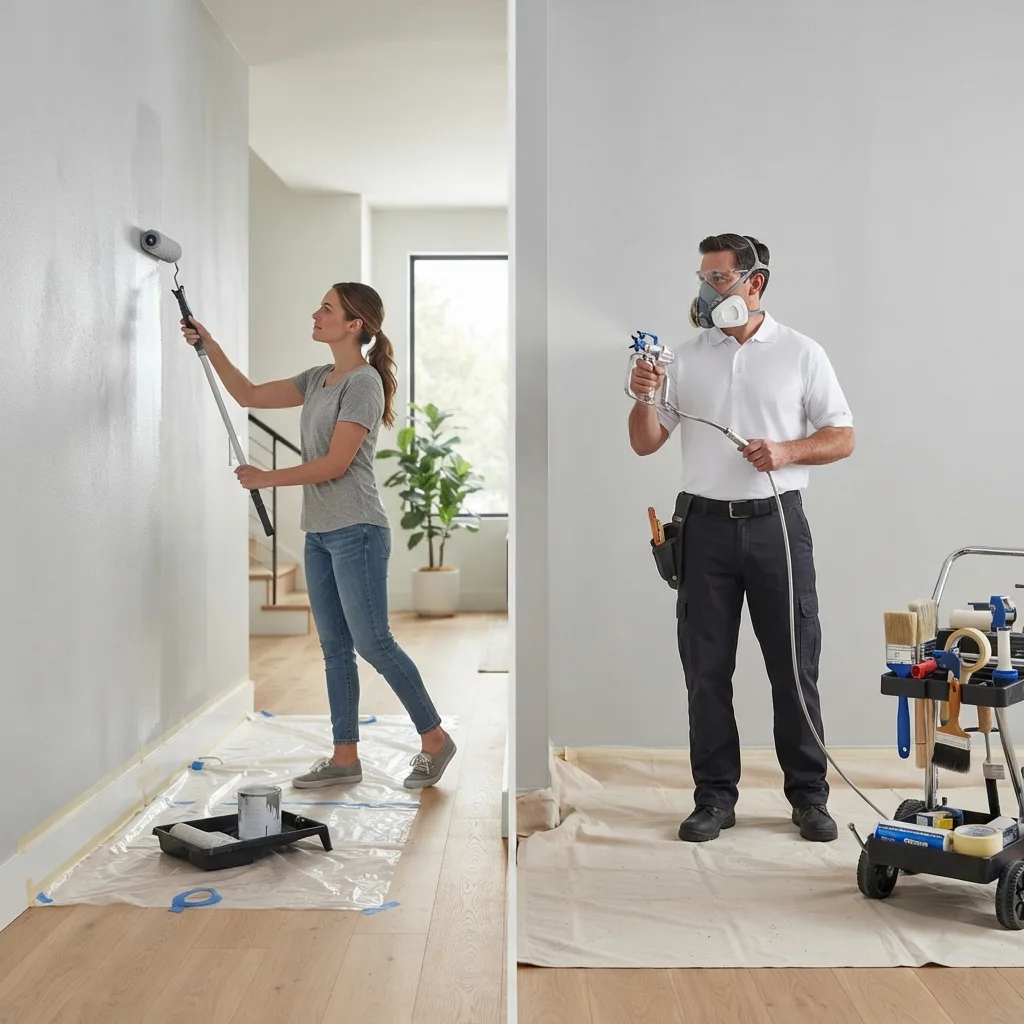
DIY vs. Professional House Painting
One of the biggest decisions homeowners face is whether to paint the house themselves or hire a professional painting contractor. The right choice depends on your budget, available time, skill level, and the size of the project.
A DIY project can reduce labor costs, making it an attractive option for smaller jobs such as painting a bedroom or refreshing a single wall. However, painting an entire house requires careful preparation, the right equipment, and plenty of time. Mistakes such as uneven coverage, visible brush marks, or poor surface preparation can affect both the appearance and durability of the finish.
Hiring a professional usually costs more upfront, but it often results in a higher-quality finish and a faster completion time. Experienced painters understand how to prepare different surfaces, select the right products, and apply paint evenly for long-lasting results. Many contractors also provide warranties, giving homeowners additional peace of mind.
Factor | DIY Painting | Professional Painting |
Upfront Cost | Lower | Higher |
Time Required | High | Low |
Skill Needed | Moderate to High | Professional Expertise |
Finish Quality | Depends on Experience | Consistently High |
Equipment | Must Purchase or Rent | Usually Included |
Warranty | None | Often Available |
If you’re confident in your painting skills and the project is relatively small, a DIY approach may save money. For larger homes, multi-story properties, or projects that require repairs and extensive preparation, hiring a professional is often the better long-term investment.
How to Save Money on House Painting
Painting your home doesn’t always have to be expensive. With proper planning, you can reduce costs without sacrificing quality.
Here are a few practical ways to stay within your budget:
- Request quotes from at least three reputable painting contractors.
- Complete minor repairs and basic cleaning before painters arrive.
- Schedule your project during slower seasons when contractors may offer better pricing.
- Choose durable, high-quality paint that provides better coverage and lasts longer.
- Paint only the areas that need attention instead of repainting the entire house.
- Keep your color selection simple, as multiple colors and custom finishes can increase labor time.
Saving money isn’t about choosing the cheapest quote it’s about getting the best value for your investment.
Frequently Asked Questions
How much does it cost to paint a house?
The total cost depends on your home’s size, paint quality, labor rates, and the amount of preparation required. Most homeowners can expect costs to vary based on these factors rather than a fixed price.
What is the average cost per square foot to paint a house?
Professional painters often estimate projects using square footage, but the final price also depends on ceiling height, wall condition, and the complexity of the work.
Is it cheaper to paint a house yourself?
DIY painting can reduce labor costs, but you’ll still need to purchase paint, tools, and safety equipment. For large or complex projects, hiring a professional may provide better value due to higher-quality results and reduced risk of mistakes.
How often should a house be painted?
Interior walls may need repainting every few years depending on wear and tear, while exterior surfaces generally last longer. Climate, paint quality, and maintenance all influence how frequently repainting is required.
What increases the cost of painting a house?
Several factors can increase the total cost, including:
- Larger homes
- High ceilings
- Surface repairs
- Premium paint products
- Multiple coats
- Detailed trim work
- Difficult-to-access areas
Final Thoughts
Understanding house painting cost is about more than knowing a single price. Every home is different, which means the final cost depends on factors such as size, surface condition, paint quality, labor, and the level of preparation required before painting begins.
The best way to budget for your project is to understand these cost factors, compare detailed estimates, and focus on long-term value rather than choosing the lowest price. Investing in proper preparation and quality materials can help you achieve a finish that looks better, lasts longer, and reduces future maintenance costs.
Whether you’re planning a DIY project or hiring professional painters, taking the time to plan ahead will help you make informed decisions and avoid unnecessary expenses. With the right expectations and a realistic budget, you’ll be better prepared to complete your painting project with confidence.
Have a painting project in mind? Get a free quote from local contractors or explore our related guides: How to Choose the Right Paint Finish · Signs Your House Needs Repainting · Exterior Paint Colors That Boost Home Value.