


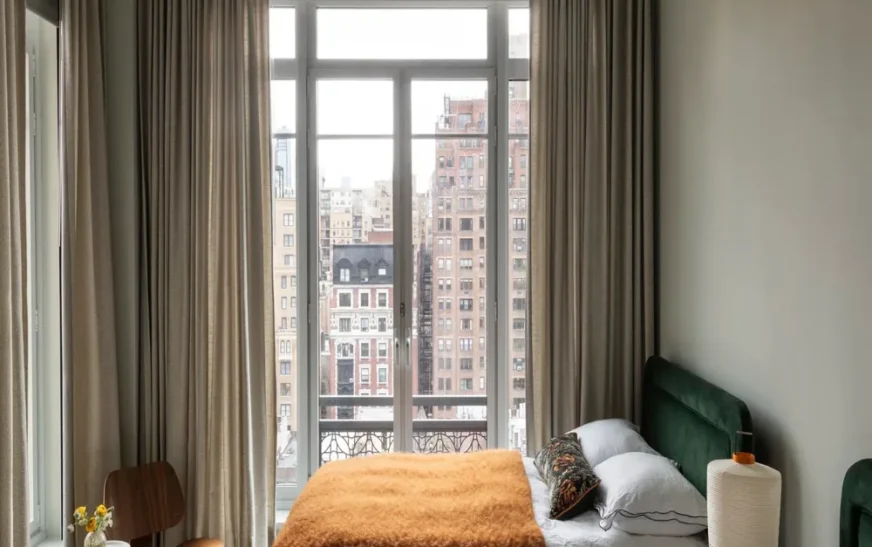
Your bedroom is more than just a place to sleep. It is your personal retreat, a space where you relax, recharge, and start each day. Good bedroom design ideas can transform even the most ordinary room into a calm, functional, and beautiful sanctuary.
Whether you have a large master bedroom or a compact studio space, the right design choices make a massive difference. A well-designed bedroom improves your sleep quality, reduces stress, and reflects your personal style.
In this guide, you will find practical bedroom design ideas covering every style, size, and budget. From modern bedroom design ideas and small bedroom solutions to master bedroom layouts and DIY decor, this is your complete resource for creating the bedroom you have always wanted.
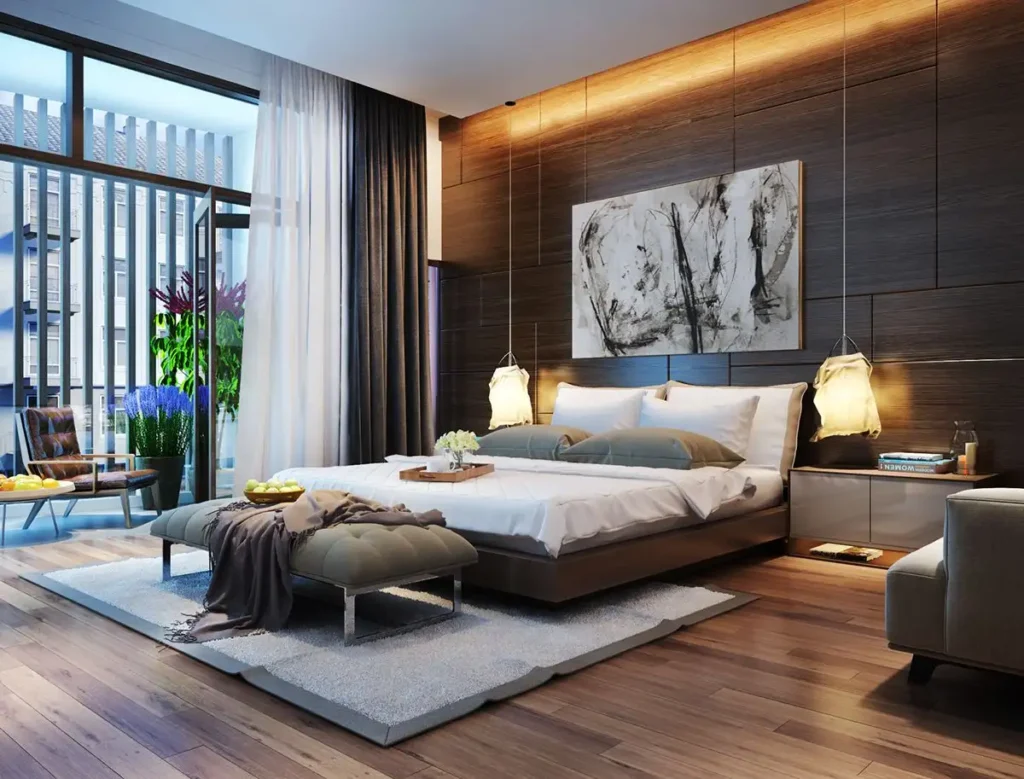
How to Design a Bedroom Step-by-Step
Before buying furniture or painting walls, it is important to plan your bedroom design carefully. A step-by-step approach saves time, money, and avoids costly mistakes.
Measure Your Bedroom Space
The first step in any bedroom interior design project is measuring your room accurately. Use a tape measure to record the length, width, and ceiling height. Also note the position of doors, windows, and electrical sockets these affect furniture placement.
Key spacing guidelines to follow:
- Leave at least 60–90 cm (2–3 feet) of walking space around the bed
- Allow 90 cm (3 feet) clearance in front of wardrobes and drawers
- Keep at least 45 cm (18 inches) between the bed and side walls
- Ensure the door can open fully without hitting furniture
Drawing a simple floor plan on paper or using a free app helps you visualize the layout before moving anything.
Choose a Bedroom Design Theme
Your theme sets the tone for everything from furniture and colors to lighting and accessories. Here are the most popular bedroom design themes:
Modern Bedroom Design
Clean lines, neutral palettes, and clutter-free spaces define modern design. It focuses on simplicity and function. Think sleek bed frames, minimalist bedside tables, and hidden storage solutions.
Minimalist Bedroom Design
Less is more in minimalist design. A neutral color palette, limited furniture, and only essential decor items create a calm, uncluttered feel. This style works especially well for small bedrooms.
Luxury Bedroom Design
Luxury bedrooms use rich textures, statement headboards, elegant lighting, and premium materials like velvet, marble, and brass. You do not need an enormous budget even a few well-chosen pieces can create a luxurious feel.
Cozy Bedroom Design
Warm tones, layered textiles, soft lighting, and natural materials like wood and linen create a cozy bedroom. This style is perfect for anyone who wants their bedroom to feel like a warm hug.
Aesthetic Bedroom Design
Aesthetic bedrooms focus on visual harmony. Popular sub-styles include Scandinavian, Boho, Industrial, and Cottagecore. Choose one that resonates with your personality and stick to its color palette and material choices consistently.
Plan Your Bedroom Furniture Layout
Furniture placement defines how your room feels and functions. Start with the largest piece — the bed — and work outward.
- Bed placement: Position the bed against the wall opposite the door whenever possible. This creates a natural focal point and maximizes floor space.
- Wardrobe positioning: Place wardrobes along the longest wall or in alcoves to avoid interrupting the room flow.
- Walkway planning: Ensure clear pathways between furniture pieces so the room feels open and easy to move through.
- Furniture zoning: In larger bedrooms, use rugs, lighting, or furniture arrangement to create a sleeping zone and a dressing or reading zone.
Select Bedroom Colors and Materials
Color is one of the most powerful tools in bedroom design. It influences mood, perceived space, and comfort.
- Soft neutrals like white, beige, and greige make rooms feel larger and more peaceful
- Warm tones like terracotta, blush, and caramel create a cozy, intimate atmosphere
- Cool blues and greens promote relaxation and are excellent bedroom color choices
- Match furniture materials to your theme: wood for warmth, metal for modern looks, upholstered pieces for luxury
You can also read Fashion Trends 2026: Top Styles, Colors, and Outfit Ideas
Modern Bedroom Design Ideas
Modern bedroom design ideas prioritize clean aesthetics and smart functionality. Here are some inspiring approaches:
- Minimalist platform bed: A low-profile platform bed frame with no headboard keeps the design sleek. Choose one in dark walnut or matte black for a contemporary look.
- Built-in wardrobe with push-to-open doors: Eliminating visible handles creates a seamless, uncluttered wall that is very popular in modern bedroom interiors.
- Floating shelves and wall-mounted lights: Wall-mounted bedside lamps free up table space and add a design-forward touch.
- Monochrome color scheme: White walls, grey bedding, and black accents create a timeless modern look.
- Smart storage solutions: Under-bed storage drawers, bed frames with built-in storage, and multi-functional furniture all contribute to a clutter-free modern bedroom.
For a contemporary bedroom, you can layer textures such as a linen duvet, a wool throw, and a velvet cushion in the same neutral color family for depth without busyness.
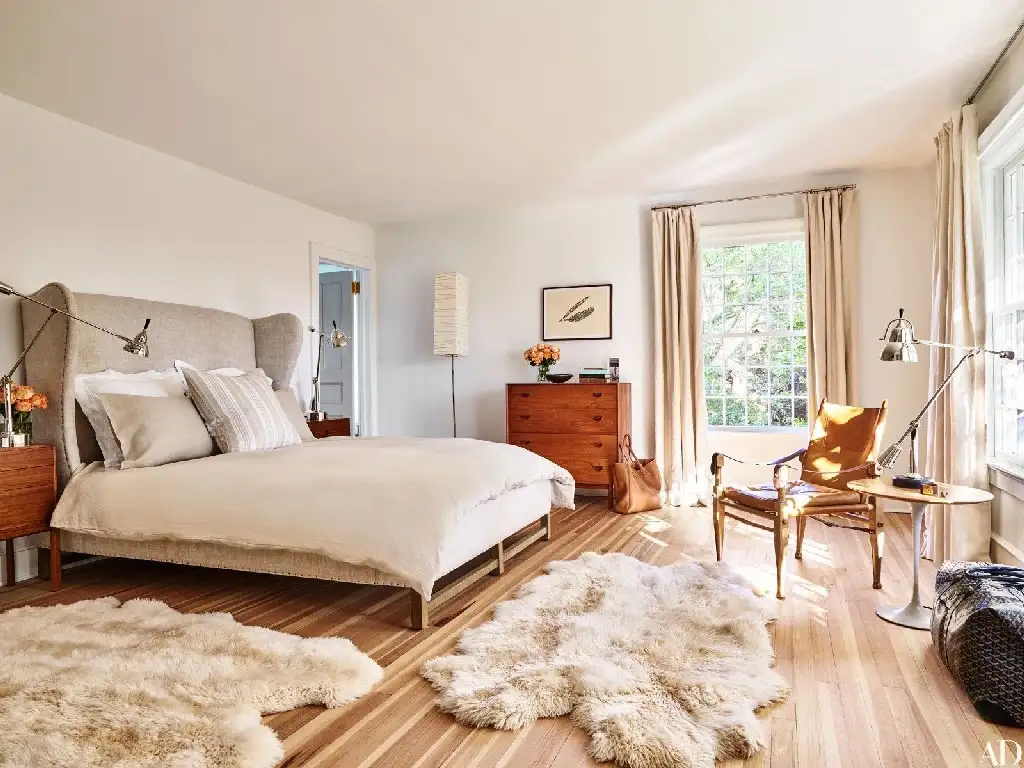
Small Bedroom Design Ideas
A small bedroom does not mean you have to sacrifice style or comfort. With clever planning, even the tightest spaces can feel spacious and functional.
Space-Saving Furniture Ideas
- Choose a bed frame with built-in drawers underneath to eliminate the need for a separate chest of drawers
- Use a wall-mounted fold-down desk instead of a freestanding one
- Opt for a compact bedside table or use wall-mounted shelves instead
- Consider a loft bed to free up floor space for a desk or seating area below
- Use mirrored wardrobe doors to visually double the size of the room
Small Bedroom Storage Solutions
- Install floor-to-ceiling built-in wardrobes to maximize vertical space
- Use the space under the bed with rolling storage bins or vacuum-seal bags
- Add corner shelves to use otherwise wasted wall space
- Hang hooks on the back of the door for bags, belts, or accessories
- Use storage ottomans at the foot of the bed for extra linen or seasonal items
How to Make a Small Bedroom Look Bigger
- Paint walls and ceiling in the same light color to blur boundaries and raise the perceived ceiling height
- Use a large mirror, a full-length mirror, or a mirrored wardrobe door to create the illusion of doubled space
- Choose furniture with visible legs, which creates a sense of space by showing more floor space
- Keep window treatments light and minimal to allow maximum natural light
- Hang curtains close to the ceiling to make windows appear taller
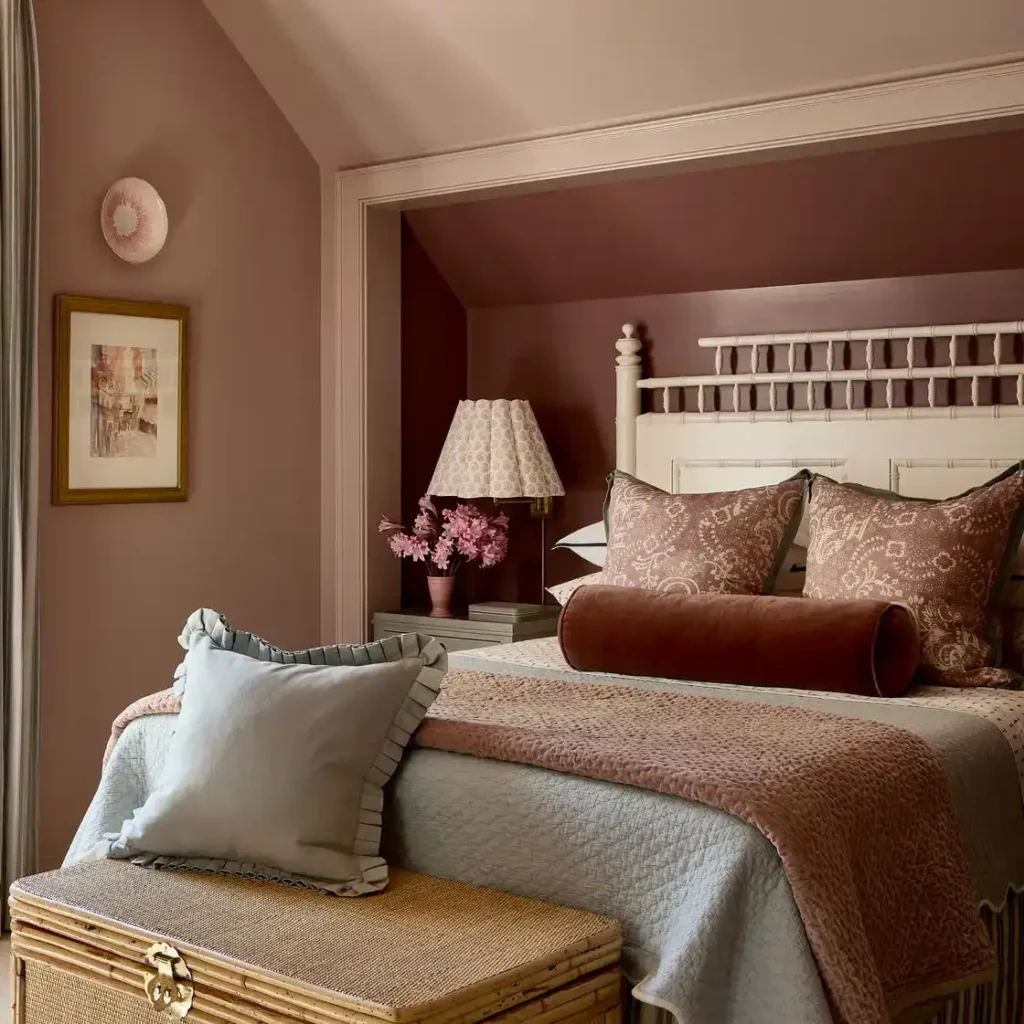
Master Bedroom Design Ideas
The master bedroom deserves special attention. As the primary sleeping space, it should feel indulgent, restful, and highly personal.
- Statement headboard: A large upholstered headboard in velvet, linen, or leather instantly elevates the room and creates a luxurious focal point.
- Symmetrical bedside setup: Matching bedside tables and lamps on each side of the bed creates a balanced, hotel-like elegance.
- Walk-in wardrobe or dressing area: If space allows, dedicate a corner or alcove to a dressing area with a full-length mirror and good task lighting.
- Layered bedding: Use a combination of a duvet, decorative throw, and a variety of cushions to create a plush, layered look.
- Pendant or chandelier lighting: A central pendant light or a small chandelier adds drama and sophistication to a master bedroom design.
- Accent wall behind the bed: Create depth with a wallpapered, painted, or panelled accent wall to frame the bed beautifully.
Budget Bedroom Design Ideas
You do not need a big budget to create a beautiful bedroom. Smart choices and a little creativity go a long way.
Low-Budget Bedroom Makeover Ideas
- A fresh coat of paint is the single most cost-effective upgrade. Even just painting one accent wall can transform the room completely.
- Rearrange your existing furniture to create a new layout. It costs nothing and often makes the room feel completely new.
- Swap out old bedding for new duvet covers and pillowcases in a fresh color or pattern.
- Update light switch covers, door handles, and curtain rods. Small hardware changes have an outsized visual impact.
Affordable Bedroom Decor Ideas
- Use fairy lights or LED strip lighting behind the headboard or under the bed frame for a warm, ambient glow
- Frame inexpensive art prints or personal photos in uniform frames for a gallery wall effect
- Add indoor plants, pothos, snake plants, and succulents, which are low-cost, low-maintenance, and bring life to any room
- Use a large rug to anchor the bedroom space; even a budget rug adds warmth and style
- Shop secondhand stores and online marketplaces for unique furniture pieces at a fraction of the retail price
DIY Bedroom Design Ideas
- DIY headboard: Mount a piece of plywood cut to your desired headboard shape and upholster it with foam and fabric.
- Peel-and-stick wallpaper: Create an accent wall with removable peel-and-stick wallpaper — perfect for renters.
- Rope shelf: Hang wooden boards with rope from the ceiling for a bohemian bedside shelf.
- Fabric canopy: Drape sheer fabric from the ceiling over the bed to create a romantic canopy effect for very little cost.
Bedroom Layout Ideas by Room Size
Getting the layout right depends on your room dimensions. Here are practical layout strategies for common bedroom sizes.
10×10 Bedroom Layout Ideas
A 10×10 room (roughly 3×3 metres) is a compact but workable space. The best approach is to keep furniture minimal and multipurpose.
- Use a full or double bed placed in the corner or against one wall
- A single wardrobe and a small bedside table are sufficient for this size
- Wall-mounted shelves eliminate the need for floor-based storage units
12×12 Bedroom Layout Ideas
A 12×12 room (approximately 3.6×3.6 metres) allows for a queen-size bed with comfortable space on both sides, plus additional furniture.
- Place the bed against the center of the main wall, flanked by matching bedside tables
- Include a small dresser or chest of drawers opposite the bed
- Add a small seating area, a single armchair if the layout permits
Rectangular Bedroom Layout Ideas
Rectangular bedrooms are the most common shape. The key is to work with the long axis of the room.
- Place the bed on the short wall at the far end of the door to create visual depth
- Run a wardrobe or storage cabinets along one of the long walls
- Use a rug under the bed area to define the sleeping zone
Bedroom Color Design Ideas
Color is one of the most powerful tools in bedroom decorating. The right palette can make the room feel larger, cosier, or more elegant.
- Best neutral combinations: White walls with warm grey furniture and natural wood accents are a timeless and universally pleasing combination.
- Light vs dark colors: Light colors visually expand a room; dark colors (like charcoal, deep teal, or navy) create intimacy and drama. In small rooms, use dark colors on a single accent wall only.
- Accent wall ideas: Choose one wall typically behind the bed and paint it a deeper shade of your main color, or use wallpaper for texture and pattern.
- Warm vs cool tones: Warm tones (peach, soft yellow, terracotta) create energy and warmth. Cool tones (sage green, powder blue, lavender) promote calm and sleep.
- Color drenching: A trending technique where the walls, ceiling, and trim are painted in the same color. It creates a cocoon-like, immersive effect that is particularly popular in modern bedroom design.
Bedroom Lighting Design Ideas
Lighting can completely change the mood of a bedroom. A good bedroom lighting plan uses three types of lighting layered together.
Ambient Lighting
Ambient lighting is your room’s general background light. It fills the space with an even, soft glow. Options include ceiling-mounted fixtures, flush lights, or a central pendant. Use a warm color temperature (2700–3000K) for a relaxing bedroom atmosphere. Always fit lights on a dimmer switch so you can adjust brightness for different activities.
Task Lighting
Task lighting is focused light for specific activities like reading. Bedside lamps, wall-mounted reading lights, or adjustable clip-on lights are all practical task lighting solutions. Wall-mounted reading lights are particularly popular in modern bedrooms they free up the bedside table surface completely.
Accent Lighting
Accent lighting adds depth and highlights design features. Examples include LED strips behind a headboard, above floating shelves, or underneath a floating bed frame. A table lamp on a dresser, fairy lights around a mirror, or a small floor lamp in the corner all count as accent lighting. These layers create a warm, inviting ambiance that makes the bedroom feel cosy and thoughtfully designed.
Bedroom Storage Design Ideas
Good storage is the backbone of a well-designed bedroom. Clutter is the enemy of calm, and smart storage solutions keep everything organized and out of sight.
- Built-in wardrobe: A custom-built-in wardrobe maximizes every centimetre of wall space. Use the full height right up to the ceiling for maximum capacity.
- Under-bed storage: Beds with built-in drawers or ottoman-style lift-up storage are excellent for seasonal clothing, extra bedding, or shoes.
- Floating shelves: Wall-mounted floating shelves display books, plants, and decor while keeping the floor clear. Great for small bedrooms.
- Closet organization: Inside wardrobes, use drawer dividers, shelf risers, over-the-door organizers, and labeled boxes to keep everything in its place.
- Bedside storage: Choose bedside tables with drawers rather than open shelves to keep nighttime essentials out of sight.
Bedroom Wall Decor Ideas
Walls are a huge opportunity in bedroom design. The right wall decor personalizes the space and adds visual interest.
- Accent wall: Paint or wallpaper the wall behind the bed in a contrasting color or bold pattern to create a natural focal point.
- Wallpaper designs: Modern wallpapers come in peel-and-stick removable versions, making them perfect for renters. Try botanical prints, geometric patterns, or textured linen-effect papers.
- Wall art placement: Hang large artwork at eye level, the center of the piece should sit approximately 145–150 cm (57–60 inches) from the floor. For a gallery wall, lay your arrangement on the floor first to plan spacing before putting anything on the wall.
- Decorative panels: Fluted wood panels, limewash plaster, or MDF panel moulding can add architectural interest and texture to a bedroom wall without a full renovation.
- Mirrors: A large decorative mirror serves double duty it acts as art while reflecting light to brighten and visually enlarge the room.
Common Bedroom Design Mistakes to Avoid
Even experienced decorators make these errors. Being aware of them upfront saves significant time, money, and frustration.
- Poor furniture placement: Pushing all furniture against the walls actually makes a room feel smaller, not bigger. Float furniture slightly from the walls and create clear pathways. Solution: plan your layout on paper before moving anything.
- Overcrowding the room: Fitting too much furniture into a bedroom creates a cluttered, oppressive feel. Edit ruthlessly, only keep what you truly need and use. Solution: choose multi-functional pieces that serve several purposes.
- Bad lighting: Relying on a single harsh overhead light is a common mistake. It creates flat, unflattering illumination. Solution: layer your lighting with ambient, task, and accent sources.
- Ignoring storage: Designing a bedroom without enough storage leads to clutter building up quickly. Solution: incorporate storage into every furniture decision, bed frames with drawers, ottomans, and built-in wardrobes.
- Wrong rug size: A rug that is too small looks like an afterthought. Solution: always go larger than you think you need at minimum, the rug should extend at least 60 cm (2 feet) beyond each side of the bed.
- Neglecting the ceiling: The ceiling is the fifth wall and a missed design opportunity. A coat of paint, some wooden beams, or a pendant light can completely elevate the room.
Bedroom Design Checklist
Use this checklist to make sure you have covered every aspect of your bedroom design:
- Measure the room: length, width, ceiling height, doors, and windows
- Choose your design theme (modern, minimalist, cozy, luxury, etc.)
- Create a floor plan and plan your furniture layout on paper
- Choose a color palette: walls, furniture, and soft furnishings
- Select main furniture: bed frame, headboard, wardrobe, bedside tables
- Plan storage: under-bed, built-in, floating shelves, drawers
- Plan lighting: ambient, task, and accent layers
- Choose window treatments: curtains, blinds, or shutters
- Select flooring or rug: size and placement
- Plan wall decor: accent wall, art, mirrors, or panels
- Add finishing touches: plants, cushions, throws, and accessories
- Review and edit: removing anything that does not add function or beauty
FAQs About Bedroom Design Ideas
How do I design my bedroom layout?
Start by measuring your room and drawing a simple floor plan. Identify the natural focal point, usually the wall opposite the door, and place the bed there. Work outward from the bed, adding a wardrobe, bedside tables, and any additional furniture, ensuring comfortable walkways between each piece.
What colors make a bedroom look bigger?
Light, neutral colors are best for making a bedroom feel larger. Soft white, off-white, pale grey, and very light beige all reflect light and visually expand the space. Painting the ceiling the same color as the walls (or even slightly lighter) also adds to the sense of height and spaciousness.
How can I decorate a bedroom on a budget?
The most impactful budget upgrades are: a fresh coat of paint, new bedding, rearranged furniture, and added lighting. Secondhand stores, online marketplaces, and DIY projects (like a homemade headboard or gallery wall) can all deliver impressive results for very little money. Focus on one area at a time, and you will be amazed at how quickly the room transforms.
What is the best bedroom lighting setup?
The best setup layers three types of lighting: ambient lighting from a central ceiling fixture on a dimmer, task lighting for reading from wall-mounted or table lamps beside the bed, and accent lighting such as LED strips or a table lamp on the dresser. Use warm white bulbs (2700–3000K) throughout for the most relaxing, sleep-friendly atmosphere.
How do I make a bedroom look luxurious?
Luxury in a bedroom comes from quality over quantity. Invest in a statement headboard, high-thread-count bedding, and good lighting. Add symmetry with matching bedside lamps, layer soft textures (velvet, linen, faux fur), and keep the space clutter-free. Even in a modest bedroom, these choices create a hotel-like sense of luxury.
What furniture do I need in a bedroom?
The essentials are: a bed frame, mattress, wardrobe or storage solution, and bedside table(s). From there, additional pieces like a chest of drawers, dressing table, mirror, or armchair can be added based on your space and needs. The key is to choose only what you use; every piece should earn its place.
Is it better to have a rug in a bedroom?
Yes, a rug adds warmth, comfort underfoot, and a strong anchor to the room’s design. In a bedroom, the rug should be large enough to extend at least 60 cm (2 feet) beyond the sides and foot of the bed. A rug that is too small will make the room feel disjointed.
Bedroom Design Ideas for Different Users
A bedroom is deeply personal. The ideal design for a teenager looks very different from what suits a couple or a young child. Here are tailored bedroom design ideas for every type of user.
Bedroom Design Ideas for Couples
A couple’s bedroom should feel equally comfortable, romantic, and functional for two people. Balance and harmony are the key design principles here.
- Symmetrical bedside tables: Matching nightstands on both sides of the bed create visual balance and give each person their own space. Pair them with matching bedside lamps for a cohesive, elegant look.
- Romantic lighting: Layer warm ambient lighting with dimmable bedside lamps. LED strips hidden behind the headboard or under the bed frame add a soft, intimate glow. Always use warm white bulbs (2700K) for a flattering, cosy atmosphere.
- Neutral color palette: Choosing neutral tones, soft whites, warm beiges, dusty blush, or warm greige creates a calm and universally pleasing environment that both partners can enjoy. Add personality through accent cushions, throws, and art.
- Shared wardrobe zoning: Divide wardrobe space clearly so each person has their own section. Built-in wardrobes with a mix of hanging rails, shelves, and drawers accommodate different storage needs.
- Statement headboard: A wide, upholstered headboard ideally sized to span the full width of a king-size bed acts as the room’s centerpiece and adds a sense of luxury to the shared space.
Bedroom Design Ideas for Teenagers
A teenager’s bedroom needs to be a place for sleeping, studying, socialising, and expressing personal identity. The design should be flexible, functional, and reflect the teen’s personality.
- Dedicated study desk: A proper desk with sufficient surface area, a comfortable chair, and good task lighting is essential. Position it near a window for natural light during daytime study.
- Smart storage shelves: Open floating shelves above the desk keep books, stationery, and display items accessible without taking up floor space. Use shelf dividers to keep things tidy.
- Bold, expressive colors: Teens often want a space that feels entirely their own. Deep greens, moody blues, burnt orange, or even black accent walls can create a strong personal statement. If you prefer something easier to repaint later, use peel-and-stick wallpaper on one wall.
- Flexible lighting: Include LED strip lights (a popular choice for teens) along desk edges, behind monitors, or under shelves. These are inexpensive and easy to customize with color-changing options.
- Personal expression wall: A pinboard, chalkboard panel, or gallery wall area gives teenagers a dedicated space to display artwork, photos, and inspirations without damaging the main walls.
Bedroom Design Ideas for Kids
Children’s bedrooms should spark imagination, support development, and be safe above all else. The best kids’ bedroom designs grow with the child and avoid overly themed decor that will quickly feel outdated.
- Bunk beds or loft beds: For shared children’s rooms or small spaces, bunk beds are a brilliant solution. A loft bed with a play area or desk underneath makes exceptional use of vertical space and adds an element of fun.
- Playful decor: Use themed wall stickers, bright rugs, and colourful cushions to bring character to the room. Choose removable decals so the theme can change as your child grows without repainting.
- Safety features: Round the corners of furniture, secure heavy wardrobes and shelves to the wall, use non-slip rugs, and add soft landing mats near bunk bed ladders. Safety should never be compromised for style.
- Accessible storage: Low-level open storage like cube shelving lets children reach and tidy their own toys independently, encouraging good habits from an early age.
- Flexible design choices: Choose neutral furniture (white or natural wood) and add personality through soft furnishings and accessories that are easy and inexpensive to update as tastes change.
Trending Bedroom Design Styles
Interior design moves quickly, and these four bedroom styles are currently dominating searches, social media, and interior inspiration boards worldwide. Each one is distinctive, liveable, and achievable at various price points.
Scandinavian Bedroom Ideas
Scandinavian design is rooted in the concept of ‘hygge’ a Danish and Norwegian word meaning cosiness, comfort, and wellbeing. It blends minimalism with warmth in a way that feels effortlessly livable.
- White or very light grey walls paired with natural wood furniture
- Soft textiles, knitted throws, sheepskin rugs, linen bedding
- Simple, functional furniture with clean lines and no ornamentation
- Warm lighting, plenty of candles, pendants, and floor lamps
- Minimal clutter, only meaningful objects on display
Boho Bedroom Ideas
Bohemian bedroom design celebrates free-spirited individuality, global influences, and an eclectic mix of patterns, textures, and colours. It is one of the warmest and most personal styles you can choose.
- Layer rugs: Place a patterned rug over a neutral base rug for a rich, grounded feel
- Mix warm earthy tones, terracotta, rust, ochre, and deep green
- Use rattan and wicker furniture; a rattan headboard is a classic boho statement
- Add abundant plants, macramé wall hangings, and woven textiles
- String lights and lanterns create a warm, magical ambiance
Industrial Bedroom Ideas
Industrial style brings the aesthetic of converted warehouses and lofts into the bedroom. It combines raw, unfinished elements with stylish, masculine design choices.
- Exposed brick wall (real or faux brick wallpaper) as an accent wall behind the bed
- Metal bed frames in black or gunmetal with visible bolts and hardware
- Concrete-effect walls or floors alongside reclaimed wood furniture
- Edison bulb pendant lights or factory-style cage light fixtures
- Dark, moody palette: charcoal, black, deep brown, and aged metal tones
Japandi Bedroom Ideas
Japandi is a design fusion of Japanese minimalism and Scandinavian warmth, and it has rapidly become one of the most searched bedroom styles in the world. It creates spaces that feel serene, uncluttered, and deeply intentional.
- Low-profile platform bed close to the ground, a nod to traditional Japanese sleeping culture
- Neutral palette of warm whites, greige, warm black, and natural wood
- Natural materials: light oak, bamboo, stone, linen, and cotton
- Minimal furniture, only essential pieces, perfectly chosen
- Wabi-sabi philosophy: embrace imperfection, a handmade ceramic lamp or a gently worn wooden side table adds authenticity
Bedroom Before and After Makeover Ideas
Nothing is more motivating than seeing a real transformation. Here are two realistic before-and-after bedroom makeover examples, one on a tight budget and one with a bit more to spend.
Makeover 1: Budget Small Bedroom Transformation
Before: A 10×10 spare room with cream walls, a mismatched single bed and wardrobe, a bare bulb ceiling light, and no storage. The room felt cluttered, dark, and unloved.
What changed:
- Walls repainted in soft sage green, total cost under £20
- The bed frame was replaced with a secondhand platform bed with under-drawer storage
- New white bedding and two contrasting throw cushions
- A simple pendant light with a warm Edison bulb replaced the bare fitting
- Three floating shelves installed above the bed for books and decor
- Peel-and-stick wallpaper is applied to the wall behind the bed as a feature
Essential Bedroom Furniture Guide
Choosing the right furniture is one of the most important bedroom design decisions you will make. Here is a practical guide to the main furniture types and how to choose between them.
Bed Types
- Platform bed: A low, flat frame with no box spring required. Sleek and modern. Available with or without built-in storage drawers.
- Divan bed: A base and mattress combination. The base can include drawers (2 or 4 drawers) or an ottoman lift-up storage system, excellent for maximizing storage.
- Canopy / four-poster bed: A dramatic, luxurious choice with four posts. Works best in larger bedrooms with high ceilings.
- Bunk bed: Two beds stacked vertically. Ideal for children’s rooms and shared spaces. Some designs include a sofa or desk underneath.
- Murphy/wall bed: A bed that folds flat against the wall when not in use. The ultimate space-saving solution for studio apartments or multi-use rooms.
Wardrobe Types
- Freestanding wardrobe: Moveable and versatile, ideal for renters or those who prefer flexible arrangements.
- Built-in / fitted wardrobe: Custom-built to fill an entire wall or alcove. Maximizes every centimetre of space and adds significant value to the property.
- Sliding door wardrobe: Space-efficient as doors slide rather than swing open. Ideal for bedrooms where clearance space in front of the wardrobe is limited.
- Walk-in wardrobe: A separate dressing room or large alcove converted into a wardrobe space. The ultimate storage and dressing setup for master bedrooms.
Nightstand / Bedside Table Types
- Classic two-drawer nightstand: The most versatile choice. Provides a surface and hidden storage for books, chargers, and nighttime essentials.
- Floating wall-mounted shelf: A minimalist alternative to a traditional bedside table. Frees up floor space and suits modern or small bedroom designs.
- Drum or round side table: Adds a softer, more sculptural element to the bedroom. Often used in Boho or eclectic interiors.
- Stacked books or crates: A budget-friendly, character-rich alternative. A stack of hardback books or a vintage wooden crate can serve as a nightstand with plenty of personality.
Dressing Table
A dressing table is a luxury that many people underestimate. It provides a dedicated space for getting ready, keeps makeup and accessories organized, and if well chosen, becomes a beautiful focal point in the room.
- Position a dressing table near a window for the best natural light
- A Hollywood-style mirror with built-in bulbs provides excellent lighting for makeup application
- Choose a dressing table with drawers to keep the surface clear and organized
- In small bedrooms, a slim floating shelf with a large wall mirror above can serve as a compact dressing area
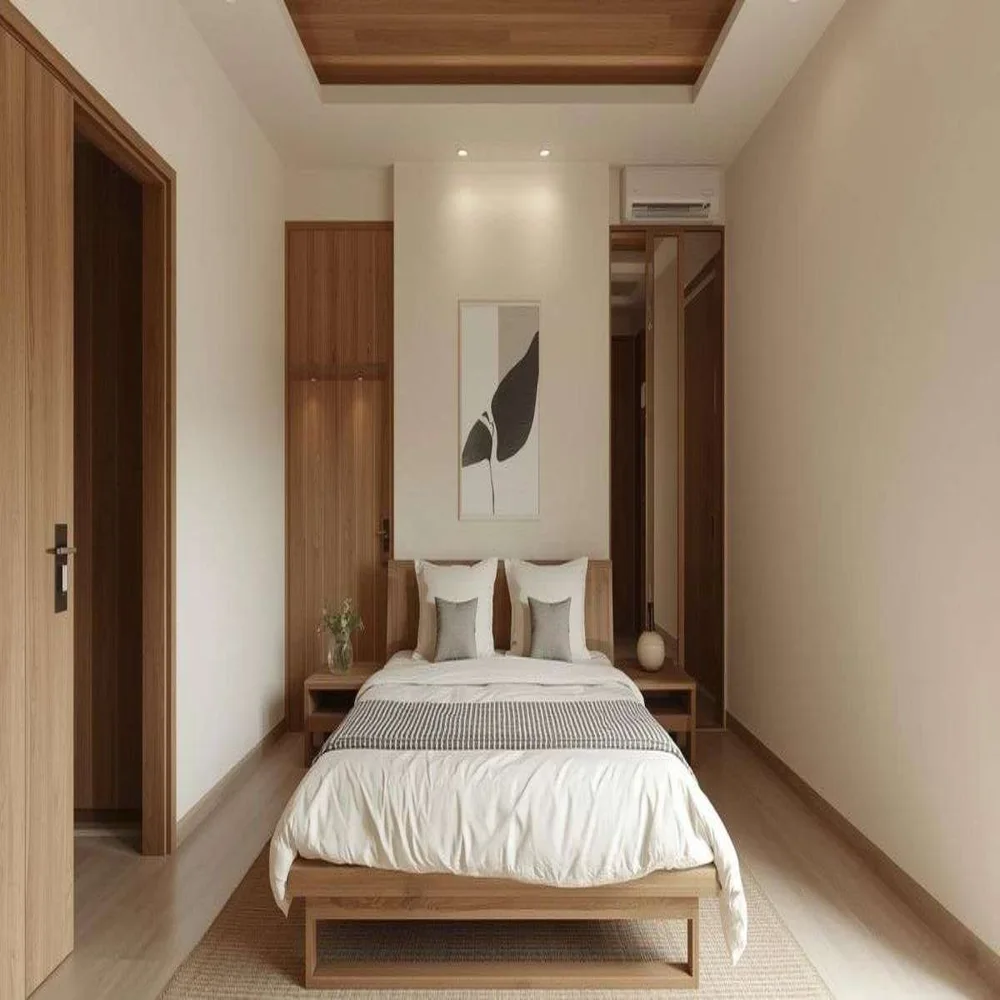
Bedroom Window Treatment Ideas
Window treatments do far more than block light. They define the room’s style, control privacy, regulate temperature, and can make windows appear larger or more elegant. Choosing the right option is an important part of any bedroom design.
- Blackout curtains: The best choice for anyone sensitive to light, shift workers, or children who need to sleep in the morning. Modern blackout curtains come in elegant fabrics and are no longer the heavy, utilitarian panels of the past. Hang them as high as possible and let them pool slightly on the floor for a luxurious look.
- Sheer curtains: Sheer or voile panels diffuse natural light beautifully and create a soft, airy feel. They offer daytime privacy while keeping the room bright. Often layered with heavier curtains for a ‘double curtain’ setup that gives full blackout at night and gentle light during the day.
- Roman blinds: A neat, tailored option that folds up into clean horizontal pleats when raised. Roman blinds suit modern, minimalist, and Scandinavian bedroom styles well. Available in blackout lining for bedrooms.
- Roller blinds: Sleek and space-efficient, roller blinds are ideal for small bedrooms or as part of a layered window treatment behind curtains. Choose a blackout roller blind for full light control.
- Wooden shutters: Plantation-style louvre shutters are a premium window treatment that adds significant value and character to any bedroom. They offer excellent light control, last for decades, and suit both modern and traditional interiors.
Pro tip: Always hang curtain rods 10–15 cm (4–6 inches) above the window frame and extend the rod 15–20 cm (6–8 inches) beyond each side. This makes the window appear significantly wider and taller than it actually is.
Bedroom Ceiling Design Ideas
The ceiling is often the most neglected surface in a bedroom — and one of the most powerful. A well-designed ceiling adds height, drama, or warmth without taking up a single square centimetre of floor space.
- False / drop ceiling (POP ceiling): A false ceiling is fitted below the original structural ceiling to create a new, lower ceiling surface. It can incorporate recessed LED downlights, cove lighting, or decorative molding. A popular choice for master bedrooms, it gives a polished, finished look and allows complex lighting designs to be integrated seamlessly.
- Tray ceiling: A tray ceiling has a recessed central section that is higher than the surrounding edges, like an upside-down tray. The border can be painted in a contrasting color or fitted with LED cove lighting to create a glowing halo effect. It adds architectural character without major structural work.
- Wooden beams: Exposed wooden ceiling beams add warmth, character, and a sense of age and craftsmanship to a bedroom. They suit rustic, farmhouse, Scandi, and Japandi styles especially well. Faux wooden beams made from lightweight polyurethane are a much more affordable alternative to structural timber beams.
- LED ceiling cove lighting: LED strip lights tucked into a ceiling cove or behind a dropped panel create a soft, indirect glow that washes the ceiling with warm light. This is one of the most popular and atmospheric bedroom lighting techniques, and it works beautifully in both modern and luxury interiors.
- Painted ceiling: The simplest upgrade. Painting the ceiling the same color as your walls (known as color drenching) creates a cocoon-like, immersive effect. Alternatively, paint the ceiling in a deep, dark shade of navy, forest green, or charcoal for dramatic contrast against lighter walls.
- Wallpapered ceiling: An unexpected choice that delivers maximum visual impact. A botanical, geometric, or star-print wallpaper on the ceiling creates a stunning ‘fifth wall’ that guests will always notice.
Conclusion: Start Designing Your Dream Bedroom Today
Great bedroom design ideas are not about spending a fortune or following the latest trends. They are about creating a space that works beautifully for you, your lifestyle, your taste, and your budget.
Whether you are planning a full master bedroom redesign, looking for small bedroom solutions, or simply refreshing your space on a tight budget, the principles are the same. Measure carefully, plan your layout, choose a cohesive color palette, layer your lighting, and maximize your storage.
Every great bedroom starts with a plan. Use the bedroom design checklist in this guide, take it one step at a time, and you will be sleeping in your dream bedroom sooner than you think. The most important step is simply to start.
Your perfect bedroom is waiting: all it needs is your vision and a little planning.







2 Comments
[…] another. None of it feels big at the moment, but it slowly adds up. That’s just how most bathroom remodeling ideas end up […]
[…] bedroom should support two modes: gentle wind-down and complete darkness for sleep. Use warm LED strips […]