

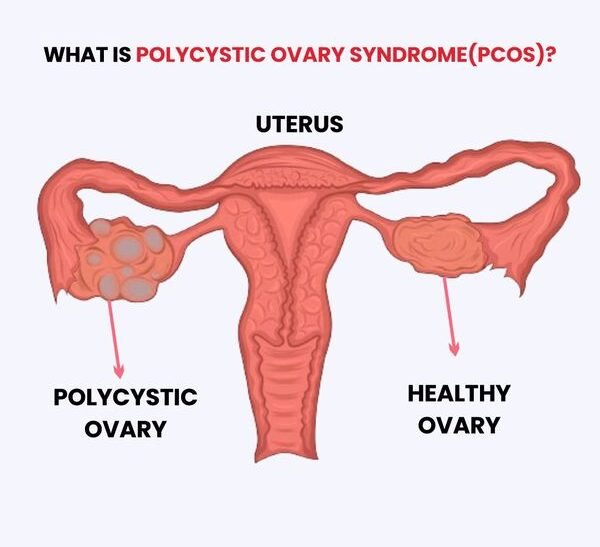
PCOS, or Polycystic Ovary Syndrome, is one of the most common hormonal conditions affecting women of reproductive age. In simple terms, PCOS refers to a condition where the ovaries produce an excess of androgens (male hormones), disrupting the normal hormonal balance that regulates menstruation, metabolism, and fertility. What is PCOS at its core? It is an endocrine disorder one that touches nearly every aspect of a woman’s health.
PCOS is remarkably common. It affects an estimated 1 in 10 women worldwide, making it the leading cause of hormonal imbalance in women of childbearing age. Yet despite its prevalence, it is frequently misunderstood and underdiagnosed.
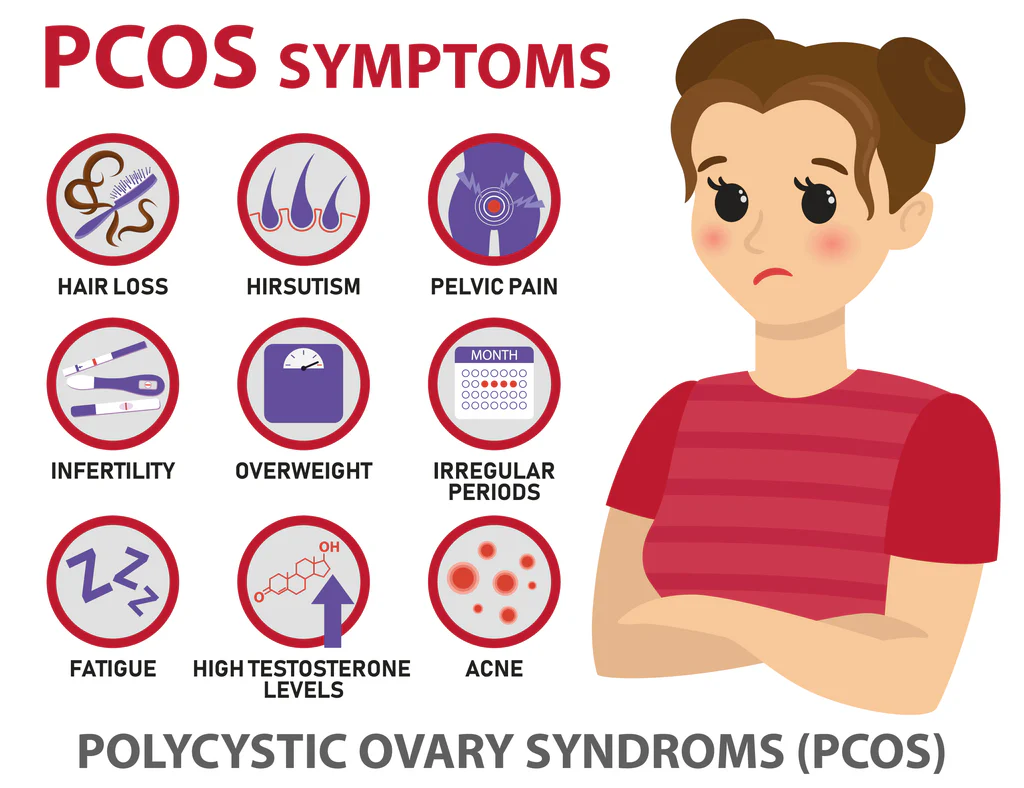
The symptoms of PCOS vary widely from irregular periods and stubborn weight gain to acne, unwanted hair growth, and fertility challenges. Beyond the physical, many women also experience fatigue, anxiety, and mood swings. The good news is that with early diagnosis and the right approach, PCOS is highly manageable. This guide covers everything you need to know: symptoms, causes, diagnosis, treatment, diet, and weight loss strategies.
What Is PCOS?
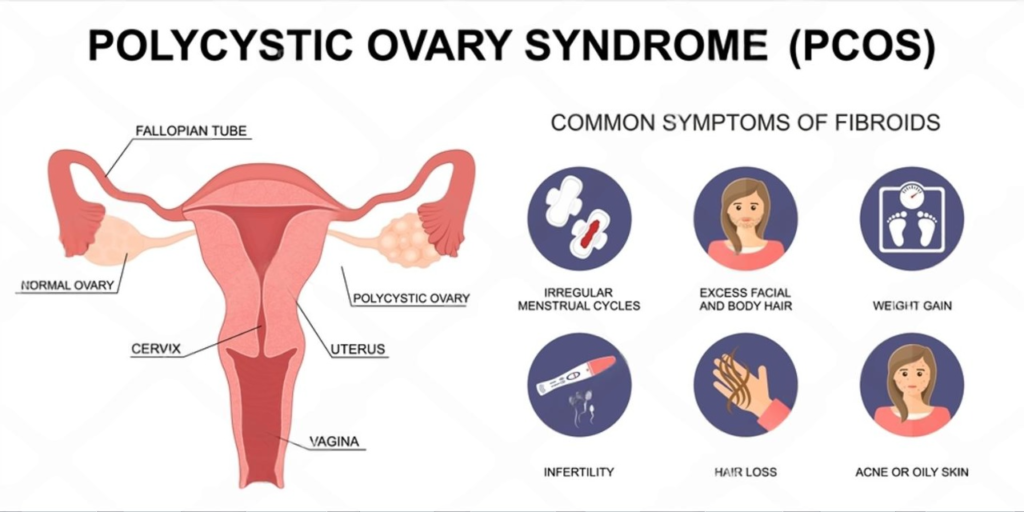
The term PCOS stands for Polycystic Ovary Syndrome. “Polycystic” means many cysts, although not every woman with PCOS actually has cysts on her ovaries. PCOS is classified as an endocrine disorder, meaning it primarily affects the hormonal system. It disrupts the delicate interplay among the ovaries, adrenal glands, brain, and pancreas, resulting in a cascade of symptoms that can affect the entire body.
What Happens in the Body With PCOS?
In a healthy hormonal cycle, the ovaries release an egg each month in response to carefully regulated hormones. In women with PCOS, elevated androgens (such as testosterone) interfere with this process. Follicles that should mature and release eggs instead stall, sometimes accumulating as small fluid-filled sacs the “cysts” in the name. This leads to irregular or absent periods, ovarian cysts, and an imbalance that triggers many of the visible symptoms women experience.
Insulin resistance is another central feature. When the body’s cells stop responding properly to insulin, the pancreas produces more insulin. This excess insulin signals the ovaries to make even more androgens, worsening the hormonal imbalance in a self-reinforcing cycle.
Is PCOS Genetic?
Yes, PCOS has a strong genetic component. If your mother or sister has PCOS, you are significantly more likely to develop it. Research suggests that certain gene variants affect how the body handles insulin and how it produces androgens. However, genetics is not destiny lifestyle factors, diet, and environment all play a role in whether and how severely PCOS manifests. Is PCOS genetic? Partly yes, but it is also shaped by how you live.
Common Symptoms of PCOS
The signs of PCOS are as diverse as the women who experience them. Some women have all the classic symptoms; others have just a few. Understanding the full picture is key to knowing how to know if you have PCOS.
Irregular Periods
One of the hallmark PCOS symptoms is menstrual irregularity. Periods may come infrequently (fewer than eight cycles a year), be unusually heavy or light, or stop altogether (amenorrhea). This occurs because hormonal disruption prevents regular ovulation, causing the uterine lining to thicken unpredictably. Irregular periods are not just inconvenient; they are your body’s signal that ovulation and hormonal balance are off.
PCOS Belly & Weight Gain
Many women with PCOS struggle with weight gain, particularly around the abdomen, often called the “PCOS belly.” This accumulation of abdominal fat is closely tied to insulin resistance and elevated androgens, which promote fat storage in the midsection. The PCOS belly is not simply cosmetic; visceral (belly) fat is metabolically active and can further worsen insulin resistance, creating another reinforcing cycle. Even modest weight gain can dramatically amplify PCOS symptoms, while even small reductions in weight can significantly improve them.
Acne & Oily Skin
Excess androgens stimulate sebaceous (oil) glands in the skin, leading to persistent hormonal acne particularly along the jawline, chin, and lower face. Unlike typical teenage acne, PCOS-related acne tends to be deeper, more inflammatory, and less responsive to standard skincare alone. Oily skin and clogged pores are common companions. Treating the underlying hormonal imbalance is essential for lasting skin improvement.
Excess Facial Hair & Hair Loss
Hirsutism, the growth of thick, dark hair on the face, chest, back, or abdomen, affects up to 70% of women with PCOS. Conversely, some women experience thinning of the hair on their scalp in a pattern similar to male-pattern baldness. Both effects are driven by elevated testosterone acting on hair follicles. These changes can be deeply distressing, affecting confidence and emotional well-being.
Fertility Problems
PCOS is the leading cause of anovulatory infertility worldwide. Without regular ovulation, conception becomes difficult. However, it is important to note that PCOS does not mean infertility; the majority of women with PCOS can and do become pregnant, often with appropriate medical support. Fertility treatments for PCOS have a high success rate, and many women conceive naturally once their hormonal balance improves through lifestyle changes.
Fatigue, Anxiety & Mood Swings
PCOS reaches beyond the physical. Women with PCOS have significantly higher rates of anxiety, depression, and mood instability than the general population. Hormonal fluctuations, particularly imbalances in estrogen, progesterone, and cortisol, directly affect brain chemistry and emotional regulation. Chronic fatigue is also common, driven by disrupted sleep, blood sugar swings from insulin resistance, and the physiological toll of living with a chronic condition. Recognizing these emotional symptoms as part of PCOS, not separate from it, is essential for holistic care.
What Causes PCOS?
The exact cause of PCOS is not fully understood, but research points to a combination of genetic predisposition, hormonal dysfunction, and lifestyle factors. Understanding what causes PCOS can help you address the root drivers, not just the symptoms.
Insulin Resistance
Insulin resistance is present in 70–80% of women with PCOS and is considered one of its primary drivers. When cells in the muscles, fat, and liver do not respond effectively to insulin, blood glucose levels rise. The pancreas compensates by releasing even more insulin. This hyperinsulinemia then stimulates the ovaries to produce excess androgens, which suppresses ovulation and leads to the hormonal cascade that characterizes PCOS. In short, insulin resistance does not just follow PCOS in many cases; it causes and sustains it.
Genetics & Family History
PCOS runs in families. Studies show that daughters and sisters of women with PCOS have a 20–40% chance of developing the condition. Specific gene variants have been identified that affect insulin sensitivity, androgen production, and gonadotropin signaling. This genetic foundation means that PCOS is not caused by anything a woman did wrong it is a biological tendency she may have been born with.
Inflammation & Lifestyle Factors
Chronic low-grade inflammation is increasingly recognized as both a consequence and a driver of PCOS. Inflammatory markers are elevated in women with PCOS, and this inflammation stimulates androgen production in the ovaries. Poor diet (especially high sugar and ultra-processed foods), sedentary behavior, chronic stress, and poor sleep all promote inflammation and worsen insulin resistance, which in turn aggravates PCOS. The encouraging news is that these are modifiable factors: addressing them through lifestyle changes can meaningfully reduce PCOS symptoms.
How PCOS Is Diagnosed
PCOS diagnosis follows internationally recognized criteria, most commonly the Rotterdam Criteria, which require at least two of the following three features: irregular or absent ovulation, elevated androgens (clinically or via blood tests), and polycystic ovaries on ultrasound.
Symptoms Doctors Check
Your doctor will ask about your menstrual history, weight changes, acne, unwanted hair growth, and mood. A physical examination may check for signs of excess androgen activity. How to know if you have PCOS begins with an honest conversation with your healthcare provider about these symptoms, especially if they have persisted for several months.
Blood Tests & Ultrasound
Blood tests will typically measure LH and FSH (pituitary hormones), total and free testosterone, DHEAS, estradiol, thyroid hormones (to rule out thyroid conditions with similar symptoms), fasting insulin, fasting glucose, and AMH (anti-Müllerian hormone, a marker of ovarian reserve and PCOS). A pelvic ultrasound will assess the ovaries for the characteristic appearance of multiple small follicles arranged around the ovarian edge.
When to See a Doctor
See a doctor if you experience irregular periods (fewer than 9 per year, or cycles shorter than 21 or longer than 35 days), sudden acne or unexplained hair growth, difficulty conceiving after 12 months of trying, or unexplained weight gain concentrated in the abdomen. Early diagnosis allows for earlier intervention, which significantly improves long-term outcomes, including reduced risk of type 2 diabetes and cardiovascular disease.
PCOS Treatment Options
There is no single cure for PCOS, but a range of effective treatments can manage symptoms, restore hormonal balance, and dramatically improve quality of life. How to treat PCOS depends on a woman’s specific symptoms, goals (such as managing periods versus pursuing pregnancy), and overall health. PCOS treatments typically involve a combination of lifestyle changes and, where needed, medication.
Lifestyle Changes
Lifestyle change is the cornerstone of PCOS management and, for many women, produces the most significant improvements. Even a 5–10% reduction in body weight can restore ovulation, reduce androgen levels, improve insulin sensitivity, and dramatically reduce acne and unwanted hair. This means that lifestyle changes are not just supportive they are a primary PCOS treatment. Regular exercise, a balanced anti-inflammatory diet, stress reduction, and adequate sleep all form part of this foundation.
Metformin for PCOS
Metformin for PCOS is one of the most widely prescribed medications, particularly when insulin resistance is prominent. Originally developed for type 2 diabetes, metformin lowers blood glucose and improves insulin sensitivity, reducing the insulin-driven androgen production at the heart of PCOS. It can help regulate menstrual cycles, support weight loss, and, in some cases, improve fertility. Metformin is typically well-tolerated, though side effects like nausea and digestive upset may occur initially. Always take metformin under medical supervision.
Hormonal Medications
For women not currently trying to conceive, combined oral contraceptives (the pill) are commonly prescribed PCOS medication. They regulate the menstrual cycle, reduce androgen levels, and improve acne and hirsutism. Anti-androgen medications like spironolactone may also be prescribed for skin and hair symptoms. These medications manage symptoms effectively but do not address the underlying hormonal causes. Lifestyle changes remain important alongside them.
Fertility Treatments
For women trying to conceive, options include letrozole (the current preferred first-line treatment for ovulation induction), clomiphene citrate, metformin, gonadotropin injections, and in more complex cases, IVF. The majority of women with PCOS who pursue fertility treatment successfully conceive. A reproductive endocrinologist can tailor a fertility plan to individual circumstances.
Natural Ways to Manage PCOS
Several natural approaches show genuine evidence for PCOS management. Inositol (particularly myo-inositol and D-chiro-inositol) is well-supported by research for improving insulin sensitivity and restoring ovulation. Magnesium, vitamin D, omega-3 fatty acids, and zinc have evidence for supporting hormonal balance. Stress management practices such as yoga, mindfulness, and adequate sleep directly influence cortisol levels and hormonal balance. Acupuncture has modest evidence supporting its regulation of menstrual cycles. These natural ways to manage PCOS work best alongside, not instead of, medical guidance.
Best PCOS Diet for Weight Loss
Why Weight Loss Is Harder With PCOS
Weight reduction in PCOS is genuinely more difficult than for women without the condition. Insulin resistance causes the body to store more calories as fat and makes it harder to access stored energy. Elevated androgens promote abdominal fat deposition. Disrupted hunger hormones (ghrelin and leptin) make appetite harder to regulate. Chronic fatigue can reduce motivation and activity. Knowing this, it is important to approach PCOS weight loss with patience and self-compassion it is not a failure of willpower, it is a physiological challenge.
Foods to Eat
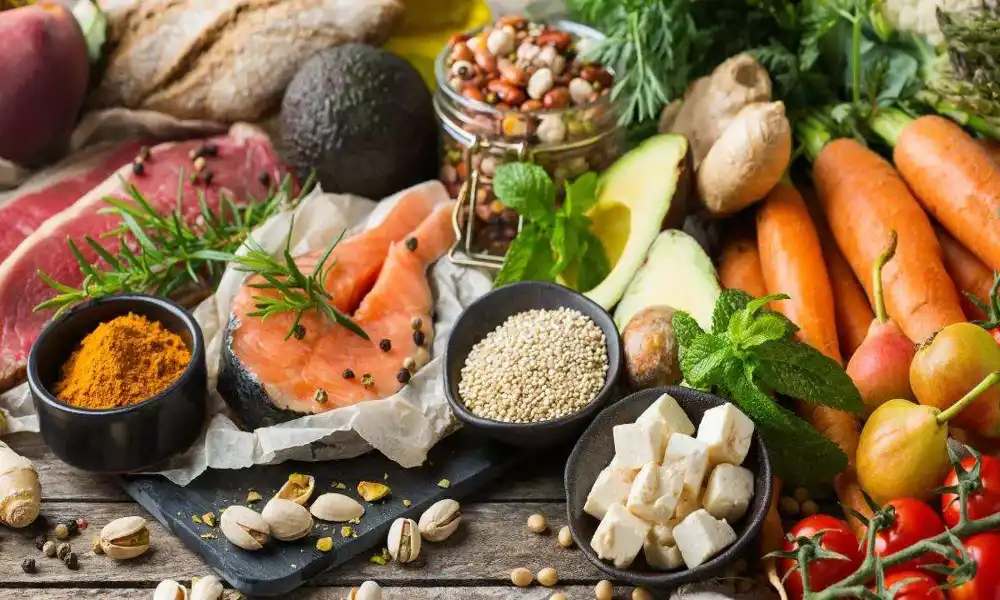
The PCOS diet should focus on foods that stabilize blood sugar, reduce inflammation, and support hormonal balance:
- Low glycemic index (GI) carbohydrates: oats, legumes, sweet potatoes, brown rice, quinoa. These raise blood sugar slowly, reducing insulin spikes
- High-fiber vegetables: broccoli, leafy greens, cauliflower, courgette. Fiber slows digestion and feeds beneficial gut bacteria
- Lean proteins: chicken, fish, eggs, tofu, Greek yogurt. Protein increases satiety and helps preserve muscle mass during weight loss
- Omega-3-rich foods, such as salmon, sardines, walnuts, and flaxseed, have powerful anti-inflammatory effects
- Healthy fats: avocado, olive oil, nuts support hormone production and reduce inflammation
- Anti-inflammatory spices: turmeric, cinnamon (which has some evidence for improving insulin sensitivity), ginger
Foods to Avoid
For a PCOS diet, reducing or eliminating these foods makes a meaningful difference:
- Refined carbohydrates and sugary foods: white bread, pastries, candy, sugary drinks these cause rapid insulin spikes
- Ultra-processed foods: fast food, packaged snacks high in refined oils, sugar, and additives that promote inflammation
- Excess dairy (for some women): conventional dairy can contain hormones and IGF-1 that may worsen androgen-driven symptoms
- Alcohol: disrupts liver metabolism of hormones and raises estrogen
- High-fructose corn syrup and fruit juices: rapidly raise blood sugar without the fiber of whole fruit
Best Exercises for PCOS
Losing weight with PCOS through exercise requires a strategic approach. High-Intensity Interval Training (HIIT) is particularly effective at improving insulin sensitivity and reducing abdominal fat. Strength training builds lean muscle, which increases the body’s baseline calorie burn and improves glucose uptake. Low-impact cardio walking, swimming, cycling is sustainable and reduces cortisol (high-cortisol, stress-driven exercise can paradoxically worsen hormonal balance). Aim for 150 minutes of moderate exercise weekly, incorporating at least two strength sessions. Consistency matters more than intensity.
Daily Self-Care Tips
PCOS self-care extends beyond diet and exercise. Sleep 7–9 hours nightly. Poor sleep directly impairs insulin sensitivity and spikes cortisol. Manage stress actively through mindfulness, journaling, or time in nature; chronic stress elevates cortisol, which worsens hormonal imbalance. Track your cycle and symptoms to identify patterns and prepare for medical appointments. Connect with PCOS community groups, social support improves psychological well-being and treatment adherence. Small, sustainable daily habits compound into profound health changes over months.
Can PCOS Be Cured Permanently?
Management vs Permanent Cure
Honestly, how to cure PCOS permanently is one of the most searched questions, and the straightforward medical answer is that PCOS cannot currently be cured in the conventional sense. It is a lifelong hormonal condition with a genetic foundation. However, “cure” and “manageable” are very different things. Many women achieve complete symptom remission through sustained lifestyle changes, regular periods, healthy weight, clear skin, restored fertility, and stable mood without needing ongoing medication. Remission is not a cure, but for many women it feels like one.
Can Symptoms Improve Over Time?
Yes — significantly. Many women find that PCOS symptoms naturally moderate after menopause, as androgen levels decline. Others see major improvements through consistent lifestyle adjustments well before that. The most powerful driver of symptom improvement is addressing insulin resistance through diet, exercise, and, where needed, medication. Early diagnosis and early action give women the best possible long-term outcomes.
Frequently Asked Questions
What are the first signs of PCOS?
The earliest signs of PCOS are typically irregular or missed periods, unexplained acne (especially along the jawline), gradual weight gain around the abdomen, and increased facial or body hair. Fatigue and mood changes can also appear early. If you notice two or more of these symptoms together, speak with a doctor.
Does PCOS cause belly fat?
Yes. The PCOS belly is a well-recognized feature of the condition. Insulin resistance and elevated androgens specifically promote fat storage in the abdominal area. This visceral fat worsens insulin sensitivity, creating a cycle. Even a 5% reduction in body weight significantly reduces abdominal fat and improves hormonal balance in women with PCOS.
Can skinny women have PCOS?
Absolutely. Lean PCOS, often called “lean PCOS,” affects women with a normal or even low BMI. These women may have all the classic hormonal features of PCOS (irregular periods, elevated androgens, polycystic ovaries) without significant weight gain. Lean PCOS is sometimes harder to diagnose because the weight-related symptoms are absent, but it is equally real and requires the same care.
Is PCOS dangerous?
PCOS is not life-threatening in itself, but it does carry long-term health risks if unmanaged. Women with PCOS have a higher risk of developing type 2 diabetes, cardiovascular disease, endometrial cancer (from prolonged unopposed estrogen), sleep apnea, and depression. Managing PCOS proactively, especially addressing insulin resistance and maintaining hormonal balance, significantly reduces all of these risks.
Can women with PCOS get pregnant?
Yes the majority of women with PCOS can become pregnant. PCOS is a leading cause of difficulty conceiving, but it is not infertility. Many women conceive naturally once their cycles regulate through lifestyle changes. For those who need support, fertility medications (such as letrozole) have high success rates. IVF is effective when other approaches have not worked. Early consultation with a fertility specialist is valuable.
What is the best diet for PCOS?
The best diet for PCOS is one that stabilizes blood sugar and reduces inflammation: a low-GI, anti-inflammatory, insulin-friendly diet rich in vegetables, lean protein, healthy fats, and high-fibre whole grains. Minimize refined sugar, ultra-processed foods, and sugary drinks. Consistency over perfection is the key a sustainable PCOS diet you can maintain long-term will always outperform a strict short-term plan.
Conclusion
PCOS is a common, complex, but deeply manageable condition. Understanding your body, seeking early diagnosis, and taking a proactive approach through diet, exercise, and medical care when needed can transform life with PCOS. You do not have to choose between suffering in silence and a lifetime of medication most women find a balanced, empowering middle path. Symptoms can improve dramatically. Cycles can regulate. Weight can shift. Fertility can be restored. Your diagnosis is not your destiny. With the right knowledge and consistent care, PCOS becomes something you manage not something that manages you.