

Think about the last time you finished a meal and felt genuinely satisfied, not stuffed, but properly fuelled for the next three or four hours. Chances are, that meal was rich in one critical macronutrient: protein.
Now think about the opposite: a rushed breakfast of toast and jam, or a low-calorie salad that left you reaching for snacks an hour later. The difference often comes down to how much quality protein was on your plate.
Protein is not just for gym-goers. It is the backbone of nearly every biological process in your body, from repairing cells and producing hormones to regulating blood sugar and keeping your immune system strong. Yet most people are still not getting nearly enough of it, or they are getting it from the wrong sources.
Why Protein Matters More Than Most People Realize
Most nutrition conversations end up focused on calories or carbohydrates, but protein quietly does the most important work. Here is why prioritizing it changes everything.
Satiety and Appetite Control
Protein is the most filling macronutrient. It reduces levels of ghrelin, the hunger hormone, while boosting peptide YY, which signals fullness to your brain. Studies consistently show that higher protein diets lead to fewer total calories consumed without the need for rigid calorie counting.
Muscle Repair and Maintenance
Every time you exercise or even go about your daily life, your muscles experience micro-damage. Protein provides the amino acids needed to repair and rebuild that tissue. Without adequate protein, you lose muscle mass over time, a process called sarcopenia that accelerates significantly after age 40.
Hormonal Balance and Metabolic Health
Protein is a literal building block for hormones, enzymes, and neurotransmitters. Insulin, glucagon, growth hormone, and thyroid hormones all depend on adequate protein intake. A protein-rich diet also improves insulin sensitivity, which directly supports blood sugar stability throughout the day.
Immune System Support
Antibodies, the proteins your immune system uses to fight infection, are made from dietary amino acids. Chronic low protein intake impairs immune function and makes you more susceptible to illness.
Healthy Ageing
Higher protein intake helps preserve muscle mass and bone strength as we age.
Protein has a high thermic effect; your body burns around 20–30% of protein calories just digesting it, compared to only 5–10% for carbohydrates. This gives your metabolism a natural boost.
The Best High-Protein Foods (Without Overcomplicating Your Diet)
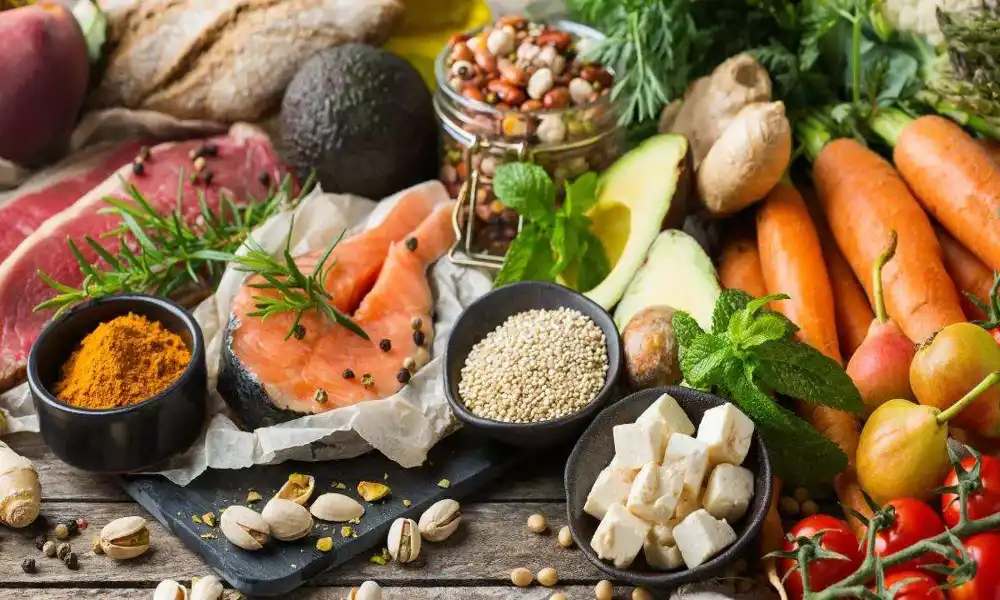
You do not need a complicated supplement stack or a professional meal plan to eat more protein. The best high-protein foods are simple, accessible, and already familiar to most people. The key is knowing how to use them.
Animal-Based Protein Sources
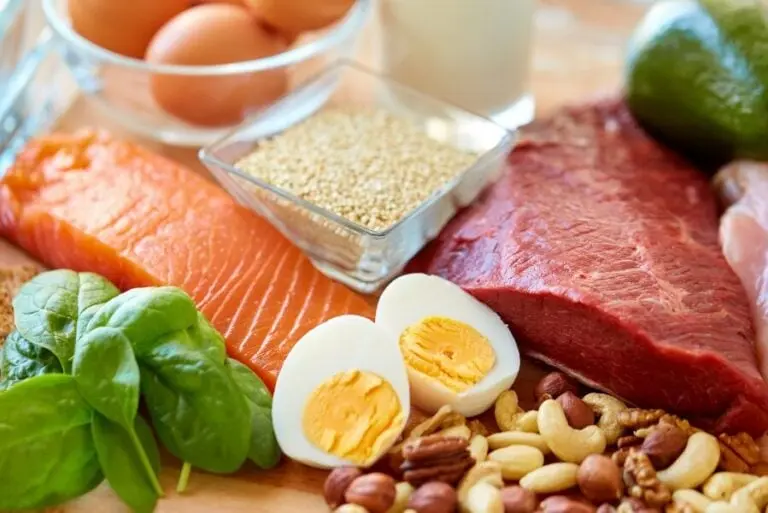
Animal proteins are considered complete proteins because they contain all nine essential amino acids your body cannot produce on its own. Here are the top performers.
Eggs are one of the most nutrient-dense foods on the planet. One large egg contains approximately 6–7 grams of high-quality protein, along with important nutrients, including choline (vital for brain health) and vitamin D. Eggs are also incredibly versatile and affordable.
Chicken Breast is a staple high-protein food for good reason. A 100g serving of cooked chicken breast provides about 31g of protein and minimal fat, making it one of the most protein-dense whole foods available.
Greek Yogurt: Unlike regular yogurt, Greek yogurt is strained to remove excess whey, concentrating its protein content. A 200g serving provides 15–20g of protein along with gut-friendly probiotics and calcium.
Salmon Rich in both complete protein (around 25g per 100g serving) and omega-3 fatty acids. The combination supports muscle recovery, reduces inflammation, and promotes cardiovascular health simultaneously.
Cottage Cheese Underrated and underused. A 200g serving of low-fat cottage cheese contains roughly 24g of protein, largely from casein, a slow-digesting protein that makes it an excellent choice before bed to support overnight muscle repair.
Quick Reference Protein per 100g: Chicken breast 31g | Tuna 29g | Salmon 25g | Eggs 13g | Greek yogurt 10g | Cottage cheese 12g
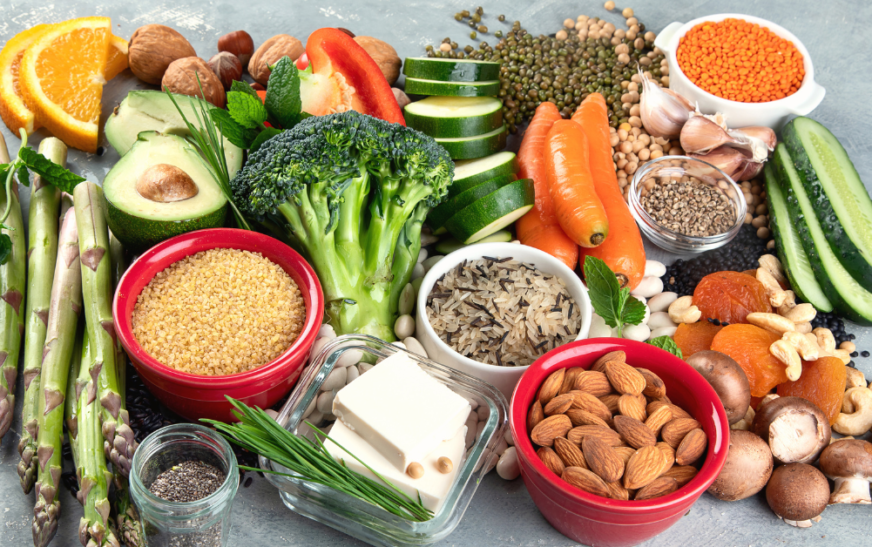
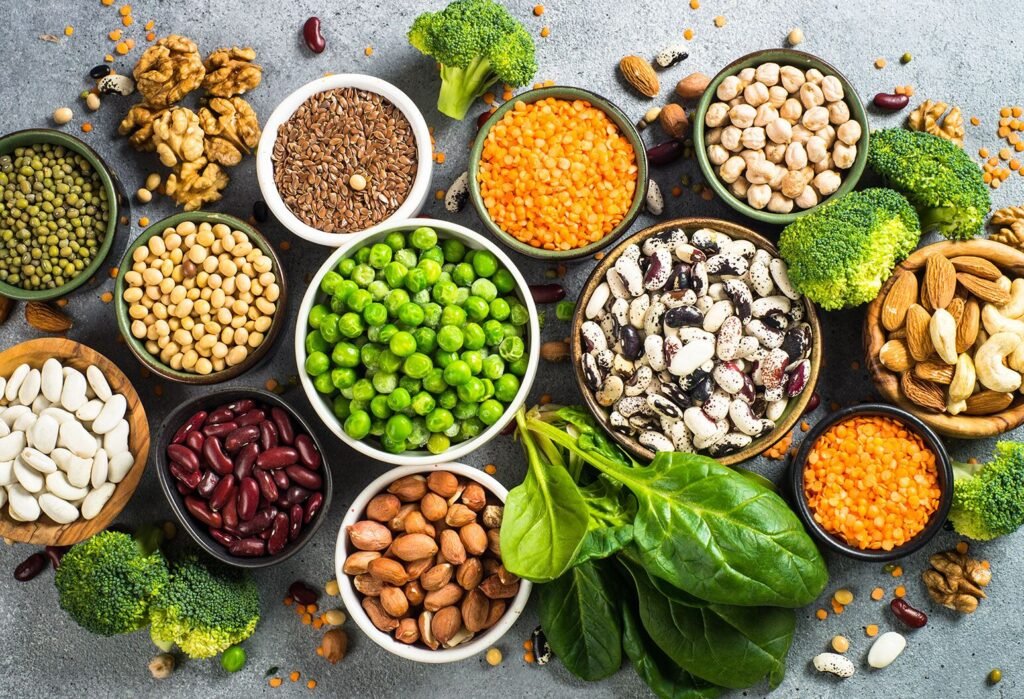
Plant-Based High Protein Foods
Plant proteins often get dismissed as inferior, but that overlooks their enormous benefits. While most individual plant foods are incomplete proteins lacking one or more essential amino acids, eating a varied plant-based diet throughout the day covers all your needs. They also come packaged with fiber, antioxidants, and heart-protective compounds you simply do not find in meat.
Lentils: A cup of cooked lentils provides around 18g of protein along with an impressive 15g of fiber. That combination slows digestion, stabilizes blood sugar, and keeps you full for hours. Lentils are also rich in iron and folate.
Chickpeas Versatile enough to be roasted as a snack, blended into hummus, or added to curries. One cup of cooked chickpeas contains roughly 15g of protein and 12g of fiber, supporting both gut health and satiety.
Tofu and Tempeh are both made from soy, which is one of the few plant-based complete protein sources. Tempeh is especially high in 100g, delivering around 19g of protein, and has beneficial probiotics from fermentation.
Quinoa, technically a seed, is cooked and eaten like a grain and is a rare plant-based complete protein. One cup of cooked contains 8g of protein along with magnesium, iron, and all essential amino acids.
Edamame soybeans are one of the simplest high-protein snacks available. A cup provides approximately 17g of complete protein and is ready in minutes from frozen.
Combine plant proteins strategically throughout the day; for example, rice and lentils together create a complete amino acid profile. You do not need to do this in a single meal; your body pools amino acids across the day.
High-Protein Snacks That Actually Keep You Full
Snacking is where most protein strategies fall apart. Grab-and-go culture has normalized crisps, biscuits, and sugar-loaded granola bars that do little to curb hunger and send your blood sugar on a rollercoaster. The good news: there are genuinely convenient high-protein snack options that fit even the busiest routines.
Greek Yogurt with Berries 15–20g of protein per serving. Add a handful of mixed berries for antioxidants and natural sweetness without a blood sugar spike. Keep individual pots at your desk or in the work fridge.
You and hard-boiled Eggs. Batch-cook six eggs on Sunday, have a ready-made protein hit for the week. Two eggs provide 12–14g of protein with zero prep time during the week.
Roasted Chickpeas: Toss tinned chickpeas in olive oil, paprika, and cumin, then roast at 200°C for 30 minutes. The result is a crunchy, satisfying snack with around 8g of protein per half-cup serving, far superior to crisps.
Cottage Cheese with Fruit: Mix 150g of cottage cheese with sliced peaches or pineapple for a sweet, protein-rich snack (about 18g of protein) that serves as a dessert substitute.
Protein Smoothies: A blended combination of unsweetened milk or oat milk, a scoop of high-quality protein powder, a banana, and nut butter can deliver 30g+ of protein and takes 3 minutes to make. Ideal as a post-workout snack or meal replacement on hectic mornings.
Nuts and Nut Butter: While not as protein-dense as animal sources, almonds, peanuts, and cashews provide a solid combination of protein (6–8g per serving) and healthy fats that sustain energy between meals. Choose plain, unsalted varieties.
Tuna on Wholegrain Crackers: A small tin of tuna on four wholegrain crackers provides around 25g of protein and is as convenient a snack as it gets.
Prep your protein snacks in bulk at the start of the week. When hunger strikes at 3pm, having a ready option in the fridge is the difference between fuelling your body and raiding the biscuit tin.
How Much Protein Do You Really Need?
One of the most common questions in nutrition is: How much protein do I need? The answer depends on your body size, activity level, and health goals, but here is a practical framework that works for most people.
General Formula: 0.8 to 1.2g of protein × your body weight in kilograms per day. For active individuals or those focused on muscle building: 1.4 to 2.0g per kg body weight
Here is how those numbers break down by lifestyle:
Sedentary Adults: The long-standing RDA of 0.8g per kg is a minimum to prevent deficiency, not an optimal target. Most nutrition researchers now recommend that sedentary adults aim for at least 1.0–1.2g per kg to maintain muscle mass and support metabolic health.
Women: Women are often under-targeted in protein research. Needs are similar to men’s relative to body weight. During pregnancy and breastfeeding, requirements increase significantly up to 1.5g per kg to support fetal development and milk production.
People Focused on Weight Loss: Higher protein intake during a caloric deficit (around 1.4–1.6g per kg) helps preserve lean muscle mass while fat is lost, leading to better body composition outcomes than low-protein calorie restriction.
Active People and Athletes: Regular exercisers and strength trainers benefit from 1.6–2.0g per kg. This range supports muscle protein synthesis, faster recovery, and performance adaptation.
Seniors (65+): Older adults experience reduced protein absorption efficiency and need more dietary protein to achieve the same muscle-building response as younger people. Research supports intakes of 1.2–1.6g per kg to protect against age-related muscle loss.
For practical context: a 70kg person aiming for 1.4g per kg needs around 98g of protein daily. That could look like two eggs at breakfast (14g), Greek yogurt mid-morning (17g), grilled chicken at lunch (35g), edamame as an afternoon snack (17g), and salmon at dinner (25g), totaling 108g.
The Most Common Protein Mistakes People Make
Understanding the theory is one thing. But real nutritional change happens when you identify and fix the specific errors that undermine your efforts. These are the most prevalent and most correctable protein mistakes.
Relying Almost Entirely on Protein Shakes. Shakes are a tool, not a food group. When people replace multiple meals with shakes, they miss out on the fiber, vitamins, minerals, and bioactive compounds found in whole foods. Shakes work best as a convenient supplement, not the cornerstone of your diet.
Ignoring Fiber Protein: fiber and protein work synergistically for satiety and digestive health. A high-protein diet that lacks fiber can cause digestive sluggishness. Pairing protein with vegetables, legumes, and wholegrains solves this instantly.
Eating Too Little Protein at Breakfast. Most people front-load their carbohydrates in the morning (cereal, toast, pastries) and push protein to later in the day. Research shows that eating 25–30g of protein at breakfast dramatically reduces hunger, cravings, and total calorie intake through the rest of the day.
Falling for Ultra-Processed “High Protein” Marketing. The market is flooded with protein bars, protein cereals, and protein crisps that contain 10–12g of protein alongside 25g of sugar, artificial sweeteners, palm oil, and a long list of additives. Read labels carefully. If sugar is in the first three ingredients, put it back.
Skipping Whole Food Sources. No powder or supplement can replicate the complete nutritional package of a whole egg, a piece of salmon, or a bowl of lentils. Whole foods deliver protein alongside co-factors that optimize absorption and utilization in ways that isolated protein supplements cannot replicate.
Distributing Protein Unevenly Eating 10g of protein at breakfast, 15g at lunch, and 80g at dinner is less effective than spreading intake evenly across meals. Your body can only use approximately 25–40g of protein for muscle protein synthesis per meal; the excess is simply oxidized for energy.
Are Protein Shakes Actually Healthy?
Protein shakes, whether whey protein, plant-based blends, or specialty products, occupy a nuanced space in nutritional science. The short answer is: they can be healthy, convenient, and effective when chosen carefully and used in the right context.
When Protein Shakes Help
- You struggle to hit your protein targets through food alone on busy days
- You need a fast post-workout option when a whole meal is not practical
- You are transitioning to a higher-protein diet and need to bridge the gap incrementally
- You are traveling, and whole food options are limited
What to Look For
- A short, recognizable ingredient list ideally under ten ingredients
- At least 20g of protein per serving from a complete source (whey, casein, soy, or a leucine-rich plant blend)
- Less than 5g of added sugar per serving, many commercial shakes contain 15–20g
- No artificial sweeteners in excessive amounts, though small amounts are generally considered safe
What to Avoid
- Shakes with sugar as the first or second ingredient
- Proprietary blends that obscure exactly how much of each protein source you are actually getting
- Products with excessive artificial colors, fillers, or thickeners
Whey protein isolate is generally considered the gold standard for absorption speed and amino acid completeness. For those with dairy sensitivities, a soy or pea/rice protein blend provides a comparable amino acid profile.
The bottom line: protein shakes are a convenient supplement for real life, not a replacement for a well-structured diet based on whole, minimally processed foods.
Building a Balanced High-Protein Plate
Isolating individual high-protein foods is useful, but the real skill in nutrition is learning how to build complete meals that work together. A well-designed plate does three things: stabilizes blood sugar, provides lasting satiety, and delivers a broad spectrum of nutrients.
The Balanced Protein Plate Formula:
- 30–40% of the plate: Quality protein (meat, fish, eggs, legumes, tofu)
- 30–40% of the plate: Non-starchy vegetables and leafy greens
- 15–20% of the plate: Complex carbohydrates (wholegrains, legumes, root vegetables)
- A serving of healthy fats (olive oil, avocado, nuts, oily fish)
Here is what this looks like in practice:
Breakfast: Scrambled eggs on wholegrain toast with sliced avocado and a side of spinach. Approximately 28g of protein.
Lunch: Grilled chicken breast over a large mixed salad with chickpeas, drizzled with olive oil and lemon. Approximately 40g of protein.
Dinner: Baked salmon with roasted sweet potato, steamed broccoli, and courgette. Approximately 30g of protein.
Snacks: Greek yogurt mid-morning; a handful of almonds and an apple in the afternoon. Approximately 20g of protein across both snacks.
This structure: protein paired with fiber and healthy fats at every meal, produces the blood sugar stability and appetite control that makes sustainable healthy eating feel genuinely manageable rather than a constant battle against hunger.
Meal prepping two or three of these combinations each week dramatically reduces decision fatigue and removes the most common barrier to high-protein eating: not having the right food available when hunger strikes.
Frequently Asked Questions
How many grams of protein are in one egg?
One large egg contains approximately 6–7 grams of high-quality complete protein. The white provides around 4g, and the yolk around 2.5g. Eggs are among the most bioavailable protein sources, with a biological value of approximately 100, meaning almost all the protein is absorbed and utilized by the body.
What are the healthiest high-protein foods?
The healthiest high-protein foods are those that deliver protein alongside beneficial co-nutrients. Top choices include eggs (protein + choline + vitamin D), salmon (protein + omega-3s), lentils (protein + fiber + iron), Greek yogurt (protein + probiotics + calcium), and tofu (complete plant protein + isoflavones). Whole food sources consistently outperform processed alternatives.
Can you eat too much protein?
For most healthy adults, intakes of 2.0–2.5g per kg body weight are well tolerated and safe. Extremely high intakes above 3.0g per kg over extended periods may place unnecessary burden on the kidneys in people with pre-existing kidney disease. Healthy individuals with normal kidney function show no evidence of harm at typical high-protein diet ranges. The greater practical concern for most people is eating too little protein, not too much.
Are protein shakes good for weight loss?
Protein shakes can support weight loss by helping you meet daily protein targets within a caloric deficit, preserving lean muscle mass, and promoting satiety. However, they work best as a convenient supplement alongside whole foods, not as meal replacements that displace fiber and micronutrients. Choose low-sugar options with a clean ingredient list.
What high-protein snacks are healthy?
The healthiest high-protein snacks combine protein with fiber or healthy fats for sustained satiety. Best options include hard-boiled eggs, Greek yogurt, cottage cheese with fruit, roasted chickpeas, edamame, and tuna on whole-grain crackers. These provide 8–25g of protein per serving and are minimally processed.
Do plant proteins count as complete proteins?
Most individual plant proteins are incomplete; they are low in one or more essential amino acids. However, soy (tofu, tempeh, edamame) and quinoa are notable exceptions, as they are complete plant proteins. For those eating predominantly plant-based diets, combining varied protein sources throughout the day, such as grains with legumes, ensures all amino acid needs are met. This does not need to happen in a single meal.
Final Thoughts: Protein as a Long-Term Investment in Your Health
The research on protein is unusually consistent for a field where advice seems to change every few years: eating adequate amounts of high-quality protein consistently, from a mix of whole food sources, is one of the most evidence-based dietary changes you can make for your long-term health, energy, and body composition.
The goal is not perfection. You do not need to hit an exact number every single day, follow a rigid meal plan, or overhaul your entire diet overnight. Sustainable progress comes from small, compounding improvements: adding an egg to your breakfast, swapping a sugary snack for Greek yogurt, or building one more complete plate per week.
Start with the basics. Focus on real, minimally processed high-protein foods most of the time. Build meals around the balanced plate formula. Prep a few protein-rich snacks at the start of each week, so you always have a good option available.
Protein is not a trend. It is a fundamental building block of human biology, and consistently eating enough of it is one of the most powerful things you can do for your metabolism, muscles, immune system, and long-term quality of life.
- Aim for 1.0–1.6g of protein per kg body weight, depending on your activity level
- Prioritize whole food sources: eggs, chicken, fish, legumes, Greek yogurt, cottage cheese
- Distribute protein evenly across 3–4 meals for optimal muscle protein synthesis
- Pair protein with fiber and healthy fats for blood sugar stability and lasting satiety
- Use protein shakes as a convenient supplement, not a cornerstone of your diet
- Consistency over perfection small daily improvements compound significantly over time