

Planning a successful dinner party menu involves more than selecting favorite recipes; it requires creating a seamless experience. This guide covers every aspect, from course structure to seasonal inspiration and budget-friendly options, whether you are hosting a casual gathering or an elegant multi-course dinner.
By the end of this article, you will know how to create a dinner party menu that impresses guests, fits your budget, and allows you to remain at ease in the kitchen.
What Is a Dinner Party Menu System?
A dinner party menu is more than a list of dishes. It is a structured system that balances flavors, cooking effort, guest preferences, and serving flow to create a memorable experience for your guests.
Instead of assembling recipes at the last minute, a menu system encourages you to plan holistically, similar to a chef managing a professional kitchen. This strategic approach distinguishes a confident host from a stressed one.
Why Structured Menu Planning Beats Random Recipe Picking
When you treat your dinner party menu as a system, several things improve simultaneously:
Time Efficiency: Knowing your full menu lets you stagger prep, use the oven strategically, and avoid last-minute scrambling.
Shopping Precision: A planned menu highlights overlapping ingredients, allowing you to reduce waste and control costs.
Flavor Balance: Serving a light starter, a rich main, and a refreshing dessert ensures a satisfying progression of flavors.
Guest Satisfaction: Anticipating dietary preferences ensures all guests are accommodated and feel valued.
How to Build a Perfect Dinner Party Menu (Step-by-Step)
Use this four-step system for both formal dinners and casual gatherings. Each step builds on the previous one to create a cohesive, stress-free meal.
Step 1 – Choose Your Menu Style
Determine the tone of your dinner before selecting any dishes.
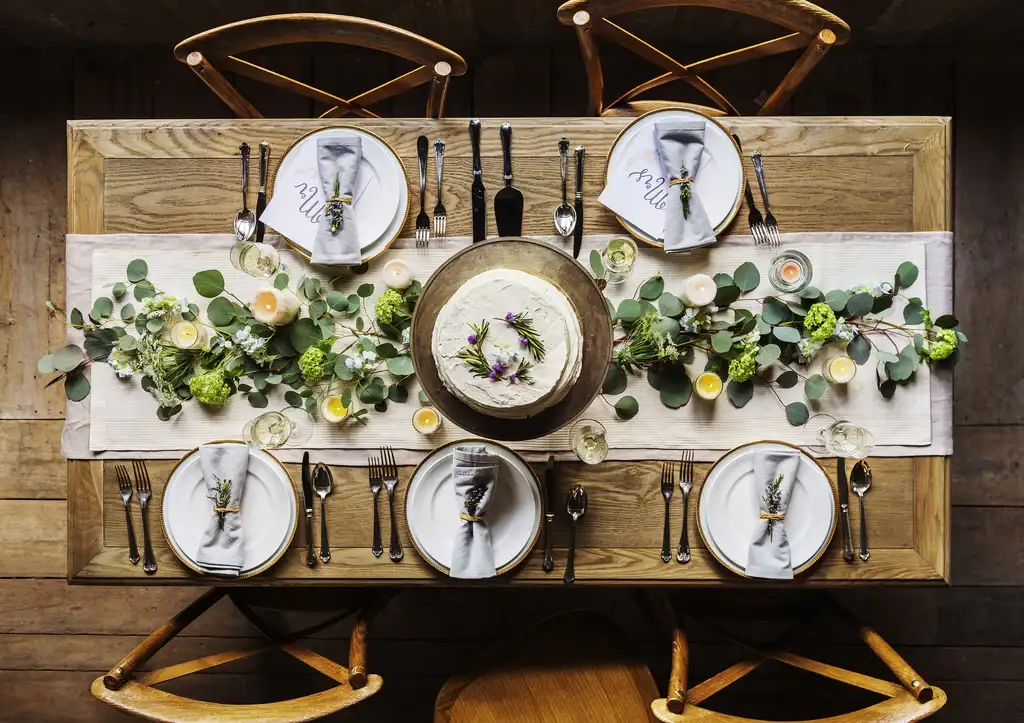
A formal dinner party requires refined courses and elegant presentation. A casual dinner is best suited to sharing plates and relaxed service. A themed dinner, such as Italian, Middle Eastern, or vegetarian, provides a creative framework that unifies each course.
Your chosen style influences every aspect, including the number of courses, table setting, food presentation, and the flow of the evening.
Step 2 – Decide Your Course Structure
Most dinner parties are well-suited to a three-course structure:
- Starter: A soup, salad, or light appetizer that stimulates the appetite without being too filling.
- Main Course: The centerpiece dish designed to satisfy and impress guests.
- Dessert: A sweet or light conclusion to the meal.
Formal dinners may include an amuse-bouche or a cheese course. Casual menus can be simplified to two courses, with an appetizer on arrival. The course structure should align with the occasion and your capacity as a host.
Step 3 – Balance Time and Cooking Effort
Avoid planning three complex recipes for one evening. The best approach is to select one standout dish and two simpler or make-ahead options.
Create a cooking timeline the day before to ensure tasks do not overlap during service. For example, if dinner is at 7 PM, chill the dessert by 2 PM, place the main in the oven at 5:30 PM, and have the starter ready to plate by 6:45 PM.
Step 4 – Finalize Your Ingredient Strategy
Review your menu for overlapping ingredients, such as garlic, onion, herbs, and cream, which often appear in multiple courses. Incorporate seasonal produce to improve flavor and reduce costs. Set a realistic budget before shopping, and consider a budget-friendly menu if hosting a large group.
A concise ingredient list results in a shorter shopping trip, less waste, and a more cohesive flavor profile throughout the meal.
Complete Dinner Party Menu Ideas (Ready-to-Use Plans)
Below are four structured dinner-party meal plans you can use or adapt. Each plan is tailored to a specific occasion, budget, or dietary preference.
Classic 3-Course Dinner Party Menu Plan
Best for: Formal dinners, anniversary celebrations, impressing a guest of honor
Starter: French Onion Soup or Roasted Tomato Bisque, make ahead the day before and simply reheat. Serve with crusty sourdough.
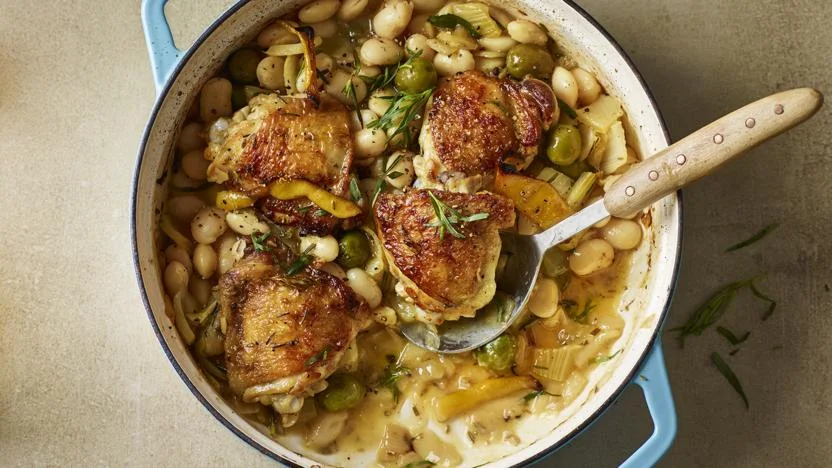
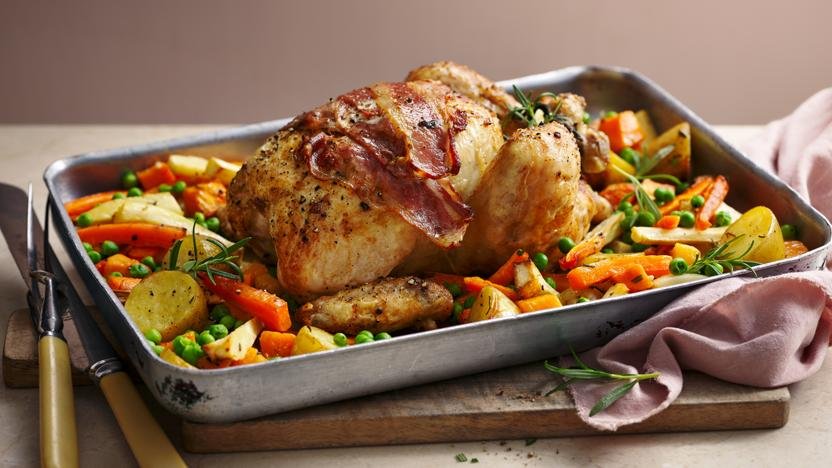
Main Course: Herb-Roasted Chicken with roasted root vegetables and a red wine jus, or pan-seared sea bass with lemon butter sauce and green beans.
Dessert: Chocolate Mousse set in the fridge from midday, or a classic French fruit tart with crème pâtissière.
Drinks: Champagne or Prosecco on arrival; a Burgundy or Bordeaux with the main; a dessert wine or digestif to close.
Italian Dinner Party Menu Plan
Best for: Themed evenings, date nights, relaxed gatherings with a warm atmosphere
Starter: Bruschetta al Pomodoro and an antipasto board with cured meats, olives, artichokes, and buffalo mozzarella. Minimal cooking required.
Main Course: Tagliatelle al Ragù, a slow-cooked Bolognese, or Penne Arrabbiata for a spicier, vegetarian-friendly option. Serve with a crisp Italian salad.
Dessert: Tiramisu, the ultimate Italian make-ahead dessert. Prepare the morning before; it only gets better as it sets.
Drinks: Aperol Spritz or Negroni to start; Chianti or Barbera with the pasta; limoncello to finish.
Budget-Friendly Dinner Party Menu Plan
Best for: Large groups, student hosting, frequent entertaining on a tight budget
Starter: Garlic and Herb Flatbread or a simple lentil soup both cost pennies per serving and taste impressive with the right seasoning.
Main Course: Slow-Cooked Chicken Curry with fragrant basmati rice and a simple cucumber raita, or a one-pot vegetable-and-chickpea stew served with crusty bread.
Dessert: Mixed Fruit Salad with a honey and mint dressing, or a simple rice pudding with a dusting of cinnamon, comforting, inexpensive, and loved by all.
Drinks: Lemonade or iced tea; an affordable house red or white; sparkling water for non-drinkers.
Vegetarian Dinner Party Menu Plan
Best for: Vegetarian or flexitarian guests, health-conscious evenings, spring and summer entertaining
Starter: Roasted Red Pepper Hummus with warm pitta and crudités, or burrata with heritage tomatoes and fresh basil oil, stunning and effortless.
Main Course: Mushroom and Spinach Lasagne, or a slow-roasted red lentil dhal with caramelized onions, served with turmeric-spiced flatbreads and mango chutney.
Dessert: Lemon Cheesecake, baked or no-bake, or a seasonal fruit pavlova, light, fresh, and naturally a crowd-pleaser.
Drinks: Fresh citrus mocktails; a crisp Sauvignon Blanc or light rosé; elderflower cordial for non-drinkers.
Pro Tip: You do not need to follow a single plan exactly. Combine elements, such as an Italian starter, a vegetarian main, and a classic chocolate mousse for dessert. The best dinner party menus result from thoughtful, confident combinations rather than strict adherence to rules.
The Menu Balance Formula (The Secret to Great Dinner Parties)
Every memorable dinner party follows a consistent underlying logic. Understanding the balance formula enables you to design any menu with confidence, regardless of cuisine, season, or budget.
The Perfect Dinner Party Menu Formula:
1 light starter + 1 hearty main + 1 sweet dessert + drink pairing = a complete, balanced dinner party menu.
This formula clarifies the structured planning intent behind an effective dinner party menu for both hosts and search engines.
Flavor Balance Strategy
The most satisfying dinner party meals are based on intentional contrasts. Approach flavor as a stylist would an outfit: each element should complement the others, rather than being uniform.
Creamy + Spicy Combination: A rich, creamy main like butter chicken or mushroom pasta pairs beautifully with a spiced or tangy starter to cut through the richness.
Light + Heavy Contrast: Follow a heavy main course with a light, fresh dessert, such as sorbet, fruit salad, or panna cotta. This approach cleanses the palate and provides a refreshing conclusion.
Fresh + Rich Pairing: A fresh, acidic starter featuring tomatoes, citrus, and herbs enhances the richness of a slow-cooked main course through contrast.
Cooking Effort Balance
A common mistake is attempting to prepare three labor-intensive dishes in one evening. The following effort formula helps maintain a manageable kitchen and a calm hosting experience:
- 1 Complex Dish, your showstopper that needs attention and skill
- 1 to 2 Simple Dishes, reliable, easy recipes you have made before
- 1 Make-Ahead Item: something prepped the day before, such as a soup, a mousse, or a cheesecake
This approach ensures you are not managing multiple complex tasks at once and that your guests do not experience long waits between courses.
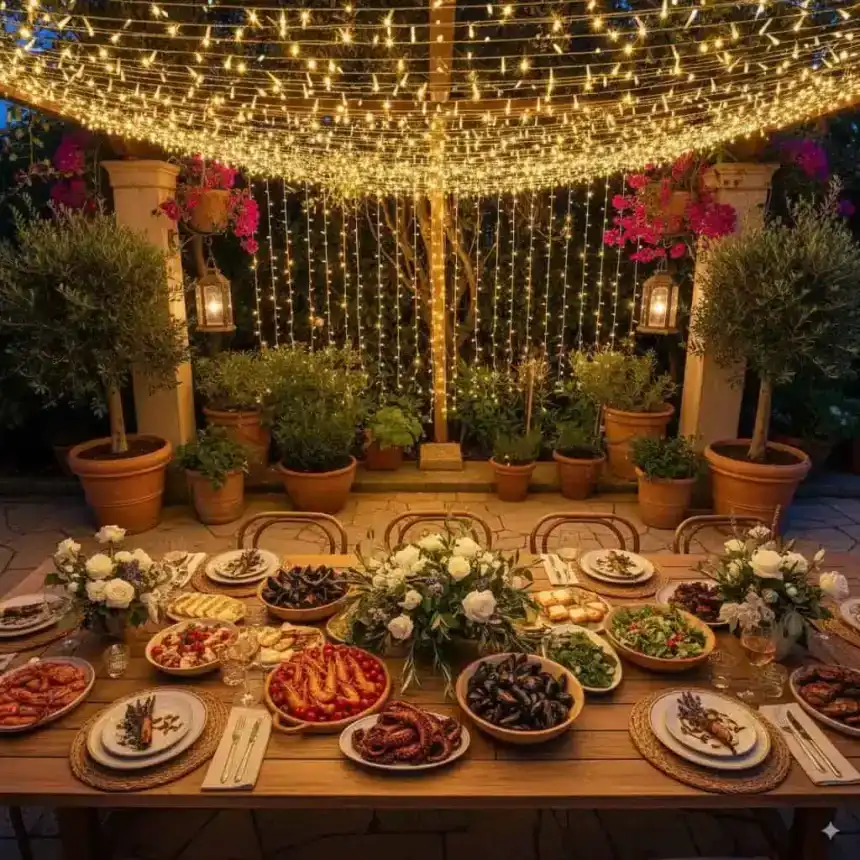
Seasonal Dinner Party Menu Ideas
The best dinner party menus are based on fresh, seasonal ingredients. Seasonal cooking enhances flavor, reduces costs, and creates a natural coherence that guests appreciate, even if they cannot identify the reason.
Summer Dinner Party Menu Ideas
Summer menus should feature bright, fresh, and light dishes. Focus on keeping the food cool and vibrant.
- Starter: Gazpacho or a watermelon and feta salad
- Main: Grilled sea bass or BBQ spatchcock chicken
- Sides: Corn on the cob, grilled courgette, and a herb-heavy green salad
- Dessert: Fresh mango sorbet or a strawberry pavlova
- Drinks: Chilled rosé wine or an elderflower spritz
Winter Dinner Party Menu Ideas
Winter is ideal for slow cooking, warming spices, and deep, comforting flavors. These dishes ensure guests feel welcomed and satisfied. starter: Roasted butternut squash soup with toasted pumpkin seeds
- Main: Slow-braised beef short ribs or slow-roasted lamb shoulder
- Sides: Roast parsnips, mashed celeriac, and wilted winter greens
- Dessert: Sticky toffee pudding or a warm chocolate fondant with vanilla ice cream
- Drinks: A full-bodied Shiraz or Tempranillo; mulled wine on arrival
Spring Dinner Party Menu Ideas
Spring menus highlight freshness, featuring the first tender vegetables of the year, bright herbs, and lighter proteins following winter.
- Starter: Pea and mint bruschetta or asparagus with hollandaise
- Main: Lemon and herb pasta or herb-crusted salmon fillet
- Sides: Wilted spinach, new potatoes with butter and dill
- Dessert: Strawberry shortcake or a classic lemon posset
- Drinks: A crisp Sauvignon Blanc, Pinot Grigio, or sparkling water with cucumber
A tomato in August is very different from one in January. Centering your menu on seasonal produce reduces the effort needed to enhance flavor, as the ingredients speak for themselves.
Common Mistakes in Dinner Party Menu Planning
Even experienced hosts can encounter these challenges. Avoiding them will immediately make your dinner party more seamless and enjoyable.
1. Too Many Heavy Dishes: Serving a creamy starter
A rich braised main and a dense dessert can overwhelm guests. Contrast the weight of your courses; the classic sequence is light, heavy, light.
2. No Balance Between Courses.
Each course should prepare the palate for the next. If your starter is bold and heavily spiced, the main course should be more restrained, rather than repeating intense flavors.
3. Ignoring Guest Dietary Preferences
Always ask about aAlways inquire about allergies, dietary restrictions, and strong dislikes before finalizing your menu. Ensuring that all guests can enjoy the meal demonstrates genuine consideration and helps prevent disruptions. enu Planning
Avoid deciding your menu on the day of the event. Plan at least 48 hours in advance to allow for calm shopping, staged preparation, and confident cooking. Early planning also enables you to include make-ahead dishes, which are valuable for hosts.
5. Attempting Too Many Unfamiliar Recipes:
A dinner party is not the ideal occasion to try several new dishes at once. Base your menu on one or two reliable recipes and introduce only one new element. Guests prefer a well-executed simple dish over an ambitious recipe that fails.
FAQs — People Also Ask
What is a dinner party menu?
A dinner party menu is a structured, pre-planned sequence of courses, typically a starter, a main course, and a dessert, designed to guide a host in preparing and serving a cohesive, enjoyable meal for guests. A good dinner party menu accounts for flavor balance, cooking effort, dietary needs, and presentation timing.
How do I plan a dinner party menu?
Start by choosing your hosting style: formal, casual, or themed. Then select a light starter, a satisfying main, and a sweet or fresh dessert. Balance cooking effort by including one make-ahead dish, one showstopper, and one simple recipe. Check ingredients for overlap, confirm dietary requirements with guests, and build a cooking timeline at least 48 hours ahead.
What is the best dinner party menu for beginners?
The best beginner dinner party menu is a classic 3-course plan: a simple soup or garlic bread as a starter, roasted chicken or straightforward pasta as the main course, and a make-ahead dessert like chocolate mousse or a fruit tart. Stick to recipes you have made before, prep the dessert the day before, and keep the starter minimal so you can focus on the main course.
What are easy dinner party food ideas?
Easy dinner party food ideas include bruschetta or hummus with crudités as starters, slow-cooked chicken curry, baked pasta, or a one-pot stew as mains, and no-bake cheesecake or a fruit pavlova as desserts. The secret is choosing dishes that are either very simple to execute or can be prepared entirely in advance.
What is a good casual dinner party menu?
A great casual dinner party menu prioritizes relaxed, sharing-style eating over formal plating. Think antipasto boards or flatbreads to start, followed by a hearty one-pot dish like curry, baked pasta, or slow-roasted meat. Finish with a simple but crowd-pleasing dessert. The goal is flavourful food without the stress of the kitchen.
How many courses should a dinner party have?
Most dinner parties include three courses: a starter, a main, and a dessert. Formal dinners may include an amuse-bouche, a fish course, and a cheese course, totaling five or even seven courses. Casual dinner party menus can work beautifully with just two courses: a generous main and a dessert, especially when nibbles are served on arrival.
What should I serve at an Italian dinner party?
A classic Italian dinner party menu starts with bruschetta or an antipasto platter, followed by a rich pasta dish such as tagliatelle Bolognese or penne arrabbiata, and finishes with tiramisu. Complement the meal with Chianti or Barbera wine, an Aperol Spritz on arrival, and limoncello or espresso to close the evening.
Conclusion
A great dinner party is not about perfection; it is about intention. Treating your menu as a structured system rather than a last-minute arrangement simplifies shopping, cooking, and serving, and ensures a more enjoyable evening.
Select your style, balance your courses, and utilize make-ahead dishes. Prepare dishes you enjoy and are familiar with. Guests will notice the difference between thoughtful planning and improvisation, and they will remember a well-executed meal long after the evening concludes.
Use the menu plans in this guide as a starting point, adapt them to your guests and the season, and host with confidence.