

Hosting a dinner party is about far more than putting food on the table. When guests leave your home and cannot stop talking about the evening, it is rarely because of a single dish. It is because of how the whole experience made them feel. The warmth of the lighting, the flow of conversation, the way the table looked, and the small personal touches you added together these things create a night that people remember for years.
This guide covers the most effective dinner party ideas across every hosting style, atmosphere, theme, and guest experience strategy. Whether you are planning an intimate, cozy gathering or an elegant, formal evening, you will find everything you need here to host with confidence.
What Makes a Dinner Party Truly Memorable?
A memorable dinner party is built on three pillars: guest emotions, comfort, and flow.
Guest emotions matter more than food alone. Research in hospitality psychology consistently shows that how people feel during a social event has a stronger impact on their memory of it than what they ate. A thoughtfully lit room, soft music, and a warm welcome create a positive emotional frame before the meal even begins.
Comfort drives connection. Guests who feel at ease talk more openly, relax into their seats, and enjoy themselves without the subtle tension that comes from an overly formal or disorganized environment. Your job as a host is to remove friction and replace it with ease.
Flow determines the overall experience. A dinner party with poor timing, long gaps between courses, or an abrupt ending leaves guests feeling unsatisfied, regardless of how good the food was. When the evening moves naturally from welcome drinks to dinner to dessert to relaxed conversation, the entire experience feels effortless.
Understanding these three principles is what separates an average dinner party from one your guests will talk about for months.
Unique Dinner Party Ideas for Different Hosting Styles
Not every host is the same, and not every gathering calls for the same approach. The best dinner party ideas match your personality and your guests’ expectations.
Cozy Home Dinner Party Ideas
A cozy dinner party is one of the most universally loved hosting styles. It feels personal, warm, and unpretentious.
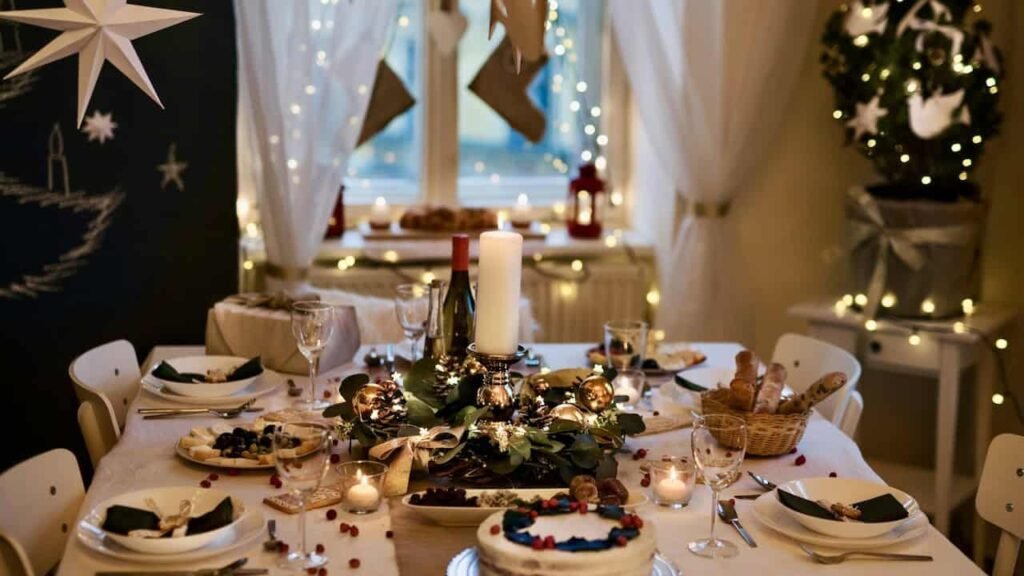
Start with your lighting. Swap harsh overhead bulbs for warm-toned lamps or string lights. The shift from bright white to a soft amber glow alone transforms the energy of a room. Dimmer switches are worth every penny for this reason.
For background music, choose soft instrumental tracks or acoustic covers of familiar songs. The goal is to fill the silence without competing with conversation. Volume should be set to a level where guests can hear each other clearly from across the table.
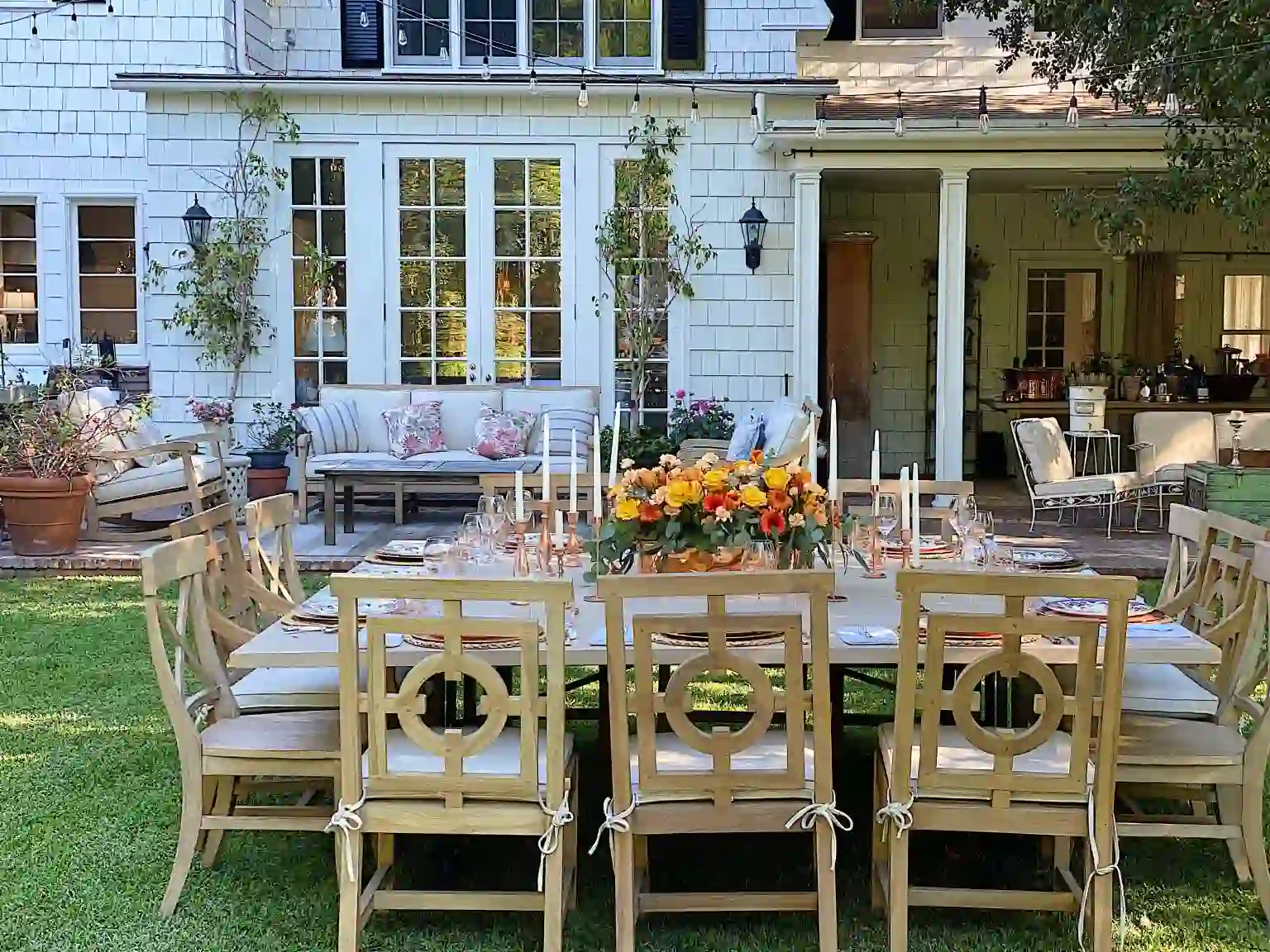
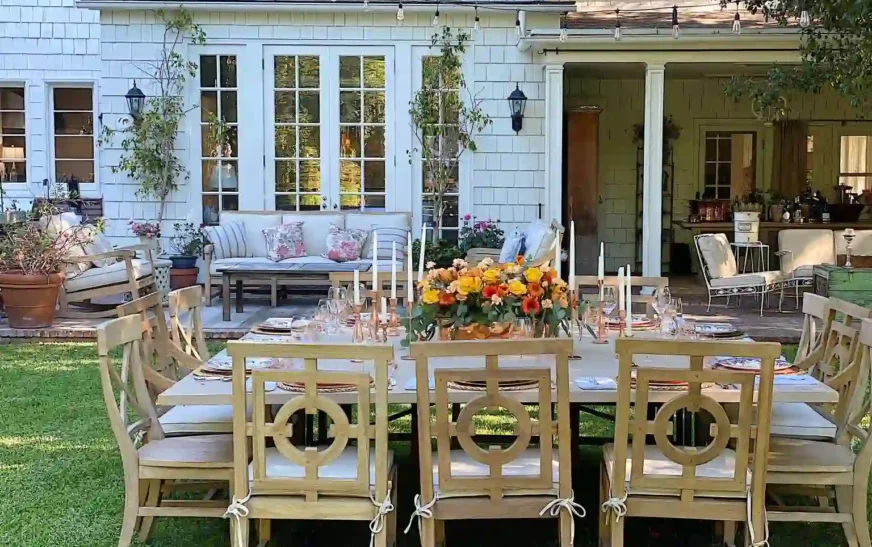
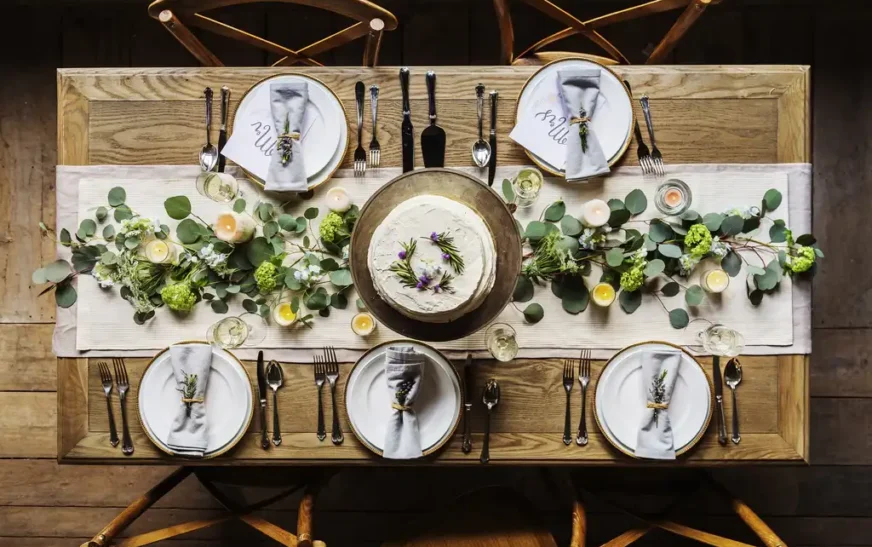
Keep your table decor simple and tactile. A linen runner, a few candles in mismatched holders, and a small bunch of seasonal flowers or eucalyptus branches work beautifully together. The key is warmth without fuss.
Elegant Formal Dinner Party Ideas
An elegant dinner party does not require a professional catering team. It requires intentionality and a bit of preparation.
Set the table the night before so you are not rushing on the day. Use matching dinnerware, polished cutlery, and simply folded cloth napkins. A unified color palette, such as white and gold or deep navy and silver, instantly elevates the visual impression.
Candles are essential for a formal atmosphere. Place them at varying heights down the center of the table. Taper candles in slim holders add a classic elegance, while pillar candles create a more dramatic effect.
Serve your meal in structured courses, with a clear pause between each. Announce each course briefly and naturally. This pacing gives guests time to appreciate each dish and keeps the evening feeling curated rather than rushed.
Casual and Relaxed Dinner Party Ideas
A casual dinner party is perfect for close friends, family, or any gathering where the priority is connection over formality.
Family-style serving, where dishes are placed in the center of the table for everyone to help themselves, encourages sharing and removes the pressure of plating. It also opens up conversation as guests pass dishes and comment on what they are eating.
Buffet setups or shared platters work especially well for larger groups. Label dishes clearly, include options for different dietary needs, and arrange the layout so guests can move through the serving area without bottlenecks.
The no-stress hosting environment is your product here. Guests pick up on host anxiety. If you are visibly relaxed, your guests will be too.
How to Create the Perfect Dinner Party Atmosphere
Atmosphere is the invisible architecture of your evening. It shapes how guests feel the moment they walk through the door.
Music That Sets the Mood
The right music makes your dinner party feel like an experience rather than just a meal.
Soft instrumental playlists are the safest and most effective choice. Genres like lo-fi jazz, classical guitar, or ambient piano work in almost any setting. They add warmth without demanding attention.
Jazz and acoustic dinner music have a timeless quality. Artists like Norah Jones, Miles Davis, or Antonio Carlos Jobim create an immediately sophisticated and relaxed atmosphere that suits both casual and elegant gatherings.
Volume control is critical. As a general rule, music during dinner should be kept below the level of conversation. Turn it up slightly during pre-dinner drinks when chatter has not yet filled the room, and lower it as the evening progresses and guests settle into deeper conversations.
Lighting That Changes Everything
Lighting is the single most powerful tool in your atmosphere toolkit, and it is one that most hosts underuse.
Warm yellow lighting, typically around 2700K to 3000K, creates a flattering and inviting glow. Bright white or cool-toned lighting, by contrast, feels clinical and can actually suppress the relaxed mood you are trying to create.
Candles add a layer of atmosphere that no electric light can fully replicate. Use them on the table, on sideboards, and in any corner of the room where guests will gather. Tea lights in small glass holders are inexpensive and highly effective.
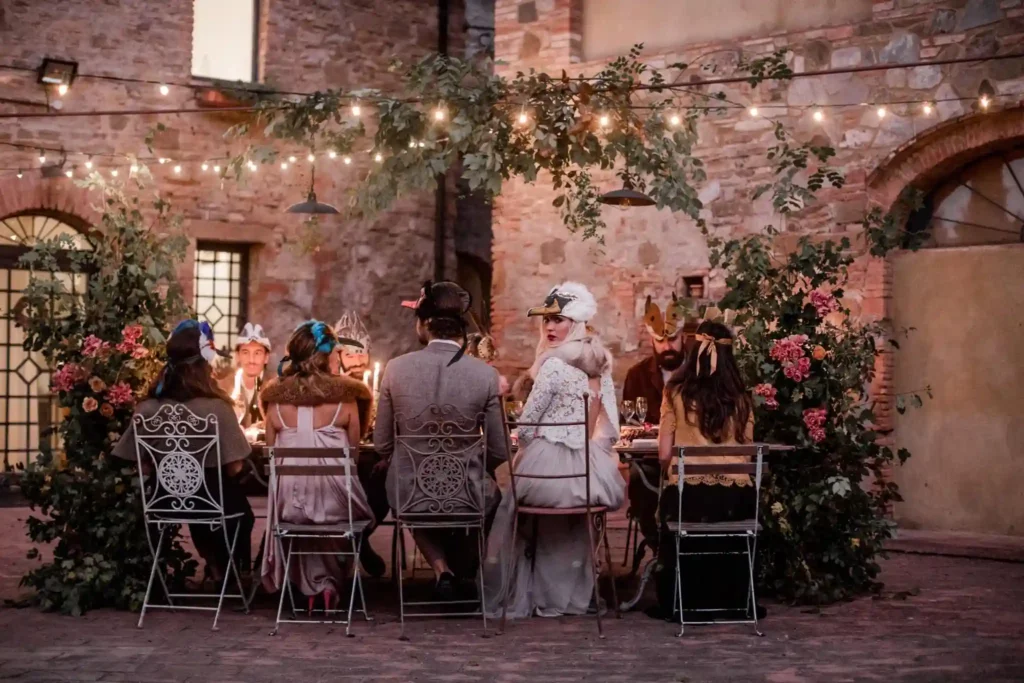
Fairy lights or string lights draped across a mantle, shelf, or outdoor area add a cozy, slightly magical quality to a dinner party setting. They are particularly effective in the evening when the soft scatter of light creates depth and warmth across the space.
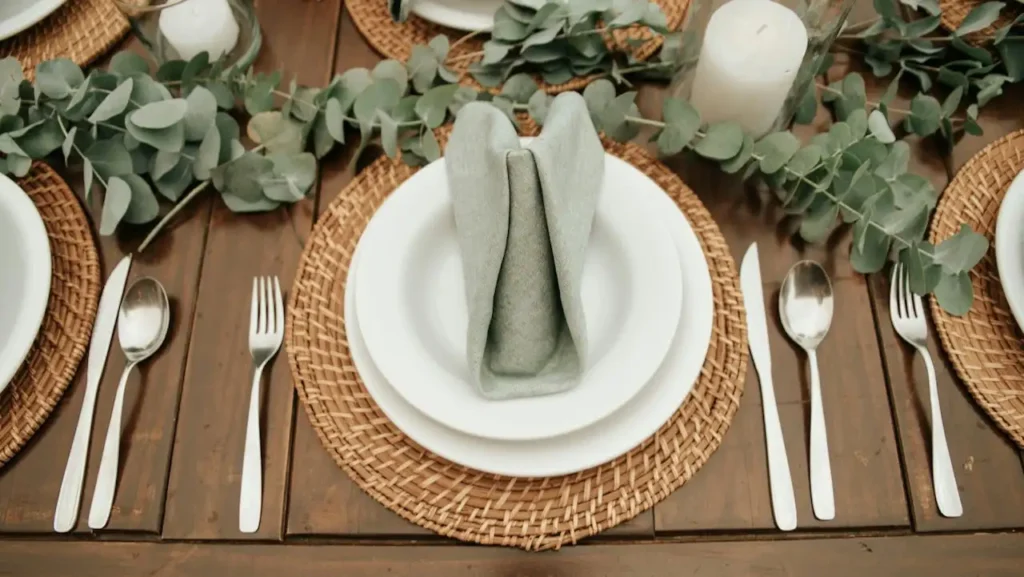
Table Styling and Decor Ideas
Your table is the visual anchor of the evening. It does not need to be elaborate to be impressive.
A minimalist table setting, clean lines, a single runner, simple centerpieces, and matching place settings often have more visual impact than a heavily decorated one. Restraint signals confidence and taste.
Natural elements like seasonal flowers, sprigs of herbs, small potted plants, or loose leaves and branches bring life and texture to the table without feeling forced. Choose what is in season for the most authentic look.
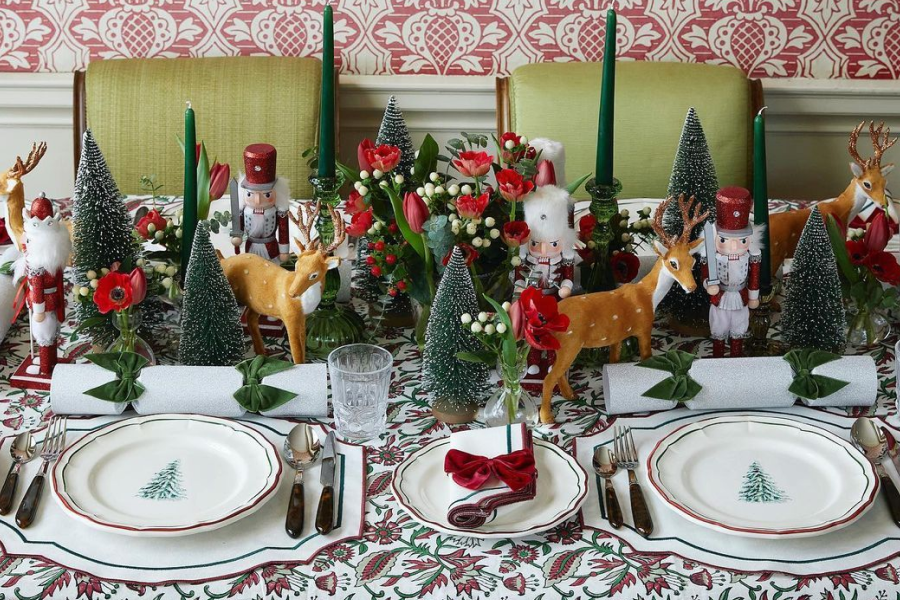
Color coordination pulls everything together. Stick to two or three tones and repeat them across your napkins, flowers, candles, and any decorative objects. This creates a coherent visual story that guests register, even if they cannot articulate why it looks so good.
Guest Experience Flow: The Most Important Part of Hosting
The flow of your evening is what your guests will carry home with them. A dinner party that moves well feels effortless. One that does not leave people feeling vaguely dissatisfied without knowing exactly why.
Before Guests Arrive
Your preparation directly determines your composure during the party. Complete all major food preparation at least an hour before guests arrive. This gives you time to change, set the mood, and mentally shift from chef mode to host mode.
Clean and organize your space with guest movement in mind. Think about where coats will go, where guests will stand during drinks, and how traffic will flow from the entrance to the dining area.
Have a welcome drink ready at the door. It does not need to be elaborate. A glass of sparkling water with cucumber, a simple wine, or a non-alcoholic punch all serve the same purpose: they give guests something to hold as they arrive, which immediately makes them feel welcome and relaxed.
During the Dinner Party
Smooth course timing is one of the most underestimated skills in hosting. Aim for natural gaps between courses that allow conversation to breathe, typically fifteen to twenty minutes, without leaving guests waiting so long that energy drops.
Balance your involvement in conversation without monopolizing it. Check in with quieter guests, gently steer stalled conversations, and avoid getting drawn into extended one-on-one exchanges that leave others feeling sidelined.
Avoid long waiting gaps at all costs. If a course is taking longer than expected, refresh drinks, serve bread, or simply acknowledge it with a brief, relaxed comment. Guests do not mind a short wait; they do mind feeling forgotten.
After Dinner Experience
The after-dinner phase is where many otherwise excellent dinner parties lose momentum. Do not let it happen.
Serve dessert with a gentle shift in mood. Lower the music slightly, clear the main course dishes with quiet efficiency, and announce dessert as a transition rather than a conclusion. This keeps guests engaged rather than looking for an exit.
A tea or coffee ritual is one of the most effective ways to naturally extend the post-dinner experience. Offer a small selection and let guests choose. The act of preparing and serving a hot drink signals that the evening is moving into its final, relaxed chapter without pushing anyone toward the door.
Allow the closing conversation to wind down at its own pace. The best dinner parties end when guests genuinely feel ready to leave, not because they have been subtly shown the door or because energy has simply collapsed. Position comfortable seating for after-dinner drinks and let the evening breathe.
How to Make Guests Feel Special at a Dinner Party
The details that make guests feel genuinely seen and valued are what elevate a good dinner party into an exceptional one.
A personalized welcome makes an immediate impact. Using a guest’s name when you greet them, referencing something you know about them, or introducing them warmly to others they have not met before signals that you have thought about them specifically, not just as part of a group.
Small, thoughtful touches create lasting impressions. Name cards with a brief handwritten note, a small favor at each place setting, or a menu card that lists the evening’s courses are all simple gestures that communicate care and intention.
Dietary needs to be considered is no longer optional. Before any dinner party, confirm your guests’ dietary restrictions and preferences. Making sure there is something genuinely delicious for every person at the table, not just a token alternative, shows respect and consideration.
Warm communication throughout the evening matters enormously. Check in without hovering. Ask whether guests need anything without making them feel like an inconvenience. Thank them genuinely for coming. These are small behaviors, but cumulatively they define the emotional experience of your evening.
Creative Dinner Party Themes for High Engagement
A theme gives your dinner party a clear identity and makes the planning process more focused. It also gives guests something to look forward to and talk about.
Italian Night Theme
An Italian-themed dinner party is one of the most popular and universally enjoyable options. It works because the aesthetic is familiar, the food is loved by almost everyone, and the atmosphere it creates is naturally warm and convivial.
Set a rustic table with terracotta tones, olive branches, and simple ceramic dishes. Use checkered linens or a deep red runner for a trattoria feel. Chianti or Barolo on the table, soft Italian jazz in the background, and a pasta course served family-style complete the experience.
Mediterranean Theme
A Mediterranean theme draws on the light, fresh, and abundant qualities of coastal Mediterranean life. Think crisp white linens, olive branches, lemon slices in water glasses, and an herb-based aesthetic throughout the decor.
The food follows the same principles: fresh ingredients, olive oil, grilled proteins, and vibrant salads. The overall atmosphere should feel relaxed, sun-warmed, and generous.
Cozy Winter Dinner Theme
A cozy winter dinner party is built around warmth, comfort, and the pleasure of being inside while the world outside is cold. Layer your lighting with candles and warm-toned lamps. Use deep, rich colors in your decor, such as burgundy, forest green, and burnt orange.
Focus your menu on comfort food elevated slightly: a slow-cooked stew served with crusty bread, a rich soup to start, and a warm dessert like a baked pudding or spiced tart. The combination of warmth, color, and comfort food creates an almost irresistible sense of occasion.
Elegant Minimal Theme
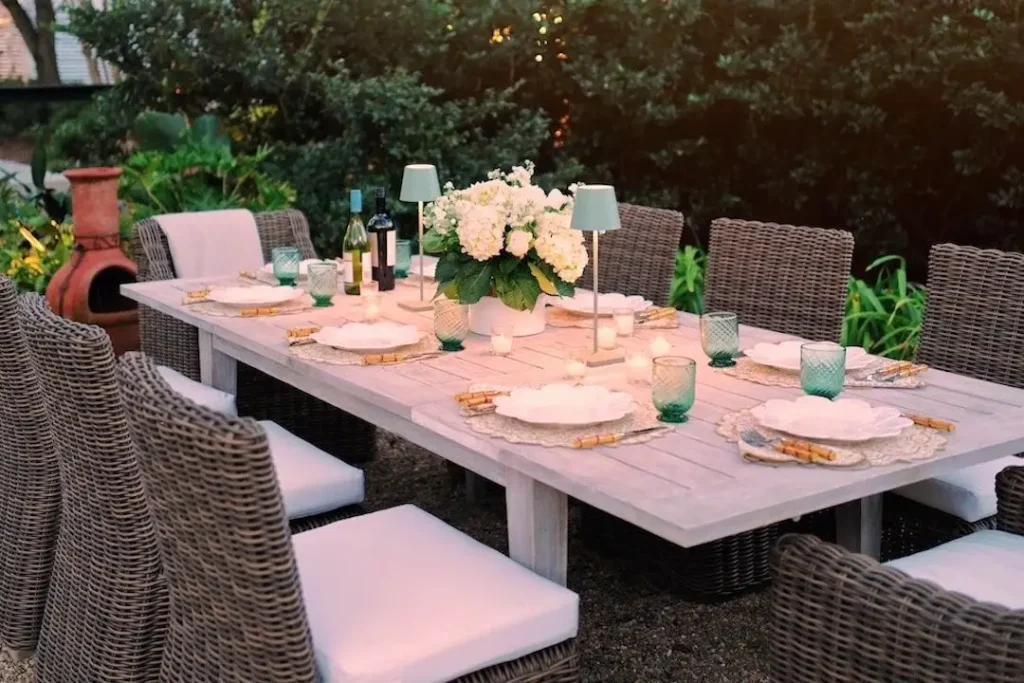
An elegant, minimal dinner party theme relies on quality over quantity in every detail. White and neutral tones dominate the table setting. A single statement flower arrangement in a simple vase. Linen napkins, matte ceramic plates, and unscented candles.
The food follows the same principle: fewer dishes, each executed with care. This theme works particularly well for hosts who prefer a refined, gallery-like aesthetic and guests who appreciate understated sophistication.
Psychological Tricks for a Better Hosting Experience
Understanding a little about how your guests think and feel gives you a significant advantage as a host.
Comfort increases guest satisfaction more than any other single variable. When people feel physically comfortable, seated well, at the right temperature, with enough space, they enjoy themselves more, regardless of other factors. Pay attention to the physical environment before you obsess over the menu.
Slow-paced dining is associated with greater enjoyment and stronger social connections. Research in behavioral science consistently shows that meals eaten slowly, with natural pauses and engaged conversation, are rated more positively than rushed meals, regardless of food quality. Build pace into your evening deliberately.
Emotional memory creation is driven by peak moments and endings. This is known in psychology as the peak-end rule: people remember experiences primarily by their most intense moment and how they ended, not by an average of the whole experience. Create at least one genuinely special moment during your dinner party and ensure the ending feels warm and intentional.
The role of ambiance in creating a wow factor cannot be overstated. Ambiance is the sum of everything your guests perceive without consciously noticing: the smell of the room, the temperature, the sound level, the quality of light. Guests who feel good in a space attribute that feeling to the host’s skill and warmth, which is exactly the impression you want to leave.
Mistakes to Avoid in Dinner Party Hosting
Even experienced hosts fall into the same traps. Knowing what to avoid is just as important as knowing what to do.
Overcomplicated menu planning is one of the most common errors. An ambitious menu that pushes you to your limits in the kitchen means you spend more time stressed and less time with your guests. Choose dishes you are genuinely comfortable making. Two or three excellent courses executed confidently are always better than five technically ambitious ones delivered with visible stress.
Poor timing between courses disrupts the flow of the evening and creates an awkward social atmosphere where guests do not know whether to keep talking or prepare for the next phase of the meal. Rehearse your timing before the event if possible, or choose a menu that allows for natural, flexible gaps.
Bad lighting or a noisy environment undermines every other element of your hosting effort. Bright overhead lighting and background music set too loud are two of the most common atmosphere mistakes hosts make. Address both before your first guest arrives.
Ignoring guest comfort in any form, whether that means a room that is too hot, seating arrangements that create conflict, or failing to cater to dietary needs, signals inattention. The best hosts think about their guests’ physical and social comfort from the moment they begin planning.
FAQs About Dinner Party Ideas
What makes a dinner party memorable?
A memorable dinner party is the result of good food, a comfortable and inviting atmosphere, smooth timing across the evening, and genuine attention to your guests’ experience. The combination of these elements creates a positive emotional impression that guests carry with them long after the evening ends.
How do I set the mood for a dinner party?
Set the mood with warm lighting, soft background music at a low conversational volume, and simple, elegant table decor. A welcome drink ready at the door and a clean, organized space complete the atmosphere before a single dish is served.
What is the best atmosphere for a dinner party?
The best atmosphere for a dinner party is relaxed, warm, and conversational. Guests should feel comfortable enough to speak freely, engaged enough to stay present, and welcomed enough to feel that the evening was designed with them in mind.
How do I make guests feel special at a dinner party?
Personalize the welcome, consider dietary needs in advance, use small thoughtful touches like name cards or handwritten notes, and communicate warmth throughout the evening. It is the cumulative effect of small gestures that makes guests feel genuinely valued.
What are some unique dinner party themes?
Popular and highly effective dinner party themes include Italian Night, Mediterranean, Cozy Winter, and Elegant Minimal. Each theme provides a clear visual and culinary direction, making planning easier and the guest experience more cohesive and memorable.
How many courses should a dinner party have?
For most dinner parties, three courses, a starter, main, and dessert, strike the right balance between variety and manageability. Formal gatherings can extend to four or five courses, but only if the host can manage timing confidently and guests have expressed an appetite for a longer meal.
What music is best for a dinner party?
Soft instrumental music, jazz, acoustic, or ambient piano works best for dinner parties. The volume should sit below a comfortable conversation level, allowing music to enhance the atmosphere without competing with it.