


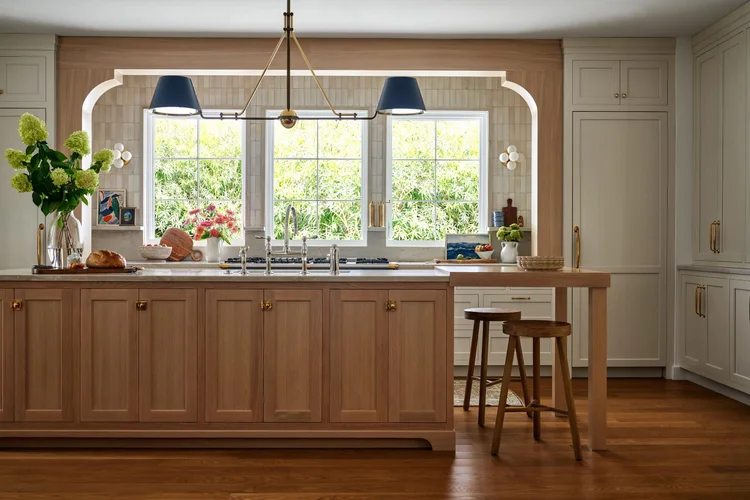
You don’t always realize how much your kitchen affects your daily life until one day, small frustrations start piling up, and it no longer feels comfortable to use.
It’s rare, “Today is the day. Full transformation.” Honestly… It’s often something much less exciting.
Maybe you’re trying to cook dinner, and there’s barely enough prep space again. Maybe one drawer keeps jamming, one cabinet still smells weird no matter what you do, or your lighting makes everything look slightly depressing after sunset.
And one day, somewhere between inconvenience and irritation, the thought just lands:
This kitchen isn’t working anymore. Not necessarily broken.
Just… not right. That feeling matters more than most design trends ever will.
Because for most people, kitchen renovation doesn’t begin with luxury. It begins with friction. Daily little annoyances that slowly become impossible to ignore. The kitchen may technically function, but if it constantly feels cramped, outdated, chaotic, or awkward, eventually you stop seeing it as “fine.”
You start seeing potential. And in 2026, that’s really what kitchen renovation has become, less about chasing some flawless catalog look, more about building a kitchen that fits the way people actually live now. Because life changed. Kitchens changed, too. They’re where chai happens. Quick work calls. School bags dumped on counters. Midnight leftovers. Family conversations. So when the kitchen feels wrong, the impact usually stretches way beyond cooking.
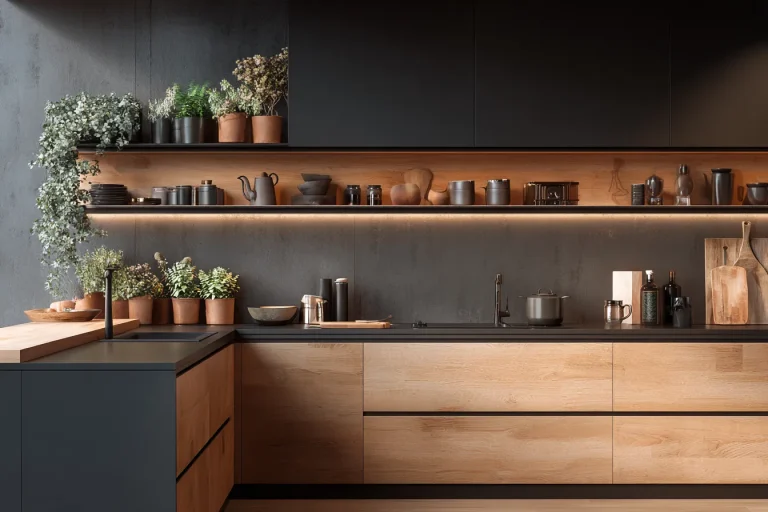
When Does a Kitchen Actually Need Renovation?
This is where a lot of homeowners either overreact… or wait too long.
Not every kitchen problem means full demolition. Sometimes, smaller upgrades genuinely solve bigger frustrations.
A kitchen can feel surprisingly refreshed with updated lighting fixtures, smarter flooring installation, new backsplash tiles, or even basic cabinet refacing.
That alone can shift the entire energy of the space. But then there are kitchens where the issue isn’t appearance.
It’s a function.
Bad layout. Poor storage. No flow. Too little prep space. Awkward appliance placement.
That’s when cosmetic fixes start feeling like putting nice shoes on a bad decision.
Cosmetic Changes vs Real Structural Change
A surface-level update may improve the kitchen’s appearance.
A proper kitchen remodel changes how it works.
It might be the addition of a kitchen island, custom cabinetry, or a plumbing fixture.
The difference is simple:
Are you refreshing… or solving? And honestly, solving usually wins in the long term.
Kitchen Renovation Budget 2026: Real Cost Breakdown & Hidden Expenses
This is the part where Pinterest boards get humbled quickly. Kitchen renovations can become expensive very quickly, especially when hidden costs start adding up.
And not always because of the obvious things. Most people expect cabinets and countertops to cost money. Sure. But what catches people off guard are the invisible costs:
Electrical work. Plumbing updates. Installation labor. Structural fixes. Material delays. Random issues have been hidden behind walls since 2009. This is why every renovation budget needs flexibility. Not panic.Just realism.
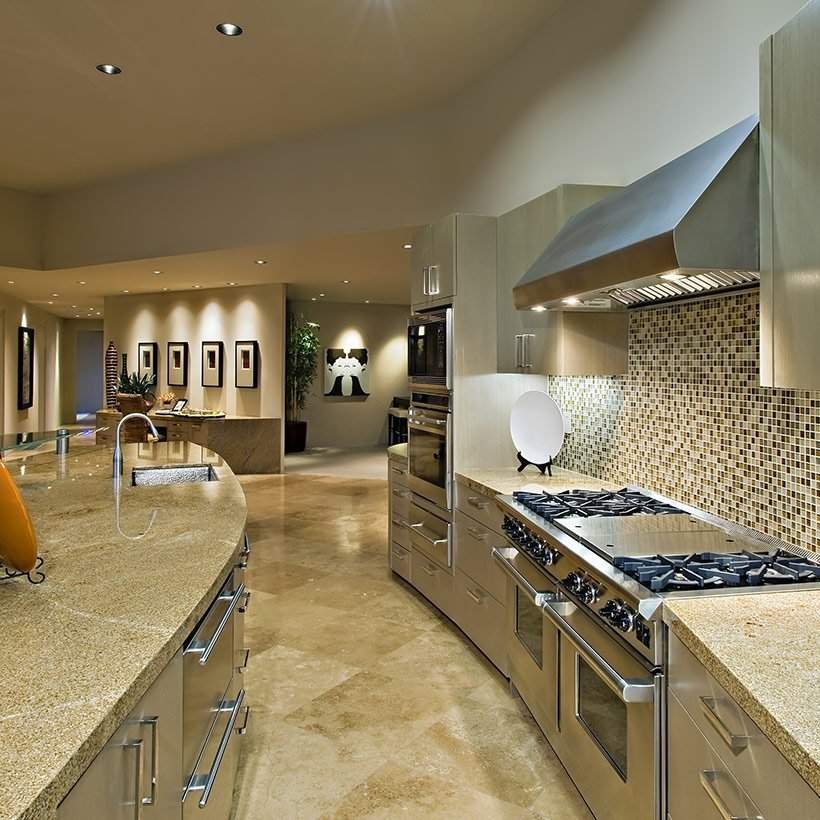
Kitchen Layout Ideas 2026: How Design Affects Daily Function
Here’s something people often realize too late:
You can have a stunning kitchen that still feels exhausting.
Because even a beautiful kitchen cannot fix a poor workflow or awkward movement space.
If your fridge placement is awkward, prep space is lacking, or cooking feels like obstacle navigation, the kitchen eventually becomes frustrating, no matter how expensive it looks.
Kitchen Island Ideas: When It Works and When It Doesn’t
The kitchen island became wildly popular for good reason.
When it works, it really works. More prep space. More seating. Better storage. Social connection.
But not every kitchen benefits from one. This part matters.
Sometimes people add islands because they feel expected, not because the room actually supports them.
And then suddenly, movement gets tighter instead of better. A smart kitchen renovation is not about following trends; it’s about choosing features that truly improve your daily routine.
Open Concept Kitchen Design: Benefits, Problems & Best Practices
The open-concept kitchen trend continues to grow because people want connection.
Cooking while talking. More openness. Better light.
However, open kitchen layouts require much better organization and planning than closed kitchens.
Without it? Clutter becomes everyone’s problem.
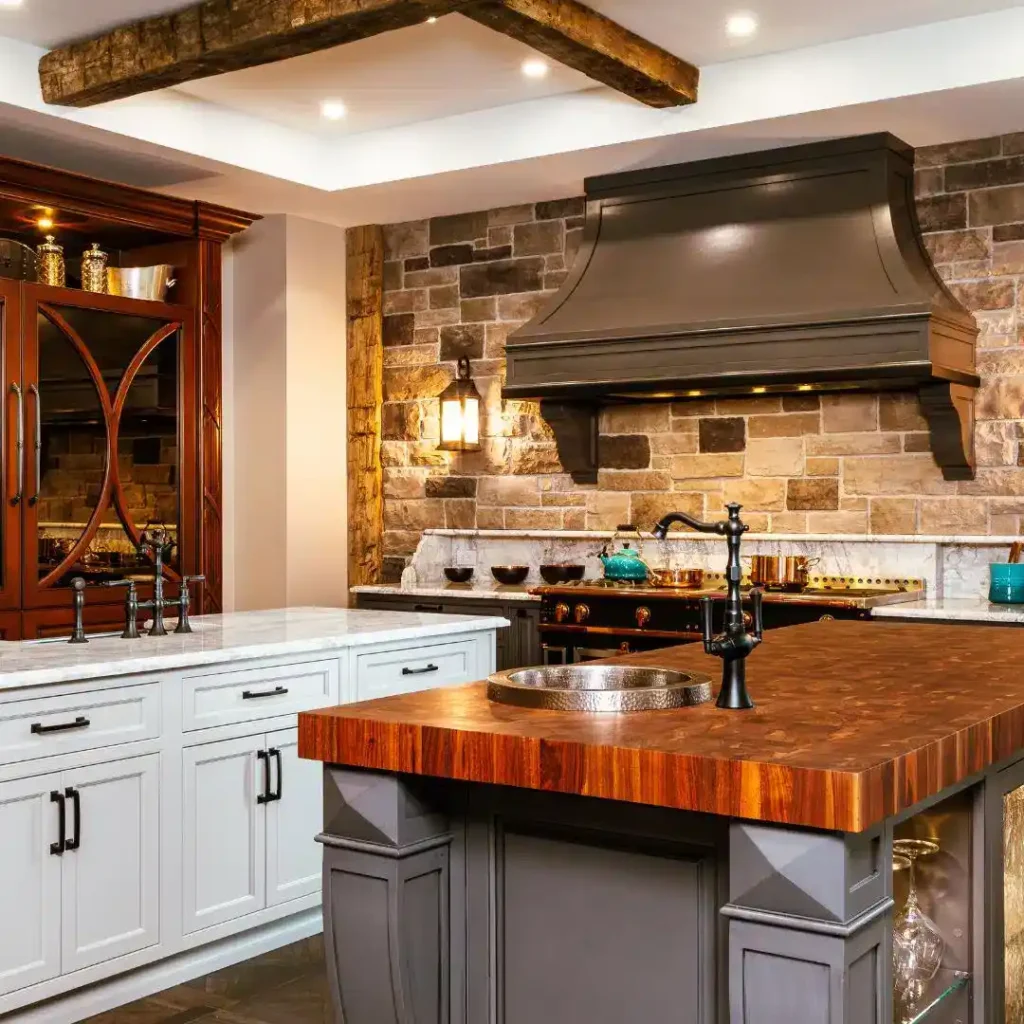
Kitchen Cabinets Guide: Refacing vs Replacement vs Custom Design
People notice countertops fast… but cabinets quietly shape almost everything.
Storage. Style. Organization. Flow.
Cabinet Refacing
Even if your cabinets are still structurally sound, cabinet refacing can be a game-changer for your kitchen’s look. In many cases, this simple upgrade is enough to completely refresh the kitchen’s appearance.
New doors. Fresh finish. Updated hardware. Sometimes that’s enough.
But if your kitchen’s actual storage design is flawed, replacing it may be smarter in the long term.
Custom Cabinetry
This is where custom cabinetry starts standing out.
Because custom solutions aren’t always about luxury, sometimes they’re just about finally having drawers that make sense.
Deep storage. Hidden organizers. Better use of awkward corners.
Real-life convenience. And thankfully, kitchen design has been getting less sterile lately.
People seem tired of spaces that look perfect but feel cold. Warmer wood. Texture. Personality.
Honestly? Good.
Kitchen Countertops Guide: Quartz vs Granite vs Other Options
Countertops matter. Obviously. You see them constantly. Use them constantly.
So yes… people stress. People mostly rely on Quartz countertops because they are practical, polished, and reliable. Granite countertops offer uniqueness and natural variation.
But the “best” countertop usually depends less on trends and more on your actual habits.
Do you cook daily? Spill often? Need easy cleanup?
Or are you designing around appearance first?
A kitchen that looks beautiful but is difficult to maintain quickly loses its appeal in everyday use.
Appliances Add Up Too
Modern energy-efficient appliances can absolutely stretch a budget, but they also tend to improve everyday function in ways older kitchens often don’t. So yes, they cost more. But sometimes convenience is worth paying for.
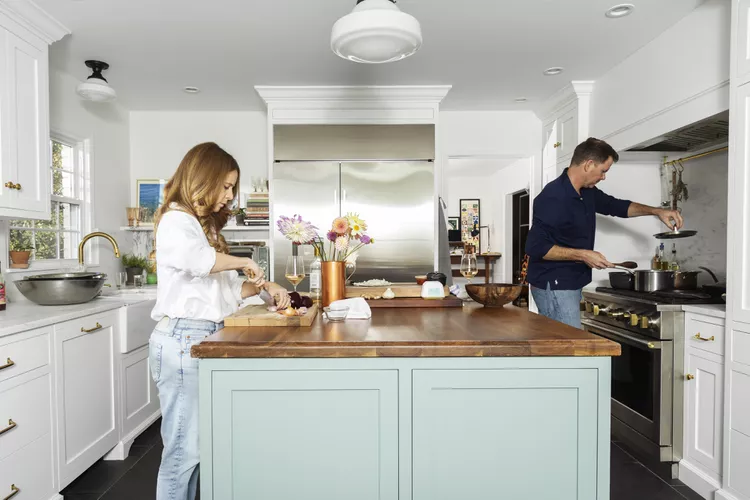
The Details That Quietly Shape Everything
This is where personality really enters.
Backsplash tiles often seem like a finishing touch… until they become one of the most visually defining parts of the room. Flooring installation shapes durability more than people expect.
Lighting fixtures can completely change mood, function, and comfort.
And plumbing fixtures? Maybe not glamorous… but definitely something you’ll appreciate every single day if chosen well. Small details rarely feel small once you live with them.
Kitchen Design Trends 2026: Warm, Functional & Human-Centered Spaces
It sounds suspicious.. But the reality is, in 2026, kitchens are feeling more human. This is the best change happening right now. For a while, kitchens often felt designed for photos.
Perfect. Minimal. Cold.
Now?
Interior design trends are leaning warmer. Natural textures. Mixed finishes. Functional beauty. Real personality.
Less “look at this kitchen.”
More “live in this kitchen.”
Honestly… that feels healthier.
Is Kitchen Renovation Actually Worth It?
For most people…Yes.
Not because every project magically transforms resale value.But because daily frustration has value too.
A thoughtful kitchen renovation can improve comfort, reduce chaos, create better routines, and simply make the home feel easier.
Sometimes ROI is financial.Sometimes it’s emotional.
Both count.
Final Thoughts
Most people don’t remember their renovation because the backsplash was trendy.
They’re the ones where someone quietly says, “This just works so much better now.”
They remember it because life got easier.
They need more space. Better flow. Smarter storage. Less irritation. That’s really the heart of a good kitchen renovation. Not perfection. Not showing off. Not blindly copying trends. The goal is simple: create a kitchen that feels comfortable, functional, and truly fits your daily life, not just one that looks good in pictures.
1. What is the first step in a kitchen renovation?
The first step is always understanding what is actually wrong with your current kitchen. Before picking tiles or cabinets, you need to notice daily problems such as poor storage, poor lighting, or awkward movement. Once that is clear, you can start planning the layout, setting a realistic renovation budget, and deciding on the level of work needed: a cosmetic update or a full kitchen remodel.
2. How do I plan a realistic budget for a kitchen remodel?
A realistic budget comes from dividing your kitchen into categories rather than guessing a single total amount. Think in parts: cabinets, countertops, labor, appliances, and finishing work. Always keep an extra margin for unexpected costs, such as plumbing or electrical changes. A good approach is to prioritize function first, especially items like custom cabinetry or flooring installation, before spending on decorative upgrades.
3. What is better for small kitchens: a kitchen island or more cabinets?
In small kitchens, adding a kitchen island is not always the best decision. It can reduce walking space if the layout is tight. In most cases, more efficient cabinets or vertical storage work better. However, if space allows, a compact storage island can still be useful. The key is flow—if movement feels blocked, skip the island.
4. How do I know if I should do cabinet refacing or a full replacement?
If your cabinet structure is still strong and only looks outdated, cabinet refacing is usually enough. It changes the doors, finish, and handles without replacing the full frame. But if cabinets are damaged, poorly designed, or lack storage, full replacement or custom cabinetry is a better long-term choice.
5. Are quartz countertops better than granite countertops for daily use?
For daily use, quartz countertops are often more practical because they are low-maintenance, stain-resistant, and consistent in appearance. Granite countertops, on the other hand, offer natural beauty and uniqueness but may require more care, such as sealing. The better choice depends on whether you value convenience or natural texture more.
6. How long does a full kitchen remodel usually take to complete?
A full kitchen remodel usually takes several weeks to a few months, depending on the complexity. Simple updates like cabinet refacing or lighting changes take less time, while structural changes like an open-concept kitchen, plumbing shifts, or full flooring installation take longer. Delays often happen due to material availability or unexpected repairs.
7. What mistakes should I avoid during a kitchen renovation?
The most common mistake is focusing only on looks and ignoring function. Many people also underestimate their renovation budget, skip proper planning, or choose trendy designs that don’t age well. Poor lighting, weak storage planning, and forcing features like a kitchen island into small spaces are also common errors.
8. Do I really need an open-concept kitchen, or is it just a trend?
An open-concept kitchen is not necessary for everyone. It works well for families who want more interaction and open space, but it is not always practical. If you prefer separation, quiet cooking space, or less visible clutter, a closed or semi-open layout may suit you better. It should match lifestyle, not just trends.
9. What upgrades give the best value in a kitchen renovation?
The best value usually comes from functional upgrades such as custom cabinetry, improved storage, durable quartz countertops, better lighting fixtures, and energy-efficient appliances. These improvements affect daily use the most and also add long-term appeal. Cosmetic changes alone rarely give the same impact.
10. How can I make my kitchen look modern without spending too much money?
You don’t always need a full remodel for a modern look. Simple changes like repainting cabinets, updating backsplash tiles, improving lighting, replacing handles, or refacing cabinets can transform the space. Even small upgrades in fixtures and organization can make an old kitchen feel fresh and updated without a big renovation budget.







2 Comments
[…] don’t need a garage workshop. A clear kitchen table, a corner of your bedroom, or a small outdoor space works perfectly for most beginner diy […]
[…] property value. Strategic upgrades to kitchens, bathrooms, and curb appeal can dramatically raise market […]